

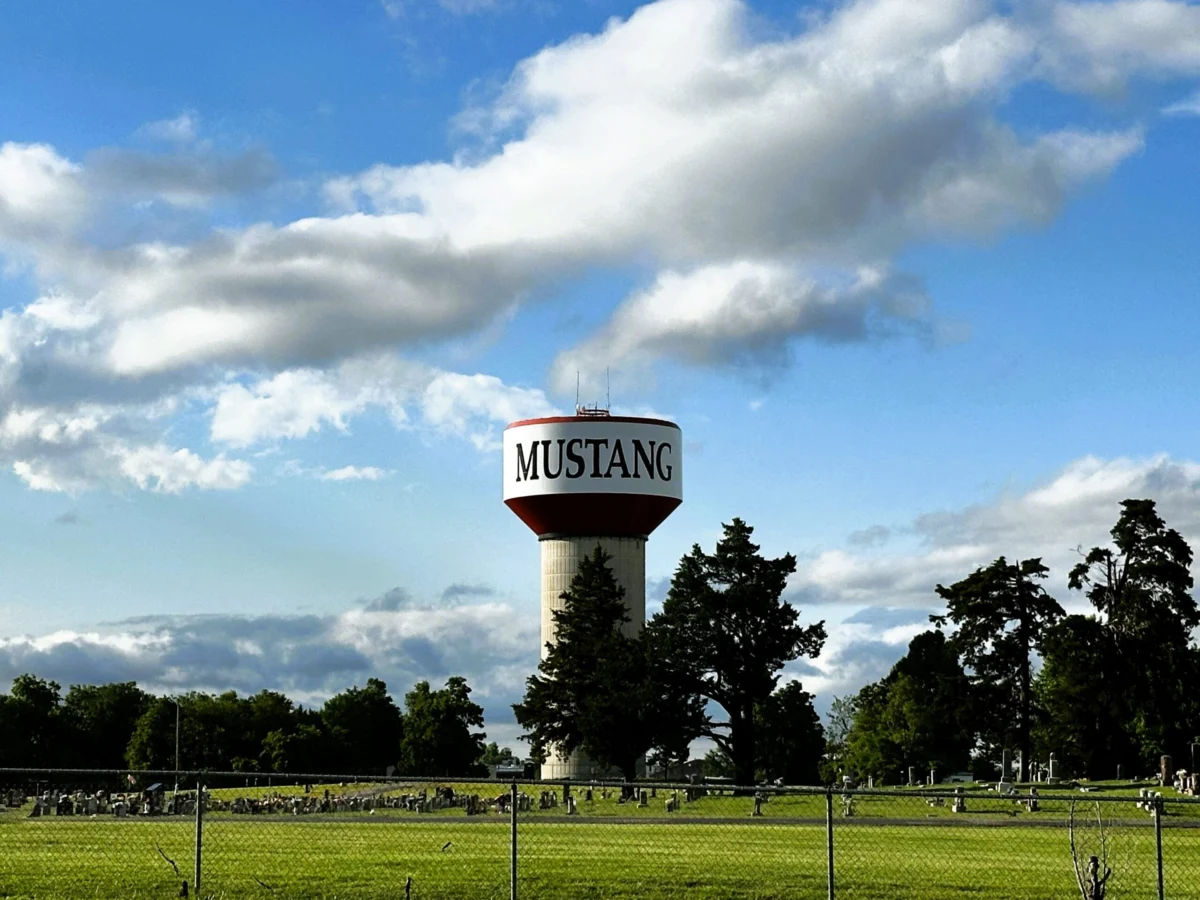
The City of Mustang, Oklahoma, has announced the successful completion of a comprehensive $5.9 million water infrastructure modernization project in partnership with Ameresco, Inc., a leading clean energy and energy infrastructure integrator. This large-scale initiative involved the transition of the city’s entire water measurement system to Advanced Metering Infrastructure (AMI), a move designed to enhance operational efficiency, improve billing accuracy, and provide the municipality with real-time data to better manage its precious water resources. The project, which saw the replacement of more than 8,000 outdated water meters across the city, represents a significant step forward in Mustang’s commitment to smart city technology and long-term environmental sustainability.
By implementing this state-of-the- Christian technology, the City of Mustang has effectively moved away from traditional, manual meter-reading processes toward a digitized, two-way communication network. This shift allows the city’s utility department to monitor water usage patterns with unprecedented precision, identifying leaks and system anomalies almost as soon as they occur. For a growing community like Mustang, located in a region where water management is increasingly critical due to fluctuating weather patterns and regional growth, the modernization of this infrastructure is viewed as an essential investment in the city’s future resilience.
Technical Foundation and the Shift to Advanced Metering Infrastructure
Advanced Metering Infrastructure, or AMI, differs significantly from the older Automatic Meter Reading (AMR) systems that many municipalities utilized in previous decades. While AMR required utility personnel to drive by properties with specialized receivers to collect data via short-range radio frequencies, AMI utilizes a fixed network of data collectors and transmitters. This creates a constant stream of data between the customer’s meter and the utility’s central database.
The implementation in Mustang involved the installation of high-precision electronic meters equipped with integrated communication modules. These modules transmit consumption data at regular intervals, typically every 15 to 60 minutes. This granularity of data is the cornerstone of the project’s value proposition. It enables the city to move from monthly "snapshots" of water usage to a continuous "video" of the system’s health. For residents, this means that an underground leak or a running toilet that might have previously gone unnoticed for an entire billing cycle can now be detected within hours, preventing both resource waste and unexpectedly high utility bills.
Project Chronology and Accelerated Implementation
The collaboration between Ameresco and the City of Mustang followed a structured, multi-phase approach designed to ensure financial viability and technical accuracy. The process began with a comprehensive investment-grade audit (IGA). During this initial phase, Ameresco’s engineering and financial teams evaluated the city’s existing mechanical meters, many of which had reached the end of their functional life. Mechanical meters are known to "slow down" as they age, leading to under-registration of water flow and a subsequent loss of revenue for the municipality—a phenomenon known as "non-revenue water."
Following the audit, which confirmed the economic benefits of a full system replacement, the project moved into the design and procurement phase. Ameresco worked closely with Mustang’s leadership to select the specific hardware and software configurations that would best serve the city’s unique topography and residential density.
Construction and installation were originally slated to take approximately ten months, a standard timeline for a project of this scale involving 8,000 individual service points. However, through optimized project management and a highly coordinated deployment strategy, Ameresco and city staff were able to complete the installation in just five months. This 50% reduction in the project timeline was achieved without sacrificing quality or safety, minimizing the period of disruption for local residents and ensuring that the city could begin realizing the benefits of the new system ahead of schedule.
Economic and Operational Data Points
The $5.9 million investment is expected to pay dividends through several key channels. First and foremost is the recovery of non-revenue water. By replacing old, inaccurate meters with high-precision digital units, the city ensures that every gallon of water delivered is accurately accounted for and billed. This creates a more equitable system where all users pay their fair share based on actual consumption.
Operationally, the shift to AMI eliminates the need for manual meter reading, which historically required significant labor hours and vehicle expenses. By automating data collection, Mustang can reallocate its public works staff to more critical maintenance and infrastructure tasks, improving overall departmental productivity.
Furthermore, the data-driven approach provided by the new system allows for "predictive maintenance." Instead of reacting to water main breaks after they surface, the utility can analyze flow data to identify pressure drops or unusual flow spikes that may indicate a brewing issue. This proactive stance reduces emergency repair costs and extends the lifespan of the city’s broader distribution network.

Official Perspectives on the Partnership
The success of the project has been attributed to the close partnership between the private sector and local government. David Russell, Director of Public Works for the City of Mustang, emphasized that the relationship with Ameresco was more than a simple vendor-client arrangement.
"One of the things we appreciated most about working with Ameresco was that their involvement went beyond simply providing equipment or managing an installation," said Russell. "They served as a partner throughout the process, from evaluating our existing system and helping us determine whether the investment made sense, to selecting the appropriate approach, managing implementation, and helping City staff transition to the new system."
From the corporate perspective, Ameresco highlighted the project as a model for how mid-sized cities can leverage technology to meet the challenges of urbanization. Louis Maltezos, Co-President of Ameresco, noted the long-term value created by the initiative.
"The City of Mustang’s collaboration with Ameresco is a direct reflection of how thoughtful planning and modern infrastructure create lasting value for a community," Maltezos stated. "Together, the City and Ameresco have strengthened the reliability of Mustang’s water system and established the operational insight required to meet the demands of growth with confidence."
Broader Context: Water Challenges in Oklahoma
Mustang’s move to modernize its water infrastructure comes at a time when Oklahoma as a whole is grappling with complex water management issues. The state’s climate is characterized by extremes, ranging from severe drought periods to heavy flooding. According to the Oklahoma Water Resources Board (OWRB), the state’s population is projected to grow significantly over the next 50 years, placing increased strain on existing aquifers and reservoirs.
In such an environment, conservation is not merely an environmental goal but a fiscal and survival necessity. The 2012 Oklahoma Comprehensive Water Plan set a goal of "no net increase" in the use of fresh water through 2060, a target that relies heavily on conservation and efficiency improvements. By adopting AMI, Mustang is aligning itself with these state-level objectives, demonstrating how local municipalities can contribute to regional water security through technological adoption.
Impact on Residents and the Community
For the citizens of Mustang, the most immediate impact of the project is the enhanced level of service and transparency. Modern AMI systems often include a customer portal—a digital interface where residents can log in to view their daily or even hourly water usage. This empowers consumers to make informed decisions about their water habits, such as adjusting lawn irrigation schedules or identifying leaks before they cause property damage.
The transition to the new system was managed to ensure minimal disruption. Ameresco’s installation teams worked systematically through neighborhoods, and the city utilized multiple communication channels to keep residents informed of the progress. The result was a seamless integration that modernized a vital public utility without the friction often associated with large-scale infrastructure overhauls.
Analysis of Future Implications
The completion of this project sets a precedent for other municipalities in Oklahoma and the surrounding region. As the cost of smart meter technology continues to decrease and the precision of the hardware increases, the "business case" for AMI becomes undeniable for cities facing aging infrastructure and budget constraints.
Furthermore, the data generated by Mustang’s new system can eventually be integrated into broader "Smart City" initiatives. For example, water usage data can be cross-referenced with other urban data sets to optimize city planning, emergency response, and environmental protection efforts. The digital foundation laid by Ameresco and the City of Mustang provides a scalable platform that can support future technological additions, such as smart valves or integrated pressure sensors.
In conclusion, the $5.9 million AMI project in Mustang is a landmark achievement in utility management. By cutting the implementation time in half and focusing on a data-driven transition, Ameresco has provided the city with a toolset that ensures billing accuracy, promotes conservation, and enhances operational resilience. As Mustang continues to grow, its modernized water system will stand as a testament to the power of public-private partnerships in building smarter, more sustainable communities. The project underscores a fundamental shift in how local governments view infrastructure—not just as pipes and pumps, but as an intelligent network capable of providing the insights needed for a stable and prosperous future.
