

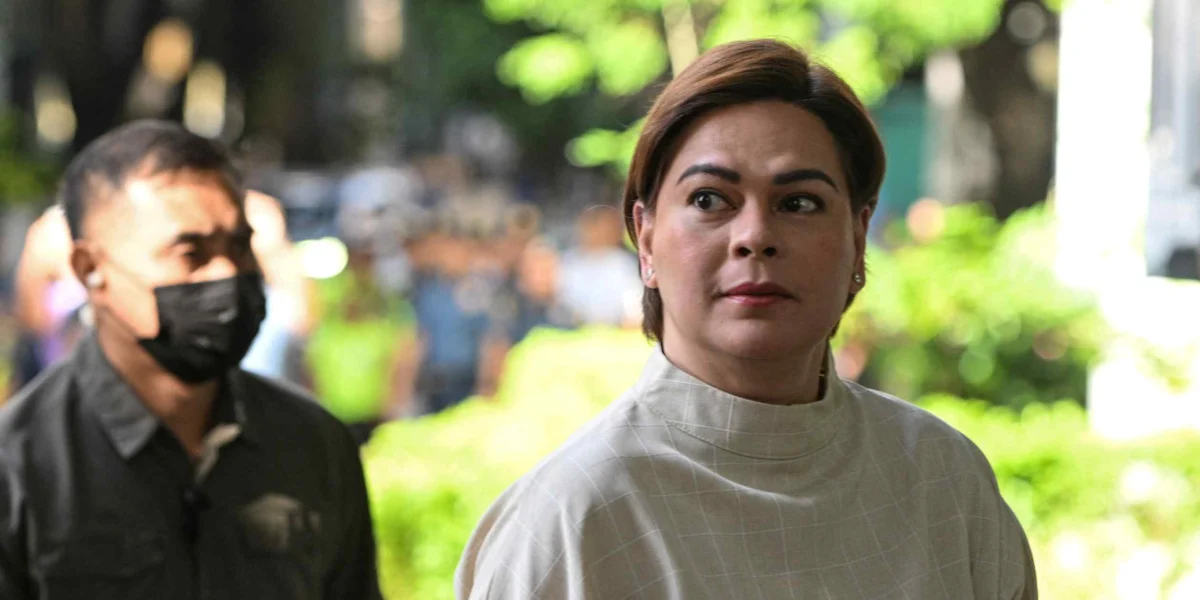
The political landscape of the Philippines is invariably shaped by the enduring influence of its prominent families, and the Duterte clan stands as a paramount example. With the nation’s next general election slated for 2028, the family’s continued ability to mobilize a substantial and dedicated voter base presents a significant factor in the unfolding political calculus. This is particularly pertinent as key members of the family navigate evolving roles and potential future ambitions, all while facing the persistent scrutiny that accompanies their considerable public profile.

The Duterte Legacy and Enduring Popularity
The political ascent of the Duterte family is a narrative deeply intertwined with the socio-economic and security concerns of the Philippines. Rodrigo Duterte, the former president, cultivated a powerful image as a decisive leader, resonating with a significant portion of the electorate who felt disenfranchised by traditional political elites. His anti-crime platform, characterized by a controversial war on drugs, while widely criticized internationally, garnered considerable domestic support. This appeal was rooted in a perception of decisive action and a promise to restore order and safety, sentiments that continue to hold sway among many Filipinos.
Following his presidency, Rodrigo Duterte has remained a potent political force, leveraging his established popularity to influence public discourse and support his allies. His daughter, Sara Duterte, currently serving as Vice President, has also carved out her own significant political identity. Her victory in the 2022 vice-presidential race, running on a platform that echoed some of her father’s populist appeal, underscored the continued strength of the Duterte name. This familial cohesion, coupled with distinct individual appeal, allows the clan to tap into a reservoir of loyalty that transcends individual candidates.

Data from various pre-election and post-election surveys consistently indicated high approval ratings for both Rodrigo and Sara Duterte during their respective tenures. For instance, in the lead-up to the 2022 elections, approval ratings for Rodrigo Duterte often hovered in the high 70s to low 80s, a testament to his enduring popularity. Sara Duterte’s own ratings as a potential presidential candidate also consistently placed her among the frontrunners, demonstrating her individual electoral viability. This bedrock of support is a formidable asset for any political movement seeking to influence the outcome of future elections.
Navigating the Political Arena: Key Figures and Evolving Roles
The political future of the Duterte family is intricately linked to the roles and ambitions of its key figures. Rodrigo Duterte, despite term limits preventing him from seeking the presidency again, continues to exert considerable influence as a senior statesman and a vocal commentator on national affairs. His pronouncements often shape public opinion and can rally his supporters behind specific political agendas or candidates. He has, at times, expressed dissatisfaction with the current administration, suggesting a willingness to remain an active participant in political debates.

Sara Duterte, as Vice President, holds a crucial position within the current government. Her performance and public image in this role will undoubtedly shape her future political trajectory. While the vice presidency is often seen as a stepping stone to the highest office, it also comes with the inherent challenges of navigating a complex political landscape and managing public expectations. Her ability to balance her father’s legacy with her own policy initiatives and leadership style will be critical.
Beyond Rodrigo and Sara, other members of the Duterte family have also held or currently hold elected positions, further solidifying the clan’s political presence at local and regional levels. This distributed political power ensures a sustained presence and a network of loyalists across various constituencies.

The 2028 Election: A Crucial Juncture
The 2028 general election represents a significant moment for the Duterte political machine. By this time, Rodrigo Duterte will have been out of the presidency for eight years, and Sara Duterte will have completed her first term as Vice President. The political climate may have shifted, and new challenges and opportunities will likely have emerged.
The Dutertes’ ability to draw on their loyal base will be tested by several factors:

- The Performance of the Current Administration: The success or failure of the incumbent administration, which Sara Duterte is part of, will inevitably impact the broader political sentiment and the perceived appeal of opposition figures, including potential Duterte-backed candidates.
- Emergence of New Political Forces: The Philippine political landscape is dynamic. New leaders, movements, or alliances could emerge, challenging the established dominance of political dynasties.
- Evolving Public Sentiment: Public priorities and concerns can shift over time. Issues that resonated strongly in previous elections may be supplanted by new pressing matters, requiring adaptability from any political force.
- Internal Family Dynamics: While the Duterte family has presented a united front, internal political considerations and differing ambitions could potentially influence their collective strategy.
Background Context: The Rise of Populism and Dynastic Politics
The rise of the Duterte family to national prominence is part of a broader trend of populist politics that has gained traction in many democracies worldwide. In the Philippines, this phenomenon is often intertwined with the country’s long history of dynastic politics. Political families have historically wielded significant influence, controlling local power bases and leveraging these for national campaigns.
Rodrigo Duterte’s appeal lay in his ability to connect with ordinary Filipinos who felt overlooked by traditional political structures. His campaign rhetoric often focused on issues of corruption, crime, and inequality, promising a break from the status quo. This resonated deeply with a population weary of perceived political stagnation and ineffective governance.

Sara Duterte’s political trajectory has benefited from this established base of support. However, she also faces the challenge of defining her own political identity and proving her capacity to lead the nation independently of her father’s shadow. Her performance as Vice President, including her handling of key portfolios and her engagement with pressing national issues, will be closely watched by both her supporters and detractors.
Supporting Data and Trends
Analyzing voting patterns and demographic data can provide further insight into the Duterte base. While specific demographic breakdowns of individual candidate support are often proprietary to polling firms, general trends indicate a strong appeal among:

- Working-class and lower-income voters: Rodrigo Duterte’s promises of decisive action and his focus on law and order resonated with segments of the population who felt most vulnerable to crime and social disorder.
- Voters in Mindanao: Rodrigo Duterte’s long political career as mayor of Davao City has fostered a deep connection with voters in his home region, which often exhibits strong loyalty to its political leaders.
- Younger voters: While not a monolithic bloc, younger generations of Filipinos have shown a susceptibility to populist messaging and strong personalities, often driven by social media influence. The Dutertes have adeptly utilized social media platforms to connect with this demographic.
Broader Impact and Implications
The continued influence of the Duterte family has significant implications for Philippine governance and its place in the international arena.
- Domestic Policy: A Duterte-aligned presidency or a significant presence in government could signal a continuation of certain policy approaches, particularly in areas of law enforcement and national security. It could also influence the pace and direction of economic development initiatives and social programs.
- Foreign Policy: The Duterte administrations, particularly under Rodrigo Duterte, pursued a foreign policy that sought to balance relations with major global powers, notably the United States and China. Future political leadership from the Duterte camp could continue this pragmatic approach, prioritizing national interests and seeking strategic autonomy.
- Democratic Institutions: The enduring strength of political dynasties like the Dutertes raises ongoing discussions about the nature of democratic representation in the Philippines. While dynastic politics are a reality, questions persist about whether they promote or hinder broader political participation and accountability.
Conclusion
As the Philippines gears up for the 2028 general elections, the Duterte family’s established political machinery and loyal voter base position them as a formidable force. Their ability to mobilize this support, coupled with the evolving political landscape and the performance of key family members, will be critical determinants of their influence in the coming years. The enduring appeal of the Duterte name, built on a foundation of populist rhetoric and decisive leadership, ensures their continued relevance in the complex and dynamic political narrative of the Philippines. The coming years will reveal the extent to which this legacy can translate into continued electoral success and shape the nation’s future direction.
