

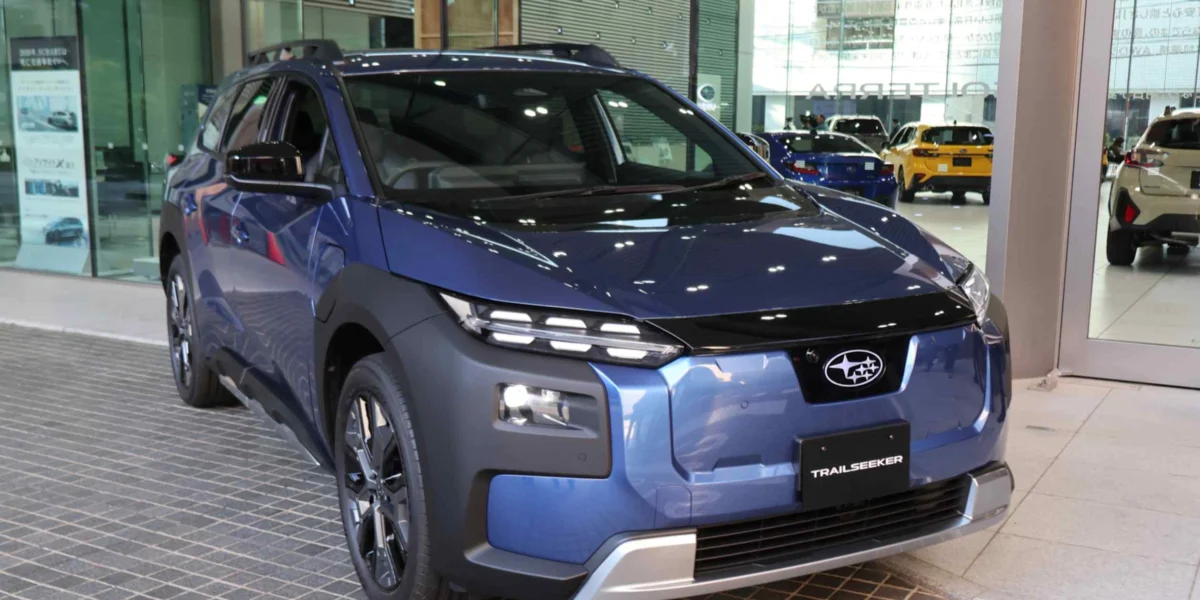
Subaru is poised to become the first Japanese automaker to exclusively offer electric vehicles (EVs) in a specific major market, with plans to wind down sales of gasoline-powered cars in Europe as early as 2028. This significant strategic pivot, confirmed by sources close to the company and reported by Nikkei, signals a bold commitment to electrification in the face of mounting regulatory pressures and evolving consumer preferences across the continent. The automaker will transition to a fully electric lineup in Europe as existing stocks of internal combustion engine (ICE) vehicles are depleted, a move that will necessitate a substantial reorientation of its production, supply chain, and market strategy.
A Decisive Shift Amidst European Regulatory Landscape
The decision by Subaru to accelerate its EV transition in Europe is intrinsically linked to the increasingly stringent environmental regulations being implemented across the European Union. The bloc has set ambitious targets for reducing greenhouse gas emissions from the automotive sector, including the effective ban on the sale of new gasoline and diesel cars from 2035. While Subaru’s timeline of 2028 predates this EU-wide mandate, it reflects a proactive approach to navigating the complex and rapidly changing regulatory environment. The increasing costs associated with complying with emission standards for ICE vehicles, coupled with significant investments required to develop and produce compliant powertrains, have made the transition to EVs a strategic imperative for many automakers.
For Subaru, a brand historically known for its Symmetrical All-Wheel Drive systems and robust, driver-focused vehicles, this represents a substantial departure from its established identity. The company has already introduced its first all-electric models, such as the Subaru Solterra, which it co-developed with Toyota. However, the European market is a critical, albeit smaller, sales region for Subaru compared to North America. The company’s global sales in 2023, for instance, saw North America account for approximately 70% of its total volume, while Europe represented a more modest but still significant portion. This makes the decision to go all-EV in Europe a calculated risk, demonstrating a strong conviction in the long-term viability of electric mobility.
Timeline of Transition and Production Implications
The proposed 2028 deadline suggests a phased withdrawal from gasoline models. This would likely involve ceasing the production of new ICE vehicles destined for the European market in the preceding years, allowing for the gradual depletion of existing inventory. The specific timing of the final gasoline vehicle sales will depend on factors such as production schedules, dealership stock levels, and consumer demand.
Subaru’s European production footprint is primarily based on imports from its manufacturing facilities in Japan. This means that the company will need to reallocate production capacity to prioritize EV models for the European market. This could involve increasing the output of existing EV models like the Solterra and potentially introducing new, Europe-specific EV platforms or variants. The supply chain will also undergo a significant transformation, with an increased emphasis on battery components, electric motors, and other EV-specific technologies. Managing the logistics of importing a predominantly electric lineup will require careful planning and potential partnerships with charging infrastructure providers and energy companies to support its customer base.
Supporting Data and Market Context
The global automotive industry is undeniably shifting towards electrification. According to the International Energy Agency (IEA), electric car sales more than doubled in 2022, reaching 10 million units, and continued their upward trajectory in 2023. In Europe, the market share of battery electric vehicles (BEVs) has been steadily increasing. In the first half of 2023, BEVs accounted for approximately 12% of new car registrations in the EU, a significant leap from previous years. This growing consumer acceptance, driven by a combination of environmental awareness, government incentives, and improving EV technology, creates a more favorable environment for automakers committed to electrification.
However, Subaru faces unique challenges in this transition. Unlike larger, more diversified automakers that can leverage economies of scale across multiple brands and platforms, Subaru’s relatively smaller production volume and specialized product offering mean that the investment in EV technology must be highly targeted. The company’s core strengths lie in its boxer engines and all-wheel-drive systems, which have defined its brand image for decades. The successful transition to EVs will require maintaining these core attributes – such as performance, safety, and capability – within an electric powertrain architecture.
Potential Reactions and Stakeholder Perspectives
While official statements from Subaru have not yet confirmed the 2028 timeline, industry analysts and observers are anticipating such a move. If confirmed, the decision would likely be met with a range of reactions.
From Environmental Advocates: This move would likely be lauded as a progressive step towards achieving climate goals and reducing air pollution in European cities. They would see it as a strong signal of commitment to sustainability and a positive influence on other automakers.
From Consumers: European consumers, particularly those in countries with strong environmental consciousness and robust EV charging infrastructure, might welcome the availability of more all-electric Subaru models. However, there could be concerns regarding the initial cost of EVs, charging accessibility, and the range anxiety associated with electric vehicles, especially for consumers in more rural areas where Subaru has traditionally held strong appeal. The brand’s loyal customer base, accustomed to the unique driving characteristics of gasoline-powered Subarus, may also require significant reassurance and education about the capabilities and benefits of their electric counterparts.
From Competitors: Other automakers operating in Europe, particularly those with established EV portfolios, might view Subaru’s aggressive timeline as both a challenge and a validation of the market’s direction. It could put pressure on them to accelerate their own EV strategies.
From Dealers and Employees: Subaru’s European dealerships would need to invest in new charging infrastructure, technician training for EV maintenance, and updated sales strategies. Employees would require reskilling to adapt to the new technological landscape. The company would likely offer support programs to facilitate this transition.
Broader Implications and Future Outlook
Subaru’s decision to go all-electric in Europe, if fully realized, carries significant implications for the company and the broader automotive industry:
- Brand Reinvention: This marks a critical juncture in Subaru’s brand identity. The company will need to effectively communicate how its core values of adventure, safety, and capability translate to the electric era. The success of its EV offerings will hinge on their ability to deliver the same level of driver engagement and reliability that has defined the Subaru marque.
- Technological Advancement: To compete effectively in the European EV market, Subaru will need to continue investing heavily in battery technology, charging solutions, and software integration. This might involve further collaborations with technology partners or even in-house development of key EV components.
- Global Strategy Alignment: While Europe is a distinct market, Subaru’s strategic decisions there will likely inform its approach in other regions. The experience gained in navigating the European regulatory and market landscape could shape its electrification plans for North America and other key markets.
- Supply Chain Resilience: The transition to EVs necessitates a robust and resilient supply chain for critical battery materials and components. Subaru will need to secure stable and ethical sourcing for these resources to ensure consistent production.
The move to an all-electric lineup in Europe by 2028 positions Subaru as a trailblazer among Japanese automakers. It is a bold declaration of its commitment to a sustainable future and a testament to the growing influence of environmental regulations on automotive product development. The coming years will be crucial for Subaru as it navigates this significant transformation, aiming to retain its loyal customer base while attracting a new generation of environmentally conscious drivers in the European market. The success of this ambitious plan will be closely watched as a barometer for the pace and direction of electrification within the global automotive industry.
