

China’s diesel exports surged by an astonishing 262.3 percent in September, reaching 1.85 million tons and marking the highest monthly volume in over three years. This dramatic increase is attributed to the relaxation of export restrictions on refined oil products, coinciding with a global tightening of supply. The shift underscores China’s evolving role in the international energy market and highlights the complex interplay of domestic policy, geopolitical events, and global demand.
Global Energy Market Dynamics and China’s Role
The surge in Chinese diesel exports comes at a time when the global energy landscape is facing significant headwinds. Geopolitical tensions, including the ongoing conflict in Iran and broader instability in the Middle East and Russia, have disrupted production and supply chains for crude oil and refined products. This has led to a worldwide scarcity of fuels like diesel, gasoline, and jet fuel, driving up prices and creating concerns about energy security for many nations.
China, a major refiner and consumer of oil products, initially implemented restrictions on its fuel exports in mid-March to ensure sufficient domestic supply amidst these global uncertainties. This strategic move was aimed at safeguarding its own energy needs in the face of potential disruptions. However, the subsequent easing of these restrictions in mid-July appears to have unleashed a significant volume of refined products into the international market.
A Closer Look at the September Surge
The customs data, released on a Sunday, revealed that China’s total refined oil product exports in September climbed by 39.4 percent year-on-year to reach 7.16 million tons. This figure also represents a substantial 19 percent increase compared to the previous month, indicating a rapid acceleration in export activity following the policy adjustment. The 1.85 million tons of diesel alone represent a significant portion of this overall growth, signaling a strong demand for this particular fuel in international markets.
Tracing the Policy Shift: From Restriction to Release
The narrative of China’s diesel exports is characterized by a distinct policy pivot. In the early part of the year, concerns over energy security, exacerbated by geopolitical risks and potential supply disruptions, led to the implementation of export quotas. This was a precautionary measure to bolster domestic reserves and ensure the stability of the Chinese market.

Timeline of Key Events:
- Mid-March: China imposes restrictions on the export of refined oil products, including diesel, gasoline, and jet fuel, to prioritize domestic supply.
- Mid-July: The Chinese government begins to relax these export restrictions, signaling a shift in its strategy regarding refined product exports.
- September: Data reveals a dramatic increase in diesel exports, reaching a three-year high, and a significant overall rise in refined oil product exports.
- January-September: Despite the recent surge, overall refined oil product exports for the first nine months of the year show a slight decline compared to the same period in the previous year.
The decision to ease export restrictions in July appears to have been a calculated response to several factors. Firstly, domestic demand may have stabilized or become more predictable, allowing refiners to offload surplus production. Secondly, the global demand for diesel, driven by economic activity and the disruptions mentioned earlier, likely presented an attractive opportunity for Chinese refiners to increase their international sales and generate revenue.
Broader Implications for the Global Oil Market
The surge in Chinese diesel exports has several noteworthy implications for the global oil market.
Impact on Global Diesel Supply
The influx of Chinese diesel into the international market can help alleviate some of the pressure on global diesel supplies. This could potentially lead to a moderation in price increases or even a slight decrease in diesel prices in importing regions, offering some relief to consumers and industries heavily reliant on this fuel. Countries in Asia, Europe, and other regions that typically import diesel from major refining hubs could see increased availability from Chinese sources.
China’s Growing Influence as an Exporter
This development further solidifies China’s position as a key player in the global refined products market. While historically known as a major consumer of crude oil, its refining capacity and export capabilities are becoming increasingly significant. This increased export capacity gives China greater leverage in shaping global energy trade flows and can influence regional supply dynamics.
Economic Drivers and Refiner Profitability
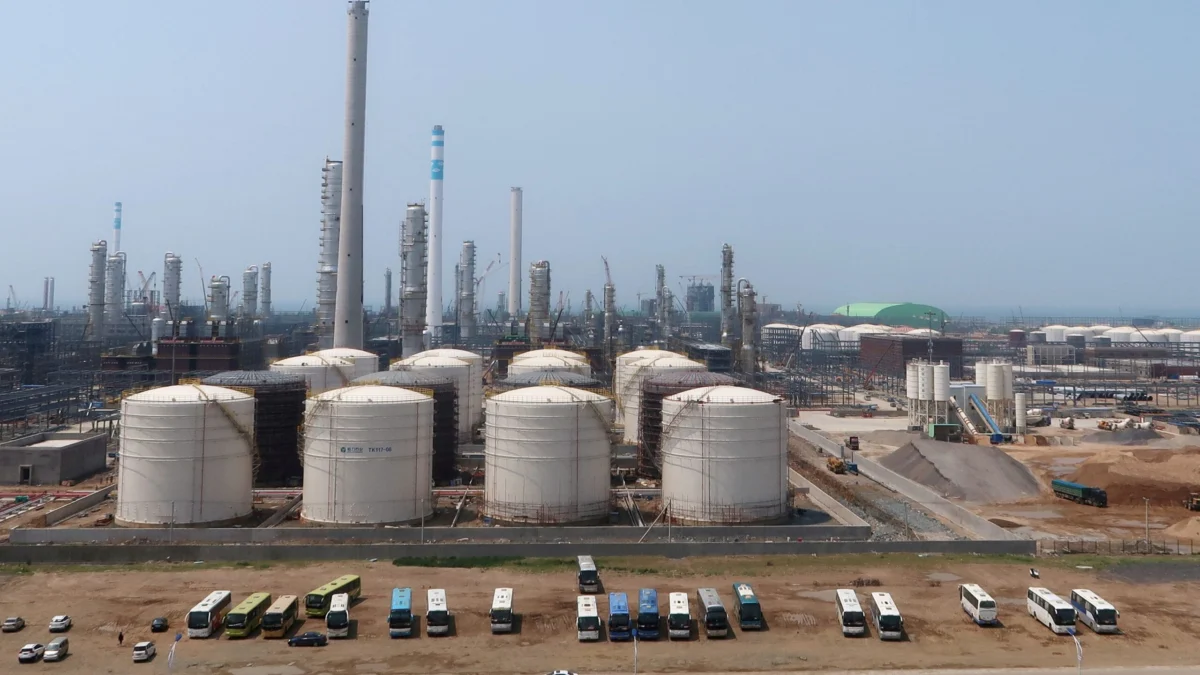
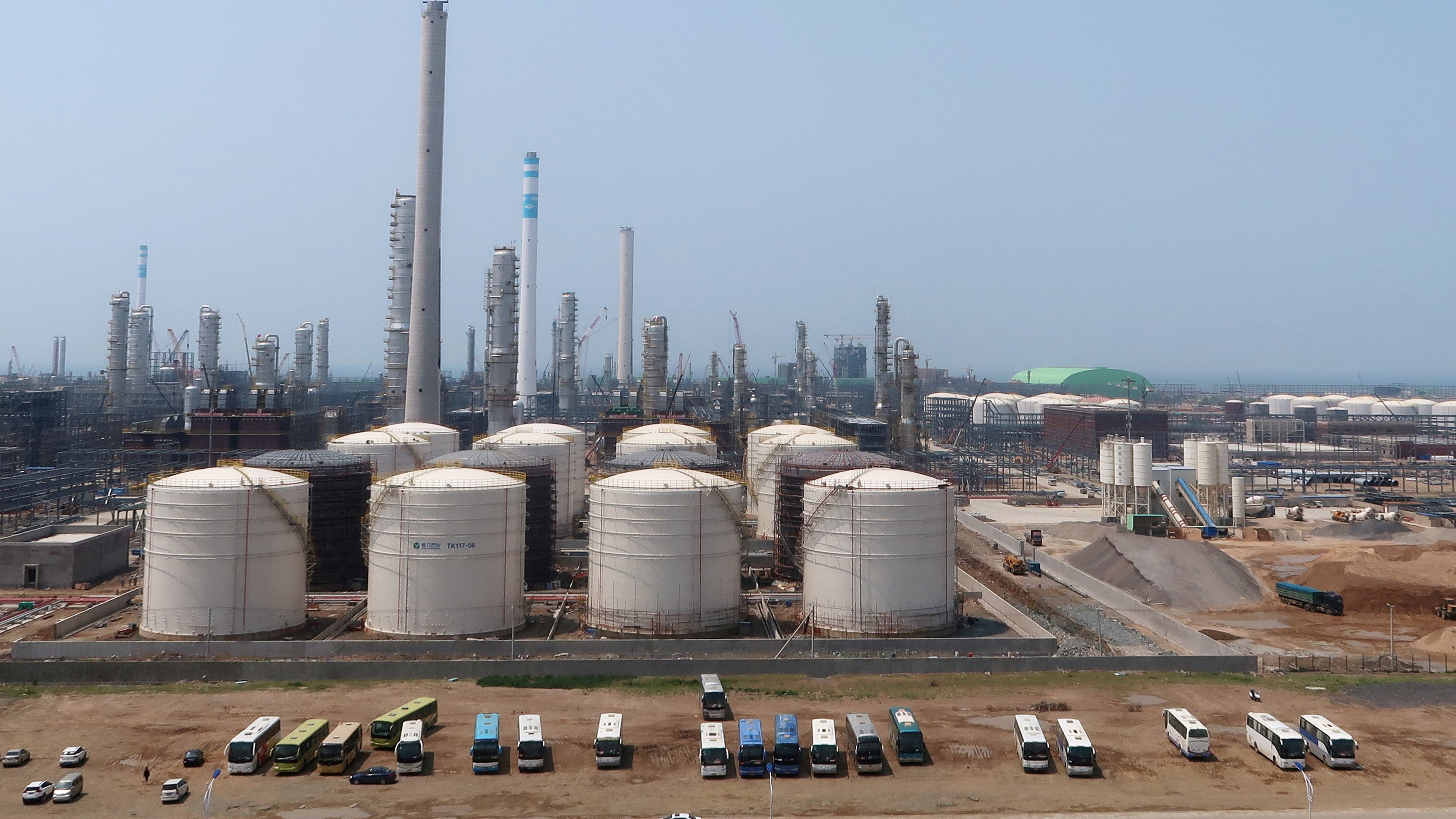
For Chinese refiners, the ability to export more diesel is likely a welcome development. With global diesel prices elevated, the profit margins for refiners have potentially improved. This allows them to maximize their operational capacity and potentially invest in upgrading their facilities. The Hengli Refinery, a prominent player in China’s refining sector, as depicted in the accompanying image, represents the scale of infrastructure involved in meeting both domestic and international demand.

Potential for Policy Shifts in Other Nations
The increased supply from China might also influence the export policies of other refining nations. As global supply becomes more balanced, other countries might reconsider their own export restrictions or incentives, further shaping the international trade landscape.
Analyzing the Year-to-Date Trends
While the September figures represent a remarkable surge, it’s important to consider the broader context of the year. For the first nine months of 2023, China’s total exports of refined oil products experienced a slight decline of 3.7 percent compared to the same period in the previous year, totaling 41.4 million tons. This indicates that the export restrictions imposed earlier in the year had a measurable impact on the overall annual export volume.
The sharp increase in September, therefore, can be seen as a recovery or a strategic effort to compensate for earlier export limitations, capitalizing on favorable international market conditions. The interplay between domestic energy security considerations and the pursuit of export revenue will likely continue to shape China’s oil product trade policies.

Official Statements and Market Reactions (Inferred)
While direct statements from Chinese officials specifically on the September export figures were not immediately available in the provided context, the policy shift itself suggests a pragmatic approach to energy market management. The initial restrictions were a clear signal of prioritizing domestic stability, while the subsequent relaxation indicates an ability to adapt to changing global dynamics and capitalize on market opportunities.
International market participants would undoubtedly be monitoring these developments closely. Energy traders, refiners in importing countries, and even oil-producing nations would be assessing the impact of increased Chinese diesel supply on global price benchmarks and trade flows. The move could lead to adjustments in sourcing strategies and inventory management for businesses worldwide.
Looking Ahead: China’s Evolving Energy Footprint
China’s significant increase in diesel exports signals a dynamic and evolving energy landscape. The country’s vast refining capacity, coupled with its ability to adjust export policies, positions it as a crucial factor in global energy markets. As geopolitical uncertainties persist and the demand for refined products remains robust, China’s role as a major exporter is likely to gain further prominence.

The coming months will be critical in observing whether this trend of increased exports continues and how it influences global energy prices and supply chains. The delicate balance between ensuring domestic energy security and leveraging international market opportunities will continue to define China’s strategy in the complex world of energy trade. The nation’s policy decisions, driven by both internal needs and external market conditions, will undoubtedly have a far-reaching impact on the global economy.
