

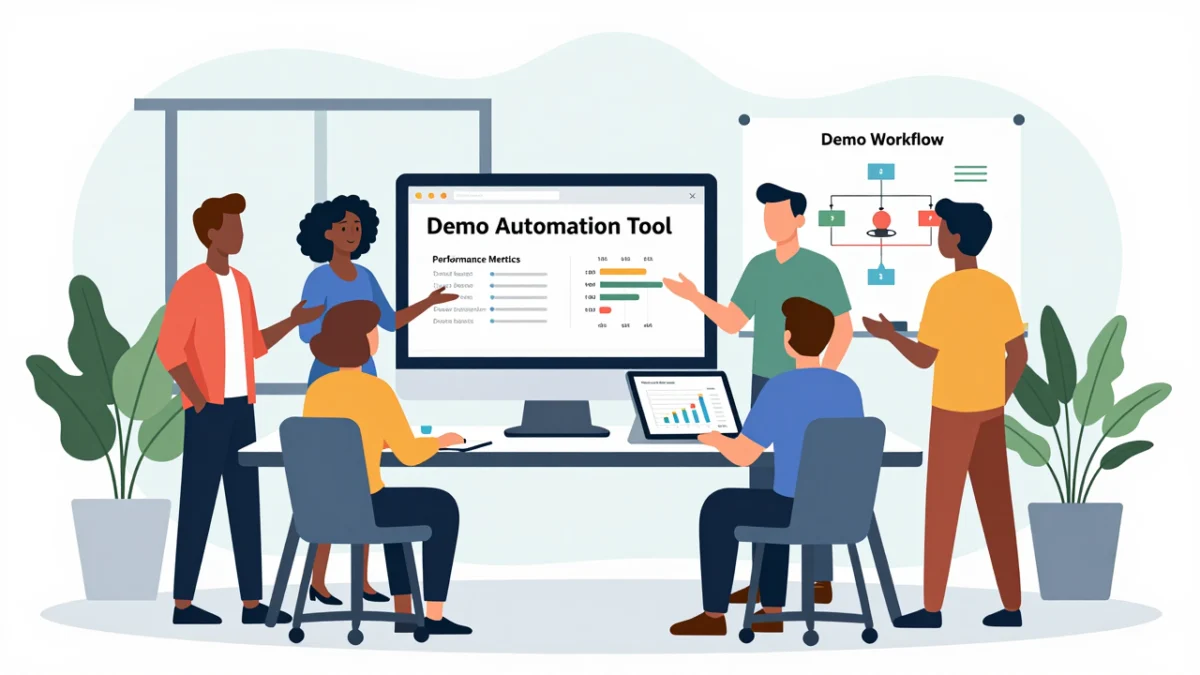
The global software-as-a-service (SaaS) landscape is currently undergoing a fundamental shift in how products are sold, moving away from traditional, high-friction sales cycles toward a more transparent, product-led approach. At the center of this transformation is the emergence of desktop demo automation software, a category of tools designed to create interactive, self-guided product experiences. By leveraging platforms such as Supademo and Storylane, sales and marketing teams are increasingly able to bypass the "demo lag"—the period between a prospect’s initial interest and their first live look at the software—thereby significantly increasing conversion rates and operational efficiency.
The Evolution of the Sales Demo: From Static to Interactive
For decades, the sales demo was a gatekept event. A prospect would fill out a form, wait for a discovery call with a Sales Development Representative (SDR), and finally, days or weeks later, receive a live walkthrough from an Account Executive (AE). However, modern buyer behavior has rendered this linear progression increasingly obsolete. According to recent industry benchmarks, today’s B2B buyers complete nearly 70% of their research before ever engaging with a sales representative. They demand "un-gated" access to the product’s value proposition.

The chronology of this evolution began with static PDF decks and screenshots, which lacked the depth required for complex software. This was followed by the "video era," popularized by tools like Loom, which allowed for personalized screen recordings. While effective, video remained a passive medium. The current era of demo automation introduces "interactive HTML capture." Unlike video, these tools capture the actual front-end code of an application, allowing prospects to click buttons, enter data, and navigate a simulated environment that looks and feels like the live product.
Data-Driven Results: The Impact on Win Rates and Cycle Times
The adoption of demo automation is driven by compelling performance metrics that highlight the inefficiency of traditional sales models. Market data indicates that when interactive demos are shared early in the sales process—specifically within the first 14 days of a deal being created—win rates can climb as high as 72%. This is a stark contrast to deals where the product remains a mystery until a formal meeting, where momentum often stalls.
Furthermore, the implementation of these tools has a measurable impact on the length of the sales cycle. On average, organizations utilizing automated desktop demos report a reduction in the sales cycle by approximately 19 days. This acceleration is attributed to two factors: the elimination of scheduling friction and the ability for prospects to build internal consensus by sharing interactive demos with other stakeholders. Instead of a single "champion" trying to explain a product to their boss, they can send a self-guided walkthrough that demonstrates value in minutes.

Key Features of Modern Demo Automation Platforms
As the market for these tools matures, several core features have become essential for enterprise-grade adoption. Selecting the right platform requires an understanding of how these technical capabilities align with specific business goals.
HTML Capture and Realistic Workflows
The most advanced tools, such as Storylane, focus on HTML capture. This technology allows the software to replicate the actual UI/UX of the application. The benefit is twofold: the demos are lightweight and load instantly, and they allow for "branching logic." For example, a demo can ask a user, "Are you a manager or an individual contributor?" and then guide them down a path tailored specifically to their role.
AI-Powered Editing and Agentic Features
The integration of Artificial Intelligence has drastically lowered the barrier to entry for creating high-quality demos. Modern platforms now feature AI assistants that can automatically generate voiceovers, write instructional tooltips, and even "clean" sensitive data from a screen capture to ensure privacy. "Agentic" features are the next frontier, where AI agents can autonomously navigate a desktop application to record a perfect workflow, reducing the manual labor required by sales enablement teams.

CRM Integration and Behavioral Analytics
A demo is only as valuable as the data it produces. Leading automation tools offer deep integrations with CRMs like Salesforce and HubSpot. When a prospect engages with a demo, the sales team receives real-time alerts detailing which features the prospect spent the most time on and where they dropped off. This "intent data" allows AEs to tailor their follow-up conversations to the prospect’s specific interests, turning a cold follow-up into a data-driven consultation.
Market Leaders: A Comparative Overview
The competitive landscape for demo automation is currently dominated by a few key players, each catering to different segments of the market.
- Supademo: Known for its ease of use and rapid deployment, Supademo has gained traction among small to mid-market teams. It utilizes AI to transform simple screen captures into polished, interactive guides. Its pricing model, which includes a free tier, has made it a popular choice for startups looking to implement product-led growth (PLG) strategies without a significant upfront investment.
- Storylane: Positioned more toward mid-market and enterprise SaaS companies, Storylane offers robust HTML capture and deep personalization variables. It allows teams to create "demo centers"—libraries of self-guided tours categorized by industry or use case. Its strength lies in its ability to handle complex, multi-page workflows that require a high degree of fidelity.
Strategic Implementation and Industry Reactions
Industry analysts and Revenue Operations (RevOps) professionals suggest that the success of demo automation depends heavily on strategic placement within the funnel. There are three primary use cases currently being deployed by high-growth companies:

- Top-of-Funnel (Marketing): Embedding an interactive "Tour the Product" button on the homepage to increase lead conversion.
- Middle-of-Funnel (Sales): Sending a personalized "leave-behind" demo after a discovery call to help the prospect socialize the tool internally.
- Post-Sale (Customer Success): Using automated demos for onboarding and training, reducing the burden on support teams by providing step-by-step interactive tutorials.
Statements from sales leaders indicate a growing consensus that these tools are not intended to replace human sales professionals but rather to elevate their role. By automating the "how-to" aspects of a product demonstration, sales reps can spend their limited live time focusing on high-level strategy, ROI calculations, and overcoming complex objections.
Security and Compliance Considerations
As with any tool that captures software interfaces, security is a paramount concern for IT departments. Data shared through these platforms must be handled with the same rigor as the live application itself. Modern demo automation vendors are responding by achieving SOC2 Type II compliance and offering features like password protection, expiration links, and "blurring" tools that redact Personal Identifiable Information (PII) during the capture process.
Furthermore, compliance with global data regulations such as GDPR and HIPAA is becoming a standard requirement. Organizations are encouraged to evaluate a tool’s encryption standards for both data in transit and at rest before integrating it into their sales tech stack.

Broader Implications for the Future of Work
The rise of desktop demo automation is a precursor to a broader trend: the "consumerization" of B2B sales. As the barrier between seeing a product and using a product continues to thin, the traditional sales role is evolving into that of a "product consultant."
Beyond sales, the implications for internal training and development are significant. Companies are increasingly using these tools to create internal "knowledge bases" where employees can learn new software systems through hands-on, automated simulations rather than reading lengthy manuals. This shift toward "learning by doing" is expected to improve software adoption rates across all departments.
In conclusion, the transition to automated, interactive demos represents a necessary response to a more sophisticated and impatient buyer. By reducing friction, providing actionable analytics, and allowing for massive scale in personalization, desktop demo automation is no longer a luxury for SaaS teams—it is a foundational component of a modern, efficient revenue engine. Organizations that fail to adopt these technologies risk being left behind in a market where the product is increasingly expected to speak for itself.
