

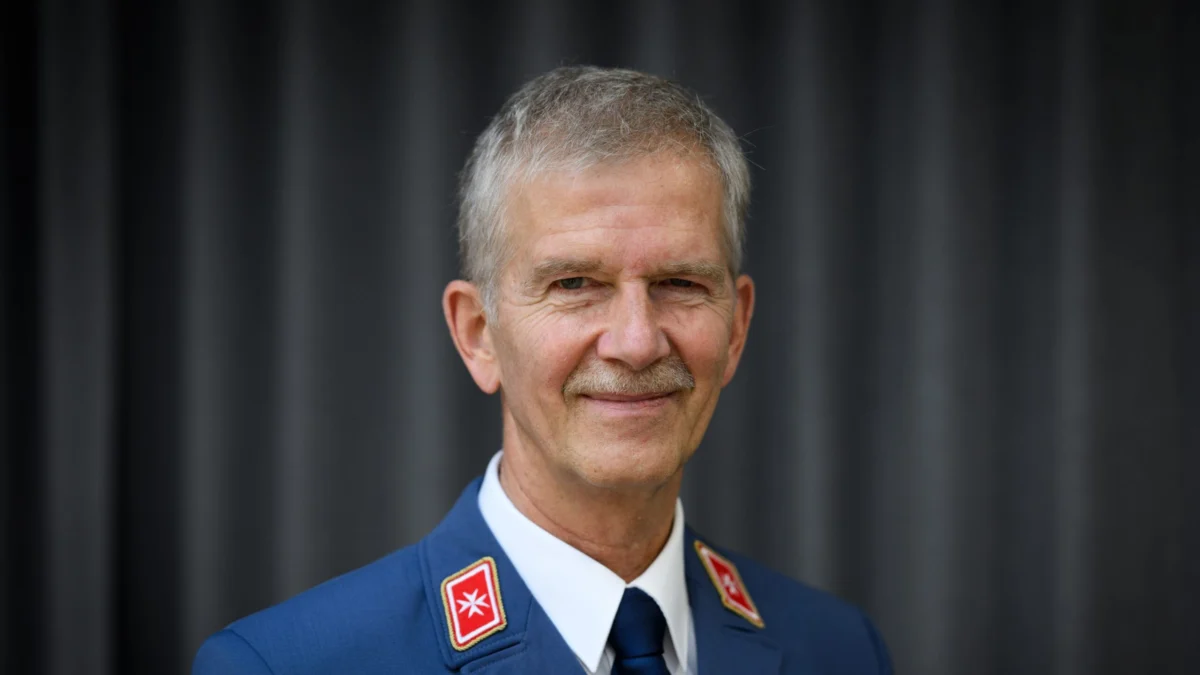
The nature of threats facing Germany has entered a "new quality," demanding a more proactive and comprehensive approach to emergency preparedness from both the government and its citizens. This urgent call comes from Martin Schelleis, retired Lieutenant General and current President of the Malteser Hilfsdienst e.V., who emphasizes that individual responsibility is paramount in ensuring the nation’s resilience against an increasingly complex landscape of potential crises. Schelleis’s stark assessment highlights the inadequacy of current preparedness levels, pointing to a critical gap between the potential risks and the public’s readiness.
Schelleis, who assumed leadership of the prominent Catholic aid organization in June 2026 after a distinguished 46-year career in the Bundeswehr, brings a unique perspective shaped by extensive experience in national security and crisis management. His tenure in the German armed forces, culminating in his role as a Lieutenant General, provided him with firsthand insight into the operational challenges of responding to large-scale emergencies. This background informs his current advocacy for a more robust civil defense posture, a subject he believes has been historically underserved in Germany.
The impetus for Schelleis’s strong stance is rooted in a perceived escalation of threats that extend beyond traditional natural disasters. He cites the chilling prospect of explosive-laden drones and widespread power outages (blackouts) as examples of emerging dangers that require immediate attention. These are not abstract scenarios but rather tangible possibilities that could severely disrupt societal functions, infrastructure, and the daily lives of millions. The integration of advanced, potentially asymmetric threats into the existing spectrum of risks, from extreme weather events to pandemics, necessitates a fundamental reassessment of Germany’s preparedness strategies.
The Stark Reality of German Preparedness
Schelleis’s observation that "only a quarter of Germans prepare for a disaster" paints a concerning picture of public engagement with emergency preparedness. This statistic suggests a significant reliance on state-provided services, such as the fire department, without commensurate individual initiative. His analogy of the fire department potentially arriving "at three in the morning" underscores the reality that in the initial hours of a severe crisis, self-sufficiency and community support will be crucial. The current low level of individual preparation implies that a substantial portion of the population would be ill-equipped to cope with immediate challenges, potentially overwhelming emergency services and exacerbating the impact of any given disaster.
The Malteser President’s concern is amplified by his direct experience managing the Bundeswehr’s support during critical national events. He was instrumental in coordinating military assistance during the COVID-19 pandemic and played a significant role in the response to the devastating flood catastrophe in 2021. These experiences have likely provided him with a clear understanding of the logistical complexities, resource limitations, and the critical importance of well-rehearsed emergency plans. The recurring need for military support in civilian crises further emphasizes the gaps in civilian preparedness that the Bundeswehr is often called upon to fill.
Evolving Threats and the Need for a New Paradigm
The phrase "new quality" of threat is a significant indicator of the changing global security environment. It suggests that existing defense and civil protection strategies may no longer be adequate. The rise of sophisticated drone technology, capable of carrying significant payloads, introduces a new dimension to potential attacks, moving beyond conventional warfare into the civilian realm. Similarly, the increasing vulnerability of critical infrastructure, particularly energy grids, to cyberattacks or physical sabotage, as demonstrated by various global incidents, presents a pervasive risk of widespread blackouts. Such events could have cascading effects, impacting communication, transportation, healthcare, and the economy.
The COVID-19 pandemic served as a stark, albeit different, reminder of how quickly normal life can be disrupted and the strain that widespread crises place on national resources and social cohesion. The 2021 flood disaster exposed vulnerabilities in regional and national disaster management, highlighting the need for better coordination, infrastructure resilience, and public awareness. Schelleis’s emphasis on individual preparedness is a direct response to these lessons, advocating for a "bottom-up" approach where citizens are empowered and equipped to be part of the solution, rather than solely recipients of aid.

The Role of the Malteser Hilfsdienst and Civil Society
As President of the Malteser Hilfsdienst, Schelleis leads an organization with a long-standing tradition of humanitarian aid and disaster response. The Malteser are involved in a wide range of services, including emergency medical services, disaster relief, social services, and international aid. Their extensive network of volunteers and trained personnel positions them as a crucial partner in any national preparedness strategy. Schelleis’s leadership at this juncture signals a renewed focus on strengthening these civil society capabilities.
The Malteser’s involvement in emergency preparedness extends to providing training and resources to the public. Initiatives such as offering guidance on creating emergency kits, developing family emergency plans, and raising awareness about potential risks are vital components of fostering a more resilient population. Schelleis’s personal example of maintaining an "80-liter backpack always packed at home" serves as a tangible illustration of this personal responsibility he advocates for. This preparedness kit, a significant capacity, likely includes essential supplies such as food, water, first-aid materials, communication devices, and relevant documents, enabling individuals to sustain themselves for a period without external assistance.

A Call for Government Action and Policy Reform
While Schelleis stresses individual responsibility, his statements also implicitly call for governmental leadership and policy adjustments. A comprehensive national strategy for emergency preparedness requires more than just public awareness campaigns. It necessitates investment in resilient infrastructure, the modernization of emergency response capabilities, and the development of clear protocols for inter-agency and civilian-military cooperation.
Key areas that likely require government attention include:

- Infrastructure Resilience: Strengthening critical infrastructure, such as power grids, communication networks, and water supply systems, against physical and cyber threats. This could involve investing in redundant systems, advanced security measures, and decentralized energy solutions.
- Emergency Services Modernization: Ensuring that fire departments, police, medical services, and civil protection agencies are adequately funded, equipped, and trained to handle a diverse range of crises. This includes investing in advanced technology and maintaining sufficient personnel levels.
- Public Education and Training: Developing nationwide, standardized programs for emergency preparedness education in schools and for the general public. This could be integrated into existing civic education curricula or offered through community outreach programs.
- Stockpiling and Resource Management: Maintaining strategic reserves of essential goods, such as food, water, medical supplies, and energy resources, to buffer against supply chain disruptions. Effective logistical planning for the distribution of these resources during emergencies is also critical.
- Legal and Regulatory Frameworks: Reviewing and updating existing laws and regulations to ensure they are adequate for managing complex, multi-faceted crises, including provisions for inter-agency cooperation and the deployment of national resources.
- International Cooperation: Strengthening partnerships with neighboring countries and international organizations to share best practices, coordinate responses to cross-border emergencies, and ensure mutual support.
Analyzing the Broader Impact and Implications
The implications of Germany’s current state of preparedness, or lack thereof, are far-reaching. A poorly prepared populace and infrastructure are more vulnerable to the immediate and long-term consequences of crises. These consequences can include:
- Economic Disruption: Disasters can lead to significant economic losses through damage to property, disruption of supply chains, and loss of productivity. A lack of preparedness can prolong recovery periods and increase the overall cost of rebuilding.
- Social Instability: Widespread panic, resource scarcity, and prolonged disruption can strain social cohesion and potentially lead to unrest. Effective preparedness builds trust and confidence in the ability of authorities and communities to manage challenges.
- Humanitarian Crisis: Inadequate preparedness for events like blackouts or widespread contamination can result in significant hardship, loss of life, and a humanitarian crisis that overwhelms healthcare systems and aid organizations.
- Geopolitical Vulnerability: A nation perceived as unprepared for internal crises may be seen as less stable and potentially more vulnerable to external pressures or exploitation.
Schelleis’s message is a clarion call for a cultural shift in Germany regarding emergency preparedness. It is not merely about having a well-stocked pantry or a first-aid kit; it is about fostering a mindset of resilience, self-reliance, and community responsibility. The "new quality" of threats demands a new quality of response, one that begins with each individual and extends to a fully integrated, robust national strategy. The time for complacency is over; the future security and well-being of Germany depend on it.
