

The landscape of regional sports broadcasting in the United States is undergoing a significant transformation, with two of the most prominent independently owned networks, YES Network and MSG Networks, set to transition their direct-to-consumer (DTC) streaming offerings to DAZN. This pivotal move marks a strategic re-alignment for the networks that serve millions of fans of iconic New York sports franchises, including Major League Baseball’s (MLB) New York Yankees and the National Basketball Association’s (NBA) New York Knicks. The agreement, which will see these top-tier regional sports networks (RSNs) consolidate their digital presence under the global streaming service DAZN, underscores the accelerating shift in how sports content is delivered and consumed in the digital age.
The migration of these highly sought-after local game broadcasts to DAZN is slated to occur during the 2026-2027 NBA and National Hockey League (NHL) seasons. While New York Yankees fans will still be able to complete the current MLB season accessing content through the existing Gotham Sports app, this transition signals the impending dissolution of the joint venture that powered Gotham, an app launched roughly two years ago with ambitions to provide a unified streaming hub for New York-area sports. Beyond the Yankees and Knicks, the YES Network also holds broadcast rights for the NBA’s Brooklyn Nets, while MSG Networks delivers games for the NHL’s New York Rangers, Islanders, Buffalo Sabres, and New Jersey Devils, encompassing a vast array of regional sports content.
The End of Gotham Sports: A Brief Experiment in Consolidation
The decision to exit the Gotham Sports app, a joint venture between YES and MSG, comes after a relatively short operational period. Launched in 2024, the Gotham app was an attempt to consolidate the individual direct-to-consumer streaming services that both YES and MSG had independently introduced in 2023. At the time of its formation, the Gotham app represented a forward-thinking strategy by two of the nation’s most successful RSNs to directly address the growing number of cord-cutters and cord-nevers. It aimed to provide a streamlined, subscription-based platform for fans who no longer relied on traditional pay television bundles. While specific reasons for its relatively swift dissolution in favor of the DAZN partnership have not been extensively detailed, it is plausible that factors such as subscriber acquisition costs, technological infrastructure overhead, marketing challenges, and the complexities of managing a standalone streaming platform for regional content played a role. The reported annual subscription plans for the Gotham sports app, which started at approximately $209.99 per year, also highlight the premium cost associated with dedicated regional sports streaming outside of traditional bundles. The move to DAZN suggests that YES and MSG may have found a more robust and cost-effective solution in partnering with an established global player with significant scale and infrastructure.
Navigating the Turbulent Waters of Regional Sports Networks
This strategic shift by YES and MSG Networks is not an isolated event but rather a symptom of the profound pressures currently reshaping the regional sports network model across the United States. The RSN landscape has been grappling with a confluence of challenges, primarily driven by the seismic shift in consumer behavior away from traditional linear television. The most prominent headwind is the accelerating phenomenon of "cord-cutting," where millions of households are cancelling their cable or satellite subscriptions annually in favor of streaming alternatives. According to recent industry reports, the number of U.S. households subscribing to traditional pay TV has plummeted from a peak of over 100 million in 2010 to approximately 65 million by 2023, with projections indicating further declines. This exodus directly impacts RSNs, whose business model heavily relies on subscriber fees collected from cable and satellite providers for inclusion in their channel bundles.
The economic strain has been particularly acute for many RSNs, leading to significant financial turmoil across the industry. A stark illustration of this crisis is the bankruptcy and eventual shutdown of Main Street Sports, formerly a major owner of a portfolio of networks broadcasting MLB, NBA, and NHL teams. Main Street Sports (which operated under various names, including Diamond Sports Group) filed for bankruptcy in 2024 and officially wound down operations in the spring of 2026, leaving numerous teams scrambling to find new broadcast partners for their local games. This situation exposed the vulnerabilities of an RSN model built on escalating rights fees paid to teams, which became unsustainable as subscriber numbers dwindled and carriage disputes with distributors intensified. Many teams faced the prospect of not receiving guaranteed payments, forcing them to explore direct-to-consumer options or partner with national streaming entities.
While YES Network and MSG Networks have not been directly embroiled in the bankruptcy-related turmoil that plagued entities like Main Street Sports, their independently owned status has not rendered them immune to the broader industry headwinds. MSG Networks is owned by James Dolan, who also owns the Knicks and Rangers, providing a degree of vertical integration and stability. Similarly, YES Network is owned by a consortium that includes the New York Yankees, Amazon, Sinclair Broadcast Group, and RedBird Capital Partners. Despite their strong ratings and the immense popularity of the teams they cover, both networks have felt the impact of cord-cutting. Evidence of this pressure includes MSG Networks experiencing a temporary blackout in 2025 with cable TV provider Optimum, a significant player in the New York market. YES Network also narrowly avoided a similar carriage dispute with Comcast, another major distributor, in 2026, a situation that CNBC Sport previously reported. These incidents highlight the precarious nature of carriage agreements and the increasing leverage of distributors in a shrinking pay TV ecosystem, forcing RSNs to seek alternative revenue streams and distribution models.
DAZN’s Strategic Play: A Global Player Eyes U.S. Dominance
The entry of DAZN as the new streaming home for YES and MSG Networks is a testament to the global streaming service’s aggressive strategy to solidify its presence and market share in the competitive U.S. sports broadcasting landscape. DAZN, which originated in the UK and launched in 2016, has rapidly expanded its global footprint, establishing itself as a leading international sports streaming platform. Known for its extensive portfolio of combat sports (boxing, MMA), European football (soccer), and other international sports, DAZN has made no secret of its ambition to become a major player in the lucrative American sports market.
The acquisition of streaming rights for premier New York sports teams aligns perfectly with DAZN’s stated goals. Last year, DAZN served as the streaming home for the FIFA Club World Cup in the U.S., demonstrating its capacity to handle large-scale, high-demand live sports events. Moreover, a DAZN executive publicly confirmed the company’s pursuit of the centralized digital rights for NBA teams previously held by Main Street Sports, indicating a clear strategy to capitalize on the RSN shakeout. DAZN’s appeal as a partner for networks like YES and MSG stems from several factors: its established technological infrastructure, its experience in managing diverse sports content across multiple territories, and its financial backing, which puts it in a relatively strong position to acquire valuable sports rights amidst industry consolidation. By integrating the local broadcasts of the Yankees, Knicks, Nets, Rangers, Islanders, Sabres, and Devils, DAZN significantly enhances its offering to U.S. subscribers, moving beyond its niche in combat sports and international football to include highly popular domestic leagues. This move positions DAZN as a more comprehensive sports streaming destination, capable of attracting a broader subscriber base in the United States.
Implications for the Fans: Access, Pricing, and the Evolving Viewer Experience
For the millions of dedicated fans of New York sports, this transition to DAZN brings both continuity and change. A crucial detail of the agreement is that pay TV bundle customers who currently receive access to YES or MSG Networks through their cable or satellite provider will be able to stream those games on DAZN for free. This arrangement aims to preserve value for existing linear TV subscribers while offering them the flexibility of a modern streaming interface, effectively creating a "TV Everywhere" experience through DAZN.
However, for cord-cutters and those who never subscribed to traditional pay TV, the specifics of accessing these games directly through DAZN without a cable subscription remain a key question. Pricing details for the New York-area teams on DAZN have not yet been released. This uncertainty follows the Gotham Sports app’s pricing model, which offered annual subscriptions starting at approximately $209.99. It is anticipated that DAZN will introduce various subscription plans, potentially including a standalone regional sports package or integrating these rights into broader sports bundles. The pricing strategy will be critical in determining accessibility and affordability for a demographic that has actively sought alternatives to expensive cable packages.
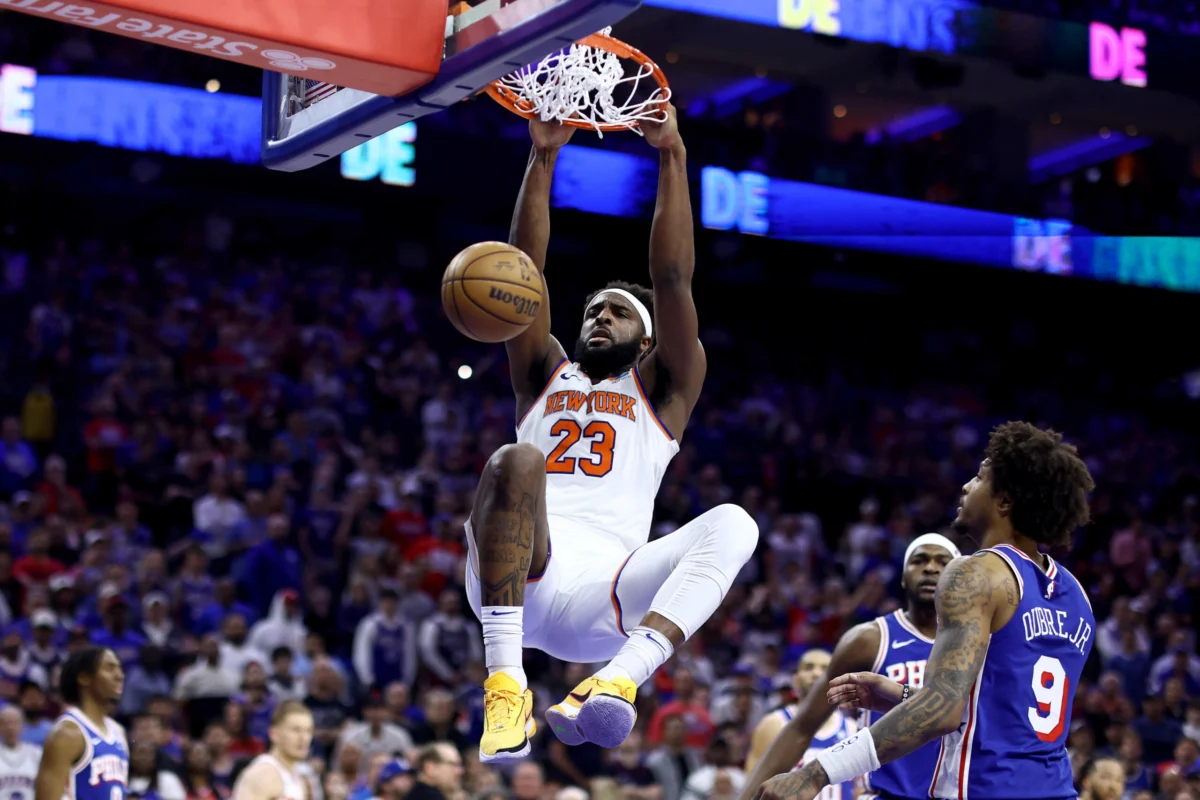
The move also adds another chapter to what has been a somewhat circuitous journey for New York sports fans seeking digital access to their teams. As noted, YES and MSG each launched their own individual streaming applications in 2023, only to combine forces into the Gotham app in 2024, and now, a mere two years later, are transitioning to DAZN. This sequence of switches could lead to some fan fatigue or confusion, requiring clear communication from the networks and DAZN to guide subscribers through the migration process. On the positive side, consolidation on a single, robust platform like DAZN could eventually lead to a more streamlined and reliable viewing experience, potentially with enhanced features and a broader array of sports content. The sight of Mitchell Robinson of the New York Knicks dunking during a playoff game, a common spectacle for Knicks fans, will soon be viewed through a new digital portal, marking a tangible change in how these moments are consumed.
Industry Analysis: A Glimpse into the Future of Local Sports Broadcasts
The partnership between YES, MSG, and DAZN carries significant implications for the broader sports media industry, particularly for the future of regional sports broadcasting. This deal could be a bellwether, signaling a potential trend where other independent RSNs, or those emerging from the recent bankruptcies, might seek similar partnerships with established global streaming entities. The move towards a hybrid model, where linear TV distribution coexists with robust, globally-backed direct-to-consumer streaming, appears to be gaining traction as a sustainable path forward for RSNs.
The consolidation of streaming rights under platforms like DAZN, Amazon Prime Video (which has also acquired local sports rights), and potentially others, suggests a future where fans might access a wider array of local and national sports content through fewer, larger streaming providers. This trend could lead to increased competition among these platforms to acquire premium sports content, potentially driving up rights fees for teams in the long run, even as the RSN model faces fundamental challenges. For DAZN, this deal is a monumental step in its ambition to challenge established players like ESPN+ and new entrants like Apple TV+ in the highly competitive U.S. sports streaming market. By securing exclusive regional rights to some of the most popular teams in the largest media market, DAZN gains a significant subscriber acquisition tool and enhances its brand visibility among mainstream American sports fans.
Chronology of Shifts and Challenges in New York Sports Media
The path to the DAZN partnership has been marked by several key developments and challenges in the New York sports media landscape:
- March 2023: Both YES Network and MSG Networks separately announce the launch of their individual direct-to-consumer streaming services, signaling an initial move to cater to cord-cutters.
- Early 2024: YES and MSG Networks form a joint venture to launch the Gotham Sports app, consolidating their individual DTC offerings into a single platform for New York-area sports.
- May 2, 2024: An image captures Mitchell Robinson of the New York Knicks dunking during Game Six of the Eastern Conference First Round Playoffs at the Wells Fargo Center in Philadelphia, Pennsylvania, a moment indicative of the live game action that will eventually transition to DAZN.
- August 2024 (approximate): Reports emerge detailing the plan for YES Network and MSG Networks to exit their joint venture, the Gotham Sports app, and move their direct-to-consumer streaming offerings to DAZN.
- 2025: MSG Networks experiences a temporary blackout with cable TV provider Optimum, highlighting the ongoing pressures of carriage disputes in the traditional pay TV ecosystem.
- April 2026: Main Street Sports (Diamond Sports Group), a major owner of regional sports networks across the U.S., officially winds down operations following bankruptcy proceedings, underscoring the severe financial crisis facing many RSNs. Around the same time, YES Network reportedly came close to a similar carriage dispute with Comcast, further illustrating the industry’s vulnerability.
- 2026-2027 NBA and NHL Seasons: The planned migration of YES Network and MSG Networks’ direct-to-consumer streaming content to DAZN is set to commence, marking the official start of a new era for New York sports fans.
Concluding Thoughts: A New Era Dawns
The move of YES Network and MSG Networks to DAZN represents more than just a change in streaming platforms; it embodies a critical juncture in the evolution of sports media. It is a strategic adaptation by two powerful regional networks to the undeniable forces of cord-cutting and the rise of global streaming giants. For fans, it promises a new viewing experience, potentially offering greater flexibility, though with lingering questions about pricing. For the industry, it underscores the ongoing consolidation and the emergence of hybrid distribution models that blend traditional linear broadcasts with sophisticated digital platforms. As the 2026-2027 seasons approach, the eyes of the sports media world will be on this partnership, observing whether this bold move by YES, MSG, and DAZN paves a sustainable and successful path for the future of regional sports broadcasting.
