

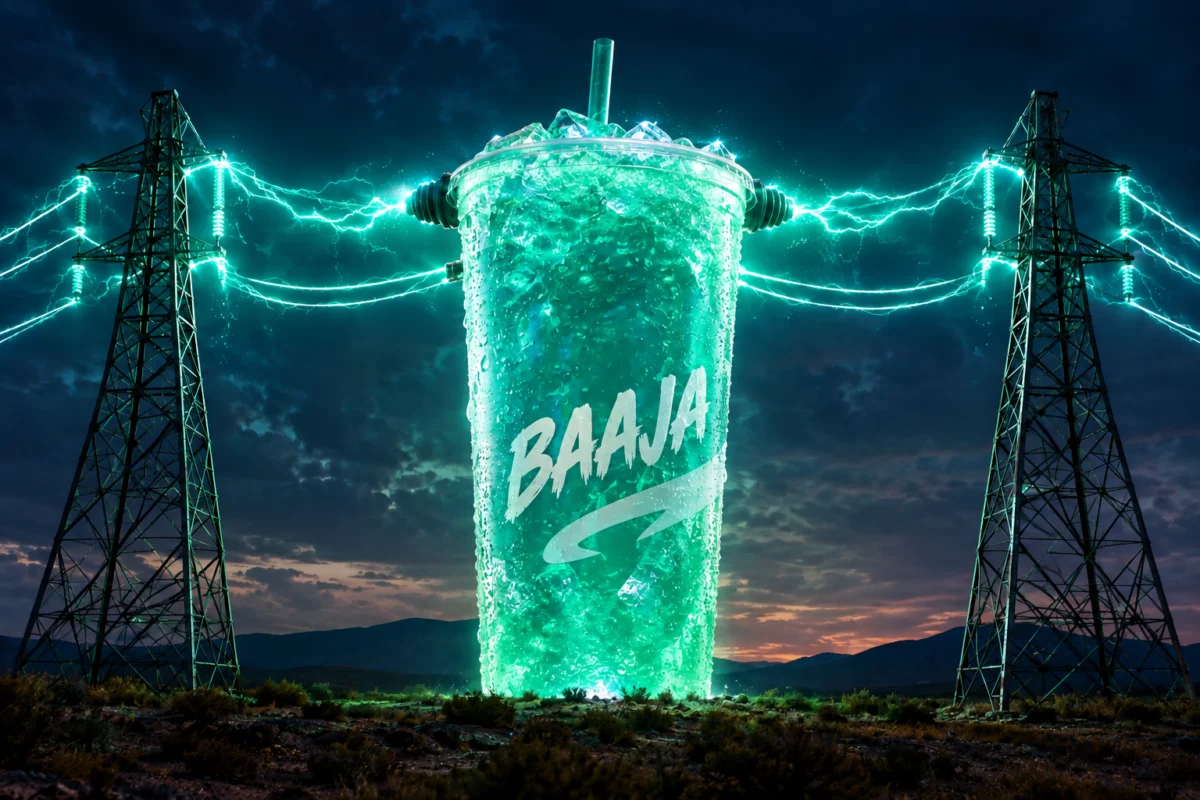
The introduction of the Bipartisan American Affordability and Jobs Act (BAAJA) of 2026 represents a watershed moment in United States energy policy, signaling a comprehensive shift in how the nation plans, permits, and constructs its electrical infrastructure. Comprising 417 pages of legislative text, the bill aims to address the systemic bottlenecks that have historically delayed critical energy projects for decades. As electricity demand reaches unprecedented levels driven by the proliferation of data centers and the electrification of the broader economy, the BAAJA seeks to modernize the regulatory framework to ensure reliability and affordability. The legislation, introduced by a bipartisan coalition including Senators Martin Heinrich (D-NM), Mike Lee (R-UT), Shelley Moore Capito (R-WV), and Sheldon Whitehouse (D-RI), arrives at a time when the domestic energy sector is seeing a flurry of project completions and significant capital infusions across Texas, Delaware, and New Mexico.
A New Era for Federal Energy Regulation and Permitting
At the core of the BAAJA is a fundamental restructuring of the Federal Energy Regulatory Commission’s (FERC) role in transmission siting and planning. For years, the "Current Way of Doing Things" has relied on a fragmented, state-by-state approval process that often stymies interregional transmission projects—the high-voltage lines necessary to move renewable energy from remote areas to urban load centers. The BAAJA mandates that regions coordinate their planning efforts. If these regions identify shared high-voltage lines as beneficial, the projects will receive expedited federal treatment. Crucially, the bill empowers FERC to step in should state-level interventions threaten to derail projects of national significance.
Furthermore, the act addresses the "white whale" of the energy industry: cost allocation. By establishing a common method for determining how the costs of new transmission lines are shared among states and utilities, the bill aims to resolve the legal and financial disputes that have stalled grid expansion for a generation. The legislation also introduces reforms to the National Environmental Policy Act (NEPA), setting strict timelines for environmental reviews to prevent projects from languishing in "litigation limbo."

Senator Mike Lee emphasized the historical context of these reforms, noting that iconic American infrastructure like the Hoover Dam and the Golden Gate Bridge were built in a fraction of the time it currently takes to approve a single interstate transmission line. The goal of the BAAJA is to return to that level of efficiency without compromising environmental integrity or community protections.
Addressing the Data Center Power Surge
One of the most modern aspects of the BAAJA is its specific focus on data centers. As artificial intelligence and cloud computing drive a massive spike in electricity demand, the bill establishes special cost-allocation rules to ensure that these large-scale consumers contribute fairly to the grid upgrades they necessitate. Senator Heinrich noted that the bill is designed to protect American families from subsidizing the infrastructure required by massive tech corporations. By shifting these costs to the developers and operators of data centers, the legislation seeks to maintain ratepayer protections while facilitating the digital economy’s growth.
Beyond cost allocation, the bill incentivizes the deployment of Grid-Enhancing Technologies (GETs). These technologies, which include advanced power flow control and dynamic line ratings, allow existing transmission lines to carry more electricity, providing a near-term solution to grid congestion while larger projects remain under construction.
Texas Milestone: Completion of the Three W Solar Facility
As the legislative debate continues in Washington, the physical expansion of the U.S. energy grid continues at the state level. In Texas, the global engineering and construction firm Black & Veatch recently announced the completion of Three W Solar, a 150 MWdc (110 MWac) utility-scale generation facility. Developed for Mitsui & Co., the project is located on 875 acres near Hillsboro, within the Electric Reliability Council of Texas (ERCOT) territory.

Three W Solar represents a significant entry into the U.S. market for Mitsui & Co., marking its first wholly-owned utility-scale solar operation in the country. The facility is capable of powering approximately 45,000 homes, providing much-needed capacity to the Texas grid, which has faced scrutiny regarding its resilience during extreme weather events. The project achieved substantial completion following rigorous testing and final approval from ERCOT, allowing for the formal transition to operations and maintenance.
Mitsui’s expansion in Texas is part of a broader global strategy; the company now manages an energy portfolio exceeding 3.2 gigawatts (GW). While Mitsui has previously operated in the U.S. through its subsidiary Forefront Power, the Three W project signals a shift toward larger, utility-scale investments intended to meet long-term energy demands in high-growth regions.
Delaware’s Community Solar Expansion and Social Investment
In the Mid-Atlantic, the community solar model is seeing similar momentum. TurningPoint Energy (TPE) and Nautilus Solar Energy have reached a milestone in their 30 MWdc Delaware portfolio with the ribbon-cutting of a 2.1 MWac facility in Georgetown. This project is the third to come online in a six-project slate that represents one of the largest community solar investments in the state’s history.
The Georgetown facility consists of more than 5,600 solar panels and is expected to generate 5.6 million kilowatt-hours (kWh) of electricity annually. What distinguishes this project is its focus on equity; it is fully subscribed to 560 residential customers, including 121 low-income households enrolled through Delaware’s specialized solar program. This ensures that the benefits of renewable energy—specifically lower monthly utility bills—are accessible to residents who may not have the ability to install private rooftop systems.

The economic impact of the portfolio extends beyond electricity generation. TPE and Nautilus have committed $240,000 to local non-profit organizations, including the Boys & Girls Clubs of Delaware and Springboard Delaware. This integrated approach to development, which combines infrastructure investment with community support, is becoming a hallmark of the "just transition" in the energy sector.
Capital Influx: Lydian Energy’s $300 Million Credit Facility
The scaling of these renewable projects requires sophisticated financing structures. Lydian Energy, an independent infrastructure firm based in Washington, D.C., recently secured a $300 million holding company credit facility from the asset management firm Infranity. This capital infusion is earmarked for the development and operation of a 6 GW pipeline of solar and battery energy storage systems (BESS).
Lydian, backed by Excelsior Energy Capital, intends to use the facility to transition projects from the development stage into active construction while retaining long-term ownership of the assets. The ability to leverage existing operational projects, such as the 200 MW Pintail BESS in Texas, allows the company to capitalize on the rising demand for grid stabilization services. As more intermittent renewable energy enters the grid, large-scale battery storage becomes essential for maintaining frequency and providing power during peak demand periods when solar and wind generation may be low.
Ørsted Initiates First New Mexico Solar Project
Further West, the global energy leader Ørsted has broken ground on Blackwater Solar, a 200 MW facility in Roosevelt County, New Mexico. This marks Ørsted’s first venture into the state and a significant expansion of its onshore portfolio in the Southwest Power Pool (SPP) territory.

Blackwater Solar is notable for its commitment to domestic manufacturing, utilizing solar panels sourced from First Solar, a leading U.S.-based manufacturer. The project is expected to be operational by late 2027 and will provide significant fiscal benefits to the local community, including an estimated $18 million in property tax revenue over its lifespan.
In addition to energy production, Ørsted has integrated environmental stewardship into the project’s development. The company has partnered with Playa Lakes Joint Venture to provide $100,000 for the restoration of an 8.8-acre playa wetland. Playas are critical ecological features in New Mexico, serving as primary recharge points for the Ogallala Aquifer and providing habitat for local wildlife. This dual focus on renewable energy and conservation reflects an evolving industry standard where developers must address local ecological concerns to secure social license for large-scale projects.
Legislative Outlook and Industrial Implications
The BAAJA is not without its detractors. Some environmental advocacy groups have expressed concern that the expedited permitting processes could weaken protections for local communities and bypass thorough ecological assessments. Conversely, some industry players argue that the bill does not go far enough in curbing the "not-in-my-backyard" (NIMBY) sentiments that often block transmission lines at the local level.
Despite these tensions, the bill maintains strong bipartisan support. Republican Senator Mike Lee and Democratic Senator Martin Heinrich have both expressed confidence that the legislation will be a priority during the upcoming lame-duck session in November. The backing of major business coalitions and some environmental organizations suggests a rare consensus on the need for structural reform.

The implications of the BAAJA, combined with the project milestones seen in Texas, Delaware, and New Mexico, point toward a period of accelerated growth for the American energy sector. If passed, the act will provide the regulatory certainty required for investors to commit the trillions of dollars needed to modernize the U.S. grid. By streamlining the path from conception to interconnection, the BAAJA aims to ensure that the "BAAJA blast" of new energy capacity can effectively meet the nation’s thirst for reliable, affordable, and sustainable power.
