

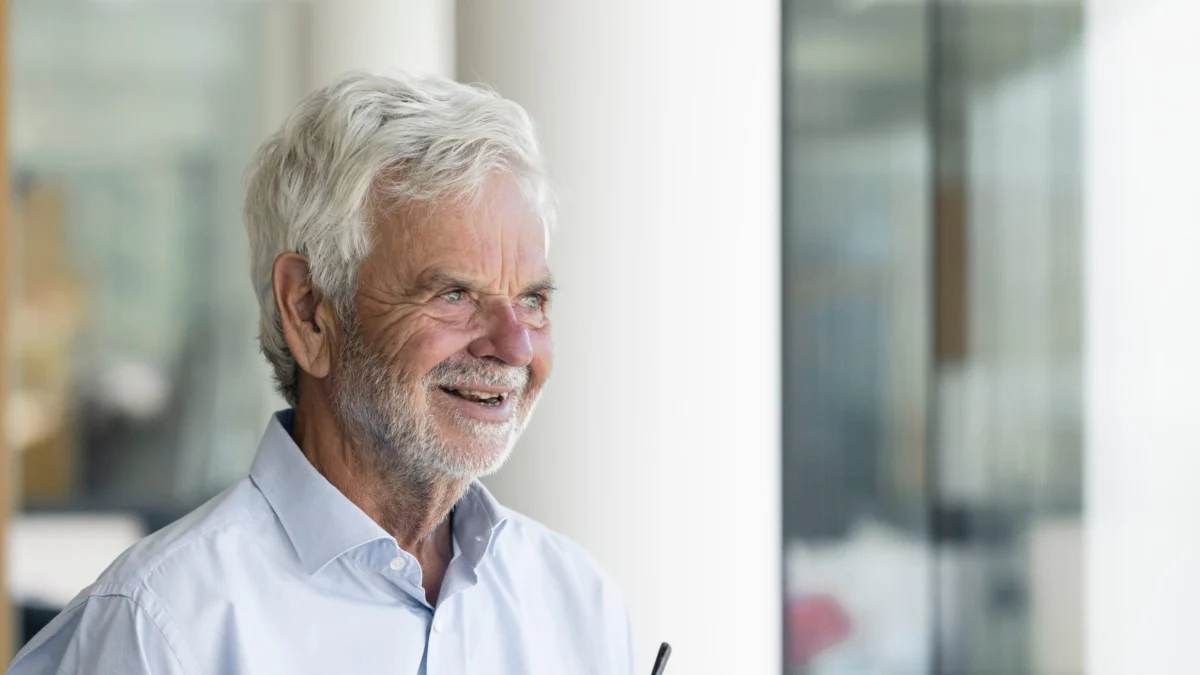
Nestled amidst the apple orchards of Burgstall, South Tyrol, Dr. Schär, the world’s largest family-run manufacturer of gluten-free foods, operates with a sophisticated blend of tradition and cutting-edge technology. Here, robotic arms meticulously oversee the baking of bread, a testament to the company’s unwavering commitment to absolute gluten-free integrity. This precision is not merely a matter of quality control; it is a vital necessity for its primary customer base: individuals suffering from celiac disease, an autoimmune disorder that affects approximately one percent of the global population and triggers severe gastrointestinal distress upon gluten consumption.
Founded in 1922, Dr. Schär has evolved from its humble beginnings into a global powerhouse, distributing its gluten-free products to over 100 countries. In 2025, the company reported a substantial revenue of 632 million Euros, underscoring its significant market presence and the growing demand for specialized dietary solutions. The company’s success is intrinsically linked to its ability to cater to the specific needs of a vulnerable consumer group, transforming a medical necessity into a thriving business.
Ulrich Ladurner, a sprightly 76-year-old, presides over the company’s board of directors, yet his daily presence at the corporate headquarters signifies a hands-on leadership style. Ladurner’s keen eye is particularly fixed on two of Dr. Schär’s most crucial international markets: Germany and the United States. Reflecting on the current political landscapes, he offers a poignant observation on the nature of modern politics: "Those who argue factually and objectively do not win elections." This sentiment hints at the challenges faced by businesses operating in environments where policy and public discourse can be driven by factors beyond rational analysis.
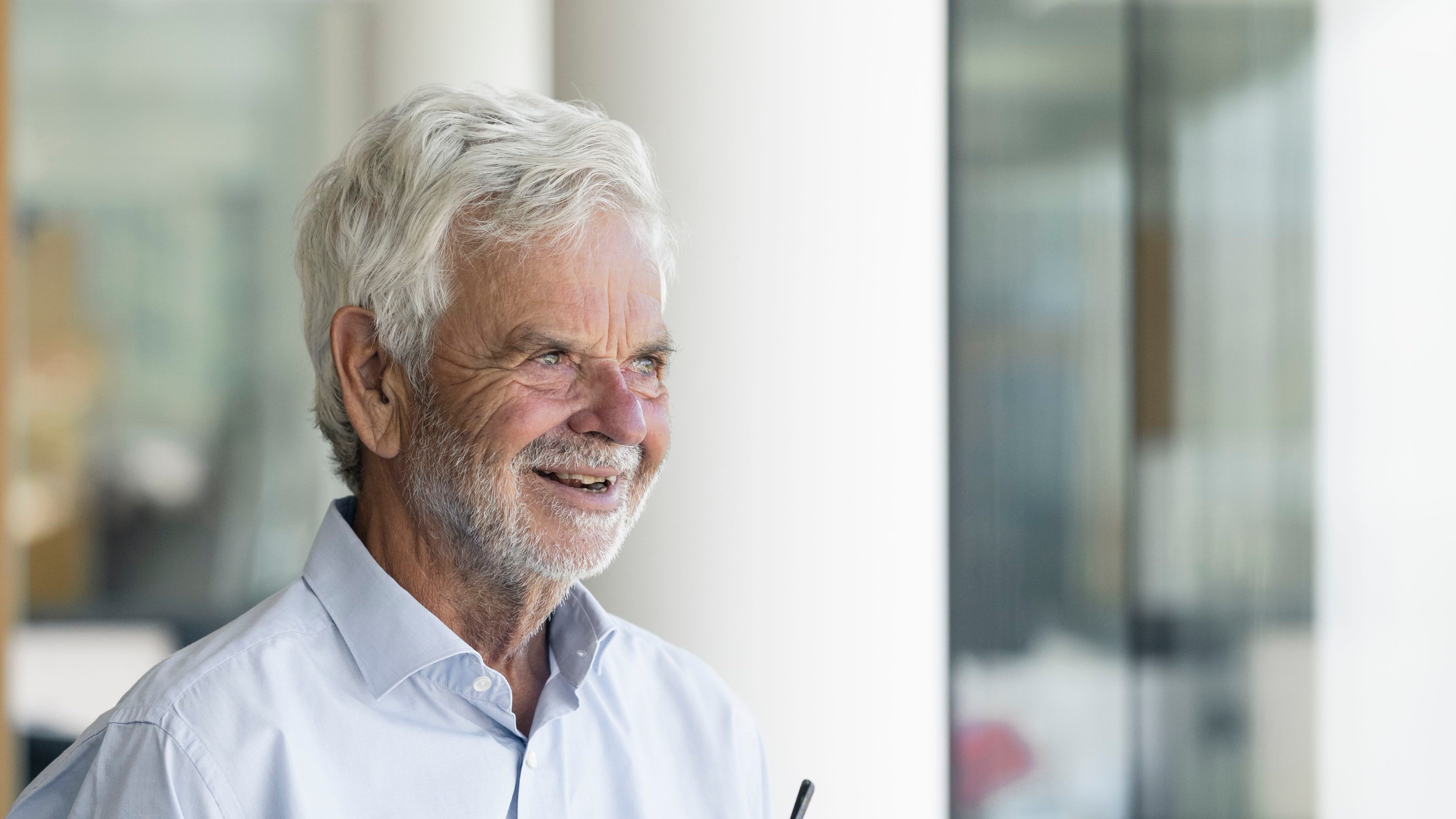
Ladurner’s own sanctuary, a light-filled office offering panoramic views of the Vigilius Mountain Resort – a unique hotel accessible only by cable car, perched high in the mountains – serves as a testament to his multifaceted entrepreneurial vision. This resort, designed as a haven of tranquility, mirrors the company’s ethos of providing well-being and respite through its products.
The Genesis and Evolution of Dr. Schär
The story of Dr. Schär is one rooted in post-World War I public health concerns. In 1922, Dr. Anton Schär, alongside his brother-in-law, a mill owner, launched "Dr. Schär’s Children’s Semolina" to improve the health of children in the aftermath of the war and the annexation of South Tyrol by Italy. The company’s early focus was on easily digestible nourishment. By the 1930s, recognizing the digestive benefits, the product line expanded to include more foods that were largely gluten-free.
The pivotal moment for the company’s modern trajectory came in 1979 when Ulrich Ladurner acquired the Dr. Schär brand for a modest sum. Initially, he focused on the artisanal production of gluten-free goods, gradually transitioning to industrial-scale manufacturing. From its South Tyrolean base, Dr. Schär embarked on a remarkable international expansion, now boasting 18 sales and production sites across eleven countries. This growth has been fueled by a deep understanding of the celiac community’s needs and a relentless pursuit of product innovation. Today, with a workforce of 1,800 employees, the company’s financial strength is evident in its impressive revenue figures.
Navigating the German Market: Political Uncertainty and Economic Headwinds
Ladurner expresses concern over the current state of affairs in Germany, a key market for Dr. Schär. He describes Germany as having "become anxious," lacking courage, and being in a state of internal ferment. The shrinking automotive industry, a cornerstone of the German economy, is identified as a significant challenge. Furthermore, Ladurner criticizes what he terms "absurd discussions" surrounding the retirement age, contrasting Germany’s perceived indecision with Italy’s more concrete plans for pension reform.

The rise of the Alternative for Germany (AfD) party, described by Ladurner as having "right-wing extremist elements in parts," is also a subject of concern. He observes that "those who polarize and are loud gain attention, while those who argue factually and objectively do not win elections." This political climate, he believes, necessitates that companies like Dr. Schär clearly define their values and stance. He acknowledges the electoral setbacks faced by the CDU party and urges them to implement necessary reforms to stem voter erosion.
Dr. Schär operates two production facilities in Germany: one in Dreihausen, Hesse, and another in Apolda, Thuringia, a region noted as an "AfD stronghold." Ladurner recounts addressing his employees three years prior, stating, "It is unacceptable for our company to be associated with this party. It would harm all of us." He emphasizes that as a global company providing specialized food products, Dr. Schär must be mindful of its public image and the values it represents. The employees’ response, he notes, was one of silence, with no overt opposition.
The South Tyrolean Advantage: A Melting Pot of Cultures and Languages
In stark contrast to the challenges observed in Germany, South Tyrol, Dr. Schär’s home region, is experiencing robust economic growth, mirroring the company’s own success. Ladurner attributes this to the unique multilingual and multicultural environment of the region. "South Tyrol is not just a stroke of luck for us," he states. "We are wanderers between cultures. We can speak with customers in Palermo just as well as with those in Hamburg. Everyone here is at least bilingual." This cross-cultural fluency, he explains, has enabled the company to successfully expand its reach from the Madrid-Warsaw axis to other international markets.
The company’s international strategy hinges on early market entry, allowing ample time for learning, adaptation, and correction of mistakes. This approach has proven effective, as opposed to entering mature markets where higher marketing budgets and a greater likelihood of missteps are encountered.

Global Reach and Strategic Expansion
Dr. Schär’s global footprint extends beyond Europe to markets such as Brazil, Argentina, and Turkey. The company’s proactive strategy of entering markets early allows for a more organic and less costly growth trajectory. Ladurner also touched upon the company’s prior intentions to invest in Russia, which were fortunately halted by the outbreak of the war in Ukraine. He now states unequivocally, "I would not do it today."
The American Market: Navigating Tariffs and Political Rhetoric
In the United States, Dr. Schär maintains production facilities, primarily for bread, bagels, and burgers, while also importing other products. This operational structure subjects the company to import tariffs. Ladurner recounts receiving a significant tariff refund of three million Euros, highlighting the volatility and impact of trade policies. He criticizes the political climate in the U.S., stating, "It is absurd what is happening in the USA." He draws a parallel to the scrutiny faced by German politicians, suggesting that figures like Donald Trump should be met with similar critical rigor.
Ladurner voices strong disapproval of political rhetoric, particularly regarding the conflict in Iran and the threat of its annihilation. He laments the erosion of trust in the United States, questioning the leadership of such a prominent nation. Furthermore, he criticizes the U.S. President’s pronouncements on European environmental regulations, emphasizing the undeniable reality of climate change, particularly in light of recent extreme weather events. The image of Donald Trump announcing tariffs in April 2025 serves as a stark visual reminder of the trade policies that impact global businesses.
Diversification and Future Growth
Beyond its core gluten-free business, Dr. Schär is actively pursuing diversification into new and promising sectors. Ladurner reveals two other significant projects aimed at substantial growth: nutritional solutions for chronic kidney insufficiency and the burgeoning field of ketogenic diets. The latter involves significantly reducing carbohydrate intake to encourage the body to utilize fat reserves for energy.

The company is also focusing on developing products to combat "diseases of affluence" such as type 2 diabetes and hypertension, which are linked to dietary and lifestyle factors. This forward-thinking approach acknowledges the evolving health landscape and the potential for specialized nutrition to play a crucial role in preventative healthcare.
The advent of weight-loss injections and pills is a development the company is closely monitoring. Ladurner acknowledges these advancements but emphasizes that for younger individuals, particularly those with severe obesity, a comprehensive approach involving dietary changes and exercise remains paramount. The image of weight-loss medication packaging serves as a visual cue to this evolving pharmaceutical landscape.
The Future of Gluten-Free and Beyond
Dr. Schär is committed to remaining at the forefront of innovation in the gluten-free market. The company invests heavily in research and development through its dedicated institute, aiming to maintain its position as an innovation leader. They are exploring novel approaches, including the potential for genetically modified grains, to improve product functionality, particularly concerning the impact of starches on blood sugar levels. Ladurner acknowledges the societal taboo surrounding genetic modification but suggests that if it leads to significantly improved products, open discussion, including with the public, will be necessary.
While the prospect of a cure for celiac disease might seem like a threat to the gluten-free business, Ladurner views it as an exciting challenge, driving the company’s expansion into new health-focused areas. He expresses confidence in the company’s future trajectory, even as he prepares to transition leadership. His vision for Dr. Schär involves continued diversification into ketogenic diets and solutions for lifestyle diseases. He fondly recalls his father’s skepticism when he first proposed entering the gluten-free market, a testament to his foresight and unwavering belief in his vision.

A Legacy of Entrepreneurship
Ladurner’s personal journey from a druggist apprentice to a global industrialist is a compelling narrative. His acquisition of the Dr. Schär brand in 1979 marked the beginning of a transformative era. He credits a fortunate encounter with a gastroenterologist in Verona, Dr. Mastella, with providing a crucial list of influential physicians specializing in celiac disease. This connection proved instrumental in establishing Dr. Schär’s reputation and facilitating its growth.
The development of products tailored to Italian palates, particularly bread and pasta, was a significant undertaking. The initial years involved importing products from Germany, but the realization that local taste preferences were paramount led to the establishment of their own production facility. This transition from importer to manufacturer, driven by a desire for perfection and market leadership, is a cornerstone of Dr. Schär’s success. Ladurner proudly states, "I am proud to be an industrialist."
The company’s commitment to innovation is evident in its refusal to produce for private labels, choosing instead to invest in its own research and development. This focus on proprietary innovation ensures that Dr. Schär remains a distinct and leading brand in the competitive gluten-free market.
While Ladurner’s children are not directly involved in the day-to-day operations, his daughter Gudrun and niece Esther actively participate in the board of directors, contributing to strategic investments in new business areas. This family involvement, even at a strategic level, ensures continuity and a shared vision for the company’s future. Ladurner believes that embracing new challenges is essential to prevent stagnation and maintain the company’s dynamism.

Reflecting on his career, Ladurner states, "I would not do anything differently." This sentiment underscores a life dedicated to building a company that not only thrives commercially but also makes a profound positive impact on the lives of its consumers. Dr. Schär’s journey is a powerful illustration of how a deep understanding of consumer needs, coupled with relentless innovation and strategic vision, can lead to global leadership in specialized markets.
