

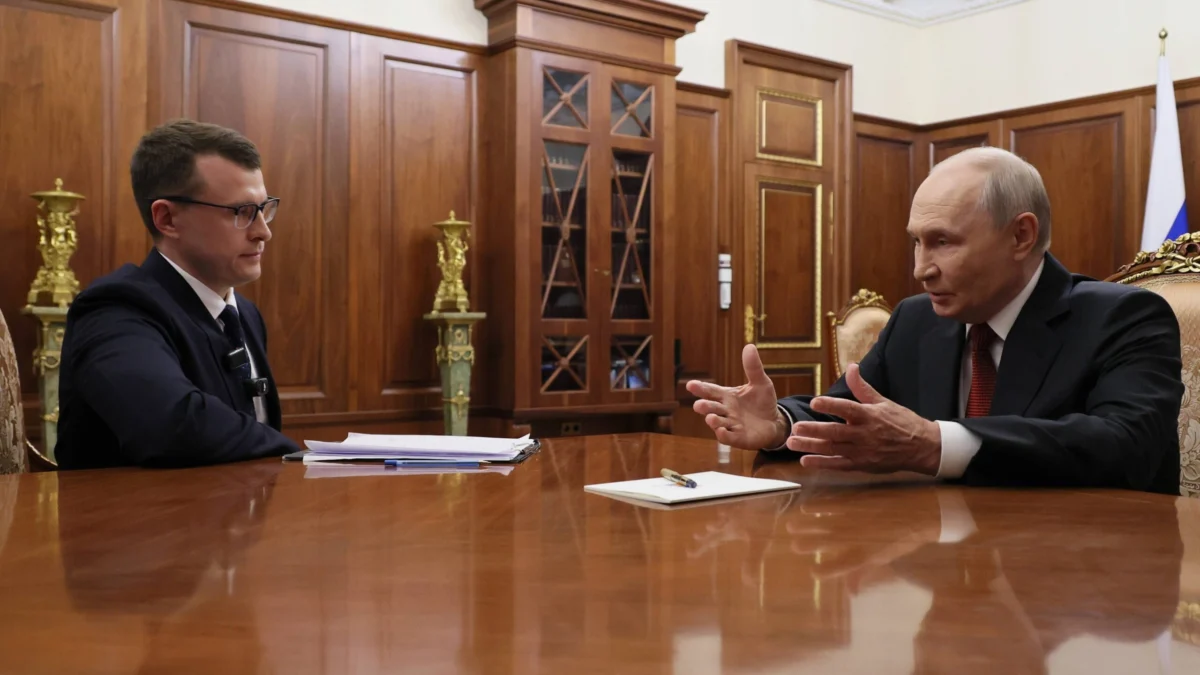
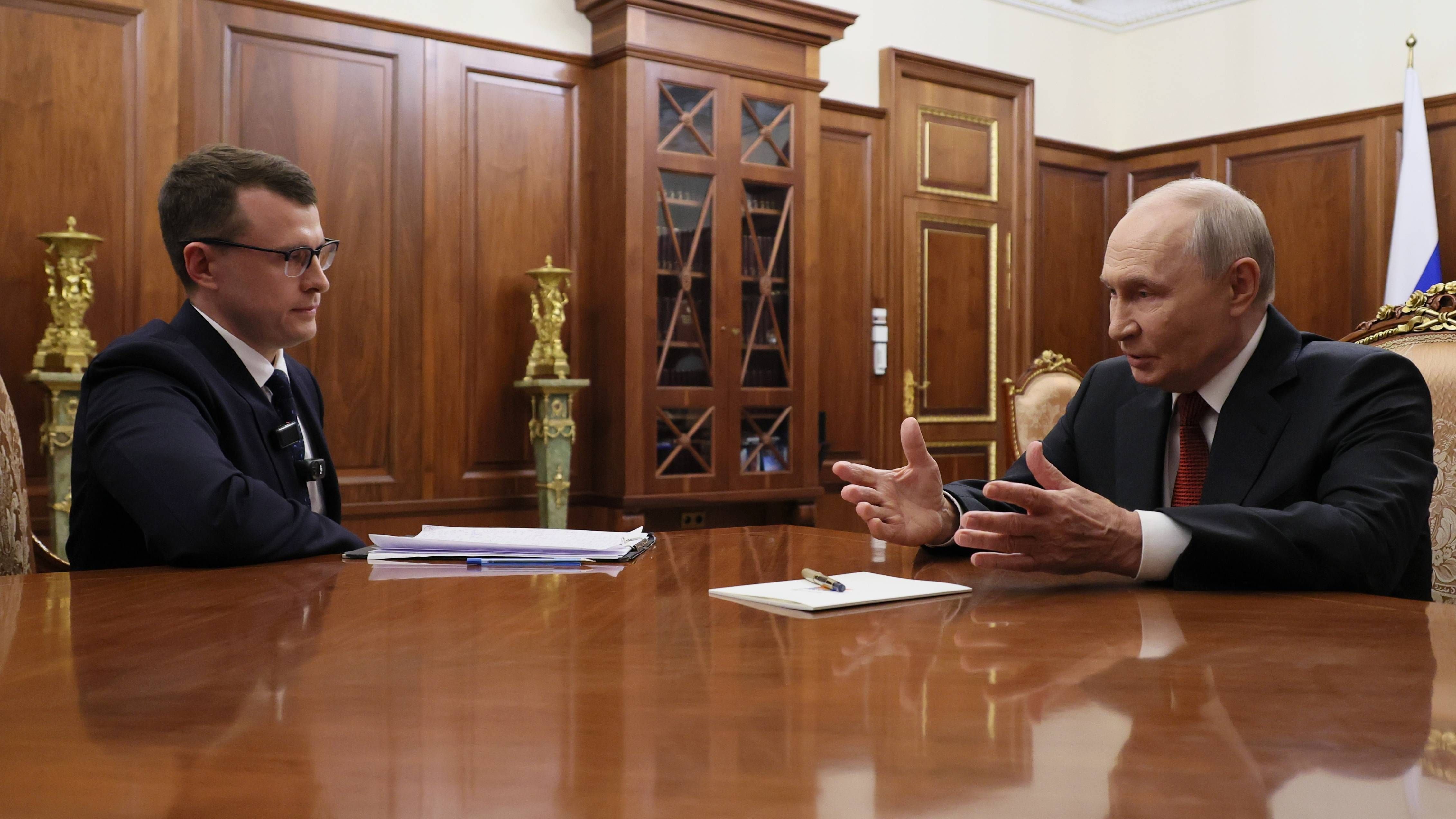
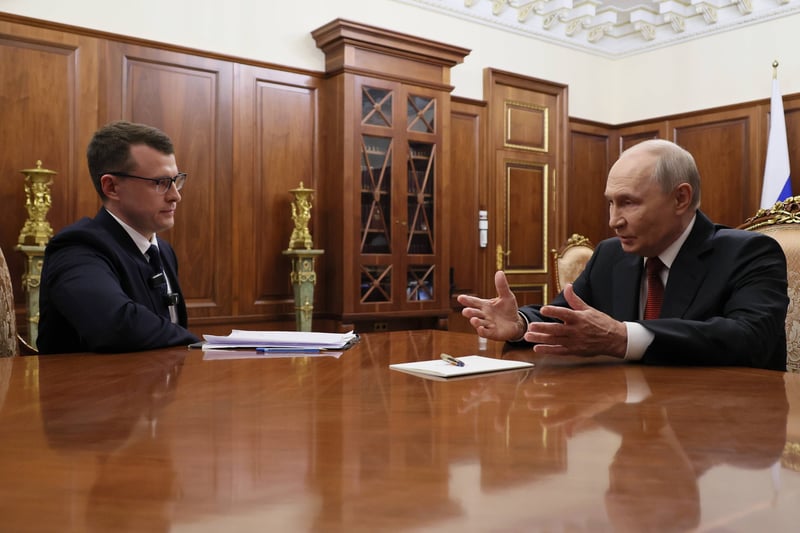
The escalating conflict between Russia and Ukraine has reached a critical juncture, with President Vladimir Putin issuing a stark warning to Kyiv, vowing a severe retaliatory response to Ukraine’s intensified drone attacks on Russian economic targets. In a rare interview with Russian state television, Putin declared that Ukraine had "opened Pandora’s Box" with its assaults on oil refineries and logistics centers, unleashing forces that would not be contained. This rhetoric signals a potential escalation of hostilities, moving beyond conventional warfare into a more direct economic and strategic confrontation.
Background and Context
The current wave of Ukrainian drone attacks marks a significant shift in the conflict’s dynamics. For months, Ukraine has been systematically targeting Russian infrastructure, aiming to cripple its war machine and economy. These strikes, often targeting oil refineries and military facilities deep within Russian territory, have demonstrably impacted Russia’s industrial capacity and logistical chains. The Kremlin’s initial response was largely muted, but the sustained nature and increasing effectiveness of these attacks appear to have pushed President Putin to a more aggressive stance.
Putin’s "Pandora’s Box" metaphor is particularly potent. It evokes the ancient Greek myth of a container holding all the evils of the world, released through curiosity. By using this imagery, Putin suggests that Ukraine’s actions have unleashed uncontrollable negative consequences, not only for itself but potentially for the broader regional and global order. This framing attempts to shift blame onto Ukraine, portraying its defensive actions as provocative and reckless, thereby justifying a more forceful Russian response.
Timeline of Escalation
The recent escalation can be traced through several key developments:
- Early to Mid-July: A noticeable increase in Ukrainian drone attacks on Russian territory, targeting oil refineries in regions such as Samara and Yaroslavl. These attacks aimed to disrupt fuel production and supply.
- Late July: Reports emerge of Ukrainian drone attacks hitting logistics hubs and warehouses, including those belonging to major e-commerce platforms like Ozon, indicating a broader strategy to disrupt Russian commerce.
- Early August: Ukrainian President Volodymyr Zelenskyy vows to respond to Russian attacks, particularly after a devastating strike on a shopping center in Kryvyi Rih. Simultaneously, Russian officials report downing a significant number of Ukrainian drones.
- Mid-August: Putin’s interview with state television, where he issues his most direct threat to date, explicitly referencing "Pandora’s Box" and promising swift countermeasures. This statement coincides with continued reports of drone attacks and Russian retaliatory strikes.
- Ongoing: Reports of casualties and damage from both Ukrainian drone attacks on Russian soil and Russian missile and drone strikes on Ukrainian cities and infrastructure continue to emerge daily, underscoring the volatile nature of the conflict.
Supporting Data and Impact
The economic implications of this escalating conflict are substantial. Ukraine’s strikes on Russian oil refineries have reportedly led to a decrease in Russia’s fuel exports, impacting global energy markets. While specific figures on the exact reduction in output are often difficult to ascertain due to wartime secrecy, the repeated targeting of these critical facilities suggests a tangible impact. The U.S. Energy Information Administration (EIA) has previously highlighted the vulnerability of oil infrastructure to such attacks, noting that even temporary disruptions can have ripple effects on global supply and prices.
Furthermore, the targeting of logistics centers and e-commerce platforms like Ozon by Ukrainian drones aims to disrupt the internal supply chains that are crucial for Russia’s domestic economy and its ability to sustain its war effort. The psychological impact of these attacks, bringing the war directly into Russian cities and affecting civilian life, is also a significant factor, potentially eroding public support for the prolonged conflict.
On the other side, Russia’s retaliatory strikes continue to exact a heavy toll on Ukraine. The attack on the shopping center in Kryvyi Rih, resulting in numerous civilian casualties, underscores the indiscriminate nature of some Russian strikes and Ukraine’s condemnation of these actions as terrorism. The damage to critical infrastructure, including energy facilities, exacerbates the humanitarian crisis and complicates Ukraine’s efforts to rebuild and maintain essential services.
Official Responses and Statements
Vladimir Putin’s Statements:
In his interview, Putin was unequivocal: "The countermeasures will not be long in coming. You will get them." He further elaborated that Ukraine had "opened Pandora’s Box" and that the "genie had been let out of the bottle." He specifically mentioned targeting the "most sensitive areas of the Ukrainian economy," highlighting Ukraine’s reliance on agricultural exports for revenue. Putin also dismissed Ukraine’s peace proposals as "exotic," suggesting they were an attempt to avert a "catastrophic development" for Ukraine.
Ukrainian Government Reactions:
Ukrainian officials have consistently defended their right to strike targets within Russia that are contributing to the war effort. President Zelenskyy has often characterized Russian attacks on civilian infrastructure as acts of terror and war crimes. Following the Kryvyi Rih attack, he stated, "Such attacks are nothing but terrorism." Ukraine’s strategy appears to be one of attrition, aiming to degrade Russia’s military and economic capabilities to force a withdrawal.
International Reactions (Inferred):
While direct international statements on Putin’s latest threat may not be immediate, the international community has largely condemned Russia’s aggression and expressed concern over any further escalation. The United States and its allies have continued to provide military and financial aid to Ukraine, emphasizing Ukraine’s right to defend itself. The rhetoric from Moscow, however, is likely to increase diplomatic tensions and calls for de-escalation from various global actors, though concrete diplomatic breakthroughs remain elusive. The potential for a more intense phase of the war could also lead to renewed discussions about sanctions and further military assistance to Ukraine.

Analysis of Implications
Putin’s threat signifies a potential shift from a defensive posture regarding internal attacks to a more offensive and perhaps even more destructive phase of the conflict. The reference to "Pandora’s Box" and "the most sensitive areas of the Ukrainian economy" suggests that Russia may be contemplating strikes that could have far-reaching consequences for Ukraine’s agricultural sector, its export capabilities, and its overall economic stability. This could include further disruption of port facilities, infrastructure crucial for grain exports, or even targeted attacks on key economic leaders.
The timing of Putin’s statement, a month before Russian parliamentary elections, is also significant. It could be an attempt to rally domestic support by projecting strength and resolve in the face of external aggression. However, such aggressive rhetoric also risks further alienating international partners and could lead to more stringent sanctions against Russia.

The Ukrainian response, as indicated by President Zelenskyy’s statements, will likely remain focused on defensive actions and continued strikes against Russian military and economic targets deemed legitimate within the context of self-defense. The conflict appears poised to enter a more brutal and unpredictable phase, where economic warfare and strategic targeting play an increasingly prominent role alongside conventional military operations.
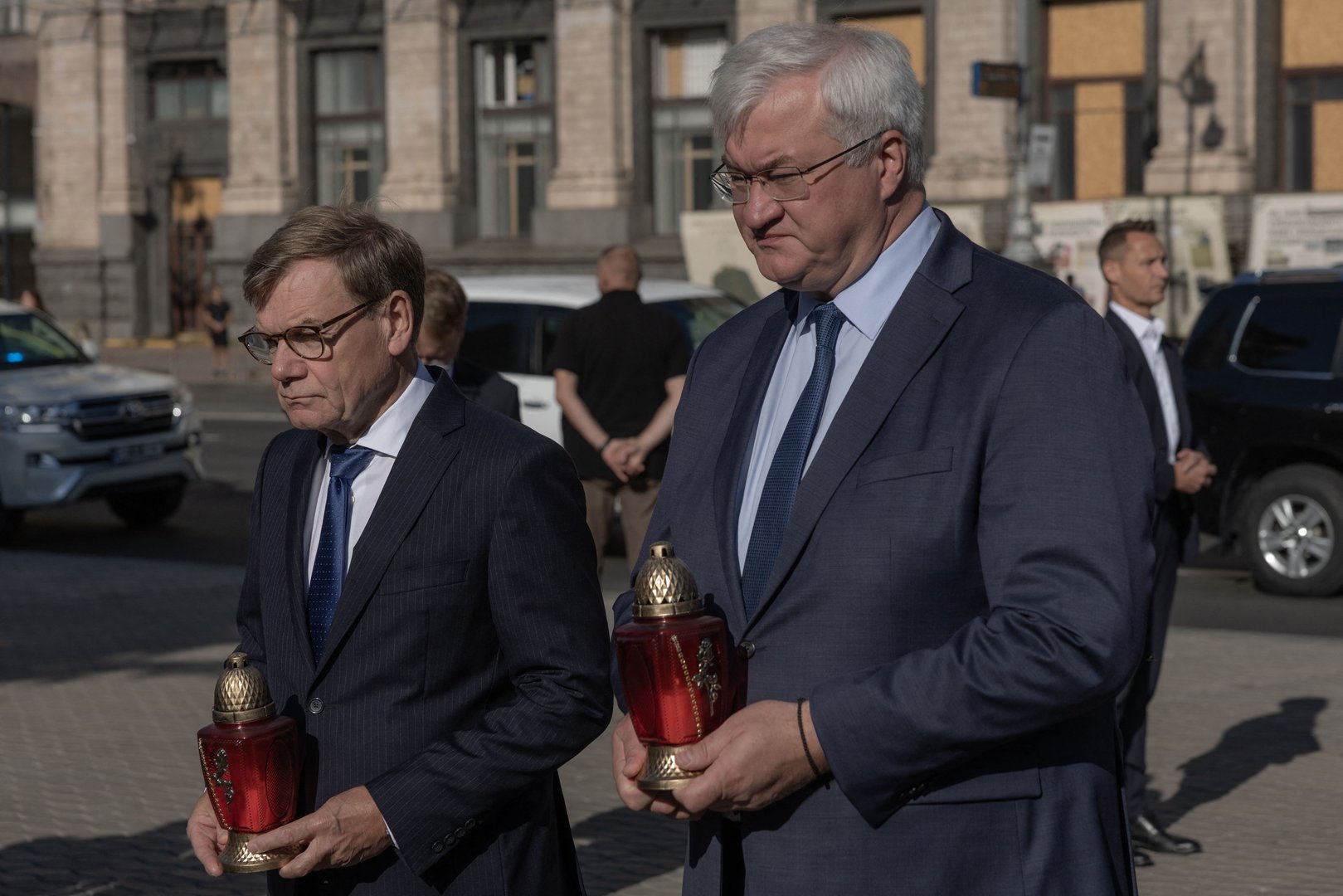
Wadephul in Kyiv: Germany’s Unwavering Support
Amidst this heightened tension, German Foreign Minister Annalena Baerbock visited Kyiv, reaffirming Germany’s steadfast support for Ukraine. Her visit, timed shortly before Ukraine’s Independence Day, was a clear signal of solidarity and commitment to Ukraine’s sovereignty. Baerbock emphasized that Germany would continue to provide comprehensive support, including military aid, to help Ukraine defend itself and ultimately achieve victory. Her statements aimed to counter any perception of wavering international resolve and to bolster Ukrainian morale.

The German Foreign Minister’s presence in the Ukrainian capital served a dual purpose: to express political solidarity and to coordinate further assistance. Discussions likely focused on ongoing military aid packages, humanitarian support, and Ukraine’s reconstruction efforts. Baerbock’s assurance that Ukraine "will win this military confrontation" stands in stark contrast to Putin’s threats, highlighting the deepening divide and the diverging narratives surrounding the conflict.
Ukraine’s Resilience Amidst Attacks
Despite the relentless Russian assaults, Ukraine has demonstrated remarkable resilience. The country has adapted its defenses and continues to strike targets within Russia, demonstrating a capacity to project power and inflict damage. The Ukrainian government’s narrative emphasizes its determination to fight for its independence and territorial integrity, drawing strength from international support and the resolve of its people.

The continuous reports of casualties and damage from both sides underscore the immense human cost of this prolonged conflict. The international community faces the ongoing challenge of balancing support for Ukraine’s defense with efforts to prevent a wider regional conflict. The coming weeks and months will be crucial in determining the trajectory of this war, with Putin’s latest threats casting a long shadow over the prospects for de-escalation. The "Pandora’s Box" has indeed been opened, and the world watches with apprehension as its contents continue to unfold.
