

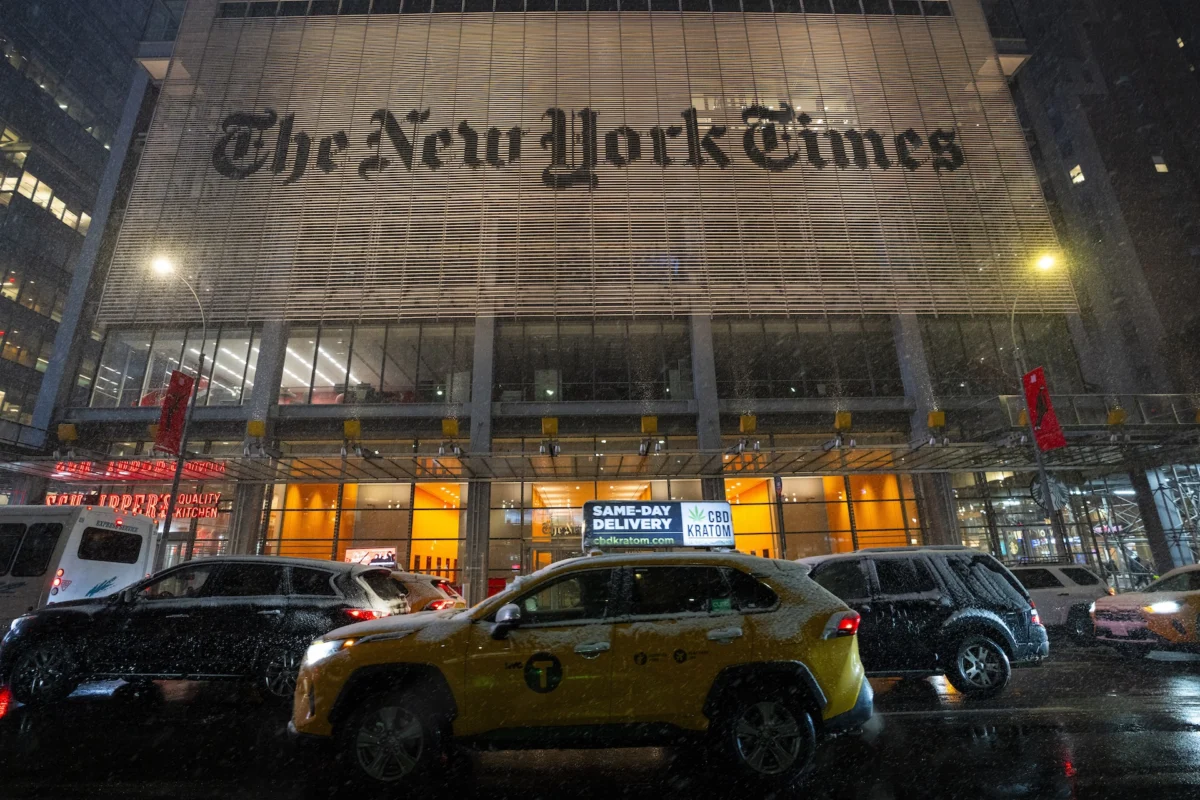
The New York Times Company has reportedly entered exclusive negotiations to acquire Letterboxd, the popular online social platform for film enthusiasts, for a sum of $330 million. The significant development was first reported by The New York Times itself, citing sources familiar with the ongoing discussions. This potential acquisition marks another strategic move by the legacy media organization to diversify its digital offerings and expand its subscription-based revenue streams beyond traditional news journalism.
The Strategic Rationale: NYT’s Digital Expansion and Subscription Focus
The reported acquisition of Letterboxd aligns squarely with The New York Times Company’s aggressive and highly successful strategy to transform into a global, multi-product digital enterprise centered on subscription revenue. Over the past decade, the company has meticulously built a formidable digital moat around its core news product, successfully converting millions of readers into paying subscribers. This pivot, initiated with the introduction of its digital paywall in 2011, has been augmented by strategic acquisitions designed to broaden its appeal and capture new, engaged audiences.
Key acquisitions preceding the Letterboxd discussions include Wirecutter, a product review website purchased in 2016 for approximately $30 million, which added a lucrative commerce-driven revenue stream. In 2020, the company acquired Audm, an audio-journalism app, further bolstering its audio strategy. More recently, in 2022, The New York Times Company made headlines with two significant purchases: the highly popular word game Wordle for an undisclosed sum reported to be in the low seven figures, and The Athletic, a sports journalism subscription service, for $550 million. The Athletic acquisition, in particular, demonstrated the company’s willingness to invest substantially in niche, high-engagement content platforms that align with a subscription model.
The potential integration of Letterboxd into the NYT ecosystem suggests a continued focus on what the company often refers to as its "bundle" strategy. By offering a diverse array of content — from breaking news and investigative journalism to cooking recipes, games, sports analysis, product reviews, and now potentially film cataloging and social interaction — the Times aims to increase the perceived value of its overall digital subscription, reduce churn, and attract demographics that might not initially engage with traditional news. Letterboxd, with its highly engaged, community-driven user base, particularly among younger demographics, presents a compelling opportunity to deepen this digital footprint.
Letterboxd’s Meteoric Rise: A Community Phenomenon
Letterboxd, often described as a "Goodreads for movies," has carved out a unique and influential niche in the digital landscape since its inception. The platform allows users to log films they have watched, rate them, write reviews, create lists, and follow other users’ cinematic journeys. It fosters a vibrant community where film lovers can discover new movies, delve into discussions, and track their viewing habits. Its intuitive interface and emphasis on community engagement have been central to its exponential growth.
The platform’s user base has expanded dramatically in recent years, reflecting a burgeoning appetite for organized, social film consumption. In January 2021, Letterboxd reported approximately 3 million users. This figure surged to an impressive 28 million by April of this year, representing nearly a tenfold increase in just over five years. This rapid expansion underscores the platform’s success in capturing and retaining a dedicated audience. A particularly attractive demographic for potential acquirers is its youth appeal: more than half of Letterboxd’s users are reportedly under the age of 35. This demographic is crucial for media companies seeking to cultivate long-term engagement and expand their reach beyond traditional audiences.
Beyond raw numbers, Letterboxd has also become a cultural touchstone within the film industry. Its user-generated reviews and ratings can influence public perception, particularly for independent and arthouse films, sometimes even impacting box office performance or awards season narratives. Filmmakers, critics, and industry professionals often reference or participate in discussions on the platform, lending it significant credibility and influence. The platform’s success highlights the power of niche social networks that cater specifically to passionate communities, offering a more focused and engaging experience than general social media platforms.
Financial Details and Market Valuation
The reported acquisition price of $330 million for Letterboxd raises questions about valuation, particularly when viewed against its current revenue projections. Letterboxd’s projected earnings for the current year are estimated at $15 million. This means The New York Times Company is reportedly offering a multiple of approximately 22 times the platform’s projected annual revenue.
While this valuation may appear steep in traditional financial metrics, it is not uncommon for high-growth, digital-native companies, especially those with a strong user base and significant future revenue potential. In the tech and media sectors, acquisitions are often driven by strategic value — access to a desirable demographic, proprietary data, a proven community model, and the potential for future monetization through expanded subscription offerings or advertising. Companies like The New York Times are increasingly investing in platforms that offer long-term audience engagement and diversification away from fluctuating advertising markets.
Letterboxd operates on a freemium model, offering basic features for free while providing enhanced functionalities through paid subscription tiers (known as "Pro" and "Patron"). These subscriptions unlock features such as advanced statistics, filtering options, and an ad-free experience. The New York Times Company, with its extensive experience in converting free users to paid subscribers and optimizing subscription bundles, likely sees substantial potential to grow Letterboxd’s premium subscriber base and integrate it more deeply into its own subscription offerings. The acquisition of The Athletic, which also operated on a subscription model, serves as a precedent for how the Times approaches scaling such properties.
A Competitive Landscape: Other Suitors and Industry Interest
Prior to The New York Times Company entering exclusive negotiations, Letterboxd had reportedly been seeking a new owner, attracting interest from several other prominent players in the entertainment and media sectors. Film studios A24 and Sony Pictures were among the interested parties, according to earlier reports.
The interest from A24, a highly successful independent film production and distribution company known for its distinctive and critically acclaimed releases, underscores Letterboxd’s significant influence within the film ecosystem. For a studio like A24, acquiring Letterboxd would provide direct access to an engaged audience of film enthusiasts, offering invaluable insights into audience preferences, direct marketing channels for new releases, and a powerful platform for community building around its films. However, reports indicated that A24 was "priced out" of the acquisition, suggesting The New York Times Company’s offer significantly surpassed what film studios were willing or able to commit. Sony Pictures’ interest further highlights the perceived strategic value of Letterboxd’s audience and data.
This competitive bidding environment further validates Letterboxd’s market position and its importance as a platform for film discourse and discovery. The willingness of a diversified media conglomerate like The New York Times Company to outbid traditional film studios demonstrates its belief in the platform’s ability to drive future growth and contribute to its overarching digital strategy.
Chronology of Growth and Acquisition Strategy
The narrative of this potential acquisition is best understood through the parallel timelines of both entities.
Letterboxd’s Journey:
- 2011: Letterboxd is founded in Auckland, New Zealand, by Matthew Buchanan and Karl von Randow. Initially launched in beta, it slowly builds a core community.
- Early 2010s: The platform gradually gains traction, offering a clean interface for users to log, rate, and review films. Its social features differentiate it from traditional movie databases.
- 2016-2020: Steady organic growth, fueled by word-of-mouth and increasing user engagement, particularly within niche film communities.
- January 2021: Reports 3 million registered users, signaling accelerated growth during the pandemic, as more people turned to home viewing and online communities.
- Early 2026: Reports surface that Letterboxd is exploring options for a sale, with various media and entertainment companies showing interest.
- April 2026: User base surges to 28 million, underscoring its rapid expansion and growing cultural footprint.
- Mid-2026: The New York Times Company enters exclusive negotiations, signaling a potential new chapter for the platform.
The New York Times Company’s Digital Transformation:
- 2011: Launches its digital paywall, a seminal moment in its shift towards a subscription-first model.
- Mid-2010s: Intensifies its digital product development, investing in mobile apps, podcasts, and video content, while continually refining its paywall strategy.
- 2016: Acquires Wirecutter, marking its foray into product review and affiliate commerce, diversifying revenue.
- 2017: Sets ambitious goal of 10 million digital subscribers by 2025, demonstrating its commitment to aggressive digital growth.
- 2020: Acquires Audm, strengthening its audio content offerings.
- 2022: Acquires Wordle, significantly boosting user engagement and attracting a new demographic, and The Athletic for $550 million, cementing its "bundle" strategy in sports.
- Ongoing: Continues to report strong digital subscriber growth across its various products (News, Games, Cooking, Wirecutter, The Athletic). The potential Letterboxd acquisition represents the latest, and one of the largest, steps in this ongoing transformation.
Potential Synergies and Integration Challenges
Should the acquisition be finalized, it presents numerous potential synergies for both parties, alongside inherent integration challenges.
Benefits for The New York Times Company:
- Audience Expansion: Immediately gains access to 28 million highly engaged users, a significant portion of whom are under 35, a demographic crucial for future growth.
- Content Diversification: Further broadens its content offerings beyond news, cooking, games, and sports, positioning itself as a comprehensive lifestyle and entertainment hub.
- Subscription Growth: Letterboxd’s freemium model provides a ready-made framework for integrating into the NYT’s subscription bundle, potentially converting free users or attracting new subscribers to the broader Times ecosystem.
- Data Insights: Gains invaluable data on film consumption habits, preferences, and trends, which could inform its own film criticism, special features, and editorial content.
- Cross-Promotional Opportunities: Opportunities abound for cross-promotion between Letterboxd and The Times’ existing film criticism, "Watching" newsletter, T Magazine features on cinema, and interviews with filmmakers on The Daily.
Benefits for Letterboxd:
- Financial Stability and Investment: Access to The New York Times Company’s substantial resources can provide the capital needed for further product development, marketing, and global expansion.
- Operational Expertise: Can leverage NYT’s extensive experience in managing large-scale digital platforms, optimizing subscription funnels, and navigating the complexities of digital media.
- Increased Visibility: Association with The New York Times brand could significantly elevate Letterboxd’s profile and legitimacy within broader media circles.
- Talent Acquisition: Potential to attract top talent in product development, design, and editorial roles under the Times umbrella.
Challenges and Risks:
- Cultural Integration: Maintaining Letterboxd’s unique, community-driven culture while integrating it into a larger, more traditional media organization will be paramount. Any perceived "corporate" interference could alienate its passionate user base.
- Monetization Balance: Striking the right balance between further monetization (e.g., more aggressive subscription pushes, potential advertising changes) and preserving the user experience will be critical.
- Technical Integration: Merging or connecting the technical infrastructures of two distinct platforms can be complex and resource-intensive.
- Valuation Justification: The New York Times Company will need to demonstrate that the $330 million investment translates into tangible long-term value, whether through increased subscriptions, diversified revenue, or enhanced brand equity.
Official Responses and Forward Outlook
In line with standard practice during sensitive acquisition negotiations, The New York Times Company officially declined to comment on the potential acquisition to its own paper. This lack of official confirmation is typical for ongoing, non-public discussions and does not diminish the veracity of the internal reporting. The fact that the news broke through the Times’ own channels lends significant weight to the report, often implying a deliberate leak from within the company to gauge public and investor reaction, or to signal its intentions.
From an analytical perspective, the potential acquisition underscores The New York Times Company’s unwavering commitment to its long-term strategy of building a robust, diversified digital subscription business. It signals that the company views engaged communities and specialized content platforms as critical assets in a fragmented media landscape. Analysts generally view such strategic acquisitions positively, especially when they bring in new demographics and diversify revenue streams, even if the immediate financial return on investment might be subject to longer-term growth.
Should the deal proceed, it would represent another bold move by The New York Times Company to solidify its position not just as a leading news organization, but as a comprehensive digital content provider catering to a wide array of interests and passions. The future of digital media appears increasingly to favor platforms that can cultivate deep engagement and offer unique value, and Letterboxd’s community-centric approach to film culture fits perfectly within this evolving paradigm. The integration of such a dynamic platform could redefine how audiences interact with film criticism, discovery, and community within the broader Times ecosystem, marking a significant evolution in its journey to becoming an indispensable part of its subscribers’ daily lives.
