

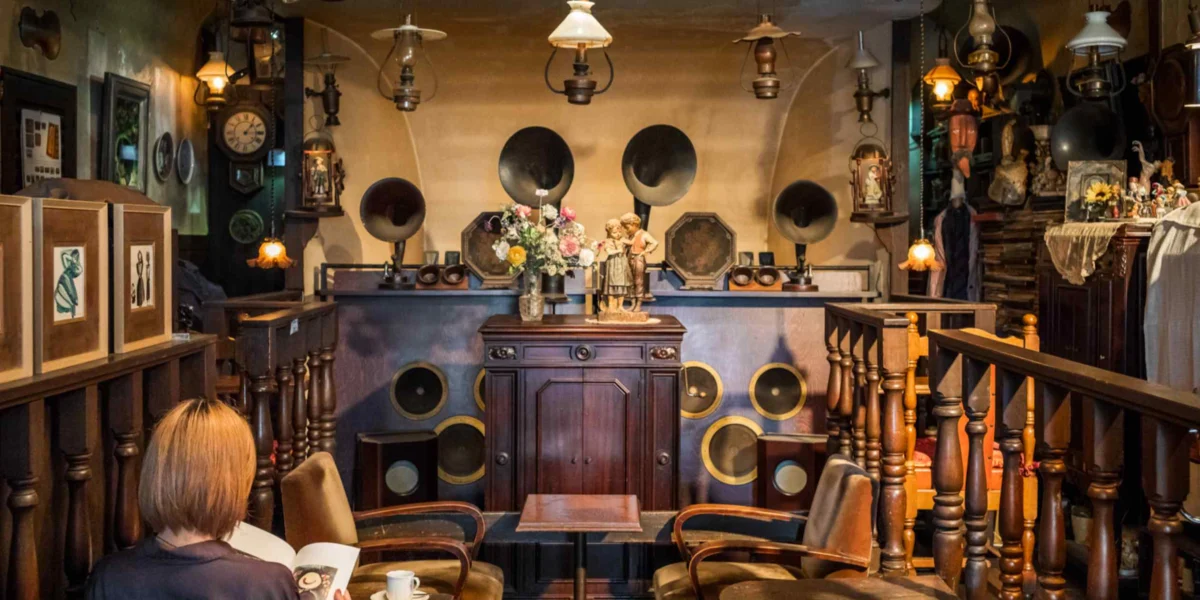
The concept of the listening bar is difficult to define. In many, vinyl records dominate the room, covering the walls from floor to ceiling. In others, countless CDs fill racks upon racks. In some, you will be shushed if you talk over the music. Most have huge speakers, some built by hand. But one thing unites them — a love of music. This seemingly simple statement, however, belies a complex and burgeoning cultural movement that is redefining how urban dwellers engage with sound, community, and the very act of focused listening. Tokyo, a city renowned for its meticulous attention to detail and its deep appreciation for both tradition and innovation, has become a global epicenter for this phenomenon, offering a diverse array of listening bars that cater to an increasingly discerning audience.
The Genesis and Evolution of the Listening Bar
The roots of the listening bar can be traced back to the mid-20th century, with the emergence of "kissaten" in Japan. These were originally coffee shops that evolved to include dedicated spaces for listening to music, often featuring high-fidelity audio equipment and curated record collections. These early iterations served as havens for music enthusiasts, providing an escape from the bustling city streets and an opportunity to immerse oneself in sound without the distractions of everyday life. The emphasis was on quality playback and a respectful, often silent, environment.
In the latter half of the 20th century, as the global music landscape shifted with the advent of new formats like the CD and the digital revolution, the listening bar concept also adapted. While vinyl experienced a resurgence in recent decades, many listening bars continued to embrace digital formats, showcasing meticulously curated CD collections or employing state-of-the-art digital audio players. The core principle, however, remained consistent: to provide an unparalleled audio experience, prioritizing sonic fidelity and the contemplative enjoyment of music.
The contemporary resurgence of the listening bar in Tokyo can be attributed to several interconnected factors. Firstly, there’s a growing dissatisfaction with the often-cacophonous nature of modern urban life, where ambient noise and constant digital stimulation can lead to a sense of overwhelm. Listening bars offer a deliberate counterpoint, a sanctuary where one can consciously disconnect and reconnect with sound. Secondly, the increasing accessibility of high-quality audio equipment and the enduring appeal of tangible music formats like vinyl have fueled a renewed interest in dedicated listening spaces. Finally, the rise of social media has played a role in showcasing these unique establishments, creating a sense of discovery and desirability among both locals and tourists.
A Spectrum of Sonic Experiences
Tokyo’s listening bar scene is not monolithic. It presents a rich tapestry of approaches, each offering a distinct interpretation of the listening experience.
The Vinyl Sanctums: Many establishments, particularly those that have been around for decades or have emerged in the recent vinyl revival, place an almost sacred emphasis on analog sound. Here, walls are often lined with thousands of vinyl records, meticulously organized and accessible to patrons. The act of selecting a record, placing it on the turntable, and listening to the gentle crackle before the music begins is an integral part of the ritual. These bars often boast impressive collections of rare and vintage pressings, catering to audiophiles and collectors alike. The selection might span genres from jazz and classical to rock and soul, with an unwavering commitment to the warmth and depth that analog playback is celebrated for. For instance, a bar might dedicate an entire evening to a specific artist or genre, allowing patrons to delve deep into a particular sonic universe.
The Digital Discotheques: While vinyl holds a special place, a significant number of listening bars have embraced the precision and clarity of digital audio. These establishments often feature cutting-edge digital-to-analog converters (DACs), high-resolution audio players, and meticulously calibrated sound systems. Their collections might consist of vast libraries of CDs, often sourced from rare imports or limited editions, or they might utilize high-resolution digital files streamed from dedicated servers. The focus here is on achieving an uncompromised sonic purity, allowing listeners to experience music with an astonishing level of detail and nuance. The absence of surface noise, often associated with vinyl, can reveal subtle textures and instrumental passages that might otherwise be masked.
The "Shush" Sanctuaries: A defining characteristic of some listening bars is their strict adherence to a quiet listening environment. In these venues, conversation is discouraged, or at least kept to a hushed murmur, to ensure that the music remains the sole focus. This approach fosters a communal yet deeply personal experience. Patrons sit in quiet contemplation, their attention solely directed towards the sound emanating from the speakers. This creates a powerful sense of shared reverence for the music, a collective immersion in the sonic landscape. The atmosphere can be almost meditative, providing a much-needed respite from the constant barrage of sensory input that characterizes modern life.
The Handcrafted Havens: A subset of listening bars takes the commitment to audio quality to an extreme, featuring custom-built or vintage, high-fidelity sound systems. These speakers, often massive and imposing, are frequently the result of painstaking craftsmanship, utilizing rare materials and innovative acoustic design. The owners or operators of these establishments often possess an encyclopedic knowledge of audio engineering and a passionate dedication to achieving the perfect sound. This can involve everything from the careful selection of vacuum tubes to the precise placement of each speaker within the room. The result is an auditory experience that can be profoundly immersive, allowing listeners to perceive the spatiality and dynamics of a recording in a way that is rarely achievable in a typical bar or home setting.
Supporting Data and Trends
The growth of the listening bar phenomenon in Tokyo is not merely anecdotal. Several indicators point to its increasing significance within the city’s cultural landscape:
- Increased Establishment Numbers: While precise figures are difficult to track due to the fluid nature of the scene and the inclusion of establishments that may not exclusively identify as listening bars, anecdotal evidence and industry publications suggest a steady increase in the number of venues dedicated to high-fidelity music listening over the past decade.
- Vinyl Sales Resurgence: Global vinyl sales have seen a significant uptick in recent years. According to the Recording Industry Association of America (RIAA), vinyl accounted for approximately 4% of all music revenue in the US in 2022, a figure that has been steadily climbing. This trend is mirrored in Japan, with dedicated record stores and listening bars benefiting from this renewed interest in analog formats.
- Niche Tourism: Listening bars are increasingly becoming destinations for music enthusiasts and tourists seeking unique cultural experiences. Online travel forums and specialized blogs frequently highlight these establishments, contributing to their visibility and appeal.
- Demographic Appeal: While the demographic can vary, many listening bars attract a diverse clientele, including seasoned audiophiles, younger generations discovering the appeal of vinyl and analog sound, and individuals simply seeking a more contemplative and immersive entertainment option.
Behind the Sound: The Operators and Their Philosophy
The success of a listening bar hinges not only on its sound system and record collection but also on the passion and curation of its operators. These individuals are often deeply knowledgeable about music and audio technology, acting as guides and custodians of the sonic experience.
"It’s about creating a space where people can truly connect with the music, without the usual distractions," explains a proprietor of a popular vinyl-focused listening bar in Shibuya, who prefers to remain anonymous to maintain the bar’s discreet atmosphere. "We spend countless hours sourcing records, ensuring our equipment is perfectly calibrated, and creating an environment where everyone feels respected for their appreciation of sound."
Another operator, whose establishment features a state-of-the-art digital audio system, emphasizes the importance of sonic fidelity. "The digital age offers incredible possibilities for pure sound reproduction. Our goal is to showcase that, to let people hear the subtle details, the nuances that make a recording truly come alive."
These statements highlight a shared philosophy: a dedication to the art of listening and a desire to cultivate an environment that fosters genuine appreciation for music.
Broader Impact and Implications
The rise of listening bars in Tokyo has several broader implications for urban culture and consumer behavior:
- Revival of Intentional Consumption: In an era of instant gratification and passive consumption, listening bars promote a more intentional and mindful engagement with music. They encourage active listening, where patrons dedicate time and attention to appreciating the sonic artistry.
- Community Building: While often characterized by quiet contemplation, listening bars also foster a sense of community among like-minded individuals. The shared experience of appreciating music can create bonds and spark conversations, albeit often hushed ones, about shared passions.
- Economic Impact on Niche Industries: The growing popularity of listening bars directly benefits related industries, including record stores, audio equipment manufacturers, and musicologists. This creates a positive feedback loop, further supporting the growth of the audiophile and music enthusiast market.
- Urban Oasis Creation: In the densely populated and often overwhelming urban environment of Tokyo, listening bars serve as crucial "urban oases." They provide much-needed spaces for respite, reflection, and cultural immersion, contributing to the overall well-being of city dwellers.
- A Counter-Narrative to Digital Dominance: The enduring appeal of physical media like vinyl and the dedication to high-fidelity playback in listening bars offer a compelling counter-narrative to the perceived dominance of disposable digital music consumption. They remind us of the enduring value of tangible artifacts and the profound impact of high-quality sound reproduction.
As Tokyo continues to evolve, the listening bar phenomenon is likely to remain a vibrant and integral part of its cultural fabric. These sanctuaries of sound offer a powerful reminder of the transformative potential of music when experienced with intention, respect, and an unwavering dedication to sonic excellence. They are not merely places to drink and socialize; they are destinations for immersion, contemplation, and a profound connection with the art form that unites us all. The quiet hum of a turntable, the crystal-clear rendition of a digital masterpiece, or the hushed reverence for a carefully curated playlist – these are the hallmarks of a movement that is proving that in the pursuit of pure sound, silence can speak volumes.
