

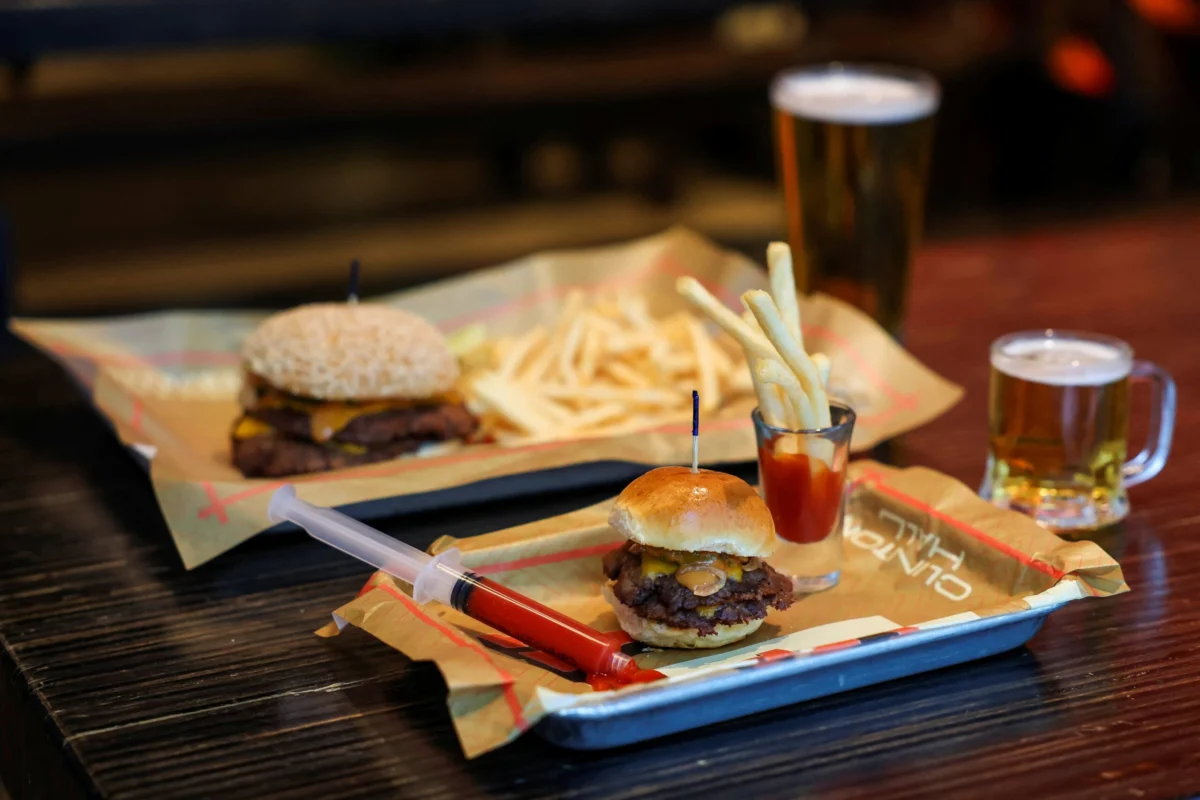
The culinary landscape is undergoing a profound transformation, driven by the surging popularity of GLP-1 agonist medications, now widely used for weight loss and diabetes management. With approximately one in eight American adults currently utilizing these drugs, the ripple effects are being felt across the restaurant and packaged food industries, prompting both significant threats to traditional business models and innovative opportunities for adaptation. From fine dining establishments to fast-food giants and snack manufacturers, companies are grappling with a shifting consumer palate characterized by reduced caloric intake, altered portion preferences, and a heightened demand for protein and fiber.
The Ascendancy of GLP-1 Agonists and Their Physiological Impact
GLP-1 (Glucagon-Like Peptide-1) receptor agonists, including blockbuster drugs like Ozempic, Wegovy, and Zepbound, were initially developed to treat type 2 diabetes. Their mechanism of action involves mimicking a natural hormone that regulates blood sugar, slows gastric emptying, and increases feelings of satiety, thereby suppressing appetite. This powerful combination has led to their widespread adoption as highly effective weight-loss treatments, fundamentally altering users’ relationships with food.
According to a November KFF Health Tracking Poll, roughly 12.5% of U.S. adults are currently taking a GLP-1 drug. This figure doesn’t even account for the 18% of respondents who reported having taken one at some point, indicating a broader exposure to these medications. Projections from JPMorgan are even more striking, estimating that over 30 million Americans could be on GLP-1 treatments by 2030, a substantial increase from the 10 million projected for 2026. This exponential growth is further fueled by the introduction of oral versions, such as Novo Nordisk’s Wegovy pill launched in January and Eli Lilly’s anticipated oral drug later this year, which are expected to remove the barrier of injectable administration for many potential users.
Economic Fallout and Industry Projections
The direct consequence of reduced appetite and increased satiety among GLP-1 users is a significant decrease in food consumption. KPMG data reveals that adults on GLP-1s consume an average of 21% fewer calories and spend nearly a third less on grocery bills. This translates into substantial economic headwinds for the food and beverage sector. JPMorgan analysts project that the escalating use of these medications could wipe out an astounding $30 billion to $55 billion in annual sales for the food and beverage industry as soon as 2030. This forecast underscores the urgency for companies to re-evaluate their strategies and adapt to a dramatically altered market.
The impact, however, is not uniform across all segments of the food industry. Don K. Johnson, principal of strategy and execution for EY-Parthenon, notes that "certain categories are more impacted than others," highlighting the nuanced challenges and opportunities at play.
Shifting Consumer Behaviors: A Deep Dive
The behavioral changes among GLP-1 users are multifaceted, extending beyond mere calorie reduction to influence purchasing habits and dining preferences. UBS Evidence Lab reports that about half of GLP-1 users consume fewer calories while on the medications.
- Snacking Under Siege: Once a rapidly expanding grocery segment, snacking has taken the most significant hit. An EY-Parthenon survey from last spring indicated that approximately 70% of GLP-1 users who reported consuming fewer calories also stated they were snacking less. This shift isn’t just about quantity but also quality, with users gravitating towards "healthier foods," as Johnson observes. This means a move away from traditional indulgent snacks like chips and pretzels towards options such as yogurt, nuts, and fruit. The emphasis is on nutrient density: protein to prevent muscle loss, fiber for gut health, and hydration to mitigate side effects like nausea and headaches.
- Dining Out Declines: The effects extend directly to restaurants, with about 60% of EY-Parthenon survey respondents reporting less frequent dining out. Bernstein analyst Danilo Gargiulo’s research notes indicate that restaurant visit frequency among GLP-1 users can plummet by as much as 45%, depending on the food category and occasion.
- Mealtime Disparities: The impact on restaurant traffic is also uneven across different meal times. Dana Baggett, executive director of restaurant client strategy at RRD, which collaborates with over 200 restaurant brands, notes that lunch has, so far, remained largely unaffected. However, breakfast has seen a noticeable decline, particularly among high-income GLP-1 users who constitute a larger portion of current patients. This translates to fewer sugary coffee drinks and doughnuts, pushing brands like Starbucks to innovate with protein-rich options such as protein cold foam to retain these customers. Dinner, especially at fast-food establishments, has borne the brunt of the decline, with traffic falling 6% among consistent users, contributing to an overall 0.4% decline in dinner-hour restaurant sales due to GLP-1 use. As adoption grows, this pressure is expected to intensify.
- Alcohol Consumption: A significant shift is also observed in beverage choices. Roughly 45% of survey respondents who are eating and drinking less reported reducing their alcohol intake. This poses a particular challenge for full-service restaurants where alcoholic beverages often contribute substantially to profit margins.
- Snacking Beyond Groceries: Snacking isn’t limited to grocery aisles; it also represents a notable portion of spending at limited-service restaurants like McDonald’s or Taco Bell, accounting for 12% of their sales according to Bank of America Global Research. This segment is therefore also vulnerable to the changing consumer habits.
Industry Adaptation: Restaurants Respond
Despite the challenges, restaurant executives generally maintain a measured perspective, viewing the trend as a gradual evolution rather than an immediate crisis. "I think there shouldn’t be this panic out there in the marketplace, but this is a trend that’s not going away," says RRD’s Baggett. "This is an amazing opportunity for brands to start repositioning themselves and focusing on what consumers want: less sugar, higher protein and that focus on fiber."
- Menu Innovation and Portion Control: Many restaurant chains are actively exploring menu adjustments. McDonald’s CEO Chris Kempczinski acknowledged the impact on snacking and sugary drinks, stating that GLP-1 users’ preferences are being considered in new menu development, building on the chain’s existing protein options. Domino’s Pizza CEO Russell Weiner, while noting no current impact on his "sharing occasion" dinner sales, expressed readiness for menu innovation if needed.
- Existing "GLP-1 Friendly" Options: Some brands find their existing offerings align well with the new dietary needs. Chipotle, for instance, launched grab-and-go protein cups in December, tapping into broader protein and snacking trends that coincidentally cater to GLP-1 users. Similarly, Darden Restaurants’ Olive Garden introduced a Lighter Portions menu last year, offering smaller, lower-priced versions of classic entrees. Darden CEO Rick Cardenas highlighted this as a move to provide more options for all customers, including those on GLP-1 medications.
- Strategic Repositioning: The focus is increasingly on providing options that are protein-rich, fiber-heavy, and available in smaller, controlled portions. This could mean more customizable meals, clear nutritional labeling, and a shift towards healthier ingredients across the board.
Packaged Food Giants Pivot to Health
The packaged food sector, facing direct threats to sales of indulgent snacks and processed foods, is also actively adapting.
- Portfolio Modernization: PepsiCo CEO Ramon Laguarta sees "more opportunities than threats." The company has been proactively modernizing its portfolio, releasing protein-packed Doritos, relaunching Gatorade, and introducing fiber-rich varieties of SunChips and Smartfood popcorn. These initiatives, part of a broader strategy to appeal to health-conscious consumers, are well-aligned with the dietary shifts observed in GLP-1 users.
- Explicit GLP-1 Targeting: Nestle has emerged as a frontrunner in explicitly addressing this new market segment. In 2024, it launched Vital Pursuit, a frozen-food brand specifically targeting GLP-1 users. Initially subtle, the packaging was later updated to prominently feature "GLP-1 friendly" labeling, which significantly boosted sales. Nestle USA CEO Marty Thompson emphasized this as a major initiative, planning expansion into beverages and protein shakes, clearly calling out protein and fiber content.
- Broader Appeal of Healthier Innovations: Even companies with less direct exposure to GLP-1 users are innovating. J&J Snack Foods, known for Dippin’ Dots and Icee, primarily operates in "experiential" venues like stadiums and theme parks, which CEO Dan Fachner believes provides some insulation. However, for its grocery business, J&J is developing "GLP-1 friendly" versions of core products, such as soft pretzels with added protein in smaller portions, and Luigi’s Italian Ice in "mini pop" sizes with antioxidants or hydration benefits. These innovations are designed to appeal not only to GLP-1 users but also to a wider health-conscious audience, such as parents seeking healthier snacks for their children.
Marketing to a New Demographic
The emergence of GLP-1 users as a distinct consumer segment necessitates tailored marketing and product development. "Whether it is labeling as GLP-1 friendly, decreasing the serving size, emphasizing protein content, or even when you shift over to the beverage world, because hydration is certainly a concern, there are a number of players that are starting to react to this," states EY-Parthenon’s Don K. Johnson. The direct marketing of "GLP-1 friendly" products, as exemplified by Nestle’s Vital Pursuit, represents a significant shift from generalized health marketing to targeted consumer segments. Advertisements for GLP-1 drugs themselves, increasingly visible during major events like the Super Bowl, further normalize their use and reinforce the need for food companies to respond.
The Evolving Landscape: Future Outlook and Challenges
The full impact of GLP-1 drugs is still unfolding, and the strategies of food and restaurant companies must remain agile.
- Cycles of Behavior: One key challenge lies in the potential for fluctuating usage patterns. About 5% of users discontinue the medications due to cost, side effects, or reaching their weight goals. EY’s Johnson points out that these individuals often maintain their reduced caloric intake for a few months before gradually reverting to previous eating habits. This creates a "cycle of behaviors" rather than a permanent "before" and "after," complicating long-term forecasting for manufacturers.
- Oral vs. Injectable: The widespread availability of oral GLP-1 drugs is expected to dramatically increase adoption rates, but it’s unclear how this will affect user adherence and demographics. Johnson speculates that oral versions might attract a new cohort of users who were deterred by injectables. This could lead to either more consistent usage due to convenience or potentially higher quit rates if the perceived commitment is lower. The influx of a new user base will further diversify the market and require continuous monitoring of consumer preferences.
- Long-Term Market Transformation: The overarching prediction remains clear: GLP-1 drugs will lead to much higher adoption, fundamentally reshaping consumer demand. This is not a fleeting trend but a structural shift that will necessitate ongoing innovation in product development, portioning, nutritional content, and marketing. Companies that embrace this challenge by offering healthier, more balanced, and appropriately sized options are poised to thrive in this evolving culinary landscape, while those resistant to change may face sustained pressure on their sales and market share. The great food reset is underway, and adaptation is the only path forward.
