

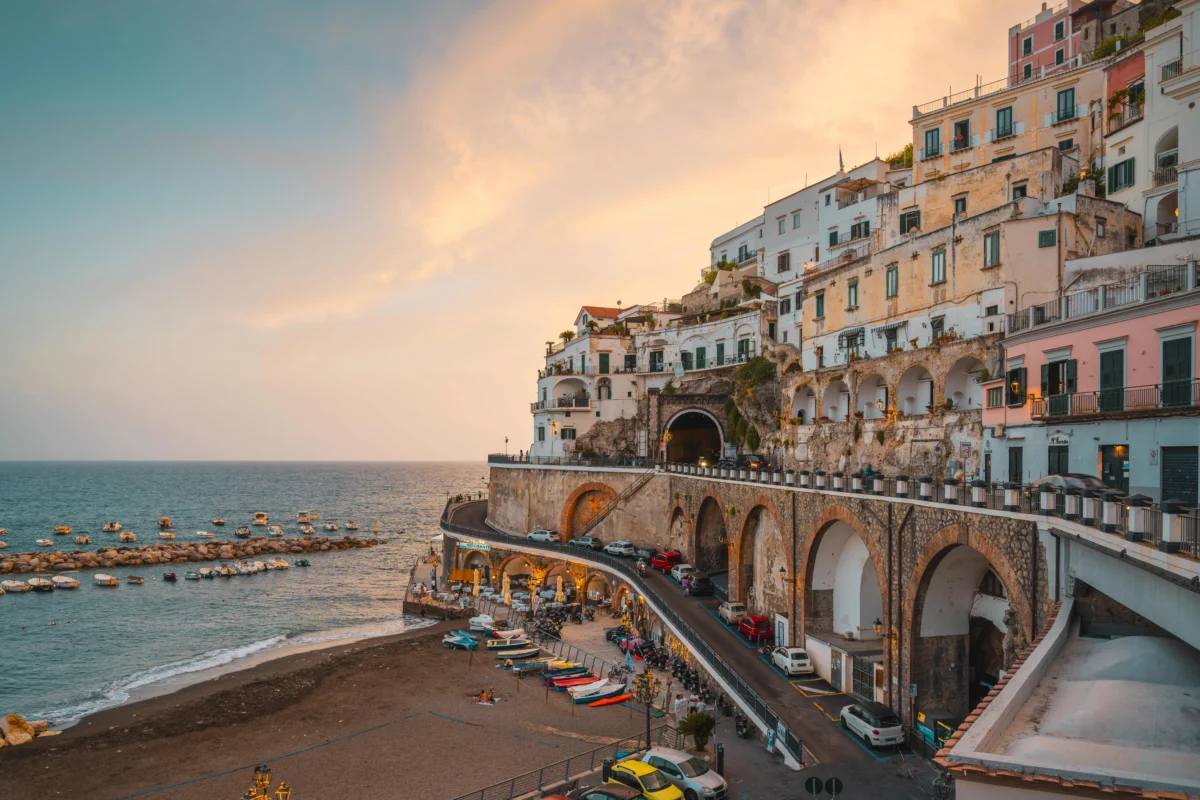
The traditional rhythm of global travel is undergoing a profound transformation, with autumn emerging as the new zenith for luxury tourism. A comprehensive new study reveals a significant migration of affluent travelers from the bustling summer months to the more temperate and, for now, less congested periods of September and October. This strategic recalibration, dubbed the "fallcation," is not merely a trend but a powerful redefinition of peak travel seasons, driven by a confluence of factors ranging from climate change to evolving demographic preferences and the insatiable demand for exclusive experiences.
The Rise of the Autumn Exodus
According to Virtuoso, a premier global network specializing in luxury travel, fall bookings and sales have witnessed an unprecedented surge. Data indicates a remarkable 59% increase in fall bookings for luxury travel and associated experiences compared to the previous year, with sales skyrocketing by an impressive 69%. September, traditionally a "shoulder season" month, has now eclipsed August in popularity, with sales climbing by a staggering 77%. October and November are not far behind, registering sales increases of 54% and 71% respectively. This dramatic shift underscores a deliberate strategy by high-net-worth (HNW) and ultra-high-net-worth (UHNW) individuals to optimize their travel experiences.
Misty Belles, Vice President at Virtuoso, articulated the magnitude of this change: "Especially for the high-net-worth and ultra-high-net-worth group, we’re seeing huge gains for fall this year. September is really eclipsing August. That shoulder season is no longer really a shoulder season. It’s becoming a peak season unto itself." This observation highlights a fundamental restructuring of demand within the luxury travel segment, a shift that travel experts note has been developing for several years but accelerated significantly in 2025 and 2026.
Chronology of a Shifting Paradigm
The seeds of the fallcation phenomenon were sown prior to the mid-2020s. For years, discerning travelers had observed the increasing congestion and rising costs associated with traditional summer holidays, particularly in highly sought-after European destinations. However, a confluence of global events and persistent trends acted as catalysts, accelerating this gradual shift into a definitive movement.
- Early 2020s: The post-pandemic travel resurgence saw an initial burst of pent-up demand, leading to unprecedented crowds and price hikes across popular destinations during conventional peak seasons. This period served as a stark reminder of the challenges of mass tourism.
- Mid-2020s (2025-2026): This period marked a critical inflection point. Sustained and increasingly severe summer heatwaves across Europe, particularly in the Mediterranean region, began to significantly degrade the summer travel experience. Coupled with continued high demand and the associated overtourism, these factors provided a powerful impetus for wealthy travelers to seek alternatives. The concept of "shoulder season" began to erode as its benefits became more apparent to a broader affluent demographic.
- Late 2020s (Present): The fallcation has solidified its position as a dominant trend. The data from Virtuoso for the current period clearly demonstrates that September and October are now firmly established as prime months for luxury travel, a direct consequence of the cumulative pressures and evolving preferences observed in the preceding years. This timeline illustrates a reactive and adaptive strategy by luxury consumers to secure more enjoyable, exclusive, and comfortable travel experiences.
Driving Forces Behind the Autumn Appeal
Several powerful forces are converging to propel the fallcation into prominence:
1. Climate Change and Unpleasant Summer Conditions:
The most immediate and tangible driver is the escalating impact of climate change. Recent summers have seen record-breaking temperatures across Europe, with heatwaves rendering travel in July and August increasingly uncomfortable, and at times, hazardous. Popular destinations like southern Italy, Greece, and the French Riviera, renowned for their sunshine, are now experiencing prolonged periods of extreme heat that detract from sightseeing, outdoor activities, and overall enjoyment. The pursuit of moderate temperatures becomes a primary motivator for shifting travel plans.
2. The Scourge of Overtourism and Crowding:
Beyond the heat, the sheer volume of tourists in popular destinations during summer has reached saturation levels. Iconic sites are besieged by long queues, charming villages are overwhelmed, and authentic local experiences are often diluted or lost amidst the throngs. Top hotels and Michelin-starred restaurants are frequently fully booked months in advance, often commanding exorbitant prices that, for many, no longer justify the compromised experience. Wealthy travelers, who value exclusivity and seamless service, are actively seeking to avoid the stress and disappointment associated with overcrowded destinations.

3. Shifting Economic Priorities and Growing Affluence:
Globally, there has been a noticeable shift in consumer spending patterns among the affluent, moving away from the acquisition of material goods towards the enrichment of experiences. This re-prioritization, coupled with a general increase in global wealth, particularly among HNW and UHNW individuals, fuels a robust demand for luxury travel. These individuals possess the financial flexibility to choose when and where they travel, unconstrained by traditional seasonal limitations. The investment in unique, memorable experiences now holds greater value than ever before.
4. Evolving Demographics and Lifestyle Freedom:
Demographic shifts play a crucial role in enabling this seasonal migration.
- Baby Boomers: A significant portion of global wealth is held by the baby boomer generation, many of whom are retired and possess the freedom and financial means to travel globally outside of conventional peak periods.
- Generation X: As their children increasingly reach adulthood and leave home, many Gen Xers are no longer tied to the rigid school calendar. This newfound flexibility allows them to explore destinations during quieter times.
- Millennials and Generation Z Digital Nomads: The rise of remote work and the "digital nomad" lifestyle among younger affluent generations further liberates them from the traditional office schedule. Not being tethered to a fixed location or a 9-to-5 routine empowers them to travel extensively during what were once considered off-peak months. This growing cohort of location-independent professionals significantly expands the pool of travelers who can embrace the fallcation.
As Misty Belles noted, "Wealthy travelers have more experience. They have experienced destinations in the summer. They know it’s hot. They know it’s crowded. They know it’s not often the best time to see a destination, so they’re shifting over to fall because the lines are going to be shorter, less crowded and the temperatures are more moderate." This encapsulates the pragmatic decision-making driving the phenomenon.
Preferred Destinations and Emerging Hotspots
The allure of autumn is particularly strong for specific luxury destinations. Virtuoso’s analysis reveals that wealthy American travelers are predominantly favoring European locales this fall, drawn by the promise of milder weather, vibrant cultural scenes, and the lingering charm of the European summer without its drawbacks.
- Europe Dominates: Paris, with its timeless elegance and rich cultural calendar, stands as the top destination. It is followed closely by the breathtaking Amalfi Coast, the glamorous French Riviera, and the pastoral beauty of Tuscany in Italy. These regions offer a blend of scenic beauty, gastronomic excellence, and cultural immersion that is arguably enhanced by the autumnal ambiance.
- Global Appeal: Beyond Europe, New York City maintains its perennial appeal, offering world-class arts, dining, and shopping experiences. London, Lake Como (Italy), Maui (Hawaii), and Rome also feature prominently on the list, demonstrating a diverse range of preferences for city breaks, scenic escapes, and island luxury. The enduring popularity of destinations like Maui underscores a desire for warm-weather retreats even in the fall, albeit likely with a reduced summer crowd.
The Paradox of Popularity: New Challenges Emerge
While the fallcation offers a respite from summer’s excesses, its very success is beginning to create new challenges. There are growing indications that the autumn shift is inadvertently recreating some of the very problems travelers sought to escape.
- Rising Fall Prices: The increased demand for fall travel is inevitably driving up prices. Travel experts report that hotel rates in Europe for September are now nearing, and in some cases, even exceeding summer rates. This dynamic pricing strategy by luxury hospitality providers reflects the robust demand. Virtuoso data illustrates this starkly: average daily hotel rates have surged by an astonishing 131% in the Greek Isles, 78% in Puglia in Italy, and a remarkable 179% on the French Riviera. These figures underscore a significant recalibration of pricing in response to the concentrated demand in these newly popular periods.
- Emerging Crowds: The initial benefit of fewer crowds in southern Europe is beginning to diminish, particularly in wealthier resorts. As more affluent travelers pivot to autumn, these once-serene periods are becoming increasingly congested. While perhaps not yet rivaling the peak intensity of July and August, the density of visitors in September and October is undeniably on the rise, potentially eroding the desired "un-crowded" experience. Misty Belles acknowledged this, stating, "I don’t think they’re expecting no crowds. But they are expecting a better experience than they would see in the summer and I think that’s going to continue for a while." This suggests a new baseline for acceptable crowd levels, distinct from the summer peak.
- The November Dilemma: As September and October become increasingly popular, the advice for truly crowd-averse luxury travelers might shift to November. However, even this later autumn month is experiencing heightened demand, with bookings already up 70%. This trend suggests a continuous push by luxury travelers to find the next "sweet spot," potentially extending the peak season further into the year and blurring the lines between traditional seasons entirely.
Broader Economic and Industry Implications
The rise of the fallcation has significant ramifications for the entire luxury travel ecosystem:
- Global Hotel Rate Inflation: The demand for luxury travel is not confined to fallcations but is pushing up high-end hotel rates globally. Bookings at hotels charging $1,500 or more per night have increased by 37% compared to last year. The average international luxury hotel now costs $1,653 per night, a substantial increase from $985 in 2019. This demonstrates a robust willingness among the affluent to pay a premium for exceptional experiences. Belles further explained, "Rates are growing at a faster clip [for luxury] than the lower-rate hotels, so that tells us there is a premium placed on the experience. The demand is certainly strong."
- Redefining "Shoulder Season": The very concept of a "shoulder season" is being redefined. What was once a quieter, more affordable period for travel is now evolving into a distinct, high-demand peak. This challenges traditional business models for airlines, hotels, and tour operators, requiring them to adapt pricing strategies, staffing levels, and marketing efforts to cater to these new peaks.
- Sustainability and Overtourism Management: The shift raises questions about the long-term sustainability of tourism. If autumn merely becomes a new high-pressure period, destinations will need to implement year-round strategies for visitor management, infrastructure development, and environmental protection. This could involve promoting lesser-known areas, diversifying tourism offerings, or implementing stricter regulations to preserve local character and resources.
- Innovation in Travel Products: The demand for exclusive, tailored experiences will likely drive further innovation in luxury travel products. This could include more private tours, unique cultural immersions designed for smaller groups, or bespoke itineraries that deliberately steer clear of newly crowded areas, even during the fall.
- Impact on Local Economies: While a more evenly distributed tourism season could benefit local economies by providing more consistent revenue streams throughout the year, concentrated pressure during new "peak" fall months could also strain local resources and infrastructure, similar to the summer challenges.
Looking Ahead: The Ever-Evolving Landscape of Luxury Travel
The fallcation phenomenon is a compelling illustration of how global trends—from climate change to demographic shifts and economic re-prioritizations—are reshaping the landscape of luxury travel. While it currently offers a strategic advantage for those seeking a more refined experience, its growing popularity suggests that the quest for tranquility and exclusivity will continue to drive affluent travelers to ever-newer temporal and geographic frontiers. The luxury travel sector remains dynamic and highly responsive, constantly adapting to the desires and demands of its discerning clientele, even as the "peak" continues its elusive dance across the calendar.
