

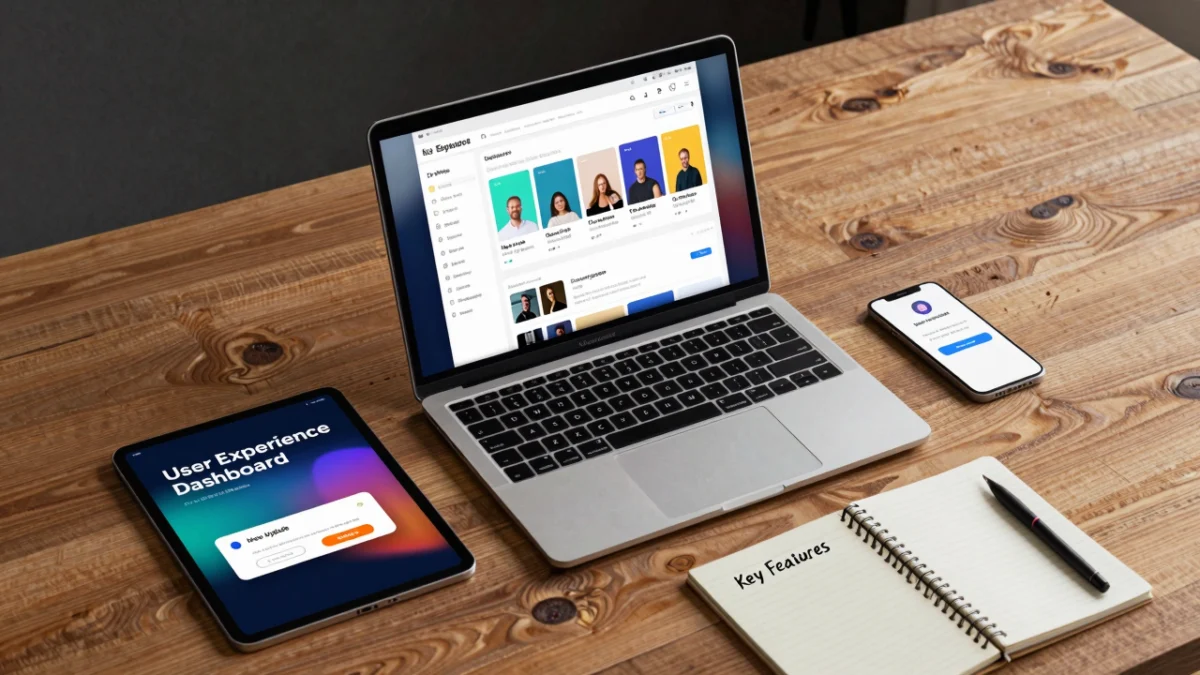
The landscape of software-as-a-service (SaaS) marketing and sales is undergoing a fundamental transformation as enterprises increasingly prioritize interactive software demos to boost user engagement and secure high-value conversions. In an era where potential buyers conduct the majority of their research before ever speaking to a sales representative, the ability to showcase product capabilities through immersive, real-world scenarios has become a critical differentiator. Modern software demos have moved beyond static screenshots and passive video recordings, evolving into dynamic environments that allow prospects to experience "a-ha moments" early in the sales cycle. By integrating interactive elements, personalized data, and strategic placement across the sales funnel, organizations are successfully bridging the gap between product interest and final purchase decisions.

The Strategic Shift Toward Interactive Product Experiences
The traditional approach to software demonstrations—often characterized by long, scripted monologues and rigid slide decks—is being replaced by a more agile and user-centric model. Recent industry data indicates that 79% of B2B buyers now prefer live, interactive walkthroughs over static presentations. This shift is driven by the modern consumer’s desire for autonomy and hands-on validation of a product’s utility. When a prospect can navigate a software interface in a risk-free, "sandbox" environment, the perceived barrier to entry drops significantly.
Industry analysts suggest that the rise of "Product-Led Growth" (PLG) strategies has necessitated this change. In a PLG model, the product itself serves as the primary driver of customer acquisition, retention, and expansion. Consequently, the demo is no longer just a sales tool; it is the first stage of the user experience. By providing an interactive replica of the software, companies allow users to assess the fit for their specific operational needs without the friction of a formal login or a long-term commitment. This "try-before-you-buy" mentality, supported by high-quality demo software, has been shown to increase completion rates and accelerate the transition from lead to loyal customer.

A Chronology of Product Demonstration Strategies
The evolution of the software demo can be traced through several distinct phases, each reflecting the technological capabilities and buyer expectations of its time.
- The Legacy Era (Pre-2010): Demos were primarily conducted in person or via complex web-conferencing tools. They relied heavily on "canned" environments that were prone to technical glitches.
- The Video Revolution (2010–2018): As bandwidth increased, companies turned to high-definition screen recordings and narrated videos. While more reliable than live builds, these were passive experiences that lacked personalization.
- The Rise of Interactivity (2019–2023): Specialized platforms emerged, allowing marketing teams to create "no-code" interactive demos. This period saw the integration of realistic demo data, enabling sales reps to tailor presentations to specific industries.
- The AI and Personalization Era (2024–Present): Current trends involve the use of Artificial Intelligence to automate demo creation and hyper-personalize content. By 2026, it is projected that interactive demos will be the standard for 62% of product pages across the SaaS sector.
The Data-Driven Case for Interactive and Personalized Demos
Statistical evidence reinforces the necessity of personalization in the modern sales process. Approximately 85% of sales professionals report that tailoring demo content to the specific pain points of a prospect significantly boosts interest and engagement levels. This personalization goes beyond simply adding a company logo; it involves populating the demo environment with data that mirrors the prospect’s actual industry, scale, and challenges.

Furthermore, the placement of these demos within the digital ecosystem plays a vital role in their effectiveness. Data shows that 62% of top-performing software companies place interactive demos directly on their product pages, while 48% feature them prominently on their homepages. This strategic positioning ensures that potential users encounter the product’s value proposition at the exact moment their intent is highest.
Engagement metrics also highlight the importance of brevity and narrative structure. The most effective demo videos are typically 60 to 90 seconds long. This window is sufficient to present a "Problem-Solution-Outcome" narrative without exceeding the viewer’s attention span. Within this timeframe, the demo must address a specific challenge, demonstrate how the software solves it, and visualize the positive outcome, such as time saved or revenue generated.

Analyzing the Competitive Landscape of Demo Creation Tools
As the demand for high-quality demos grows, a robust ecosystem of tools has emerged to help companies build these experiences without requiring extensive engineering resources.
- Navattic and Storylane: These platforms focus on creating "guided" interactive walkthroughs. They allow marketing teams to capture product screens and overlay them with instructional tooltips, making it easy for prospects to explore features at their own pace.
- Walnut: Known for its browser extension, Walnut enables sales teams to personalize demos quickly. It also provides advanced analytics to track how prospects interact with different parts of the demo, offering insights into which features are the most compelling.
- Reprise and Supademo: These tools leverage AI and automated screen capture to reduce the time required to build a demo. Reprise, in particular, offers "sandbox" environments that look and feel like the live product but remain isolated from the actual backend, ensuring stability during high-stakes sales calls.
While these tools offer immense value, they also present challenges. For instance, some platforms lack comprehensive mobile support, which is a growing concern as more B2B research is conducted on smartphones. Experts suggest that for a demo to be truly effective in 2025 and beyond, it must be mobile-optimized and offer seamless performance across all devices.

The Psychological Framework: Mapping the "A-ha Moment"
The primary goal of a software demo is to trigger the "a-ha moment"—the precise point when a user understands the value of the product and can visualize it solving their problems. Achieving this requires a deep understanding of user psychology and journey mapping.
To facilitate these moments, developers and marketers must identify the core "value units" of their software. For a CRM like Salesforce, the "a-ha moment" might occur when a user sees how easily a lead can be tracked through a pipeline. For a project management tool like Notion, it might be the moment a user realizes how disparate notes can be linked into a cohesive database. By centering the demo around these pivotal interactions, companies can create a more emotional and lasting connection with the user.

Measuring ROI: Metrics That Matter for Sales Organizations
To justify the investment in interactive demo technology, organizations must track specific Key Performance Indicators (KPIs). Quantitative analysis should focus on:
- View Duration: Sustained interest for more than 30 seconds is often a lead indicator of high intent.
- Click-Through Rates (CTR): Monitoring how many users move from the demo to a "Free Trial" or "Request a Quote" button provides a direct measure of conversion effectiveness.
- Deal Velocity: Sales teams should compare the length of the sales cycle for prospects who engaged with an interactive demo versus those who did not. Early data suggests that interactive demos can reduce the sales cycle by 15-20%.
- Close Rates: Tracking the final conversion of demo viewers into paying customers within a 30-to-60-day window offers the most definitive look at ROI.
Broader Impact and Future Implications for 2026
Looking ahead to 2026, the integration of AI will likely make demos even more autonomous. We can expect "self-healing" demos that update automatically when the product’s UI changes, as well as AI avatars that can answer prospect questions in real-time during a recorded walkthrough.

The broader impact of this evolution is a more democratic and transparent sales process. Buyers are no longer willing to sit through hours of discovery calls just to see a product’s interface. By providing immediate, interactive access to software capabilities, companies are fostering a culture of trust and efficiency. This transparency not only benefits the buyer but also allows sales teams to focus their energy on highly qualified leads who have already "vetted" the product through a demo.
In conclusion, the software demo has transitioned from a supporting asset to a central pillar of the SaaS growth engine. Organizations that embrace interactivity, prioritize personalization, and utilize data to refine their approach will be well-positioned to lead their respective markets. As the digital landscape becomes increasingly crowded, the ability to deliver a clear, compelling, and hands-on product experience will remain the ultimate competitive advantage.
