

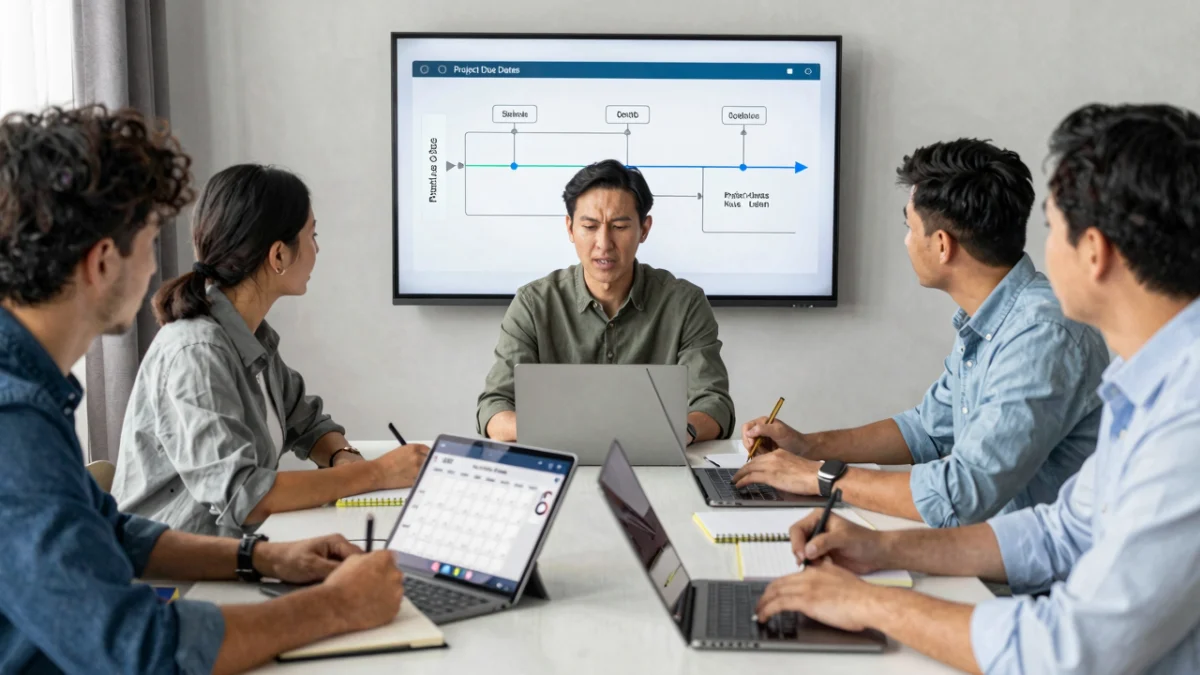
The global shift toward distributed workforces has transformed the role of the manager from a physical supervisor to a digital orchestrator, necessitating a sophisticated suite of tools to maintain productivity and team cohesion. As organizations move beyond the reactionary phase of the 2020 pandemic, the focus has shifted toward long-term sustainability through the integration of communication platforms, project management software, and performance tracking systems. To succeed in this environment, remote managers are increasingly relying on a foundational tech stack that includes instant messaging services like Slack or Microsoft Teams, task-tracking applications such as Asana and Trello, and centralized knowledge repositories. This transition represents more than a change in software; it is a fundamental shift in management philosophy, emphasizing asynchronous communication and data-driven accountability over traditional office-based oversight.

The Historical Context and Chronology of Remote Management
The trajectory of remote management has evolved through distinct phases over the past two decades. In the early 2000s, remote work was largely reserved for freelance contractors or specific technical roles, primarily facilitated through email and basic virtual private networks (VPNs). The mid-2010s saw the emergence of "SaaS" (Software as a Service) platforms, which laid the groundwork for real-time collaboration. However, the true catalyst for the current landscape was the global lockdowns of early 2020, which forced a decade’s worth of digital transformation into a single fiscal quarter.
Following the initial scramble for video conferencing tools like Zoom, the period between 2021 and 2023 was marked by "tool fatigue." Managers realized that simply replicating office meetings in a virtual space was insufficient and led to burnout. This led to the current era of "Optimization and Asynchronicity." Today’s remote management strategy prioritizes documentation and structured workflows to accommodate team members across different time zones, reducing the need for constant real-time check-ins and allowing for deep-work periods.

Essential Infrastructure: Communication and Collaboration Platforms
Effective remote management is predicated on the quality of communication channels. Unlike a physical office where information can be disseminated through casual interactions, remote environments require intentionality. Industry leaders such as Slack and Microsoft Teams have become the "digital headquarters" for modern enterprises. These platforms offer more than just instant messaging; they provide a searchable history of decisions, which is vital for maintaining a centralized knowledge base.
Recent industry data suggests that teams utilizing integrated communication platforms see a 20% to 25% increase in productivity compared to those relying solely on email. These tools allow for the creation of specific channels dedicated to projects, departments, or even social interests, helping to mimic the "water cooler" effect that fosters team bonding. Furthermore, the integration of video conferencing directly into these hubs minimizes the friction of transitioning between different types of communication, thereby reducing the cognitive load on employees.

Project Management and the End of Micromanagement
The transition to remote work has effectively rendered traditional micromanagement obsolete, replacing it with transparent project management frameworks. Software such as Asana, Trello, and ClickUp provides a visual representation of the team’s workload, deadlines, and individual responsibilities. By using these tools, managers can track progress without the need for intrusive daily status meetings.
For software development and technical teams, Jira has become the standard for agile management, allowing for sprint planning and detailed issue tracking. Meanwhile, platforms like Monday.com offer highly customizable workflows that can be tailored to non-technical departments such as marketing, human resources, or legal. The primary benefit of these systems is visibility; when every team member knows exactly what is expected of them and can see the progress of their colleagues, it creates a self-regulating environment of accountability. According to a 2023 survey of project managers, organizations using specialized PM software were 2.5 times more likely to complete projects on time and within budget than those using manual tracking methods.

Data-Driven Accountability and Performance Tracking
One of the most significant challenges in remote management is the objective measurement of performance. In a physical office, "presence" was often mistaken for "productivity." In a remote setting, managers must rely on tangible output and key performance indicators (KPIs). Performance tracking tools allow for real-time monitoring of task completion rates and quality metrics.
However, the implementation of these tools requires a delicate balance. Excessive surveillance can lead to a breakdown in trust and increased employee turnover. Forward-thinking managers are moving away from "keystroke logging" and toward "outcome-based tracking." Tools like Toggl or Harvest help team members track their time spent on specific tasks, providing valuable data for future project estimations and identifying potential bottlenecks. This data-driven approach allows managers to intervene early when a project is at risk, providing support rather than punishment.

The Role of Centralized Knowledge and File Sharing
In a distributed team, the "single source of truth" is the most valuable asset. Misunderstandings often arise when team members are working from outdated versions of documents or are unaware of recent policy changes. Cloud-based file-sharing systems like Google Drive, Dropbox, and Microsoft OneDrive have become indispensable for maintaining version control and ensuring accessibility.
Beyond mere storage, documentation tools like Notion or Confluence are being used to create internal "wikis." These repositories house everything from onboarding procedures to technical specifications and meeting notes. When a new hire joins a remote team, a well-documented knowledge base can reduce onboarding time by up to 30%, as the individual can self-serve information rather than waiting for a colleague to become available. This centralization is a critical component of building a resilient organization that is not dependent on the physical presence of any single individual.

Supporting Data and Economic Impact of Remote Management Tools
The economic implications of the remote management tool market are substantial. The global team collaboration software market was valued at approximately $27 billion in 2022 and is projected to reach over $52 billion by 2030, growing at a compound annual growth rate (CAGR) of 9.5%. This growth is driven by the increasing demand for high-speed internet, the proliferation of mobile devices, and the corporate shift toward hybrid work models.
From a cost-benefit perspective, while the licensing fees for premium management tools can be significant—often ranging from $10 to $30 per user per month—the savings in physical real estate and increased employee retention often far outweigh these costs. A study by Global Workplace Analytics found that a single company can save an average of $11,000 per year for every employee who works remotely half of the time. These savings are frequently reinvested into better digital infrastructure and employee wellness programs.

Industry Perspectives and Official Responses
Tech giants and HR analysts have weighed in on the necessity of these digital transitions. Satya Nadella, CEO of Microsoft, has frequently spoken about the concept of "digital debt," where the volume of data and communication outweighs the human capacity to process it. He argues that the next generation of management tools must leverage Artificial Intelligence (AI) to summarize meetings, prioritize tasks, and reduce the "noise" of digital work.
Similarly, the leadership at Atlassian, a company that has fully embraced a "Team Anywhere" policy, emphasizes that tools are only as effective as the culture they support. Their official stance is that remote management success is 20% tools and 80% culture and practice. This sentiment is echoed by HR consultancy firms like Gartner, which advises that managers must be trained specifically in "digital empathy"—the ability to recognize signs of burnout or disengagement through digital interactions.

Broader Implications: The Future of Global Talent and Urban Development
The mastery of remote management tools has opened the door to a truly global talent pool. Companies are no longer restricted by the geographic boundaries of their headquarters. A firm in New York can seamlessly integrate a designer in Berlin and a developer in Bangalore, provided they have the right management infrastructure in place. This has led to a "democratization of opportunity," where high-skill workers in developing economies can access global markets without relocating.
However, this shift also presents challenges for urban centers that were previously built around corporate hubs. The decline in commercial real estate demand has forced cities to rethink their economic models. Conversely, it has led to the rise of "Zoom towns"—smaller communities that offer a high quality of life for remote workers who are no longer tethered to expensive metropolitan areas.

Conclusion and Future Outlook
As we look toward the future, the integration of AI and machine learning into remote management tools is the next frontier. We can expect to see tools that not only track progress but also predict project delays before they happen and suggest optimal workload distributions based on individual team member strengths. The "smart" project management office will likely become a standard feature of the corporate landscape.
To succeed as a remote manager in this evolving environment, one must remain adaptable. The toolset that works today may be obsolete in three years. Continuous assessment of team needs, regular feedback loops, and a commitment to maintaining the human element in a digital space are the hallmarks of successful leadership. By leveraging communication platforms, project management software, and performance tracking with intentionality, managers can create a productive, cohesive, and resilient remote work environment that is built for the challenges of the 21st century.
