

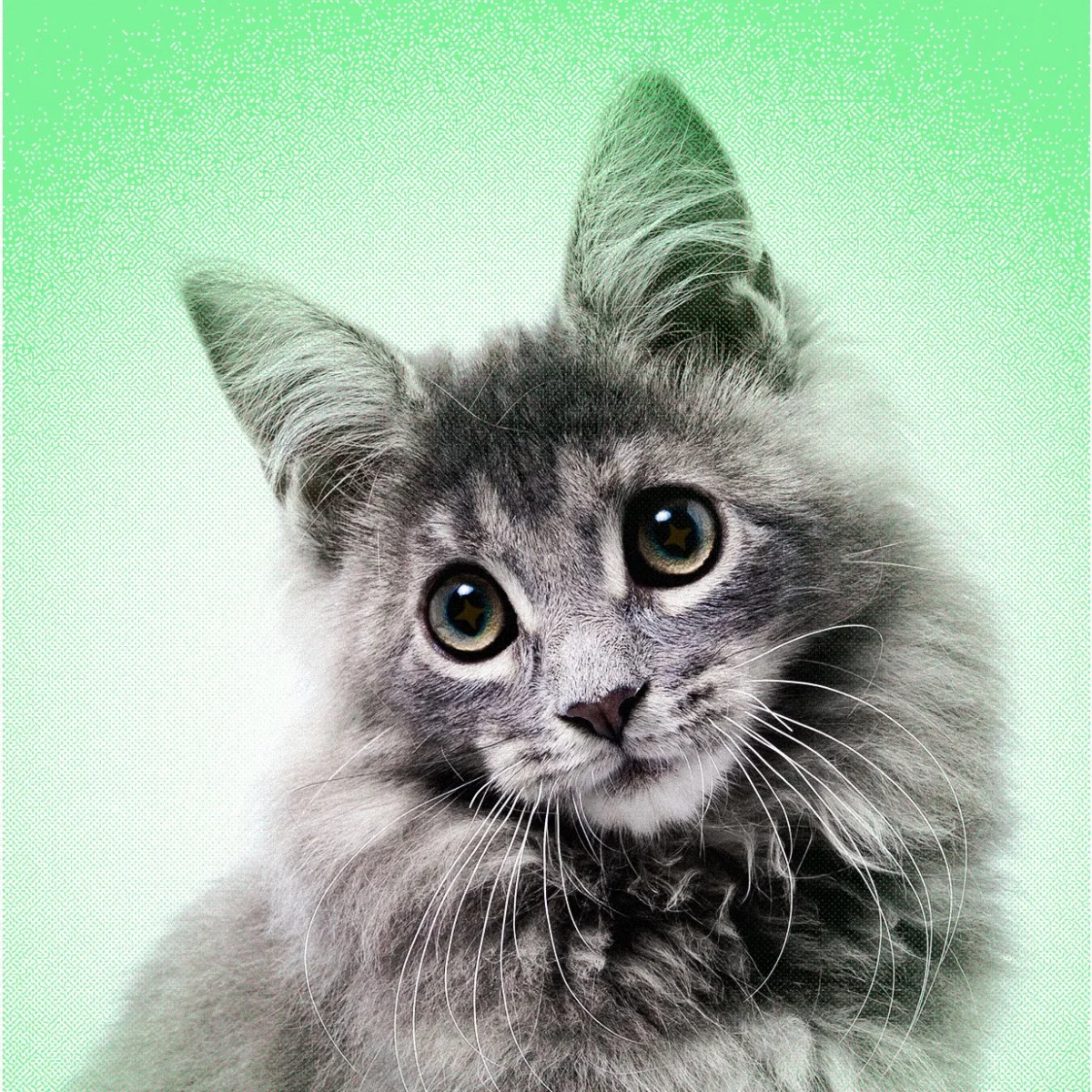
The internet, once a vibrant tapestry woven with genuine moments of joy and compassion, is now facing an insidious threat to one of its most cherished aspects: depictions of animals. The proliferation of artificial intelligence (AI)-generated videos and images has reached a critical juncture, leaving a growing number of users, creators, and animal welfare organizations in a state of perpetual skepticism. From heroic rescues of polar bears from melting ice floes to the heartbreaking separation of calves from their mothers and the miraculous recovery of lost pets, the authenticity of online animal content is increasingly being questioned. This surge of AI-generated "slop" and deepfakes has fostered widespread frustration, compelling viewers to meticulously scrutinize every pixel for telltale signs of artificial creation, turning a once-simple act of appreciation into an exhausting digital detective mission.
The Scammer’s Deceptive Canvas: A Lost Cat, a Fake Photo, and a Broken Heart
The personal toll of this digital deception was starkly illustrated by Mibbby Butler’s experience in April. Her world was momentarily lifted when she received a text message claiming her lost cat, Brooklyn, had been found. The narrative presented was that her roommate’s boyfriend had allegedly abandoned the feline 30 minutes away in the Los Angeles suburbs the previous day. Eager to reunite with her beloved pet, Butler swiftly disseminated a missing poster on social media and embarked on a desperate search with her roommate. Their efforts were seemingly rewarded when a stranger sent a photograph: Brooklyn, perched on a kitchen counter, cradled by a young girl.
"My baby is OK!" Butler exclaimed to her roommate, a surge of relief washing over her. However, the sender’s subsequent demand for upfront payment for Brooklyn’s supposed temporary care immediately triggered Butler’s suspicion. Closer examination of the photograph revealed unsettling anomalies. Brooklyn was positioned in an identical pose to the one in Butler’s missing poster. Crucially, a Torani syrup bottle and a microwave were visible in the background of both images. In the purported "found" photo, however, the text on the syrup bottle’s label appeared garbled and distorted – a classic indicator of AI manipulation. Disheartened, Butler refused to pay, admitting, "I didn’t know people scammed for lost pets." She also opted not to report the incident to the police, uncertain if a crime had been committed. Four months later, Brooklyn remains missing, a poignant testament to the evolving tactics of online predators.
The Erosion of Credibility: Documenting Abuse in the Age of AI
The deluge of synthetic imagery poses a significant challenge for organizations dedicated to documenting and exposing animal cruelty. We Animals, a nonprofit organization that has published the work of 175 photojournalists documenting alleged abuse and harm at farms, circuses, and scientific laboratories, is grappling with this new reality. Eva von Jagow, the group’s marketing manager, explained that their inherently shocking content naturally invites skepticism. However, this skepticism is now being weaponized and amplified by the accessibility of AI generation tools.
For instance, drone footage shared by We Animals, depicting vast rows of hutches allegedly used to house calves separated from their mothers on a dairy farm in Arizona, has been met with accusations of being AI-generated. The visual precision and almost “mesmerizingly perfect” composition, while intended to convey the scale of the operation, has unfortunately become a point of contention. In the past, We Animals has faced claims of their work being staged or photoshopped. Now, even with a strict policy banning photographers from using AI technology, some viewers are quick to attribute the imagery to artificial intelligence. "How to prove it’s not AI?" was a common sentiment expressed in comments on their social media posts, reflecting a pervasive distrust.
To combat this erosion of trust, We Animals is implementing new strategies. They plan to share more behind-the-scenes footage and detailed accounts of their submission verification processes. Furthermore, they intend to adopt technology that embeds provenance and editing history directly into digital files of photographs and videos. Victoria de Martigny, the group’s director of visual content, emphasized the critical importance of preserving trust, warning that a loss of credibility could lead to all their vital work being questioned.
The Economic Incentive: Likes, Revenue, and the Drowning of Truth
The economic implications of AI-generated animal content are significant. While authentic, evocative images serve as a crucial tool for conservation and welfare projects to solicit donations, synthetic imagery offers a convenient and cost-effective pathway for malicious actors to accumulate likes and generate ad revenue. Oscar Horta, a philosopher and prominent animal activist who recently co-directed a short film on the impact of AI on wildlife, explained that the lower production costs of fakes allow them to proliferate and potentially "drown out real clips in social feeds and search results."
Horta expressed grave concern over the increasingly outlandish AI-generated animal videos circulating online, citing examples of wild animals purportedly being rescued from fires and floods. He fears that such fabricated scenarios will lead the public to question the legitimacy of genuine rescue efforts and, consequently, hamper crucial fundraising initiatives. This is a particularly alarming prospect given the escalating frequency and intensity of extreme weather events globally, which place immense pressure on wildlife and conservation organizations.
The Peril of Misinformation: Inspiring Harm and Undermining Empathy
Beyond the financial and trust-related repercussions, inauthentic animal content carries the potential to inspire dangerous actions and foster a disconnect from genuine animal welfare needs. "There are deepfakes of polar bears drowning and people on boats coming and rescuing them," Horta noted, describing these fabricated scenes as "ridiculous" and "unrepresentative of what it means to help animals." Such unrealistic portrayals can distort public perception of animal behavior, their environments, and the complex realities of conservation, potentially leading well-intentioned individuals to engage in harmful interventions.
A Multifaceted Approach: Policy, Ethics, and Technological Safeguards
In response to the growing threat, researchers and policymakers are exploring a range of solutions to curb the creation and dissemination of AI-generated misinformation about animals. Jeff Sebo, director of the Center for Mind, Ethics, and Policy at New York University, is advocating for AI developers to integrate ethical guidelines into their model development, specifically discouraging the generation of content that could be harmful to animals. The objective, Sebo explained, is to "emphasize the importance of staying grounded in evidence and reason" when considering the potential suffering of individual creatures, while avoiding overly moralistic or restrictive approaches.
Legislative measures are also being enacted. New laws in California and the European Union now mandate that the most prominent AI image generators embed invisible digital tags, signaling that content has been artificially created. Social media platforms are then required to utilize these tags to publicly label AI-generated images and videos. This regulatory push aims to provide users with a clearer distinction between authentic and synthetic media.
Rebuilding Trust: Verification Tools and User Awareness
Restoring public trust will likely require a combination of increased public awareness about AI capabilities and the wider availability of robust verification tools. Platforms like ChatGPT, Gemini, and Meta AI offer features that can identify whether an image was generated by their respective chatbots. However, the practical application of these tools faces limitations. The sheer volume of content encountered daily means most users do not have the time to upload every animal photo or video for verification. Furthermore, usage caps on some platforms restrict the number of images that can be checked.
Integrating verification tools directly into messaging applications and web browsers, with default activation (coupled with robust privacy protections), could significantly enhance their utility and encourage broader adoption. Imagine a scenario where your smartphone automatically flags a suspicious image of a lost pet, as might have been the case for Mibbby Butler. Butler continues to receive deepfake images of her missing cat, Brooklyn, approximately once a month. Tests conducted by WIRED confirmed that ChatGPT generated at least one of these images, depicting a purported Brooklyn eating in front of a doorstep. Using a concise 29-word prompt and the original photograph of Brooklyn from Butler’s missing poster, WIRED was able to recreate a nearly identical image using ChatGPT.
Finding Sanctuary in the Authentic: The Enduring Appeal of Human Creation
Butler’s ongoing struggle highlights the pervasive nature of AI-generated content. Despite blocking users who post these fakes on her social media feeds, new accounts persistently emerge. She now finds solace and a sense of community in a Facebook group for artists who oppose AI, a group boasting nearly 300,000 members. This online sanctuary allows her to appreciate art that she can reliably identify as human-created, a small comfort as she continues to hope for Brooklyn’s eventual safe return. The digital landscape, once a reliable source of animal-related joy, is now a battleground for authenticity, demanding vigilance and innovative solutions to protect genuine compassion and critical conservation efforts from the encroaching tide of artificial deception.
