

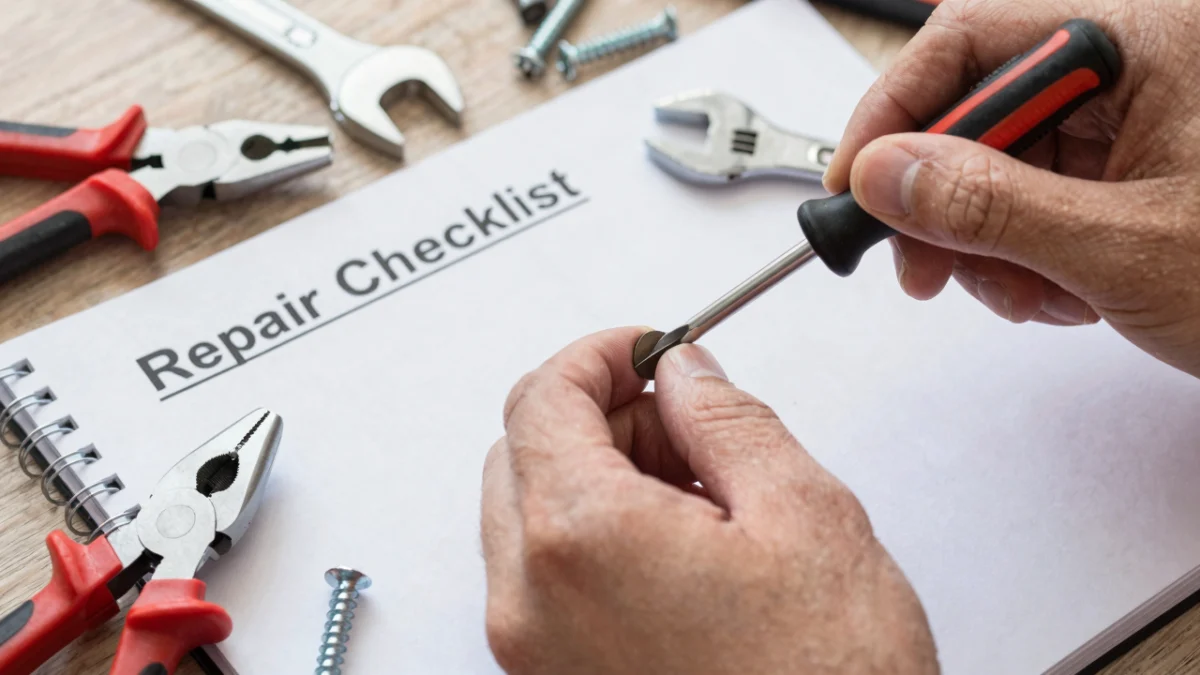
In an era of rising inflation and increasing household operational costs, the strategic maintenance of home appliances has transitioned from a casual chore to a critical financial and environmental imperative. Industry experts and consumer advocacy groups suggest that proactive care can extend the lifespan of major appliances by as much as 50%, while simultaneously reducing monthly energy consumption by up to 30%. As the cost of new units for refrigerators, ovens, and washing machines continues to climb due to supply chain complexities and advanced technological integration, the "repair over replace" philosophy is regaining traction among homeowners seeking to preserve their capital and reduce their environmental footprint.
The Economics of Appliance Longevity: The 50 Percent Rule
The decision to repair or replace a malfunctioning appliance is often dictated by the "50 Percent Rule." This industry standard posits that if an appliance is more than halfway through its expected lifespan and the cost of a single repair exceeds 50% of the price of a new unit, replacement is the more economically viable path. However, this rule assumes a baseline of wear and tear that can be significantly mitigated through routine maintenance.

Data from the Association of Home Appliance Manufacturers (AHAM) indicates that the average lifespan of a refrigerator is approximately 10 to 13 years, while clothes dryers and ranges can last up to 15 years. When these machines fail prematurely, it is frequently due to preventable issues such as clogged filters, overworked motors, or neglected sensors. By adhering to a rigorous maintenance schedule, homeowners can shift the economic math in their favor, delaying large capital outlays and ensuring that their machines operate at peak efficiency throughout their functional lives.
Maximizing Thermal Efficiency in Refrigeration and Cooking
Refrigerators are among the few household appliances that run 24 hours a day, making them one of the largest contributors to a home’s energy profile. The primary point of failure and efficiency loss in these units is the condenser coil. Over time, these coils accumulate dust, pet hair, and debris, forcing the compressor to work harder to dissipate heat. According to the U.S. Department of Energy, cleaning refrigerator coils just once or twice a year can improve cooling efficiency by 25%.
Furthermore, temperature calibration is essential for both food safety and energy conservation. The recommended setting for a refrigerator is 37°F (3°C), while the freezer should be maintained at 0°F (-18°C). Deviations from these settings can lead to either premature food spoilage or unnecessary energy expenditure.

In the kitchen, the oven remains a centerpiece of the home, yet it is often one of the least calibrated instruments. A discrepancy of just 25 degrees can ruin delicate baked goods and increase cooking times. Professional technicians recommend using a high-quality independent thermometer to verify the oven’s internal temperature. If a discrepancy is found, most modern digital ovens allow for a manual offset adjustment, a process detailed in the manufacturer’s service manual that can often be performed by the homeowner without specialized tools.
The Critical Role of Gaskets and Seals in Energy Conservation
One of the most overlooked components of home maintenance is the integrity of airtight seals, known as gaskets. These rubberized strips are responsible for keeping cold air inside refrigerators and heat inside ovens and dishwashers. When a gasket becomes brittle, cracked, or dirty, the appliance must consume significantly more energy to maintain its internal environment.
A common diagnostic for refrigerator seals is the "dollar bill test." By closing the appliance door on a currency note and attempting to pull it out, a homeowner can gauge the tightness of the seal. If the bill slides out with little resistance, the gasket is likely failing. Replacing a gasket is a relatively low-cost repair—often under $100—that can prevent hundreds of dollars in energy waste over the course of a year. Keeping these seals clean with basic warm water and mild soap prevents the buildup of sticky residues that can cause the rubber to tear during normal operation.

Laundry Systems: Preventing Mechanical Strain and Fire Hazards
The maintenance of laundry appliances involves both mechanical preservation and significant safety considerations. For washing machines, the primary cause of premature motor failure is overloading. When a machine is packed beyond its rated capacity, it puts immense strain on the drive belt, motor, and bearings. Experts suggest following the "three-quarters rule," where the drum is never filled more than 75% of the way to the top, allowing clothes to move freely and the machine to remain balanced.
In the case of clothes dryers, maintenance is a matter of life safety. The National Fire Protection Association (NFPA) reports that clothes dryers are responsible for thousands of structure fires annually, with the leading cause being a failure to clean lint traps and vents. While cleaning the lint screen after every load is common knowledge, the internal vent system—the ductwork leading to the outside of the home—should be professionally cleaned or vacuumed at least once a year. A clear vent not only prevents fires but also allows the dryer to exhaust moist air more efficiently, shortening cycle times and reducing wear on the heating element.
Establishing a Lifecycle Management Schedule
Consistency is the cornerstone of effective appliance maintenance. Industry professionals recommend a tiered chronology of tasks to ensure no component is neglected:

Monthly Tasks:
- Inspect and clean the range hood grease filters.
- Clean the garbage disposal with ice cubes and lemon peels to sharpen blades and remove odors.
- Wipe down the seals of the washing machine and dishwasher to prevent mold growth.
Bi-Annual Tasks (Every Six Months):
- Deep clean the dishwasher filter to prevent drainage clogs and ensure hygiene.
- Inspect the water supply hoses on the washing machine for bulges or leaks; these should be replaced every five years regardless of appearance to prevent catastrophic flooding.
- Vacuum the refrigerator condenser coils.
Annual Tasks:

- Deep clean the dryer exhaust duct.
- Recalibrate the oven temperature.
- Test the pressure relief valve on the water heater and flush the tank to remove sediment buildup, which can decrease heating efficiency by 15%.
The Human Factor: Education and Professional Intervention
A comprehensive maintenance strategy must involve every member of the household. Teaching family members the importance of gentle handling—such as not slamming appliance doors or using the correct amount of high-efficiency (HE) detergent—can prevent "nuisance" service calls. Many modern appliances utilize sensitive electronic sensors and plastic latches that are easily damaged by forceful use, leading to repairs that, while simple, often carry high labor costs.
Despite the efficacy of DIY maintenance, recognizing the limits of one’s technical expertise is crucial. Homeowners should contact certified technicians when dealing with internal electrical components, gas lines, or refrigerant leaks. Attempting to repair these systems without proper training can void warranties and pose significant safety risks, including carbon monoxide poisoning or electrical fires.
Broader Impact: Sustainability and the Reduction of E-Waste
Beyond the immediate financial benefits to the individual household, the extension of appliance lifespans has profound global implications. The "Global E-waste Monitor" reports that millions of tons of large household appliances are discarded annually, contributing to a growing environmental crisis. These units contain heavy metals and refrigerants that require specialized recycling processes.

By maintaining existing machines, consumers participate in a "circular economy" mindset, reducing the demand for raw materials required for new manufacturing and lowering the carbon footprint associated with the shipping and delivery of heavy goods. In many jurisdictions, governments are beginning to recognize this through "Right to Repair" legislation, which aims to make service manuals and replacement parts more accessible to the general public.
Conclusion: A Proactive Future for the Smart Home
As home appliances become more technologically advanced, incorporating Wi-Fi connectivity and AI-driven cycles, the basics of physical maintenance remain unchanged. A sensor can tell a homeowner that a filter is clogged, but it cannot clean the filter itself. The integration of high-tech diagnostics with old-fashioned "elbow grease" represents the future of home management.
In summary, the transition from a reactive to a proactive maintenance posture is one of the most effective ways for a household to manage its internal economy. Through regular cleaning, precise calibration, and an understanding of mechanical limits, the modern homeowner can ensure that their essential appliances remain reliable, efficient, and safe for years to come. The investment of a few hours of labor each year yields a dividend of thousands of dollars in saved repair and replacement costs, proving that in the realm of domestic engineering, an ounce of prevention is indeed worth a pound of cure.
