

The global energy landscape is undergoing a fundamental transformation as microgrid technology matures from a specialized backup solution for remote outposts into a primary driver of industrial and municipal power strategy. According to recent data from Global Market Insights Inc., the microgrid sector, valued at approximately $36.4 billion in 2026, is on a trajectory to reach nearly $166 billion by 2035. This projected growth reflects a paradigm shift in how engineers and business leaders manage power delivery in an era defined by decarbonization mandates and increasing strain on centralized utility infrastructure. As high-density data centers, electric vehicle (EV) fleet hubs, and large-scale industrial onshoring projects proliferate, the traditional grid edge is facing unprecedented physical bottlenecks, necessitating a move toward flexible, localized, and intelligent power solutions.
The Physical Constraints of Modern Grid Interconnection
The transition to a cleaner energy economy is currently hindered by significant infrastructure delays. More than 2,500 gigawatts of clean energy projects are presently stalled in global grid interconnection queues, unable to contribute to the collective power supply due to the slow pace of transmission upgrades. While utility companies are investing billions into modernizing aging infrastructure, the timeline for traditional substation expansion often spans several years. This lag creates a critical gap for operations that require immediate, high-capacity power, such as disaster recovery efforts, remote construction sites, and temporary large-scale events.
Capacity is no longer the only hurdle; physical connectivity and deployment speed have become equally vital. In many regions, the local utility lines simply were not designed to handle the sudden load spikes associated with modern industrial requirements. This has historically forced operators to rely on carbon-intensive methods, specifically diesel generators. These legacy systems, while reliable in terms of uptime, operate with significant inefficiency. Traditional generators often run continuously regardless of the actual load demand, leading to excessive fuel consumption and a complete lack of real-time data regarding energy use.
A Shift Toward Hybrid Microgrid Architecture
To address the environmental and operational shortcomings of static generation, the industry is pivoting toward an intelligent, hybrid approach. This model does not seek to eliminate traditional generators immediately but rather to optimize the entire ecosystem by integrating Battery Energy Storage Systems (BESS), smart switchgear, and digital energy management platforms. These flexible microgrids serve as a testing ground for the future of the grid edge, proving that clean, on-demand power can be delivered without immediate reliance on local utility lines.
The shift is characterized by a move from "blind" power generation to data-driven distribution. By utilizing BESS as the primary power source and relegating generators to a secondary, recharging role, operators can significantly reduce their carbon footprint. Furthermore, the integration of telemetry and edge monitoring allows for a level of visibility that was previously impossible, enabling engineers to adjust power flow in real-time based on actual consumption patterns.
Case Study: The NASCAR San Diego Weekend Deployment
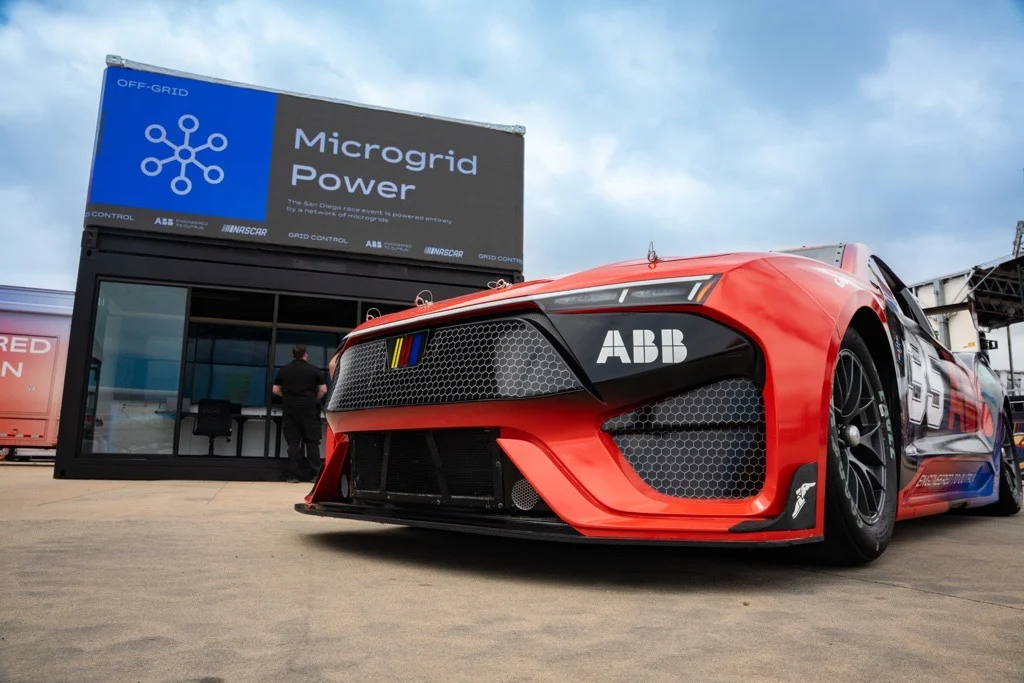
A prominent demonstration of this hybrid architecture occurred during the NASCAR San Diego Weekend, a high-stakes operational environment where power reliability is non-negotiable. Converting a non-racetrack venue into a world-class sporting arena requires a massive, albeit temporary, energy footprint. Power is essential for everything from pit road operations and telemetry streams to fan zones and global broadcast compounds.
Connecting a temporary load of this magnitude to the local San Diego municipal grid would have posed a significant risk to the surrounding community, potentially causing voltage drops or threatening the reliability of local residential and commercial service. To mitigate this risk, NASCAR collaborated with ABB, acting as the official electrification partner, to establish an independent, temporary microgrid network. This system operated entirely "behind the meter," functioning without a connection to the existing utility infrastructure.
Chronology of the NASCAR Microgrid Operation
- Phase I: Strategic Planning and Assessment: Engineers analyzed the projected load requirements for five distinct event zones, identifying peak demand periods for broadcasting and race-day operations.
- Phase II: Infrastructure Deployment: Containerized BESS units were deployed alongside conventional generators and smart switchgear. These units were integrated into a centralized energy management dashboard.
- Phase III: Execution and Monitoring: Throughout the race weekend, the BESS units served as the primary source of electricity. Generators were programmed to engage for only two to three hours per day, specifically to recharge the battery systems during low-demand periods.
- Phase IV: Real-Time Optimization: Using edge monitoring and telemetry sensors, ABB engineers monitored energy consumption and carbon avoidance in real-time, allowing for immediate adjustments to the power distribution strategy.
- Phase V: Decommissioning and Data Analysis: Post-event analysis quantified the fuel savings and emissions reductions, providing a blueprint for future seasonal operations.
Quantifiable Impact and Performance Metrics
The results of the San Diego deployment provided empirical evidence of the efficacy of hybrid microgrids. By shifting from a 24-hour generator runtime to a storage-first strategy, the operation saved approximately 380 gallons of fuel over the course of the weekend. This reduction in fuel consumption led to an estimated 3.9 metric tons of lowered carbon emissions. To put this into perspective, the environmental impact is equivalent to removing 19 semi-trucks from the road for a full day.
Beyond the environmental benefits, the project highlighted the importance of "operational visibility." The use of an aggregated energy dashboard allowed NASCAR and ABB to identify exactly where and when energy was being used. This data is critical for future planning, as it allows for the "right-sizing" of equipment, ensuring that future deployments do not over-provision resources, which further reduces costs and waste.
Technical Lessons from High-Vibration Environments
The success of off-grid activations in the demanding environment of professional racing offers several takeaways for power system designers and grid technology leads:
- Resilience Through Redundancy: Hybrid systems provide a dual layer of security. If a generator fails, the BESS continues to provide power; if a battery cell experiences an issue, the intelligent management system can reroute power through the generator or other storage units.
- Scalability at the Edge: Mobile microgrids can be scaled up or down with minimal lead time, making them ideal for the "dynamic load" requirements of modern industry.
- Data as a Utility: Real-time telemetry is no longer a luxury but a requirement for modern energy management. The ability to track "carbon avoidance" metrics is becoming increasingly important for corporate ESG (Environmental, Social, and Governance) reporting.
Broader Implications for the Global Energy Transition
The implications of these flexible microgrid systems extend far beyond the realm of sports and entertainment. As the global demand for electricity continues to surge, these systems are increasingly viewed as a "pressure-relief valve" for the broader utility grid. In the event of natural disasters, mobile microgrids can be deployed within hours to provide emergency services with reliable power while the main grid is being repaired.
In the industrial sector, fleet operators are utilizing mobile microgrids to establish temporary EV charging stations, allowing for the rapid electrification of logistics without waiting for multi-year utility upgrades. Similarly, in the construction and mining industries, off-grid projects can begin operations immediately, powered by sustainable hybrid systems that reduce the noise and air pollution associated with traditional diesel-only sites.
The Future of Grid Edge Innovation
The growth of the microgrid market to a projected $166 billion by 2035 signals a new era of decentralized power. The success of initiatives like the NASCAR San Diego Weekend demonstrates that the choice between immediate power availability and long-term sustainability is a false dichotomy. Through the integration of real-time data loops, flexible distribution equipment, and storage-first energy strategies, it is possible to meet the world’s increasing energy needs while simultaneously reducing the strain on local utilities.
Industry experts and policy makers are increasingly recognizing that meeting global energy goals involves a two-pronged approach: large-scale, long-term expansion of national utility infrastructure, complemented by rapid, small-scale innovation at the grid edge. These flexible systems provide the agility needed to navigate the complexities of the modern energy transition, ensuring that reliable, sustainable power is available wherever it is needed—from the racetrack to the heart of the modern smart city.
