

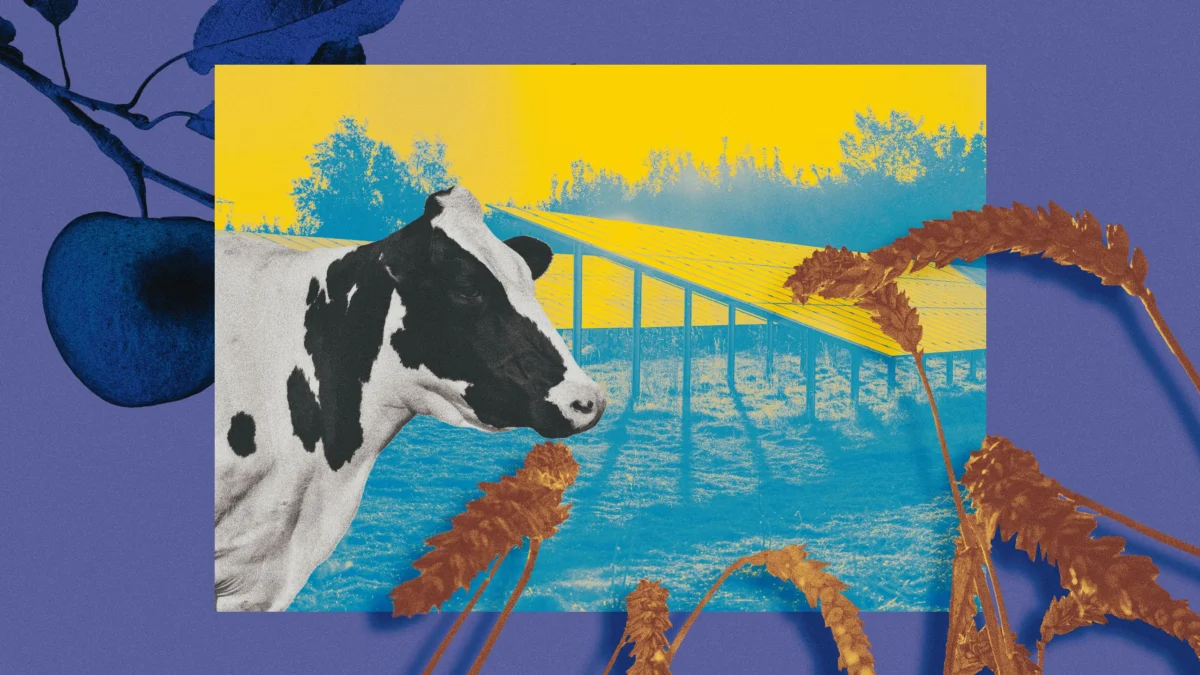
Düsseldorf – The German food industry and agriculture are facing significant challenges as extreme summer heatwaves, with temperatures soaring to 40 degrees Celsius in the shade, take their toll. Incidents like the failure of cooling units at a Düsseldorf Lidl supermarket, leading to the disposal of perishable goods, highlight the immediate and visible impacts of these climatic shifts. Beyond such isolated events, the relentless heat is causing tangible losses in crop yields and a decline in milk production, raising concerns about the stability of food prices and the resilience of the entire supply chain.

The Pervasive Impact of Heatwaves on Agriculture
The agricultural sector, the very foundation of the food industry, is on the front lines of climate change. Rising temperatures and prolonged periods of drought directly affect crop growth, nutrient absorption, and water availability. Staple crops, including grains, fruits, and vegetables, are particularly vulnerable. For instance, studies by the German Weather Service (DWD) have consistently shown a trend of increasing average temperatures and more frequent, intense heatwaves across Germany over the past decades. Data from the DWD indicates that the summers of 2018, 2019, and 2022 were among the hottest on record, with widespread drought conditions exacerbating agricultural losses.
Key Agricultural Impacts:
- Reduced Crop Yields: Heat stress can severely inhibit photosynthesis, leading to stunted growth and lower yields for crops like wheat, corn, and potatoes. For example, reports from agricultural associations indicated significant yield reductions in grain harvests during recent heat-prone summers, with some regions experiencing losses of up to 20-30%.
- Water Scarcity: Droughts associated with heatwaves deplete soil moisture and groundwater reserves, essential for irrigation. Farmers are increasingly reliant on limited water resources, leading to difficult decisions about crop prioritization and potentially unsustainable water extraction.
- Livestock Stress and Reduced Productivity: Dairy cows, in particular, are highly sensitive to heat. High temperatures can lead to reduced feed intake, decreased milk production, and even health issues. Data from the German Holstein Association has pointed to a noticeable decline in average milk yields during peak summer heat. Animal welfare concerns also become paramount, requiring significant investment in cooling systems for barns.
- Increased Pest and Disease Outbreaks: Warmer temperatures can create favorable conditions for certain pests and plant diseases to proliferate, further threatening crops and necessitating increased use of pesticides or specialized treatments.
Supply Chain Disruptions and Consumer Impact
The repercussions of agricultural losses extend throughout the food supply chain, ultimately affecting consumers. The initial stages of the supply chain, from farms to processing plants, are the most directly impacted.
Challenges for the Food Industry:
- Perishable Goods Management: As exemplified by the Lidl incident, maintaining the cold chain becomes a critical and energy-intensive challenge. Cooling systems in supermarkets, warehouses, and during transportation are vital. Failures due to extreme heat can lead to significant financial losses through spoilage and waste, as well as potential shortages of certain products.
- Processing and Storage: High ambient temperatures can also affect the efficiency of food processing facilities, requiring enhanced cooling and climate control measures. Similarly, storage facilities need to maintain specific temperature and humidity levels to prevent spoilage and maintain product quality.
- Transportation Logistics: Extreme heat can impact road conditions and put additional strain on refrigeration units in transport vehicles. Delays due to heat-related infrastructure issues or the need for more frequent cooling stops can disrupt timely delivery.
Potential Price Increases:
The combination of reduced supply due to lower yields and increased operational costs (e.g., for irrigation, cooling, and specialized animal husbandry) inevitably puts upward pressure on food prices. While immediate price hikes might not be dramatic, a sustained pattern of poor harvests and increased operational expenses over several years could lead to a noticeable rise in the cost of food for consumers. Economic analyses from agricultural research institutes suggest that climate-related impacts could contribute to a gradual increase in food inflation.

Industry Strategies: Adapting with Technology and Innovation
Recognizing the escalating threat posed by climate change, the German food industry and agricultural sector are actively exploring and implementing a range of strategies to adapt and build resilience. This includes embracing technological advancements, adopting sustainable practices, and fostering innovation across the value chain.
Smart Technologies and Innovations:

- Precision Agriculture: This involves the use of advanced technologies like GPS-guided tractors, drones, and sensors to monitor soil conditions, crop health, and weather patterns with high precision. This allows for more efficient use of resources such as water and fertilizers, optimizing crop growth even under challenging conditions.
- Drought-Resistant Crops and Breeding Programs: Research and development efforts are focused on breeding crop varieties that are more tolerant to heat and drought. This is a long-term strategy that requires significant investment in agricultural science and genetic research.
- Smart Irrigation Systems: Utilizing sensors and weather data, smart irrigation systems can optimize water application, delivering the right amount of water at the right time, thereby conserving water resources and ensuring plant hydration.
- Advanced Cooling and Climate Control: For the retail and processing sectors, investments in more robust and energy-efficient cooling systems are crucial. This includes exploring innovative solutions like indirect evaporative cooling or integrating renewable energy sources to power these systems.
- Data Analytics and Forecasting: Utilizing big data and artificial intelligence can help predict weather patterns, crop yields, and potential supply chain disruptions more accurately. This allows businesses to plan proactively, manage inventory effectively, and mitigate risks. For example, some agricultural cooperatives are already using sophisticated weather forecasting models to advise farmers on optimal planting and harvesting times.
- Vertical Farming and Controlled Environment Agriculture: While still a niche, these methods offer a way to produce food in controlled environments, largely insulated from external weather conditions. As climate extremes become more common, these technologies may play a more significant role in urban food supply.
Sustainable Farming Practices:
Beyond technology, a shift towards more sustainable agricultural practices is seen as essential. This includes:

- Soil Health Management: Improving soil structure and organic matter content can enhance its water-holding capacity, making crops more resilient to drought. Practices like cover cropping and reduced tillage are being promoted.
- Water Conservation: Implementing water-saving techniques such as drip irrigation and rainwater harvesting is becoming increasingly important.
- Diversification of Crops and Livestock: Relying on a wider variety of crops and animal breeds can reduce the overall vulnerability of the agricultural system to specific climate impacts.
Official Responses and Policy Implications
The challenges posed by climate change to the food sector are not solely the responsibility of the industry. Governments and policymakers play a crucial role in supporting adaptation efforts and setting regulatory frameworks.
Governmental Support and Policy:

- Research and Development Funding: Public funding for agricultural research, particularly in areas like climate-resilient crops and sustainable farming techniques, is vital.
- Subsidies and Incentives: Financial support for farmers investing in climate adaptation technologies or implementing sustainable practices can accelerate the transition.
- Water Management Policies: Clear and sustainable water management strategies are essential to ensure equitable access to water resources for agriculture, especially during prolonged dry spells.
- Climate Adaptation Strategies: National and regional climate adaptation plans need to specifically address the vulnerabilities of the food and agriculture sectors, providing guidance and support for businesses.
- International Cooperation: Climate change is a global issue, and international collaboration on research, technology transfer, and policy development is crucial for effective adaptation.
A Glimpse into the Future: Resilience and Adaptation
The increasing frequency and intensity of heatwaves present a clear and present danger to the German food industry and its agricultural base. The incidents, from failed refrigeration units to reduced crop yields, are no longer isolated anomalies but rather indicators of a changing climate that demands a fundamental shift in how food is produced, processed, and distributed.
The efforts by companies like Lidl to manage the immediate fallout and the broader adoption of smart technologies and sustainable practices by the agricultural sector demonstrate a growing awareness and proactive approach. However, the scale of the challenge requires sustained investment, robust policy support, and continued innovation. The future of food security in Germany, and indeed globally, hinges on the ability of the industry and its stakeholders to adapt effectively to the intensifying heat and the broader implications of climate change. The "smart technologies" mentioned in the original report are not merely buzzwords but represent the essential tools and strategies that will determine the sector’s resilience in an increasingly unpredictable climate. The journey ahead involves not only technological advancement but also a fundamental rethinking of agricultural practices and supply chain management to ensure a stable and affordable food supply for generations to come.
