

The Islamic Republic of Iran has signaled a willingness to end its conflict with the United States based on a framework agreement reached in June, according to its top security coordinator, Mohsen Resai. This potential shift comes amidst escalating regional tensions and a significant financial outlay for the US military in its engagement with Iran. Resai, the Secretary-General of Iran’s powerful National Security Council, informed the Arabic television channel Al Jazeera that the conditions for peace include a cessation of hostilities on all fronts, the release of frozen assets, and an end to the US naval blockade. These points are reportedly outlined within the existing framework agreement with the US.
Furthermore, Resai indicated Iran’s desire to see an end to the conflict between the Houthi militia in Yemen and Saudi Arabia, suggesting a broader diplomatic outreach beyond the immediate US-Iran confrontation. This statement marks a significant diplomatic overture from Tehran, potentially offering a pathway towards de-escalation in a region fraught with complex and overlapping conflicts.
Background Context: The Iran-US Standoff and Regional Instability
The relationship between Iran and the United States has been characterized by decades of animosity, punctuated by periods of heightened tension and direct confrontation. The current conflict, as alluded to by Resai, appears to be a culmination of various geopolitical factors, including Iran’s nuclear program, its ballistic missile development, and its support for proxy groups across the Middle East. The US, under the Trump administration, has pursued a policy of "maximum pressure," imposing stringent sanctions on Iran and engaging in a more assertive military posture in the region.
The "framework agreement" mentioned by Resai likely refers to a complex series of understandings or potential agreements that have been under negotiation, aimed at managing the conflict and preventing a full-scale war. The specifics of this agreement, however, remain largely undisclosed to the public, contributing to the ambiguity surrounding the current diplomatic efforts.
The involvement of the Houthi militia in Yemen, supported by Iran, adds another layer of complexity. The Houthi attacks on Saudi Arabia, which have escalated in recent times, are seen by Riyadh and its allies as direct proxy actions by Iran, further inflaming regional rivalries. The strategic waterway of the Strait of Hormuz, a critical chokepoint for global oil trade, has also been a focal point of tension, with Iran periodically threatening to disrupt shipping.
Key Developments and Chronology

The statement from Mohsen Resai follows a series of events that have underscored the precarious state of regional security:
-
Houthi Attacks on Saudi Arabia: The Houthi militia has repeatedly claimed responsibility for missile and drone attacks targeting Saudi cities, including Riyadh, and vital energy infrastructure such as Saudi Aramco facilities. These attacks, often occurring in response to Saudi-led coalition airstrikes in Yemen, highlight the ongoing proxy war and its spillover effects. The claims of these attacks, while often difficult to independently verify, underscore the Houthi’s capacity and their alignment with Iranian objectives.
-
Turkey’s Economic Concerns: Turkish Foreign Minister Hakan Fidan has articulated concerns that the crisis in the Middle East is becoming economically unsustainable and unacceptable, particularly the potential entanglement of Saudi Arabia in a US-Iran conflict. Turkey’s willingness to explore a trilateral defense pact with Pakistan to address the situation signals a regional effort to manage the fallout.
-
South Korea’s Support for Strait of Hormuz Security: South Korea has pledged support to the United States in securing the Strait of Hormuz. This commitment, made after a meeting between South Korean Foreign Minister Cho Hyun and his US counterpart Marco Rubio, involves a significant contribution to maintaining freedom of navigation in this vital maritime passage.
-
US Military Costs: The financial burden of the ongoing conflict is substantial. The US military’s CENTCOM command reported that the Iran conflict had already cost over $43 billion by September 3rd. This figure represents a significant increase in defense spending, with arms and ammunition costs alone rising from $21.7 billion to $28.1 billion in recent reports. These figures do not account for broader economic impacts, such as oil price volatility or damage to US military installations.
-
UN Security Council Condemnation: The UN Security Council has strongly condemned the Houthi attacks on Saudi Arabia, expressing solidarity with the Kingdom and affirming its right to self-defense. The Council has urged the Iran-backed rebels to cease military escalations, reflecting international concern over the escalating violence.
-
Iran’s Internal Economic Pressures: Despite its regional assertiveness, Iran faces significant internal economic challenges. The Iranian Ministry of Interior has acknowledged that rising prices are a cause for concern, contributing to public hardship. The government’s efforts to manage inflation and ensure the availability of goods, including by facilitating imports, indicate the pressures on the Iranian economy.
-
Reported US Casualties: A report by The Washington Post, citing internal sources, suggested that the number of US soldiers killed in the conflict with Iran may be higher than officially reported, with at least 22 fatalities noted, four more than the publicly available database indicated. This discrepancy raises questions about the transparency of casualty reporting in ongoing conflicts.
-
Naval Operations in Bab al-Mandab: Italy has taken proactive steps to ensure the safety of its merchant vessels transiting the Bab al-Mandab strait, escorting a cargo ship with a naval frigate as part of a European mission. This action underscores the growing concern for maritime security in the region.
-
Pakistan’s Military Aid: Pakistan is reportedly providing military assistance to Saudi Arabia amidst the Yemen conflict escalation, reinforcing the existing military partnership between the two nations. This includes the redeployment of artillery systems, drones, and drone defense systems.
-
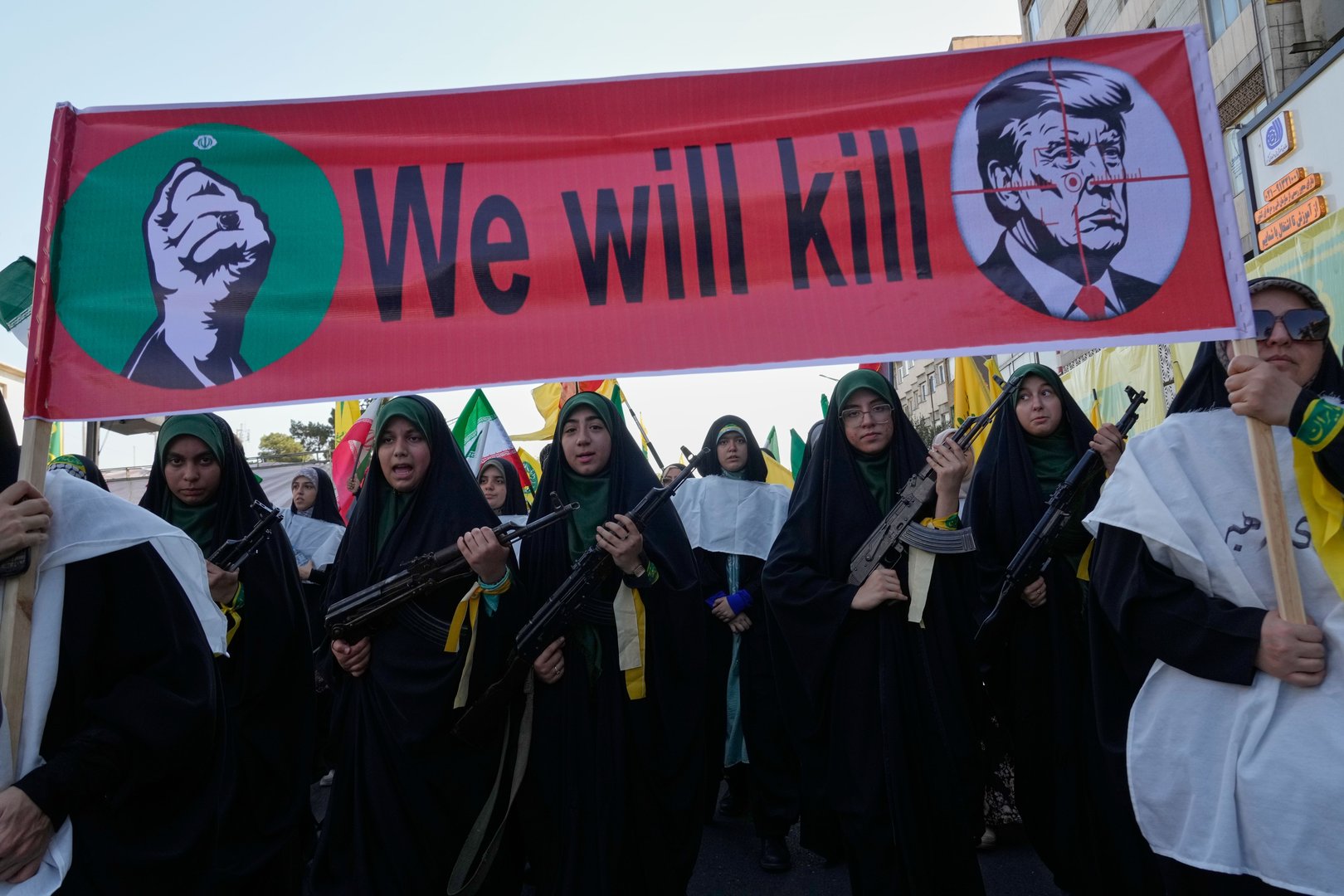
Iran’s Military Mobilization: Iran has conducted large-scale military demonstrations, mobilizing thousands of volunteers for parades, showcasing its military hardware and paramilitary forces. These displays are often interpreted as a show of strength and a deterrent against potential aggression.
-
Impact on Global Shipping: The conflict has had a significant impact on global trade routes. Freight rates from China to the US East Coast have surged dramatically due to the conflict’s influence on shipping lanes, with prices for 40-foot containers more than quadrupling since the conflict began.

-
US Approval of F-35 Sales to Saudi Arabia: In a significant policy shift, the US has approved the potential sale of F-35 fighter jets to Saudi Arabia, a move that could reshape the regional military balance. This decision, pending Congressional approval, signifies a potential recalibration of US-Middle East policy, balancing its traditional commitment to Israel’s military superiority with its strategic interests in the region.
-
UN Report on Alleged US War Crimes: A UN investigative mission has found sufficient grounds to believe that the US may have committed war crimes during the conflict, citing two airstrikes as potential violations. These include an attack on a girls’ school in Minab and another on a sports complex, which reportedly resulted in significant civilian casualties. The US has rejected these findings, labeling the UN Human Rights Council’s actions as "nonsensical."
-
Trump’s "Big Decision": US President Donald Trump has alluded to an impending "big decision" in the Iran conflict, suggesting it would determine whether "there will be destruction or not." This statement, while vague, signals a potential escalation or a decisive diplomatic move.
-
US-Houthi Secret Talks: Reports indicate that US representatives held secret talks with Houthi representatives in Oman, mediated by the host nation. During these discussions, the Houthis reportedly pledged not to attack US ships and to adhere to the existing ceasefire, with some indications of an intent to avoid attacking Israeli or commercial vessels, with exceptions for Saudi ships.

-
Trump’s Planned Meeting with Gulf Leaders: President Trump has expressed hope for an imminent end to the conflict and is reportedly planning to meet with leaders of Gulf states on the sidelines of the UN General Assembly to discuss post-war strategies.
Economic Implications and Data
The economic ramifications of the Iran-US conflict are far-reaching. The surge in oil prices, while not explicitly detailed in the provided text, is a direct consequence of tensions in the Strait of Hormuz, a vital artery for global energy supply. The increased freight rates between China and the US also highlight the disruption to global supply chains. The reported cost to the US military of over $43 billion underscores the significant financial investment in managing this volatile situation. Furthermore, the rising cost of fuel in Germany, with diesel reaching record highs, can be partly attributed to global energy market instability exacerbated by geopolitical conflicts.
Official Responses and International Reactions

The statements from Iranian officials indicate a potential opening for diplomatic resolution, contingent on specific terms. The UN Security Council’s condemnation of Houthi attacks reflects a broader international concern about regional stability. The US rejection of the UN war crimes report highlights the differing perspectives on accountability and the conduct of military operations. The proactive stance taken by Italy and the potential for a trilateral defense pact involving Turkey and Pakistan suggest a growing regional effort to de-escalate and manage the conflict’s fallout.
Analysis of Implications
The signal from Tehran, if genuine, could represent a crucial turning point in a conflict that has threatened to engulf the region in wider hostilities. The emphasis on a pre-existing framework agreement suggests that diplomatic channels, though perhaps strained, have remained open. The inclusion of demands such as the release of frozen assets and the lifting of the naval blockade indicates Iran’s priorities in any potential de-escalation.
The willingness to mediate an end to the Yemen conflict further suggests a desire to consolidate regional stability, or at least to de-escalate proxy conflicts that have drawn international attention and resources. However, the success of any such initiative will depend on the sincerity of all parties involved, the willingness to compromise, and the ability to overcome deeply entrenched mistrust.

The financial cost of the conflict, as evidenced by the US military spending, underscores the economic burden of prolonged confrontation. The potential sale of advanced F-35 fighter jets to Saudi Arabia, while a strategic move for the US, also carries the risk of further escalating the regional arms race and intensifying the rivalry with Iran. The UN’s allegations of US war crimes, if substantiated, could have significant legal and diplomatic repercussions for the United States on the international stage.
The complex web of alliances and rivalries, from the Houthi-Saudi conflict to the broader US-Iran standoff, necessitates a multi-faceted approach to achieving lasting peace. The current diplomatic overtures from Iran, coupled with ongoing international efforts to secure key maritime routes and address regional security concerns, offer a glimmer of hope amidst a volatile geopolitical landscape. The coming days and weeks will be critical in determining whether these signals translate into tangible de-escalation and a path towards a more stable Middle East.
