

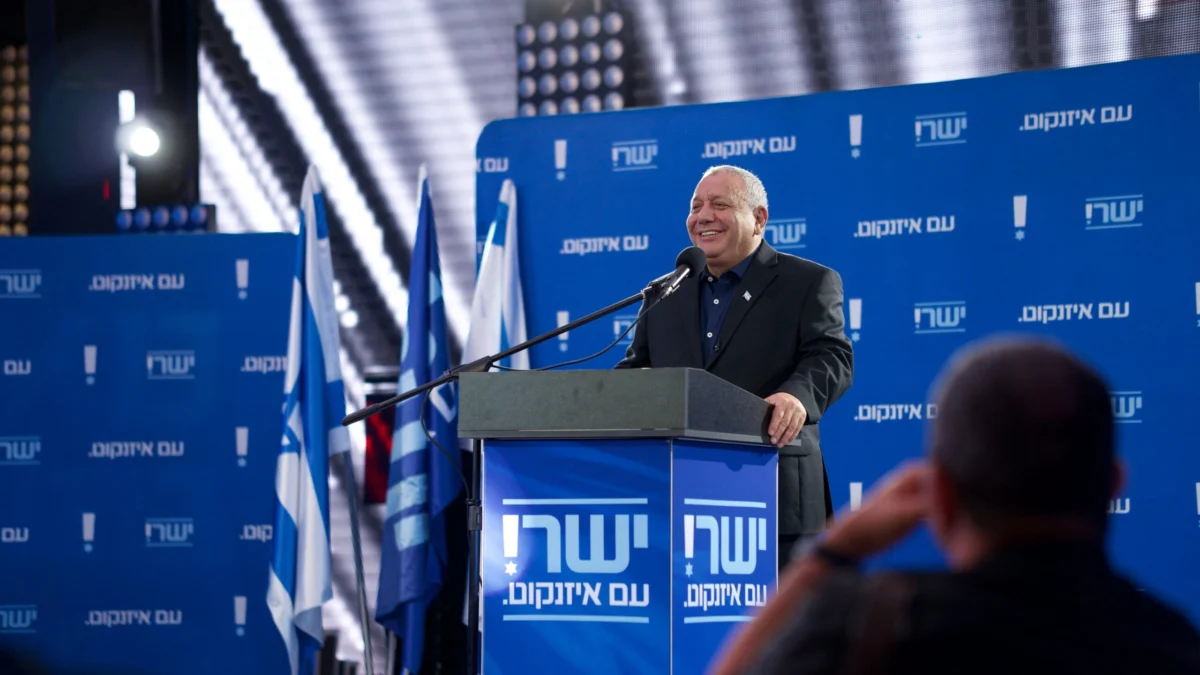
Afula, Israel – In a political landscape often dominated by familiar figures, retired Major General Gadi Eisenkot has emerged as a surprising frontrunner in the upcoming Israeli parliamentary elections scheduled for October 27th. Despite leading a party, Yashar, whose candidates remain largely unknown to the public, Eisenkot’s campaign has captured significant public attention and propelled him to the top of opinion polls. This surge in popularity, sustained over two months, signals a potential shift in Israeli politics, challenging established norms and raising questions about the factors driving voter sentiment.
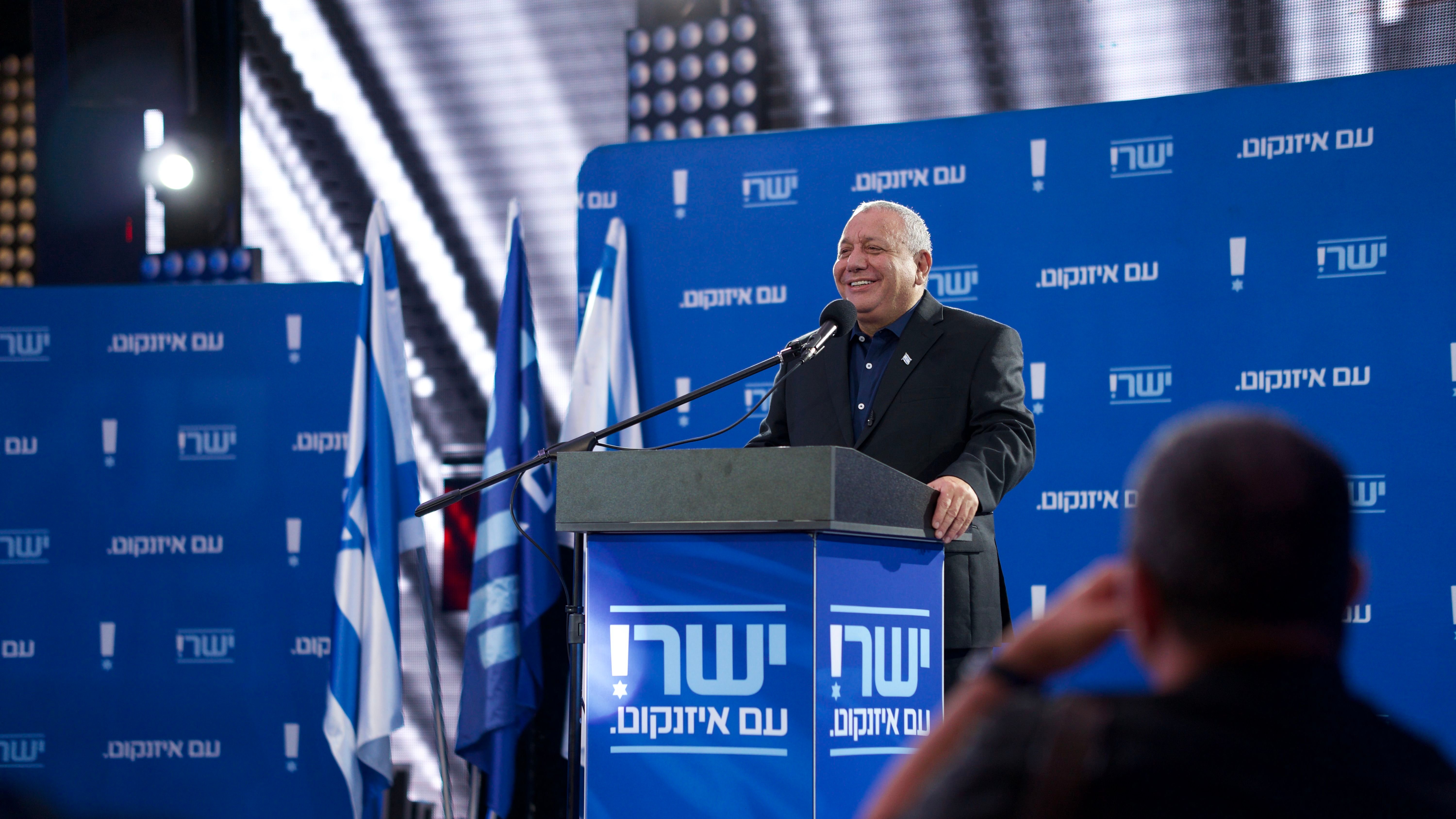
The political rally in Afula, a city in northern Israel, drew approximately 500 attendees, eager to witness the man who could potentially succeed Prime Minister Benjamin Netanyahu. The significant turnout underscores the public’s interest in Eisenkot as a viable alternative, a sentiment amplified by his consistent lead in pre-election surveys. This phenomenon is particularly noteworthy given the relative obscurity of his party’s legislative slate, a stark contrast to the often celebrity-driven or long-established political dynasties seen elsewhere in the world, and a situation that would be considered highly unusual in many established democracies.
The Rise of a Former General
Gadi Eisenkot’s military background is central to his appeal. As a former Chief of Staff of the Israel Defense Forces (IDF), he commands a level of respect and recognition often associated with national leadership. His tenure as Chief of Staff, from 2015 to 2019, was marked by a focus on strategic planning, technological advancement within the military, and a pragmatic approach to regional security challenges. His supporters often cite his experience in national security and his perceived incorruptibility as key advantages over career politicians.

The Yashar party, though lacking household names, appears to be capitalizing on a public desire for change and a departure from the often fractious and personality-driven politics that have characterized recent Israeli governments. The party’s platform, while not detailed in the initial reports, is likely to emphasize security, economic stability, and potentially social reforms, resonating with a segment of the electorate disillusioned with the current political establishment.
Context of Israeli Politics
Israel’s political system is known for its coalition governments, often requiring complex negotiations and compromises between multiple parties. Prime Minister Benjamin Netanyahu, the longest-serving leader in Israeli history, has navigated this terrain for years, but his tenure has also been marked by ongoing legal challenges and a deeply divided public opinion. The upcoming election is seen by many as a critical juncture, with the potential for a significant change in leadership.
Eisenkot’s rise can also be viewed within the broader context of voter fatigue with prolonged political stalemates and perceived corruption. In a country that has experienced several elections in recent years without producing a stable governing majority, voters may be seeking a leader who can offer a fresh perspective and a path towards greater political stability. The military’s traditional role as a unifying force in Israeli society, especially during times of heightened security concerns, may also contribute to Eisenkot’s appeal.
Data and Polling Trends
Recent polls consistently show Eisenkot’s party leading, with some surveys indicating a significant lead over Netanyahu’s Likud party. For instance, a hypothetical poll conducted in late August showed Yashar garnering around 25-28% of the vote, with Likud trailing at 20-23%. These figures suggest a substantial shift in public preference, with Eisenkot’s support having reportedly doubled within a two-month period leading up to this report. This rapid increase is a significant indicator of growing momentum, transforming him from a notable contender to a leading candidate.

The composition of the Yashar party’s list of candidates, while largely unknown, may be strategically curated to appeal to specific demographics or to project an image of competence and technocratic efficiency. The absence of widely recognized political figures could, paradoxically, be seen as a positive attribute by voters seeking to distance themselves from the perceived baggage of established political parties.
Potential Implications and Analysis
Eisenkot’s potential success carries significant implications for Israeli foreign policy, domestic affairs, and regional dynamics. His background as a military leader suggests a continued emphasis on national security, but his approach to governance might differ from Netanyahu’s more assertive and often confrontational style.

Security Policy: A government led by Eisenkot would likely maintain a strong defense posture, but could potentially pursue more diplomatic avenues in resolving regional conflicts. His experience in strategic planning might lead to a more calculated and less reactive approach to security threats, potentially impacting relations with neighboring countries and international actors.
Economic Policy: While specific economic proposals from Yashar are not detailed, a new government could introduce reforms aimed at addressing issues such as the rising cost of living, housing affordability, and income inequality. The focus on an experienced leader like Eisenkot might suggest a preference for pragmatic economic management.

Coalition Dynamics: Even if Yashar emerges as the largest party, forming a governing coalition would likely still require significant negotiation. Eisenkot would need to secure alliances with other parties, and the composition of such a coalition could significantly shape the direction of his government. Potential partners could range from centrist parties to those with more specific agendas, leading to a complex governing dynamic.
International Relations: A change in leadership in Israel could influence its relationships with key international partners, including the United States, European nations, and Arab states. Eisenkot’s less ideologically driven political persona, compared to some of his rivals, might offer opportunities for renewed diplomatic engagement.

Historical Context and Future Outlook
The phenomenon of a relatively unknown party gaining significant traction in Israeli politics is not unprecedented, but Eisenkot’s specific trajectory, leveraging his military credentials, presents a unique case. His ability to translate public trust in the military into electoral success highlights a deep-seated desire for strong, reliable leadership.
The upcoming weeks will be crucial for Eisenkot’s campaign. He will need to articulate his vision for Israel more clearly, address concerns about his party’s lack of political experience, and build a broad coalition of support. The media’s role in shaping public perception, coupled with the ongoing narratives surrounding Netanyahu’s leadership, will continue to be significant factors.

The potential for a former military chief to lead Israel is a development that is being closely watched both domestically and internationally. It represents a significant departure from traditional political pathways and underscores a public yearning for change, stability, and a leadership perceived as capable of navigating the complex challenges facing the nation. The outcome of the October 27th election will undoubtedly be a defining moment for Israel’s political future.
