

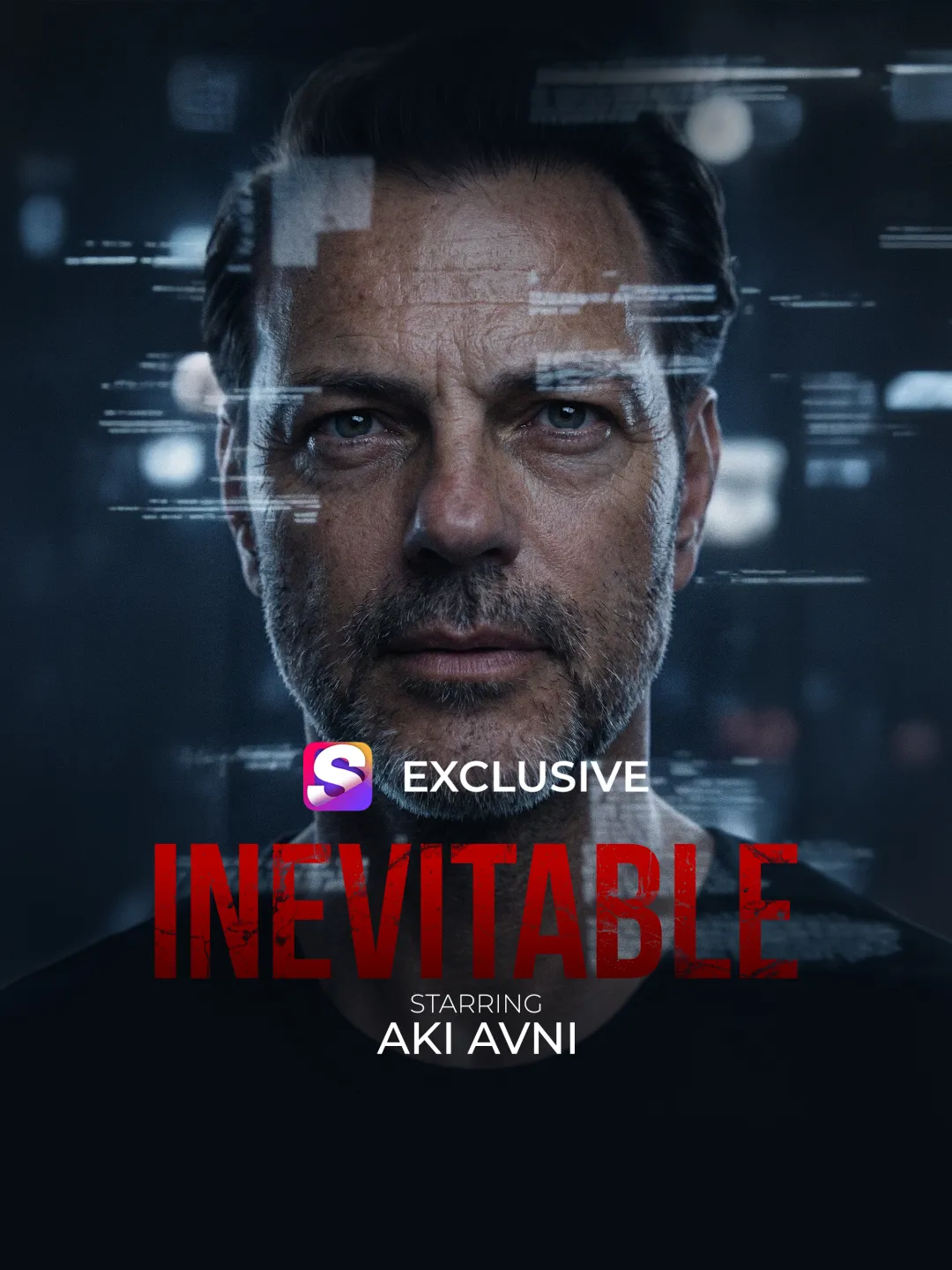
The burgeoning microdrama industry, characterized by its rapid-fire, melodramatic narratives delivered in bite-sized two-minute episodes, is undergoing a profound transformation as startup Shortical embraces AI-generated content and pioneers celebrity face-licensing. This strategic pivot, driven by the allure of significantly reduced production costs and enhanced profit margins, has culminated in the premiere of "Inevitable," a groundbreaking series starring Israeli actor Aki Avni, whose digital likeness is at the forefront of this new era of digital entertainment. While the move promises unprecedented creative potential and efficiency, it also ignites a complex discussion around the future of human talent, compensation models, and the very fabric of content creation in Hollywood and beyond.
Founded just last January, Shortical quickly established itself within the microdrama landscape, a sector that, for the most part, offers content largely indistinguishable from its competitors. Its core business model revolves around subscription-based access to a library of live-action romances, often risqué and laden with cliff-hangers designed to hook viewers. Typically, the first 7-10 episodes of a microdrama are offered free, after which a small monthly fee unlocks the full series and the entire platform’s content. The company has seen considerable success with titles such as "Crossing the Line with My Neighbor," "Accidentally Married My Boss," and "Spoiled by My Billionaire Sugar Daddy," demonstrating a keen understanding of its audience’s appetite for compelling, albeit often formulaic, romantic narratives.
The Inexorable Shift to AI-Generated Content
Over the past year, a noticeable shift has occurred on Shortical’s homepage, which is now increasingly populated by AI-generated content. The motivation behind this rapid transition is transparent: the production overhead for AI content is substantially lower than that for traditional live-action productions. This cost efficiency directly translates to higher profit potential, provided the content can successfully capture and retain an audience. Guy Shimoni, CEO of Shortical, articulates the vast creative horizons unlocked by this technological leap. "One of the things that AI does is it enables smaller teams to be able to produce these movie-scale productions," Shimoni stated. He further emphasized, "When we were doing mobile-first live action, we were limited by budget, but now we can serve them with epic fantasies. We have kingdoms and dragons. We have superheroes. We have werewolves." This suggests a move beyond the conventional romance genre into more ambitious, visually complex narratives that would be cost-prohibitive with live actors and traditional sets.
The global microdrama market, while originating in China and boasting its largest audience there, has found significant traction in the U.S., where Shimoni reports the majority of Shortical’s viewers reside. The demographic for these short-form series skews heavily female, with many viewers reportedly engaging with the content to unwind at night, seeking "minor dopamine hits" as they drift off to sleep. The existing AI-generated programs on Shortical’s platform already garner millions of views, indicating a receptive, if perhaps passively engaged, audience for this novel form of entertainment.
Aki Avni and the Dawn of Face-Licensing
The most prominent manifestation of Shortical’s AI strategy is its latest microdrama, "Inevitable," which premiered in Los Angeles last week. This series marks a significant departure for the company and the broader entertainment industry, as it stars Aki Avni, an acclaimed Israeli film and television star. Avni, known to American audiences for roles in shows like Fox’s 9/11-era thriller "24," has entered into a licensing agreement with Shortical, allowing his face to be used to create a digital avatar for the entirely AI-generated project.
The narrative of "Inevitable" itself is remarkably meta, featuring Avni playing a version of himself – an actor who licenses his face to a film studio, leading to a series of thriller-like events. This self-referential plot not only showcases the technology but also subtly comments on the very real-world implications of digital likeness licensing. For Avni, this venture represents a pioneering step. In a phone interview with TechCrunch, he expressed a mix of apprehension and excitement. "Look, it’s a new era for artists," Avni reflected. "AI is a new kind of art. It’s a new format. It’s always great to be the pioneer in something." This sentiment underscores a willingness among some established talents to explore the uncharted territories of AI in creative industries.
This collaboration with Avni is Shortical’s inaugural foray into such a high-profile licensing deal, a precedent that the company fully intends to replicate. Shortical is actively soliciting other creators to "LICENSE YOUR FACE," as prominently advertised on its website. The process involves interested parties submitting their social media handles, after which Shortical evaluates their suitability and, if approved, offers a contract outlining the terms for using their persona in AI-generated content. A company representative clarified that this offering is "still in its early days and hasn’t yet resulted in any signed contracts," noting that Avni’s deal was a direct agreement preceding the formal platform launch. Shortical anticipates that the success of "Inevitable" will significantly boost interest in its face-licensing initiative, leading to more active promotion of the program.
The Precedent from China and Compensation Conundrums
The trend of AI-generated microdramas and face-licensing is not entirely novel, having already taken significant hold in China, where the microdrama industry originated. Chinese firms have been at the forefront of leveraging AI for content creation and have already established models for licensing facial likenesses. However, reports from the region suggest that this trend may not be particularly lucrative for individual creators. A recent report in Rest of World revealed that Chinese microdrama companies were paying individuals "between US$15 to US$700 to license their facial likenesses," figures that raise significant questions about fair compensation and the potential for exploitation, particularly for lesser-known talents.
Shortical remains tight-lipped about the specific financial terms of its face-licensing deals, declining to disclose how much it intends to offer for these agreements. The question of royalty-based compensation, akin to the residual system prevalent in traditional television, also remains ambiguous. Guy Shimoni offered a vague "It’s a case by case [basis]" in response to inquiries about royalty models. Regarding Aki Avni’s specific contract, a Shortical representative stated that the company would not "share a specific figure" but indicated that Avni "came on as a partner in the project, and his compensation was in line with industry standards for a comparable non-AI acting role." This suggests a more substantial, partnership-oriented agreement for a celebrity of Avni’s stature, which may differ significantly from the deals offered to aspiring or less prominent individuals through the open licensing platform.
Industry Disruption and Creator Concerns
The rapid encroachment of AI into content creation, particularly within the microdrama sector, has sparked considerable unease and outright opposition among creatives. Until recently, microdramas were perceived as a relatively safe, entry-level gateway into the entertainment industry, offering young actors valuable opportunities to gain experience on sets, hone their craft, and build their portfolios. The shift towards AI-generated content directly threatens these entry points, leading to company downsizing and the production of content that bypasses the need for human actors entirely.
Jennifer Cooper, founder of the consultancy firm Vertical Drama Love and a long-time observer of the industry, highlights the pervasive distrust of AI, both among audiences and within the microdrama production community. "Everyone’s been impacted by AI," Cooper asserted. "A lot of us have either lost work to AI or can see that it’s devastated this industry – [taking microdramas] from something that was a rare thing in the world, that was in growth, and providing work, particularly for young people…[and now] you know, it’s been decimated." Her strong words underscore the profound disruption and job displacement concerns that accompany the AI revolution in creative fields.
Beyond job losses, ethical questions surrounding consent and the potential for likeness theft have also plagued the industry. Instances where creators claim their faces have been used without permission or adequate compensation have surfaced, prompting legal and ethical debates. Shortical’s proactive face-licensing endeavor, with its formal contract process, appears to be a direct attempt to address these consent issues and establish a transparent, legitimate framework for using digital likenesses.
The Gig-ification of Creative Labor
However, these licensing deals could also contribute to the "gig-ification" of the entertainment industry, transforming creative roles into more transactional arrangements. This model could see creators effectively paying a distributor for the opportunity to platform their content or their digital likeness, with payouts contingent on audience engagement. Shortical’s recent partnership with Payouts.com, a "payout infrastructure platform powering creator and gig economy disbursements at scale," further suggests a move towards a system designed for large-scale, automated compensation based on performance metrics. The stated goal is to create a seamless system for creatives to interact with Shortical’s platform and receive payments, but the underlying implications for stable, salaried creative work are significant.
Market Dynamics and Investor Influence
The aggressive push towards AI in the microdrama industry, according to Cooper, is largely influenced by broader financial trends and investor sentiment. The microdrama business is predominantly fueled by startups, and venture capitalists are increasingly drawn to growth strategies that incorporate automation and artificial intelligence. "For anyone to get investment at the moment in microdramas, they’ve got to mention the word AI," Cooper observed, concluding that "It’s like AI equals gold in everyone’s eyes." This financial imperative appears to be a major driving force behind the rapid adoption of AI, even as questions about its long-term viability and audience reception persist.
Despite the substantial investment flowing into the AI-powered content space, Cooper expresses skepticism regarding the actual demand for much of this AI-generated material. "Some of it does get views. A lot of it doesn’t," she noted, specifically referring to AI content. Her assessment suggests that the current proliferation of AI-generated microdramas might be more a product of industry push than genuine audience pull. "I think it’s being pushed on an audience more than there is an audience demand or wish for it," she contended, raising doubts about the organic growth and sustainability of a market primarily driven by technological novelty and investor enthusiasm rather than consumer preference.
Looking Ahead: A Dual Promise and Peril
Shortical’s venture into AI face-licensing with "Inevitable" stands as a significant milestone in the evolving landscape of digital entertainment. It demonstrates the tangible potential of AI to revolutionize content production, offering cost efficiencies, expanding creative possibilities, and potentially democratizing access to "movie-scale productions" for smaller teams. The involvement of established actors like Aki Avni lends a degree of legitimacy and visibility to a technology that is still finding its footing.
However, this paradigm shift is not without its complexities and challenges. The long-term implications for human talent, the fairness of compensation models in a "gig-ified" creative economy, and the ethical considerations surrounding digital likenesses remain pressing concerns. As the industry grapples with these transformations, the success of platforms like Shortical will depend not only on technological innovation but also on their ability to navigate these intricate issues, build trust with creators and audiences, and ultimately prove that AI-generated content can consistently deliver compelling narratives that resonate beyond the initial novelty. The era of the digital doppelgänger in entertainment has unequivocally arrived, and its full impact is yet to be fully understood.
