

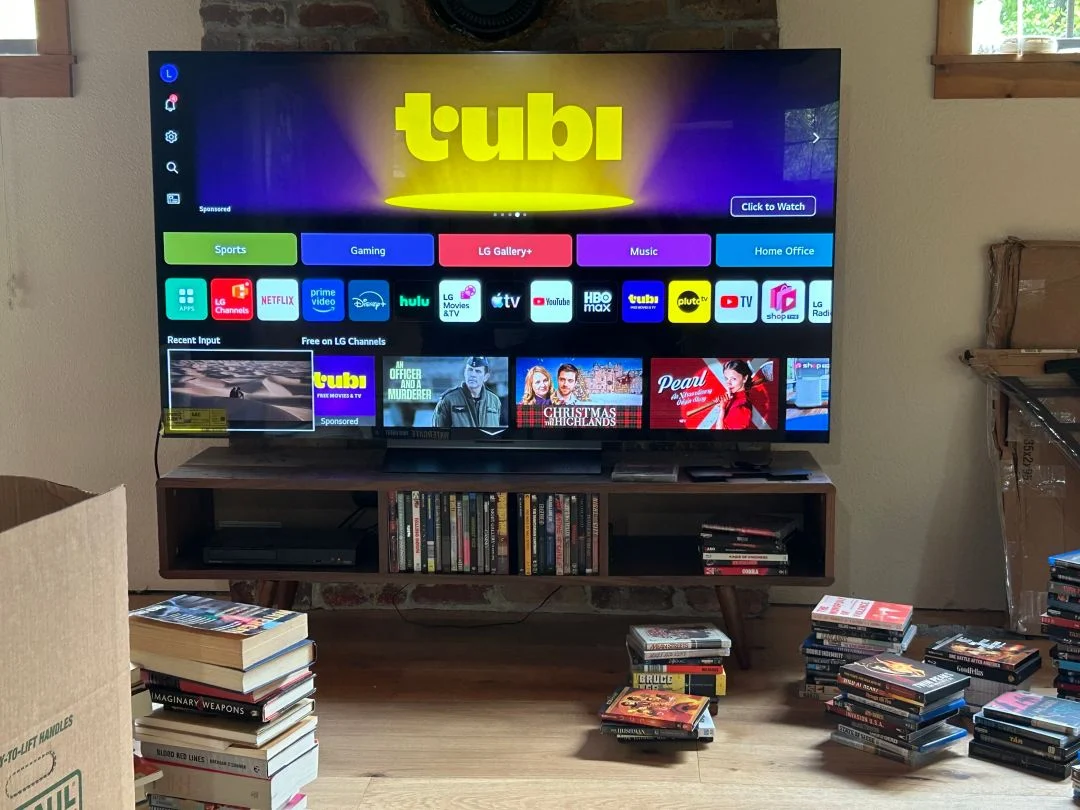
The pursuit of the ultimate home cinema experience often leads consumers to advanced display technologies, with Organic Light-Emitting Diode (OLED) televisions standing as a pinnacle of visual fidelity. However, the transition to these sophisticated screens, particularly larger models, can sometimes trigger an unexpected physiological adjustment period, characterized by symptoms such as nausea and headaches, a phenomenon increasingly reported by new adopters. This paradoxical reaction highlights a complex interplay between cutting-edge technology and human sensory perception.
The Ascent of OLED Technology: A Paradigm Shift in Display
For years, the standard for home entertainment displays was dominated by Liquid Crystal Display (LCD) technology, often enhanced with LED backlighting. While competent, these displays operated on the principle of shining light through a panel of pixels. This inherent design limitation meant that even the darkest areas of the screen would still receive some light bleed, preventing true black levels and limiting overall contrast. The advent of OLED technology, however, marked a significant departure from this paradigm, fundamentally reshaping the television industry and setting new benchmarks for picture quality.
OLED panels are composed of millions of individual pixels, each capable of emitting its own light and turning completely off. This self-emissive property is the cornerstone of OLED’s superior performance. Unlike traditional LED TVs, which rely on a backlight illuminating an entire segment or array of pixels, OLED pixels offer granular control at an individual level. This translates into several key advantages:
- Perfect Blacks and Infinite Contrast: When an OLED pixel is off, it emits no light, resulting in absolute black. This allows for an "infinite" contrast ratio, meaning the difference between the brightest white and the deepest black on the screen is unparalleled, lending incredible depth and realism to images.
- Vibrant Colors: The precise control over light emission enables OLEDs to produce a wider spectrum of colors with greater accuracy and saturation, making images appear more lifelike and engaging.
- Wider Viewing Angles: Because each pixel emits light directly, OLED screens maintain consistent color and contrast even when viewed from extreme angles, unlike LCDs where image quality can degrade off-axis.
- Faster Response Times: OLED pixels can switch on and off almost instantaneously, resulting in exceptionally fast response times. This virtually eliminates motion blur and ghosting, making OLEDs ideal for fast-paced content like sports and video games.
- Thinner Designs: Without the need for a bulky backlight unit, OLED panels can be incredibly thin, allowing for sleek and aesthetically pleasing television designs.
These technological advancements have positioned OLED as the premium choice for discerning consumers and cinephiles. Market analysis firms like Omdia and Statista have consistently reported robust growth in the OLED TV segment. While still a smaller portion of the overall TV market by volume, OLED accounts for a disproportionately large share of the high-end revenue, driven by its premium pricing and performance. For instance, global OLED TV shipments have steadily increased year-over-year, with projections indicating continued expansion, especially in larger screen sizes, as manufacturing processes become more efficient and prices gradually become more accessible.
The User Experience Paradox: From Aspiration to Ailment
The allure of OLED’s cinematic promise often compels enthusiasts to upgrade their home entertainment systems. A common trajectory involves moving from a long-serving, mid-range LED smart TV, such as a 55-inch TCL, to a state-of-the-art OLED model. This aspiration for superior image quality and immersive viewing led one such consumer to invest in a 65-inch LG evo C4, LG’s 2024 mid-range offering, widely regarded as a sweet spot for performance and value within the premium segment. The decision was not just about enhanced picture quality but also a significant increase in screen size, aiming for a truly enveloping visual experience.
Upon initial setup, the television delivered as promised. The display rendered colors with stunning vibrancy and nuanced shadow detail, bringing new life to familiar content. Driven by a passion for physical media, the user embarked on a marathon viewing session, cycling through a collection of 4K Blu-ray discs. The initial hours were marked by profound satisfaction, a testament to the OLED’s capability to deliver an unparalleled visual feast.
However, this period of cinematic bliss took an unexpected turn during a screening of Robert Altman’s "McCabe and Mrs. Miller." Midway through the film, the viewer was suddenly overcome by a wave of profound nausea. This sensation, described as an intense feeling of motion sickness verging on emesis, persisted for several hours after the viewing session concluded, eventually subsiding and being replaced by a persistent tension headache. This immediate and adverse physiological reaction stood in stark contrast to the expected outcome of a premium technological upgrade.
Investigating the "OLED Sickness" Phenomenon: Community Reports and Hypothesized Causes
The experience, while jarring, is not isolated. A quick survey of online communities reveals that such physiological discomfort, often termed "OLED sickness" or "TV motion sickness," is a recognized, albeit not universally understood, issue among new high-end display owners. Forums like Reddit, particularly subreddits dedicated to OLED technology, are replete with accounts from users reporting similar symptoms after acquiring new televisions. One Redditor, having purchased an LG C2, detailed feeling "light headed and nauseous a day later," expressing fear to even turn the device back on. Another reported their spouse feeling sick after an upgrade to an 85-inch TCL, questioning if a screen could indeed be "too big." These anecdotal reports highlight a growing concern within the tech community regarding the potential sensory overload associated with modern, high-fidelity displays.
The absence of a definitive medical or scientific consensus on the exact cause of "OLED sickness" has led to several prevalent theories circulating among users and tech enthusiasts:
-
Motion Smoothing (The "Soap Opera Effect"): This is perhaps the most frequently cited culprit. Motion smoothing, or motion interpolation, is a processing feature designed to reduce judder (stuttering motion) in content, especially 24p film content, by generating artificial frames between existing ones. While it can make fast-paced action appear smoother, it often results in an unnaturally fluid, almost hyper-real aesthetic that many find jarring, likening it to the look of daytime soap operas. This "uncanny valley" effect can cause perceptual dissonance and lead to discomfort. In the case of the LG evo C4, the user confirmed that these settings were not enabled, ruling out this specific cause for their experience, but it remains a primary suspect for many others.
-
Screen Size and Field of View: A substantial upgrade in screen size dramatically alters the viewer’s field of view. When moving from a 55-inch to a 65-inch display, the screen occupies a much larger portion of the visual field, demanding greater eye movement to take in the entire image. The Society of Motion Picture and Television Engineers (SMPTE) recommends a viewing angle of 30 degrees for an immersive experience, while THX recommends up to 40 degrees for a truly cinematic feel. For a 65-inch screen, these recommendations typically place the optimal viewing distance between 8 and 10 feet. While the user was situated approximately nine feet away, well within the recommended range, the sheer increase in visual real estate, particularly when combined with dynamic motion, can still overwhelm the visual system. The analogy of trying to focus intently on something outside the window of a moving car, where the background blurs and the eyes struggle to keep pace, aptly describes the sensory challenge. The eyes are forced to constantly scan, and the brain attempts to process a vast amount of rapidly changing visual information, potentially leading to visual-vestibular mismatch and subsequent nausea.
-
Brightness and Dynamic Range: Modern OLEDs, especially those with advanced panel technologies like the LG evo C4’s "evo" panel, are capable of delivering incredibly high peak brightness levels alongside their perfect blacks. This expanded dynamic range, particularly when displaying High Dynamic Range (HDR) content, creates scenes with extreme contrasts between brilliant highlights and deep shadows. While visually stunning, the rapid shifts in luminance and the intensity of bright elements could potentially strain the eyes of sensitive individuals. Some users report that dialing down the screen brightness, often to around 50 percent, can alleviate symptoms. While the user attempted this, they expressed doubt about its efficacy in their specific case, suggesting that the root cause might lie deeper than mere luminosity.
-
Display Flicker (PWM): Some displays use Pulse Width Modulation (PWM) to control brightness, rapidly turning the backlight (or pixels in OLED’s case at very low brightness) on and off. While this flicker is often imperceptible to the naked eye, sensitive individuals can unconsciously detect it, leading to eye strain, headaches, and general discomfort. Modern premium OLEDs, including LG’s C-series, generally employ DC dimming at higher brightness levels to avoid flicker, but some may still use PWM at very low brightness settings. While less common as a primary cause for OLED sickness than motion smoothing or screen size, it remains a consideration for those highly sensitive to screen flicker.
Expert Perspectives and Industry Response (Inferred)
The industry, while focused on advancing visual performance, has not officially acknowledged "OLED sickness" as a widespread or formally studied phenomenon. Manufacturers like LG, Samsung, and Sony typically highlight the immersive qualities and visual benefits of their OLED panels. When confronted with anecdotal reports of discomfort, their guidance often centers on optimizing viewing environments, adjusting picture settings, and adhering to recommended viewing distances. They emphasize that individual sensitivity varies, and that proper calibration is key to a comfortable viewing experience.
Retailers, on the front lines of consumer interaction, might encounter occasional returns or complaints related to visual discomfort. Their typical response involves offering troubleshooting advice, suggesting adjustments to settings, or, in some cases, facilitating exchanges for smaller models or different technologies. However, such instances are generally a small percentage of overall sales, indicating that most users adapt without significant issues.
From an optometric or medical perspective, prolonged exposure to certain visual stimuli can indeed induce symptoms like eye strain, headaches, and nausea. The brain’s visual processing system is complex, and rapid, intense changes in light, motion, and depth perception can overtax it, particularly when combined with a significantly expanded field of view. Optometrists might advise individuals experiencing persistent symptoms to take regular breaks, ensure adequate room lighting, and consult an eye care professional to rule out underlying visual conditions.
Practical Considerations for Prospective OLED Buyers
While the initial adjustment period can be challenging, the enduring appeal of OLED technology, as evidenced by the user’s eventual adaptation and immense satisfaction, remains strong. However, prospective buyers should approach an OLED purchase, especially one involving a significant size upgrade, with careful consideration of several practical factors:
-
Room Environment and Viewing Distance: The physical space where the TV will be installed is paramount. A 65-inch screen, while delivering incredible immersion, can feel overwhelming in a smaller living room, physically and perceptually "devouring the space." Measuring the viewing distance and cross-referencing it with recommended guidelines (e.g., 8-10 feet for a 65-inch 4K TV) is crucial. Furthermore, ambient lighting conditions can impact perceived brightness and contrast; controlling reflections and glare is important for a comfortable experience.
-
Installation Challenges: Large-format OLED TVs, like the 65-inch LG evo C4, are often shipped with the screen detached from its base. Their sheer size, thinness, and fragility make assembly a delicate two-person operation. The absence of detailed, step-by-step physical instructions can be a minor frustration. Users are often expected to consult digital manuals or online video tutorials. Extreme care must be exercised during unpacking, lifting, and attaching the stand to prevent scratching or damaging the panel, which can be irreversible. Investing in a proper wall mount or ensuring the TV stand is robust enough for the weight is also essential.
-
Calibration and Settings Optimization: Out-of-the-box settings are rarely optimized for the best viewing experience or user comfort. Immediately after setup, users should delve into the TV’s picture settings. Disabling motion smoothing (often called "TruMotion" or similar by manufacturers) is a common first step for many. Adjusting brightness, contrast, and color temperature to suit the viewing environment and personal preference is also critical. Features like "Filmmaker Mode," which aims to preserve the director’s artistic intent by disabling post-processing and maintaining original frame rates and color gamuts, can be invaluable for cinephiles but might also require an adaptation period for those accustomed to heavily processed images. Experimentation with various picture modes (e.g., Cinema, Standard, Game) is recommended to find the most comfortable and visually appealing configuration.
-
Content Quality: To fully appreciate an OLED’s capabilities and minimize potential discomfort, feeding it high-quality content, particularly native 4K HDR Blu-rays or streaming content, is advisable. Lower-resolution or poorly compressed content can introduce artifacts that might exacerbate visual strain on a large, high-resolution screen.
The Enduring Appeal and Future of OLED
Despite the initial physiological hurdles, the user’s experience ultimately mirrored that of many others: after a few days, the eyes and brain adjusted. The nausea and headaches dissipated, replaced by a profound appreciation for the immense and beautiful home viewing experience. The 65-inch LG evo C4 transformed every previous viewing experience into something that "paled by comparison."
The ability to customize advanced brightness and color controls, coupled with intelligent features like Filmmaker Mode, empowers users to tailor the visual output to their precise preferences, making the user experience truly powerful. The market continues to evolve, with innovations like QD-OLED (Quantum Dot OLED) and MLA (Micro Lens Array) OLED panels further pushing the boundaries of brightness and color volume, addressing some of the perceived limitations of earlier OLED generations. These advancements ensure that OLED remains at the forefront of display technology, continually raising the bar for immersive and visually stunning entertainment.
In conclusion, the LG evo C4 stands as a truly spectacular piece of equipment, offering a wealth of features and unparalleled image quality for the avid home entertainment enthusiast. While the journey to fully embrace its cinematic potential may involve a brief period of physiological adjustment, particularly for those new to large-format, high-dynamic-range displays, the eventual reward is a home viewing experience that redefines immersion and visual excellence. The learning curve, though sometimes challenging, ultimately leads to cinema dreams realized within the comfort of one’s own living space.
