

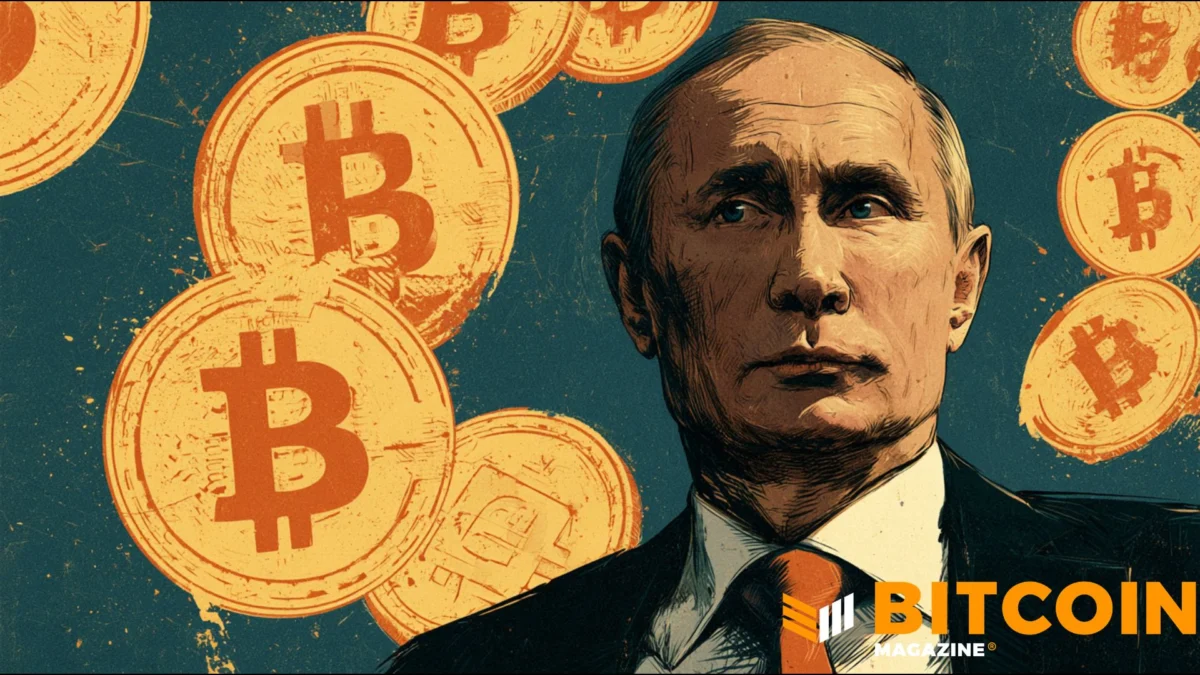
Russian President Vladimir Putin has reportedly signed a landmark law that codifies the regulation of digital currencies and digital rights within the Russian Federation. This significant legislative move aims to establish a clearer framework for the burgeoning digital asset landscape, although it explicitly prohibits the use of cryptocurrencies like Bitcoin for everyday transactions by citizens. The new legislation, confirmed by reports from the Tass news agency, marks a critical juncture in Russia’s evolving approach to digital finance, balancing a desire for innovation with stringent controls over domestic monetary circulation.
The core provisions of the new law, as detailed by Tass on Tuesday, stipulate that only officially registered entities will be permitted to operate as digital currency exchanges. Furthermore, the legislation imposes limitations on the volume of cryptocurrency that retail investors can engage with annually. For ordinary citizens, this means a cap of 300,000 rubles (approximately $3,700 USD at current exchange rates) per year for trading in the most liquid cryptocurrencies. This restriction, however, does not apply to qualified investors, who are afforded greater flexibility under the new regulatory regime.
Crucially, the law maintains a firm prohibition on the use of digital currencies and digital rights as a form of payment or legal tender within Russia. This ban on crypto for domestic payments has been in effect since 2022, underscoring the government’s intention to preserve the sovereignty of the Russian ruble as the primary currency for internal commerce. Despite these domestic restrictions, the legislation carves out specific allowances for the use of digital currencies. According to the Tass report, Russians are permitted to utilize digital currencies for settlements related to foreign trade contracts involving residents and non-residents. This provision also extends to individuals and entities engaged in cryptocurrency mining operations.
The development comes after several years of concerted efforts by Russian regulators, lawmakers, and the central bank to establish definitive rules for digital assets. This prolonged period of deliberation reflects the complex challenges in balancing technological advancement with financial stability and national security concerns. The desire to integrate emerging financial technologies, while simultaneously safeguarding the domestic economy from potential volatility and illicit activities, has been a recurring theme in governmental discussions.
A Shifting Stance on Bitcoin?
The news that digital currencies remain barred from domestic payment use might appear to contradict earlier pronouncements from President Vladimir Putin regarding Bitcoin. In earlier statements, the Russian leader had appeared to express a degree of openness and even optimism about the potential of Bitcoin and similar technologies. In 2024, President Putin was quoted as saying, "For example, Bitcoin, who can ban it? Nobody," acknowledging the decentralized nature of such currencies and their capacity to facilitate cross-border money transfers. This sentiment suggested a recognition of the growing influence and utility of digital assets.
Furthermore, President Putin has previously highlighted Russia’s "competitive advantages" in the realm of Bitcoin mining. These advantages are largely attributed to the country’s abundant supply of relatively inexpensive energy, a critical factor in the energy-intensive process of cryptocurrency mining. This acknowledgment pointed towards a potential strategic interest in leveraging Russia’s resources to become a significant player in the global crypto mining ecosystem.
However, the current legislative direction indicates that lawmakers are prioritizing a tightly controlled environment for financial activities. The prohibition on domestic crypto payments, juxtaposed with the allowance for international transactions, suggests a strategic intent. This dual approach—restricting internal use while permitting external applications—is widely interpreted as a mechanism to navigate the complex landscape of international sanctions. By facilitating digital currency settlements for foreign trade, Russia may be seeking to reduce its reliance on traditional financial channels that could be subject to external pressures, thereby maintaining economic flexibility.
Historical Context and Regulatory Evolution
The journey towards formalizing digital currency regulations in Russia has been a protracted and often intricate process, marked by differing viewpoints among various governmental bodies. Early on, the Bank of Russia expressed significant skepticism, often advocating for outright bans on cryptocurrency trading and usage due to concerns about financial stability, money laundering, and the potential for speculative bubbles. These concerns were rooted in the volatile nature of cryptocurrencies and the perceived risks they posed to the broader financial system.
Conversely, other government ministries and departments, particularly those focused on economic development and technological innovation, recognized the potential benefits of embracing digital assets. They highlighted opportunities for attracting investment, fostering technological advancement, and creating new economic avenues. The debate often centered on finding a balance between mitigating risks and harnessing the potential of this nascent technology.
The year 2022 proved to be a pivotal point, with a more definitive stance emerging. The prohibition on using cryptocurrencies as a means of payment within Russia was formally instituted, signaling a clear boundary. This decision was made in the context of evolving global economic conditions and the increasing imposition of sanctions against Russia.
The subsequent period has seen a more structured approach to regulation. The Ministry of Finance and the Bank of Russia have engaged in extensive consultations and legislative drafting to define the legal status of digital assets, the responsibilities of market participants, and the mechanisms for oversight. The current law represents the culmination of these efforts, aiming to provide a clear, albeit restrictive, framework.
Supporting Data and Market Implications
The global cryptocurrency market has experienced significant growth and volatility over the past decade. As of early 2024, the total market capitalization of cryptocurrencies hovered in the trillions of dollars, underscoring the substantial economic force they represent. This growth has prompted governments worldwide to grapple with how to regulate this rapidly evolving sector.
Russia’s approach positions it differently from some nations that have embraced cryptocurrencies more readily, such as El Salvador, which adopted Bitcoin as legal tender. It also differs from countries that have implemented outright bans without significant exceptions. Russia’s strategy appears to be one of cautious integration, allowing for specific economic applications deemed beneficial to the state, while maintaining strict control over domestic financial flows.
The limitations imposed on retail investors, particularly the annual trading cap, are substantial. For context, the average monthly income in Russia can vary significantly, but this cap would represent a considerable portion of disposable income for many citizens, effectively limiting their ability to participate actively in the cryptocurrency market for speculative purposes.
The focus on foreign trade settlements and mining highlights a pragmatic approach. By permitting these activities, Russia aims to:
- Enhance Resilience to Sanctions: Facilitating cross-border transactions using digital currencies can offer an alternative to traditional banking systems, which may be targeted by sanctions. This could enable Russian businesses to continue trading with international partners, albeit within a regulated digital framework.
- Leverage Mining Potential: Russia’s vast energy resources make it an attractive location for cryptocurrency mining. Formalizing regulations in this area could lead to increased investment, job creation, and the development of related infrastructure, while also ensuring that these activities are subject to taxation and oversight.
- Control Capital Flows: By restricting domestic payments, the government aims to prevent capital flight and maintain stability within the national financial system. This ensures that the ruble remains the dominant currency for everyday economic activity.
Official Responses and Broader Impact
While direct quotes from President Putin or the central bank regarding this specific law are not extensively detailed in the initial reports, the legislative action aligns with the general direction signaled by Russian authorities. The ongoing dialogue between the Ministry of Finance and the Bank of Russia has consistently pointed towards a regulated, rather than unfettered, approach to digital assets.
The implications of this new law are multifaceted:
- For Russian Citizens: The ability to trade a limited amount of cryptocurrency for personal investment or speculative purposes remains, but the dream of paying for groceries or rent with Bitcoin is not yet a reality. This distinction is crucial for understanding the practical impact on daily life.
- For Businesses: Companies involved in international trade may find new avenues for conducting transactions, potentially streamlining processes and reducing reliance on traditional banking infrastructure. This could be particularly relevant for businesses operating in sectors or with partners that face financial restrictions.
- For the Global Crypto Market: Russia’s regulatory stance contributes to the diverse and often fragmented global regulatory landscape for cryptocurrencies. The country’s decision to permit specific international uses while restricting domestic ones will be observed by other nations considering their own regulatory frameworks. It could also influence the flow of mining operations and investment into the country.
- Geopolitical Dimensions: In the context of ongoing geopolitical tensions and sanctions, Russia’s move to regulate and potentially utilize digital currencies for international trade carries significant geopolitical weight. It signals an effort to adapt and find alternative mechanisms for economic engagement in a challenging global environment.
The enactment of this law represents a significant step in Russia’s complex relationship with digital currencies. It is a testament to the ongoing effort to navigate the intersection of technological innovation, economic strategy, and national sovereignty. As the implementation of these regulations unfolds, its long-term effects on Russia’s economy, its citizens, and its position in the global digital finance arena will become increasingly apparent. The distinction between facilitating specific economic activities and allowing widespread public adoption remains a defining characteristic of Russia’s current digital currency policy.
