

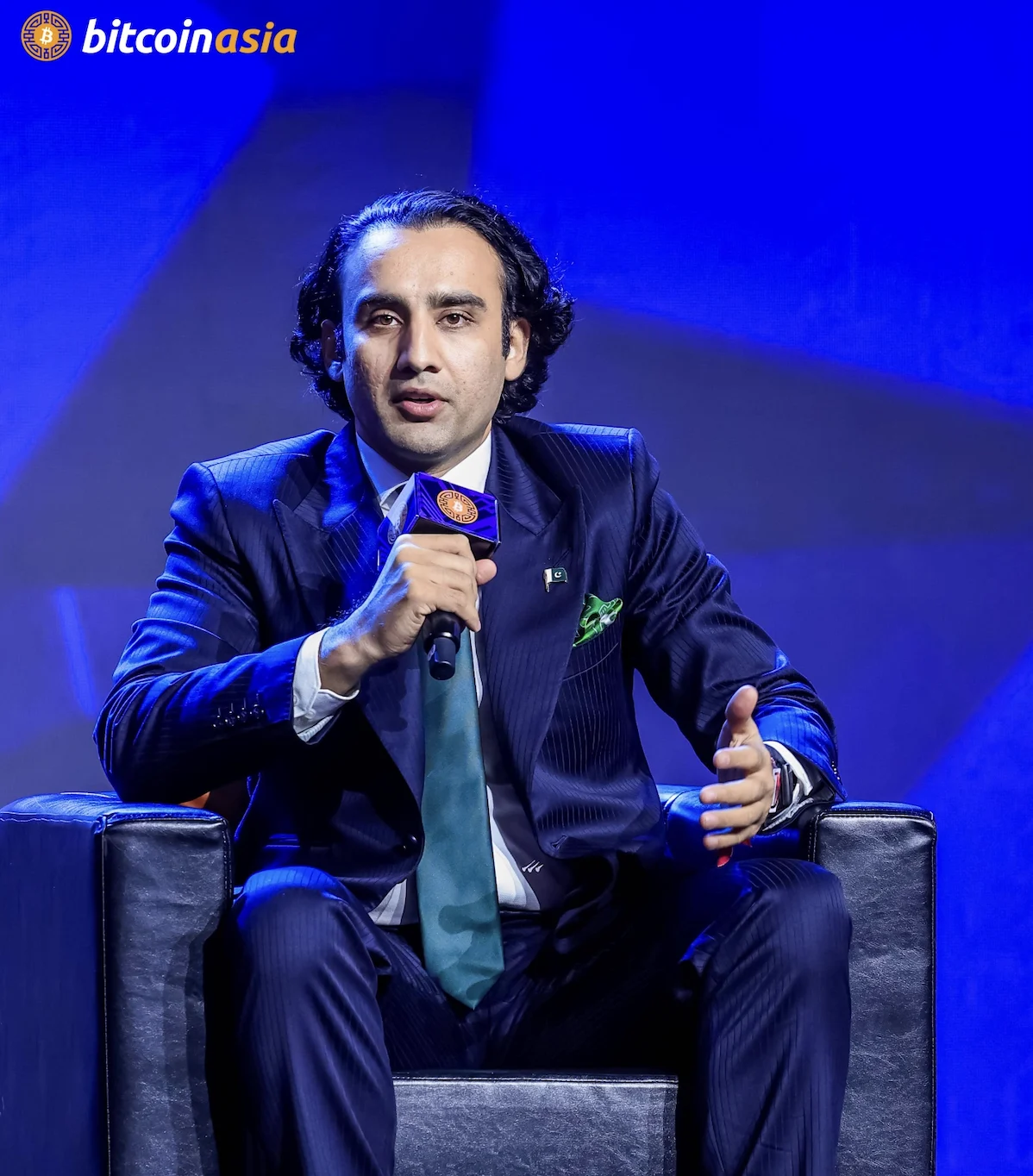
Pakistan has successfully launched its comprehensive virtual asset regulatory regime in under six months, a feat achieved while utilizing only 8% of the allocated budget. Bilal Bin Saqib, the country’s Minister of State and Chairman of the Pakistan Virtual Assets Regulatory Authority (PVARA), announced this significant accomplishment, highlighting a novel approach to governmental efficiency and forward-thinking financial regulation. The initiative, costing approximately $200,000 to establish and operationalize, underscores a commitment to delivering tangible results with fiscal responsibility, leaving a substantial 92% of the approved budget unspent.
The swift transition from primary legislation to the notification of regulations and the establishment of a live licensing regime marks a pivotal moment for Pakistan’s engagement with the burgeoning digital asset sector. This framework provides a formalized and secure pathway for companies operating within this innovative space, fostering an environment conducive to growth and compliance.
A Paradigm Shift in Government Efficiency
Speaking at the prestigious Bitcoin Asia conference in Hong Kong on August 28th, Minister Saqib articulated a philosophy that challenges traditional governmental metrics of success. "We used only 8% of our approved budget to get this done," Saqib stated, emphasizing that true governmental achievement lies not in expenditure, but in delivery. "Government should not measure success by how much money it spends. It should measure success by how much it delivers." This statement encapsulates a potent message for public administration, advocating for a results-oriented approach that prioritizes effectiveness and innovation over bureaucratic inertia.
The establishment of PVARA within such a condensed timeframe and with minimal financial outlay demonstrates a deliberate strategy to embrace technological advancements and agile methodologies. Unlike traditional government projects that often face significant delays and budget overruns, Pakistan’s approach to virtual asset regulation showcases a commitment to rapid adaptation in a technologically dynamic landscape.
Comprehensive Regulatory Framework for Digital Assets
The newly enacted regulatory framework is designed to encompass a wide spectrum of activities within the virtual asset ecosystem. This includes provisions for cryptocurrency exchanges, custody services, brokerage, asset management, lending, and settlement operations. Furthermore, the regulations introduce stringent requirements in critical areas such as governance, anti-money laundering (AML), and counter-terrorism financing (CTF). Safeguarding customer assets, ensuring robust cybersecurity measures, and promoting fair market conduct are also central tenets of the new regime.
This comprehensive approach aims to integrate virtual asset activities into Pakistan’s formal financial system, providing businesses with a clear and predictable operational environment. By establishing these guidelines, Pakistan is signaling its intent to become a responsible and attractive jurisdiction for legitimate digital asset enterprises. The move is seen as a significant step towards modernizing the nation’s financial infrastructure and embracing the opportunities presented by the digital economy.
Rethinking Governance in the Digital Age
Minister Saqib presented the PVARA rollout as more than just a regulatory achievement; it is a demonstration of how governments can fundamentally rethink their operational models in an era of rapid technological advancement. The authority’s success was attributed to the strategic use of smaller, agile teams, technology-driven workflows, and a relentless focus on delivering a functional regulatory framework.
"Technology is moving at machine speed. Government has to learn how to move much faster without compromising structure, accountability or consumer protection," Saqib articulated. This statement highlights the delicate balance governments must strike between agility and institutional integrity. He further elaborated on the necessity of combining speed with credibility, stating, "Speed without structure can be dangerous. But structure without speed can become irrelevant."
This forward-looking approach aligns with Pakistan’s broader vision of competing in the global financial technology landscape. Instead of merely adopting technologies developed elsewhere, the nation is positioning itself to actively participate in the development of new financial infrastructure, contributing to the evolution of global financial systems.
Beyond Crypto: Embracing the Agentic Economy
Minister Saqib’s vision extends far beyond the immediate scope of virtual asset regulation. He outlined Pakistan’s aspirations to be at the forefront of an economy increasingly shaped by tokenized markets, programmable payments, stablecoins, machine-to-machine commerce, and the transformative potential of artificial intelligence agents.
The advent of AI agents capable of executing financial transactions on behalf of individuals, corporations, and other machines presents a new frontier of regulatory challenges. Questions surrounding financial authority, digital identity, compliance enforcement, and consumer protection will become increasingly paramount. Saqib posed critical questions that governments will need to address: Who bears responsibility when an AI agent completes a financial transaction? How should delegated authority be structured in such scenarios? And how can AML controls be effectively implemented when machines transact directly with one another?
"Today we are regulating virtual asset service providers," Saqib stated. "Tomorrow we will need regulation around agentic payments and the agentic economy." He described Pakistan’s current virtual asset framework as a foundational building block for this future financial system, a strategic investment in preparedness for the next wave of financial innovation.
Building at the Frontier: Pakistan’s Ambitious Strategy
This strategic approach represents a conscious effort to compress the traditional timelines often experienced by emerging markets. Historically, these markets have tended to adopt financial and technological innovations only after they have matured in larger, more developed economies. Pakistan, however, is opting for a different path.
"Emerging markets do not have to spend the next decade catching up. We can build at the frontier," Saqib asserted. With a population exceeding 240 million, Pakistan possesses a substantial domestic market, presenting a significant opportunity for the adoption and growth of emerging financial technologies.
The immediate challenge for PVARA will be to effectively attract legitimate digital asset businesses while upholding the consumer protections and oversight mechanisms embedded within the new regulatory framework. The success of this dual objective will be a critical determinant of the regime’s long-term viability and impact.
However, Minister Saqib’s ambition transcends mere regulatory compliance. Pakistan’s rapid transition from legislative enactment to a fully operational licensing regime, achieved with remarkable fiscal prudence, is being presented as a model for how governments worldwide can approach the development of next-generation financial infrastructure. The nation’s intention is to apply this agile and efficient philosophy to an economy where digital assets, artificial intelligence, and programmable finance are increasingly converging, positioning itself as a leader in the evolving global financial landscape. The underlying message is clear: Pakistan is not content to follow; it aims to lead and innovate at the cutting edge of financial technology.
