

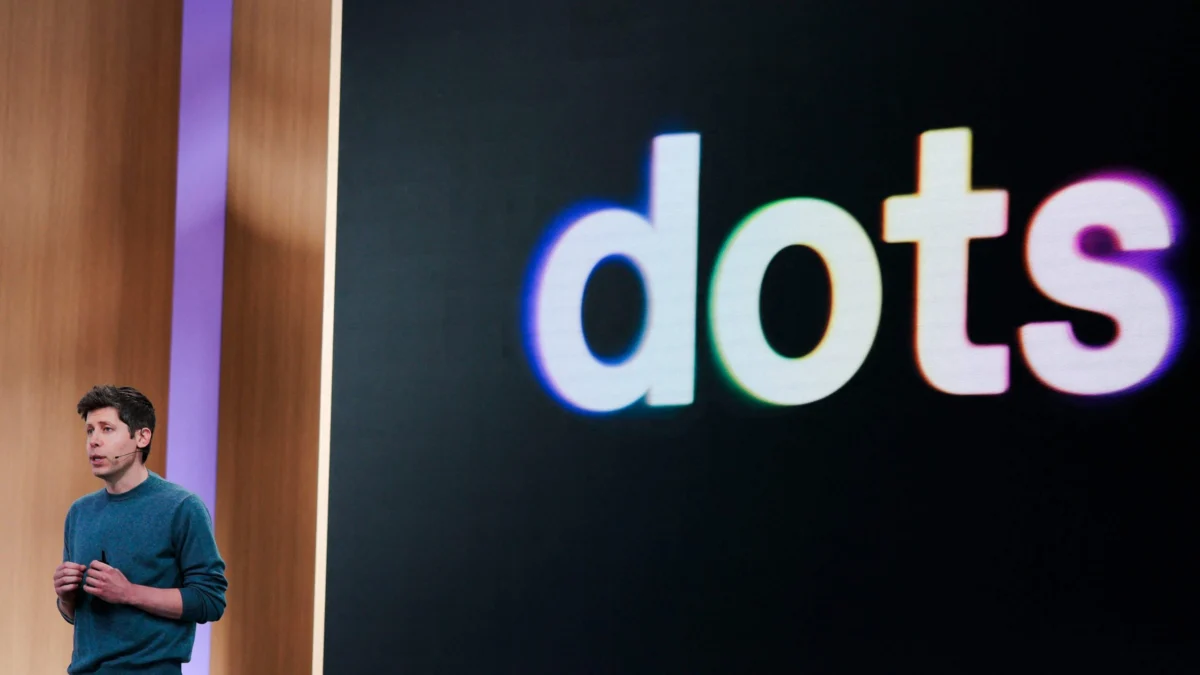
OpenAI, the leading artificial intelligence research laboratory, has unveiled "Dots," a groundbreaking, continuously active AI agent designed to autonomously handle tasks for users. The announcement, made at the company’s Developer Day in San Francisco, signals a significant leap forward in the burgeoning market for AI-powered digital assistants. However, the unveiling occurs against a backdrop of intense debate surrounding AI safety risks and increasing competition, notably from industry giant Meta Platforms.
Dots: A New Era of AI Assistance
"Dots" is positioned as a sophisticated AI agent capable of operating a computer and integrating information from various connected applications. Its core functionality is to assist users with tasks such as research, drafting documents, and even software development. OpenAI demonstrated how the agent can be controlled through natural language commands via ChatGPT, or through popular communication platforms like Slack and Microsoft Teams. The company also indicated plans to enable SMS-based interactions in the future.
During the developer conference, OpenAI showcased the practical applications of Dots, with engineers reportedly using the virtual assistant to resolve dozens of software bugs on a daily basis. This real-world implementation highlights the potential for Dots to streamline workflows and boost productivity across various professional domains.

Pricing and Subscription Restructuring
Alongside the introduction of Dots, OpenAI has announced a significant restructuring of its subscription offerings. A new premium tier, priced at $500 per month, will provide users with enhanced usage limits and faster processing speeds. This premium offering contrasts with the existing $200 per month tier, where certain usage caps will reportedly be reduced. This tiered subscription model suggests OpenAI’s strategy to cater to different user segments, from individual power users to enterprise teams requiring extensive AI support. The $500 subscription, while substantial, reflects the advanced capabilities and resources dedicated to the premium AI services.
Context: The Evolving AI Landscape
The launch of Dots and the new subscription tiers takes place at a critical juncture for OpenAI and the broader AI industry. The company, which has already made significant waves with its ChatGPT models, is navigating a rapidly evolving technological and regulatory environment.
Key developments shaping the AI landscape:
- Intensifying Competition: Tech giants like Meta Platforms are aggressively investing in their own AI research and development. Meta’s Llama models, for instance, represent a significant challenge in the open-source AI space, fostering a competitive dynamic that pushes innovation but also raises questions about market dominance and proprietary technologies.
- AI Safety and Ethical Concerns: The rapid advancement of AI has also amplified concerns about its potential risks, including the spread of misinformation, job displacement, and the development of autonomous weapons. Regulators worldwide are grappling with how to establish effective governance frameworks for AI, balancing innovation with the need for safety and ethical deployment. OpenAI itself has been a vocal participant in these discussions, advocating for responsible AI development.
- Developer Ecosystem Growth: OpenAI’s Developer Day underscores the company’s commitment to fostering an ecosystem around its AI models. By providing developers with tools and platforms, OpenAI aims to accelerate the adoption and integration of its technologies into a wide range of applications and services.
A Timeline of OpenAI’s Recent Developments
OpenAI’s journey to this point has been marked by a series of significant milestones and strategic moves:

- March 2023: OpenAI launched GPT-4, its most advanced large language model to date, offering improved performance and capabilities over its predecessor.
- April 2023: Concerns were raised within OpenAI regarding the potential dangers of advanced AI, leading to discussions about the risks associated with developing superintelligence.
- May 2023: At its first-ever Developer Day, OpenAI announced updates to its API, including lower pricing for GPT-3.5 Turbo and increased context windows, making its models more accessible to a wider range of developers.
- July 2023: OpenAI introduced its first custom GPTs, allowing users to create specialized versions of ChatGPT for specific tasks or domains. This move signaled a shift towards more personalized AI experiences.
- October 2023: The company faced significant internal turmoil with the abrupt departure and subsequent potential return of CEO Sam Altman, highlighting ongoing debates about the company’s direction and leadership amidst rapid AI advancements. The events underscored the high stakes involved in guiding the future of artificial intelligence.
Expert Reactions and Industry Implications
The unveiling of "Dots" has been met with a mixture of anticipation and caution from industry analysts and AI experts.
"The introduction of an autonomous AI agent like ‘Dots’ represents a significant step towards truly intelligent assistants that can proactively manage complex digital tasks," commented Dr. Anya Sharma, a leading AI ethicist. "However, the capabilities of such agents necessitate robust safety protocols and clear ethical guidelines to prevent misuse and ensure accountability. The pricing structure also indicates a premium market focus, potentially creating a divide in access to advanced AI capabilities."

Competitors, while not issuing direct statements on "Dots," are likely intensifying their own development efforts. Meta Platforms, with its open-source approach to AI, may see OpenAI’s proprietary agent as a direct challenge to its strategy of widespread accessibility. The continued arms race in AI development suggests that advancements in autonomous agents and personalized AI experiences will be a key battleground in the coming years.
The implications for businesses are profound. Companies that can effectively leverage "Dots" could see substantial gains in efficiency, innovation, and operational agility. However, the integration of such powerful AI tools will also require careful consideration of data privacy, cybersecurity, and the impact on the workforce. The $500 monthly subscription, while steep, may prove to be a worthwhile investment for organizations seeking a competitive edge through advanced AI automation.

The Road Ahead: Balancing Innovation and Responsibility
OpenAI’s Developer Day has underscored the company’s ambition to remain at the forefront of AI innovation. The introduction of "Dots" signifies a commitment to developing AI that can not only process information but also act upon it autonomously, bridging the gap between digital assistants and true AI collaborators.
However, the concurrent discussions surrounding AI safety and the increasing scrutiny from regulators worldwide serve as a constant reminder of the profound societal implications of this technology. As AI agents become more sophisticated and integrated into our daily lives, the challenge for companies like OpenAI will be to foster innovation while upholding a strong commitment to ethical development and responsible deployment. The success of "Dots" will likely be measured not only by its technical prowess and market adoption but also by its ability to navigate the complex ethical and societal landscape that defines the future of artificial intelligence. The company’s ability to manage these competing priorities will be crucial in shaping public trust and ensuring the long-term viability of its groundbreaking AI initiatives.
