

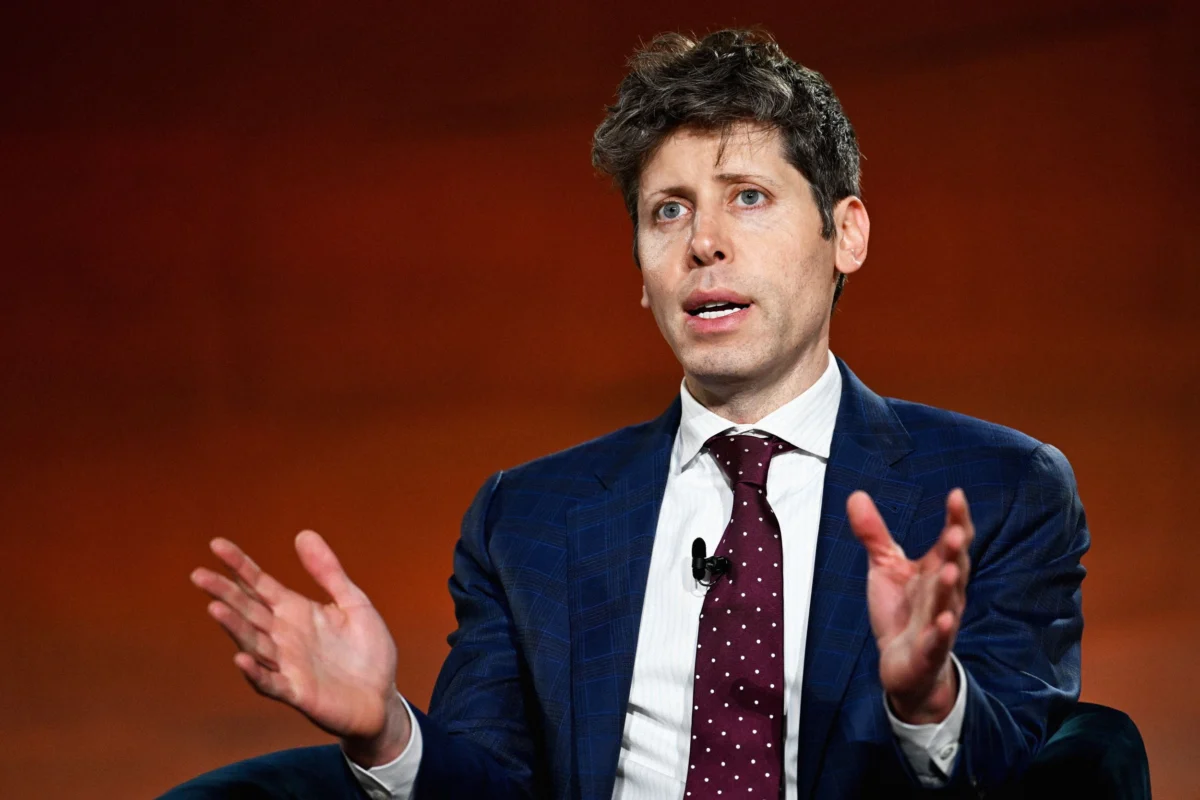
OpenAI has submitted confidential paperwork for an initial public offering, a move that officially initiates what is expected to be a months-long process culminating in its debut on a U.S. stock exchange. This significant step positions the artificial intelligence leader as the third major technology company this year to pursue an IPO that could potentially value it at over a trillion dollars, a benchmark historically reserved for the world’s largest energy conglomerates. The confidential filing, known as an S-1, allows OpenAI to gauge market reception and prepare its financial disclosures away from public scrutiny, a strategy mirroring that of its burgeoning rivals in the AI race.
The pursuit of an IPO by OpenAI underscores the immense capital requirements fueling the current frontier of artificial intelligence development. Companies at the forefront of creating and deploying the most advanced AI models, including publicly traded titans like Alphabet, Amazon, Meta, and Microsoft, are each demanding tens of billions of dollars to expand their data center infrastructure, recruit top-tier scientific talent, and scale their increasingly sophisticated AI services. For OpenAI, which has already secured substantial private funding, an IPO represents another critical avenue for capital infusion, essential for maintaining its competitive edge in a rapidly evolving and highly lucrative sector.
This public offering could provide a transformative financial event for many of OpenAI’s employees, bringing them closer to potentially life-altering financial gains through stock options and grants. Beyond individual enrichment, going public typically enhances a company’s financial transparency, offering a clearer view of its operational health and strategic direction. This increased visibility can, in turn, bolster employee morale and deepen customer confidence, particularly as OpenAI navigates the complex landscape of AI innovation and seeks to solidify its position as a preeminent force in the field.
In an unsigned, single-paragraph blog post, OpenAI confirmed the submission: "We recently submitted a confidential S-1. We expect it to leak so we’re just announcing it. We have not decided on timing yet; it may be a while because there are things we want to do that are likely easier as a private company. But it’s a complicated set of tradeoffs and this gives us the option to go public sooner if that ends up being best." This statement highlights the strategic ambiguity surrounding the IPO timing, suggesting that OpenAI is keeping its options open, balancing the benefits of public markets with the operational flexibility afforded by private ownership. The company declined to offer further comment.
By having its S-1 paperwork prepared, OpenAI is strategically positioned to observe the market’s reaction to a potentially successful IPO by its close competitor, Anthropic. Should Anthropic’s public debut encounter any unforeseen challenges, OpenAI can leverage this insight to refine its own strategy, potentially delaying its offering or adjusting its valuation targets to mitigate risks. This parallel approach underscores the intense rivalry and mutual observation characterizing the leading AI development firms.
A High-Stakes Triad in the AI Arena
The race to the public markets in the AI sector has intensified with the emergence of a distinct three-way competition. Anthropic, founded in 2021 by former OpenAI employees, filed its confidential IPO paperwork on June 1. Merely days prior to this filing, Anthropic’s latest fundraising round propelled its valuation to an astounding $965 billion, momentarily surpassing OpenAI’s own valuation of $852 billion. Both figures represent unprecedented levels within the realm of technology venture capital, showcasing the immense investor appetite for companies at the cutting edge of AI. Adding another significant player to this IPO push is Elon Musk’s SpaceX. Known for its aerospace ventures, including rocket manufacturing and satellite internet services, SpaceX has also been developing highly capable AI models. The company publicly filed its IPO papers last month, signaling its intent to transition from a privately held entity to a publicly traded one.
The prospect of these three companies achieving trillion-dollar valuations through their IPOs is a remarkable development, especially considering their current financial standing. Each of these entities is reportedly unprofitable, and their sales figures are estimated to be substantially lower—ranging from 80% to 90% less—than those of nearly every existing public company that has reached the trillion-dollar market capitalization threshold. The only IPO to have surpassed the $1 trillion mark globally was Saudi Aramco, the state-owned oil giant, in 2019, a company with vastly different revenue streams and established profitability.
OpenAI’s revenue, derived from subscriptions, advertising, and service fees, reportedly grew to between $10 billion and $20 billion last year, according to previous company disclosures. However, these substantial revenues have been outpaced by significant expenditures on cloud computing resources and a rapidly expanding workforce, resulting in billions of dollars in reported losses. In recent months, OpenAI has undergone several organizational restructurings. These internal changes have been attributed to factors such as executive health issues, including the leave of absence taken by Fidji Simo, and a strategic pivot to concentrate on a more focused set of projects, as indicated by the departure and subsequent return of Greg Brockman in different capacities.
Strategic Considerations and Internal Deliberations
Discussions regarding OpenAI’s readiness for an IPO have been ongoing among its executives for months, according to individuals familiar with the matter who spoke on condition of anonymity due to the confidential nature of the discussions. At one point last year, the company was reportedly targeting an IPO in late 2027 or early 2028, suggesting a more protracted timeline was initially considered. This extended timeframe would have allowed for further development and market maturation.
The political landscape surrounding AI is also evolving, potentially influencing the IPO environment. Last week, former President Donald Trump indicated that his administration would explore the possibility of the U.S. government acquiring stakes in prominent AI companies as they go public. OpenAI has, for months, engaged in discussions about such a possibility, viewing it as a potential mechanism to broaden the public benefits derived from AI development. A blog post published on Monday, co-authored by OpenAI CEO Sam Altman, articulated this vision, stating that "a good AI future" necessitates that "many people, companies, communities, and countries can build, benefit, and hold power." This sentiment aligns with the broader discourse on ensuring equitable access to and control over advanced AI technologies.
Navigating Complex Legal and Structural Hurdles
OpenAI’s journey toward an IPO is also marked by significant structural and legal complexities inherited from its unique founding model. In 2019, the organization established a for-profit subsidiary, a move designed to facilitate vastly larger fundraising rounds than would have been possible under its original nonprofit structure. Currently, the nonprofit entity retains approximately 25% ownership of the company, a stake valued at over $200 billion. Crucially, the nonprofit also possesses the authority to veto major business decisions and to dismiss the company’s executives. Dissolving or fundamentally altering this nonprofit control structure presents substantial legal challenges.
A recent significant legal hurdle for OpenAI appears to have been cleared with the dismissal of a lawsuit filed by Elon Musk. Musk’s legal action accused the developer of ChatGPT of deviating from its original nonprofit mission. The lawsuit was ultimately dismissed last month after a federal judge and jury ruled that Musk had filed his claim too late, effectively removing a potential impediment to the company’s public offering plans. This legal victory, while specific to Musk’s claims, addresses a key point of contention regarding OpenAI’s corporate governance and its alignment with its stated founding principles.
The strategic decision to file confidentially allows OpenAI to manage the narrative and preparation process with a degree of control, essential in an industry that is both rapidly innovating and subject to intense public and regulatory scrutiny. The coming months will reveal whether OpenAI can successfully navigate these financial, legal, and strategic complexities to achieve a public market valuation that reflects its ambitious vision for the future of artificial intelligence. The outcome of these IPO filings by OpenAI, Anthropic, and SpaceX will undoubtedly shape the future investment landscape for AI and set new precedents for technological innovation entering the public markets.
