

London, UK – November 4, 2026 – Nothing, the burgeoning smartphone and consumer tech company renowned for its distinctive design language and the popular Nothing Phone series, has confirmed plans to release its inaugural "AI-native product" in December of this year. The announcement, made by CEO Carl Pei via a post on X on Wednesday, has ignited widespread speculation across the technology industry regarding the exact nature of this mysterious new device. Pei’s cryptic description, characterizing it as "a tool, but one built with the personality and care that have come to define a Nothing product," further stated that it will have "no new screen, and it couldn’t have been an app." This revelation signals a significant strategic pivot for Nothing, moving beyond its established smartphone and audio accessory lines into the burgeoning and highly competitive field of dedicated artificial intelligence hardware.
Nothing’s Ambitious AI Vision Takes Shape
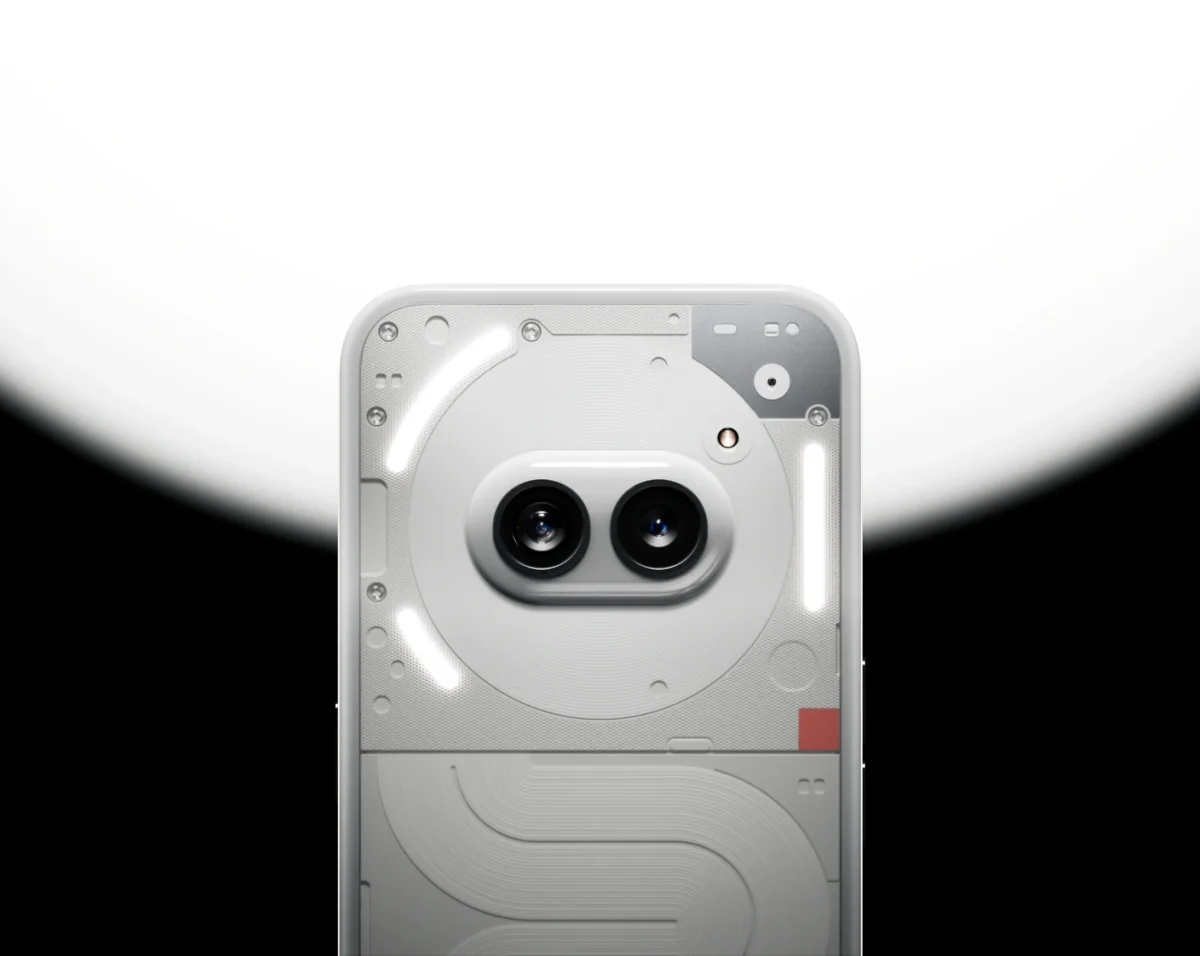
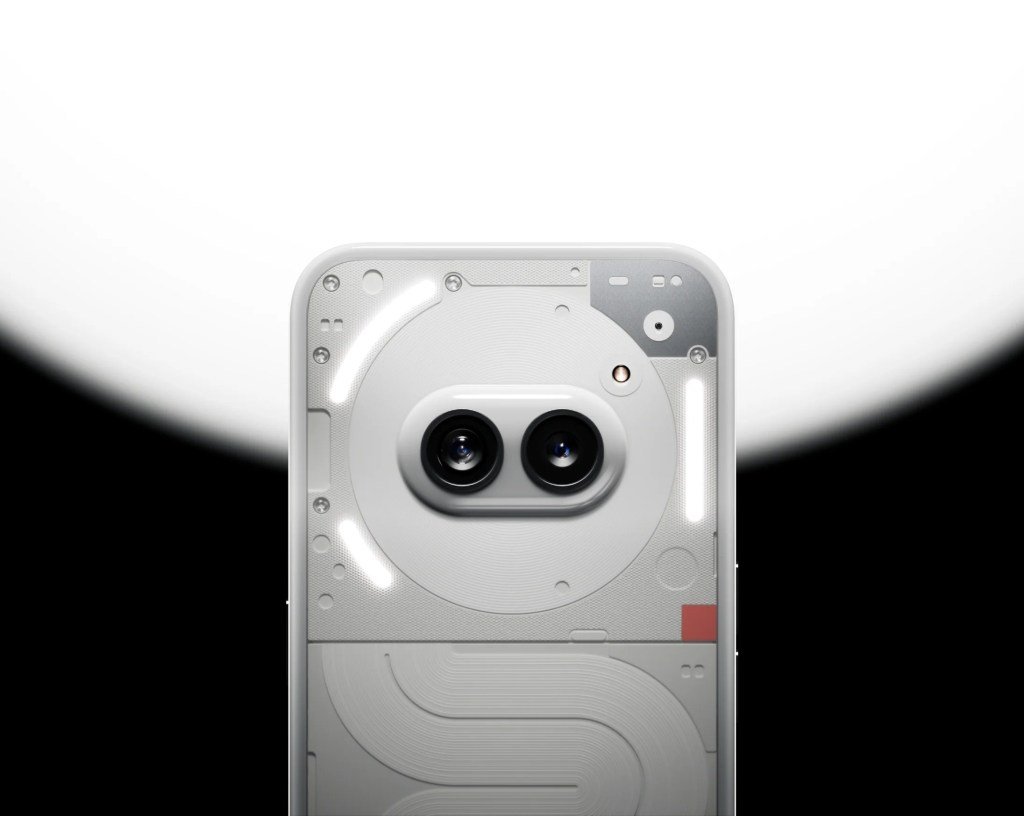
The forthcoming AI product represents a culmination of CEO Carl Pei’s long-articulated vision for a more seamless and intuitive interaction with technology, often expressed through his critiques of the conventional smartphone paradigm. Since its inception in 2020, Nothing has carved out a unique niche in the consumer electronics market, distinguishing itself with a minimalist aesthetic, transparent design elements, and a commitment to user experience. Its flagship device, the Nothing Phone, first launched in 2022, captured attention with its innovative Glyph Interface – a customizable array of LED lights on the phone’s rear that serves as a visual notification system. This design philosophy, prioritizing thoughtful interaction and a departure from industry norms, is now poised to extend into the realm of artificial intelligence.
Pei’s latest pronouncements suggest a device that embodies Nothing’s core principles while pushing the boundaries of what constitutes a "tech product" in the age of AI. The emphasis on "personality and care" hints at an AI experience that is not merely functional but deeply integrated into the user’s life, perhaps learning preferences and adapting behaviors in a highly personalized manner. The description as a "productivity tool" further narrows its potential scope, suggesting a focus on enhancing efficiency, streamlining tasks, or providing on-demand information without the inherent distractions often associated with screen-based interfaces. This strategic direction aligns with a broader industry trend exploring ambient computing and more natural, less intrusive human-computer interaction.
A History of Teases: Pei’s AI-First Philosophy
Carl Pei has been a vocal proponent of an AI-first future, publicly sharing his perspectives on the evolving landscape of personal technology. His recent statements and the company’s prior disclosures paint a chronological picture of Nothing’s deepening commitment to artificial intelligence.
-
March 18, 2026: Pei first extensively articulated his belief that traditional smartphone applications would gradually "disappear" as advanced AI agents take over their functions. In a widely reported interview, he posited that these AI agents would proactively manage tasks, anticipate user needs, and deliver information without requiring users to navigate multiple apps. This vision laid the groundwork for a future where technology is more an invisible assistant than a collection of discrete programs. He argued that the current app-centric model, while powerful, often leads to cognitive overload and fragmented user experiences. His commentary suggested that the next leap in personal computing would move beyond the graphical user interface (GUI) to a more conversational, intent-driven interaction model.
-
April 1, 2026: Following Pei’s philosophical outlines, reports began to surface detailing Nothing’s concrete plans for AI-integrated devices. These early reports indicated that the company was exploring the development of AI-linked smart glasses and earbuds equipped with advanced AI capabilities. Such devices, often termed "hearables" or "wearables," were seen as natural extensions of Nothing’s ecosystem, leveraging the company’s expertise in audio products (like the Nothing Ear series) and its desire to create more seamlessly integrated tech experiences. The idea was to embed AI directly into devices that are always with the user, offering real-time assistance and contextual information.
-
November 4, 2026: Pei’s latest announcement marks a significant update, not only confirming an imminent product launch but also refining the perceived direction of Nothing’s AI efforts. While previous reports suggested wearables like smart glasses and earbuds, Pei’s most recent description – "no new screen, and it couldn’t have been an app" – adds a layer of intrigue and complexity. Furthermore, his statement distancing Nothing from the industry’s "iPhone moment" chase, explicitly mentioning "the pendant, the pin, the glasses, the companion," suggests a departure from the form factors currently being explored by many competitors. This indicates that Nothing’s approach might be distinctively different, perhaps focusing on a more understated, yet equally impactful, form of AI integration.
This timeline reveals a consistent, evolving narrative from Nothing: a recognition of AI’s transformative potential, a gradual unveiling of strategic intentions, and now, the confirmation of a tangible product that aims to redefine user interaction.
Deconstructing the "Screenless, Non-App" Enigma
The precise nature of Nothing’s "AI-native product" remains shrouded in mystery, yet Carl Pei’s carefully chosen words provide crucial clues. The description of a "screenless non-app" productivity tool that "couldn’t have been an app" immediately differentiates it from conventional software solutions and most existing smart devices.
Firstly, "screenless" implies a primary interface that relies on voice commands, haptic feedback, or perhaps subtle visual cues (like the Glyph Interface) rather than a traditional display. This moves towards ambient computing, where technology seamlessly integrates into the environment without demanding constant visual attention. Such an interface would inherently reduce digital distractions, aligning with Pei’s philosophy of technology serving the user rather than consuming their attention.
Secondly, "couldn’t have been an app" suggests a dedicated hardware component essential to its functionality. This isn’t merely an AI-powered feature within an existing device; it’s a distinct entity. This could mean it leverages unique sensors, processing capabilities, or a form factor that is not replicable through software on a smartphone. It positions the device as an indispensable piece of hardware, rather than an optional application.
As a "productivity tool," its core function is likely to assist with tasks, manage information, and streamline workflows. Potential functionalities could include:
- Contextual Information Retrieval: Providing relevant data based on location, time, or ongoing conversations, without explicit prompting. For example, suggesting meeting notes before a call or travel information at an airport.
- Proactive Task Management: Reminding users of upcoming deadlines, suggesting actions based on calendar entries, or automatically initiating routine tasks.
- Enhanced Communication: Summarizing long emails, drafting responses, or facilitating natural language interactions across different platforms.
- Seamless Integration: Working in tandem with a user’s existing digital ecosystem (smartphone, computer, smart home devices) to create a unified experience.
The emphasis on "personality and care" further hints at an AI that is more than just a functional assistant. It suggests a user experience that is intuitive, empathetic, and perhaps even customizable to reflect individual preferences and moods. This could manifest in the AI’s tone of voice, its proactive suggestions, or its ability to understand subtle nuances in user requests, creating a truly personal digital companion.
Given Pei’s statement distancing Nothing from "the pendant, the pin, the glasses, the companion," it is plausible that the device might not be a wearable in the traditional sense, but rather a stationary or easily portable device designed to augment existing technology. It could be a highly advanced, discreet voice assistant, a specialized AI hub that processes ambient information, or a novel form factor that blends into the background of daily life, only activating when needed. Its "productivity" focus also points away from purely entertainment or broad communication functions, grounding it in practical, daily utility.
Navigating the Crowded AI Hardware Landscape
Nothing’s foray into AI hardware comes at a pivotal moment, as the technology industry grapples with the potential of artificial intelligence to redefine human-computer interaction. The market is currently witnessing an intense race among startups and established tech giants alike to discover the next "iPhone moment" – a breakthrough device that fundamentally alters how people engage with technology and seamlessly integrates AI into everyday life.
Several prominent examples illustrate this trend:
- Humane AI Pin: A screenless, wearable device that attaches to clothing, projecting a laser display onto the user’s palm and utilizing voice and gesture controls for AI-powered communication, information retrieval, and productivity tasks. Its emphasis is on untethering users from smartphones.
- Rabbit R1: A small, orange, screen-equipped handheld device designed to act as a universal controller for apps using a "Large Action Model" (LAM). It aims to execute complex tasks across various services through natural language commands, reducing the need to interact with individual apps.
- Rewind AI Pendant: A discreet wearable microphone that continuously records and transcribes conversations, allowing users to "rewind" and search their past interactions, essentially providing a memory assistant.
These devices, while varied in their approach, share a common goal: to move beyond the smartphone as the primary interface for AI, offering more intuitive, context-aware, and less intrusive ways to access digital intelligence. However, they also face significant challenges, including user adoption, battery life constraints, privacy concerns surrounding continuous data collection, and the fundamental question of whether users are ready to embrace entirely new form factors. Initial reviews for some of these products have been mixed, highlighting the difficulties in translating ambitious AI visions into seamless, practical user experiences.
The "iPhone Moment" and Nothing’s Unique Stance
Carl Pei’s deliberate statement, "The whole industry is hunting for its iPhone moment: the pendant, the pin, the glasses, the companion, some magical consumer device that makes AI part of everyone’s life. I admire the boldness, but I read this moment differently," is particularly insightful. It suggests that Nothing, while embracing AI hardware, may eschew the radical form factor shifts that characterize much of the current competition.
Pei’s "different reading" of the moment could imply several strategic approaches:
- Augmentation, Not Replacement: Instead of attempting to entirely replace the smartphone or introduce a completely standalone device that requires users to relearn interactions, Nothing’s product might be designed to seamlessly augment the existing smartphone experience. It could offload specific AI-driven tasks from the phone, acting as a dedicated processor or interface for certain functions, thereby enhancing the overall ecosystem without demanding a radical behavioral shift.
- Subtlety and Integration: Rather than a conspicuous wearable, Nothing’s device might be designed for extreme subtlety, blending into the environment or being easily pocketable. Its primary value would come from its discreet functionality and intelligent background operation, providing assistance only when truly needed, minimizing disruption.
- Refined Interaction: Nothing might focus on perfecting a specific type of AI interaction – perhaps a highly advanced voice interface, a unique haptic language, or a novel method of contextual awareness – rather than attempting to be a universal AI gateway. The "personality and care" aspect supports this, hinting at a deeply considered user experience within a defined scope.
- Ecosystem Play: The AI product could be designed to deeply integrate with Nothing’s existing devices, such as the Nothing Phone and Nothing Ear earbuds. It might act as a central AI brain that enhances the capabilities of these devices, creating a more cohesive and intelligent user experience across the entire Nothing ecosystem. For instance, it could process environmental audio for improved noise cancellation or provide real-time translations through the earbuds, or offer predictive notifications directly to the phone’s Glyph Interface.
By "reading this moment differently," Pei signals an intention to avoid the pitfalls of early-stage AI hardware that struggles with practical utility or mass adoption. Instead, Nothing may aim for a more measured, thoughtful entry into the market, focusing on a specific problem or user need that its unique AI-native product can address with elegance and efficiency. This could allow them to carve out a distinct identity in a crowded space, much as they did with their smartphone offerings.
Potential Market Implications and Future Outlook
The launch of Nothing’s AI-native product in December 2026 carries significant implications for the company and the broader technology landscape.
For Nothing, this move represents a substantial leap. Success in this new category could cement Nothing’s reputation as a true innovator, capable of delivering groundbreaking experiences beyond its distinctive hardware design. It could attract a new demographic of early adopters and tech enthusiasts keen on exploring the practical applications of AI in daily life. Conversely, if the product fails to resonate with consumers or struggles to deliver on its ambitious promises, it could strain the company’s resources and dilute its brand identity. The risk is high, but so is the potential reward for being an early, successful entrant in a rapidly evolving market.
For the AI hardware market, Nothing’s entry adds another formidable player to the mix. The company’s unique design philosophy and marketing prowess could inject fresh ideas and competition, pushing other manufacturers to innovate further in areas like user interface, industrial design, and seamless AI integration. If Nothing’s product gains traction, it could help define a new category of AI devices, influencing future trends and consumer expectations for intelligent technology. The industry is still searching for the definitive form factor for personal AI, and Nothing’s "different reading" of the moment could offer a compelling alternative to current approaches.
From a consumer perspective, the prospect of a screenless, non-app productivity tool from Nothing is tantalizing. It promises a future where technology is less intrusive, more intuitive, and genuinely helpful. If the device lives up to Pei’s vision, it could empower users to manage their digital lives with greater ease, reduce cognitive load, and free up mental space currently consumed by constant screen interaction. The emphasis on "personality and care" also suggests a more human-centric approach to AI, fostering a sense of partnership rather than mere utility.
As the December shipping window approaches, anticipation will undoubtedly build. Nothing has a track record of generating significant buzz around its product launches, and this AI-native device is poised to be its most intriguing offering yet. The tech world eagerly awaits to see how Carl Pei and Nothing intend to redefine our relationship with artificial intelligence, and whether their unique vision will truly usher in a new era of screenless, intelligent productivity.
