

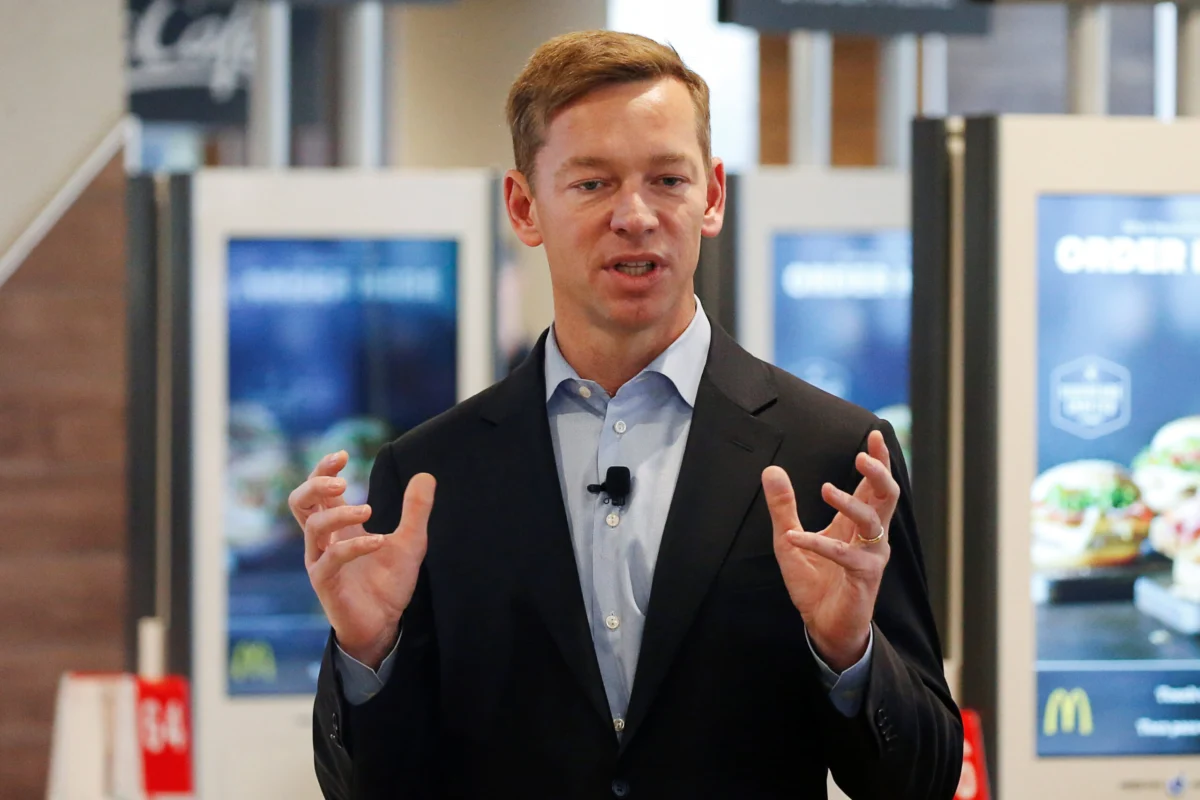
McDonald’s CEO Chris Kempczinski on Wednesday articulated a stark and persistent reality for the restaurant industry, predicting that flat customer traffic and stubbornly high inflation will continue to exert significant pressure. Speaking on CNBC’s "Squawk on the Street," Kempczinski emphasized that this challenging backdrop should no longer be viewed as a temporary hurdle but rather as the established operational environment. "One of the things I’ve talked to our team about is we need to stop talking about that being a difficult environment, and just say that is the environment," Kempczinski stated, underscoring the company’s expectation that these conditions are not poised for a near-term shift. This declaration signals a pivotal strategic reorientation for the global fast-food giant and indeed, for the broader quick-service restaurant (QSR) sector, necessitating adaptive approaches to sustain growth and profitability in a landscape defined by economic headwinds and cautious consumer spending.
A Persistent Warning Becomes the New Reality
For several years, Chris Kempczinski has been a vocal proponent of a cautious outlook, consistently warning investors and analysts about the "challenging environment" confronting McDonald’s and the wider restaurant industry. These warnings, which began intensifying around late 2023 and early 2024, initially focused on the lingering effects of supply chain disruptions, escalating labor costs, and nascent inflationary pressures. However, what started as a series of alerts about potential difficulties has now crystallized into the dominant operational paradigm.
The latest financial results for McDonald’s underscore the severity of these challenges. In its most recent quarter, the burger chain reported U.S. same-store sales growth of a mere 0.8%, a figure that barely registers against the backdrop of rising input costs and represents a significant deceleration from previous periods of robust post-pandemic recovery. Crucially, this modest growth was achieved despite a decline in customer traffic to its domestic restaurants, indicating that any revenue increase was primarily driven by price adjustments rather than an increase in the volume of transactions. This trend mirrors broader industry dynamics, where consumers, facing heightened costs across nearly every facet of their lives—from surging gasoline prices to inflated grocery bills—are increasingly scrutinizing discretionary spending, including dining out.
The National Restaurant Association (NRA) has provided consistent data corroborating this shift in consumer behavior. Their surveys of industry operators, spanning from August 2025 to July 2026, revealed a net decline in customer traffic in all but one month, painting a clear picture of a sustained pullback in consumer visits to eateries nationwide. This protracted period of reduced footfall represents a significant departure from the robust recovery observed immediately following the easing of COVID-19 restrictions, signaling a deeper, more structural shift in consumer spending habits and expectations within the dining sector.
The Unyielding Grip of Inflation: A Global Phenomenon
The core of the restaurant industry’s current predicament, as highlighted by Kempczinski, is the unrelenting nature of inflation. This isn’t just a U.S.-centric issue; it’s a "sticky" global phenomenon, impacting McDonald’s operations and profitability across its vast international footprint. While consumers grapple with higher menu prices, restaurant operators, including McDonald’s and its extensive network of franchisees, are contending with a relentless surge in their own operational expenses.
One of the most significant cost drivers has been beef prices, a critical input for a burger-centric chain like McDonald’s. Kempczinski revealed that beef costs have nearly doubled over the last five years in the company’s biggest markets. To put this into perspective, data from the U.S. Department of Agriculture (USDA) and various market analyses indicate that wholesale beef prices have seen cumulative increases ranging from 80% to over 100% in key regions since late 2021, driven by factors such as herd reductions, feed costs, and processing plant labor shortages. This dramatic increase directly impacts the cost of a foundational product for McDonald’s, eroding profit margins unless effectively managed through pricing or operational efficiencies.
Beyond beef, the inflationary pressures are pervasive. Labor costs have continued to tick higher, fueled by competitive wage environments, minimum wage increases in various jurisdictions, and a persistent scarcity of workers in certain segments of the service industry. Construction costs, vital for new restaurant builds, remodels, and equipment upgrades, have also seen substantial increases, driven by elevated material costs and supply chain bottlenecks. The Bureau of Labor Statistics (BLS) Consumer Price Index (CPI) for "Food Away From Home" has shown consistent increases, with year-over-year growth often outpacing the overall CPI in recent quarters, reflecting the cumulative effect of these rising input costs being passed, at least partially, to consumers.
Strategic Adjustments in a Price-Sensitive Market
Faced with these formidable operating conditions, McDonald’s is recalibrating its strategic approach, focusing intensely on market share acquisition. "The biggest thing that you need to do in an environment like this is you have to be able to earn share," Kempczinski emphasized. "You have to be able to actually grab growth from your competitors." This pivot signals a more aggressive stance in a zero-sum game, where growth must come at the expense of rivals rather than from an expanding overall market.
To attract and retain customers in this highly competitive and price-sensitive environment, McDonald’s and its competitors have increasingly leaned into value offerings and discounts. However, this strategy presents a delicate balancing act. While promotions can drive traffic, they can also compress margins, particularly when input costs remain elevated. The challenge lies in crafting value propositions that resonate with consumers without devaluing the brand or sacrificing profitability.
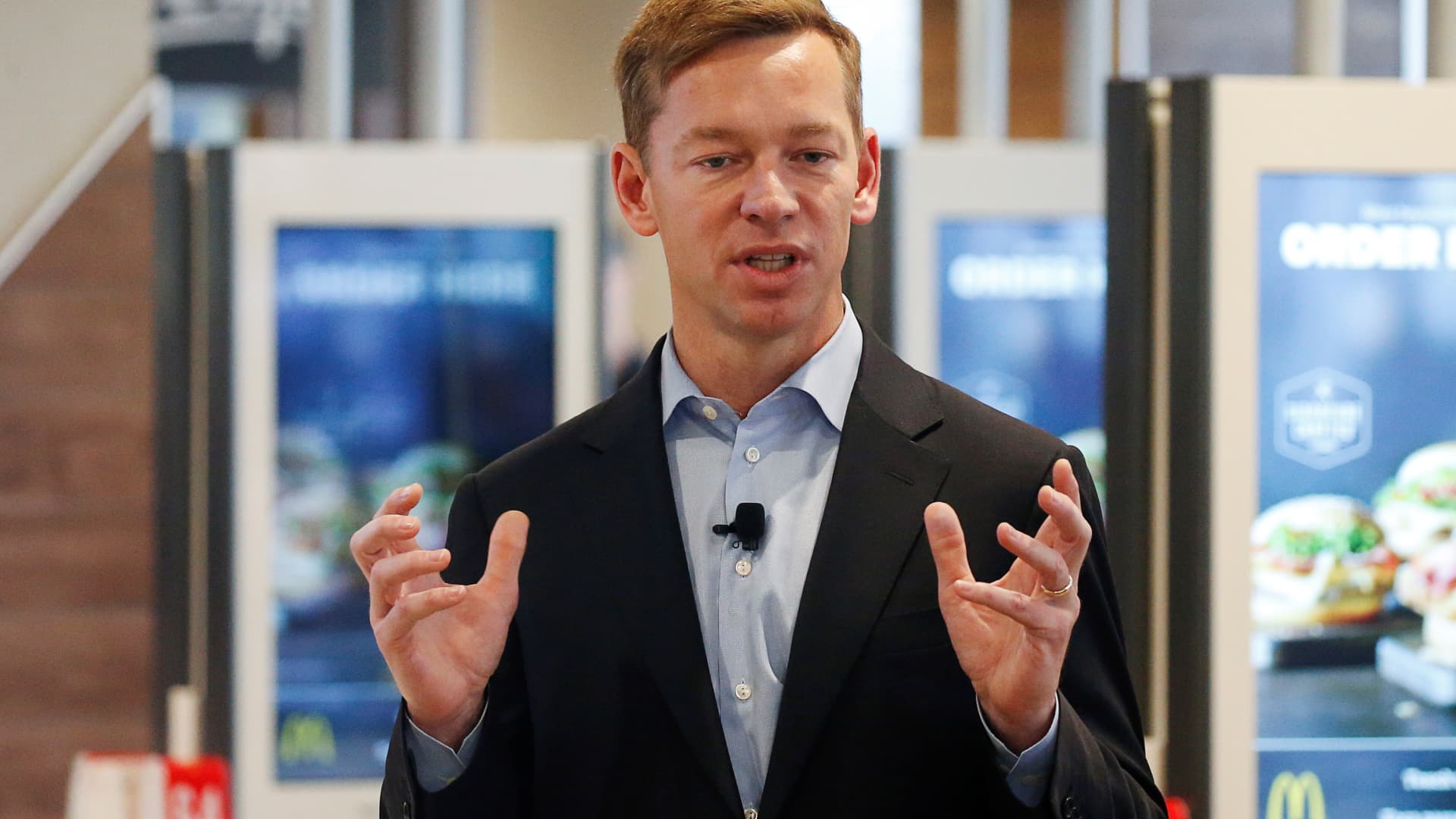
Kempczinski acknowledged the intricate nature of pricing strategy, confirming that McDonald’s would likely have to consider further price increases. Yet, he immediately coupled this with a crucial caveat: the chain must exercise extreme caution to avoid alienating diners and driving them away. This measured approach stems from an internal reassessment of past decisions. The CEO candidly reiterated the company’s belief that it "erred by raising prices too quickly" in the years immediately following the initial surges of demand post-COVID-19 pandemic. This self-correction suggests a recognition that while inflationary pressures necessitated price adjustments, the speed and magnitude of those increases might have pushed some price-sensitive consumers towards more affordable alternatives or simply away from dining out altogether. The lessons learned from this period are clearly informing current and future pricing strategies, favoring incremental adjustments and emphasizing perceived value rather than blanket increases.
Broader Implications for the Restaurant Landscape
Kempczinski’s candid assessment carries significant implications not just for McDonald’s but for the entire restaurant industry. The declaration that persistent inflation and flat traffic are the "new environment" forces a fundamental re-evaluation of business models and growth strategies across the sector.
For QSRs: Competitors in the QSR space, from burger chains to pizza franchises and fast-casual concepts, are likely to face similar pressures. This could lead to an intensified focus on operational efficiency, technological innovation (such as AI-driven ordering, enhanced drive-thru systems, and loyalty programs), and highly targeted marketing campaigns aimed at specific demographic segments. Value menus are expected to become more sophisticated, potentially incorporating dynamic pricing models that adjust based on demand, time of day, or local market conditions. Companies that can effectively manage their supply chains, leverage economies of scale, and offer compelling value propositions are best positioned to navigate this environment.
For Full-Service Restaurants: While the QSR sector is often more resilient during economic downturns due to its lower price points, full-service restaurants are also feeling the squeeze. They face similar, if not greater, challenges with labor costs, food inflation, and a consumer base that is increasingly selective about where and how often they dine out. This could accelerate trends towards smaller menus, increased focus on takeout and delivery, and a greater emphasis on experiential dining to justify higher price points.
Economic Ripple Effects: The sustained high cost of "food away from home" has broader economic implications. It contributes to the overall cost of living, further straining household budgets and potentially dampening consumer confidence. For policymakers, it highlights the challenges of bringing inflation under control across all sectors of the economy. The restaurant industry, being a major employer, also impacts labor markets and wage growth dynamics.
The Role of Franchisees: McDonald’s operates largely through a franchise model, meaning its corporate strategy must align with the profitability and operational realities of its independent owner-operators. Franchisees, who bear the brunt of local market conditions and direct customer interactions, are keenly aware of the delicate balance between raising prices to cover costs and losing customer loyalty. McDonald’s corporate messaging and support for franchisees, particularly regarding pricing and marketing tools, will be crucial in ensuring system-wide stability and adherence to strategic directives. Industry analysts suggest that successful adaptation will require close collaboration between franchisors and franchisees to optimize local market pricing and promotional activities.
Anticipation Builds for Investor Day
The stage is now set for McDonald’s highly anticipated Investor Day, scheduled for Wednesday, September 23, 2026. This event is expected to provide stakeholders with a comprehensive overview of the company’s detailed plans to gain market share and navigate the "new environment." Investors, analysts, and industry observers will be closely scrutinizing presentations from Kempczinski and other McDonald’s executives for insights into several key areas:
- Strategic Initiatives: What specific initiatives will McDonald’s roll out to enhance its value proposition, drive customer traffic, and improve operational efficiency? This could include advancements in digital ordering, loyalty programs, drive-thru speed, and menu innovation.
- Global Growth Strategy: How will the company leverage its international presence to offset potential stagnation in mature markets? This might involve expansion in emerging markets, tailored menu offerings, and localized marketing efforts.
- Cost Management: What measures are being implemented to mitigate the impact of rising beef, labor, and construction costs? This could range from supply chain optimization to greater automation and renegotiated supplier contracts.
- Capital Allocation: How will McDonald’s allocate capital for remodels, new store development, and technology investments in this challenging environment?
- Sustainability and ESG: As investor scrutiny on environmental, social, and governance factors increases, what are McDonald’s updated commitments and strategies in these areas?
The pronouncements at Investor Day will not only shape McDonald’s trajectory for the coming years but also offer a bellwether for the wider restaurant industry, providing a glimpse into how a global leader intends to thrive in an era defined by persistent economic pressures and evolving consumer expectations. The message is clear: the industry must now fully embrace and strategically adapt to an environment where flat traffic and elevated inflation are no longer anomalies but the enduring norm.
