

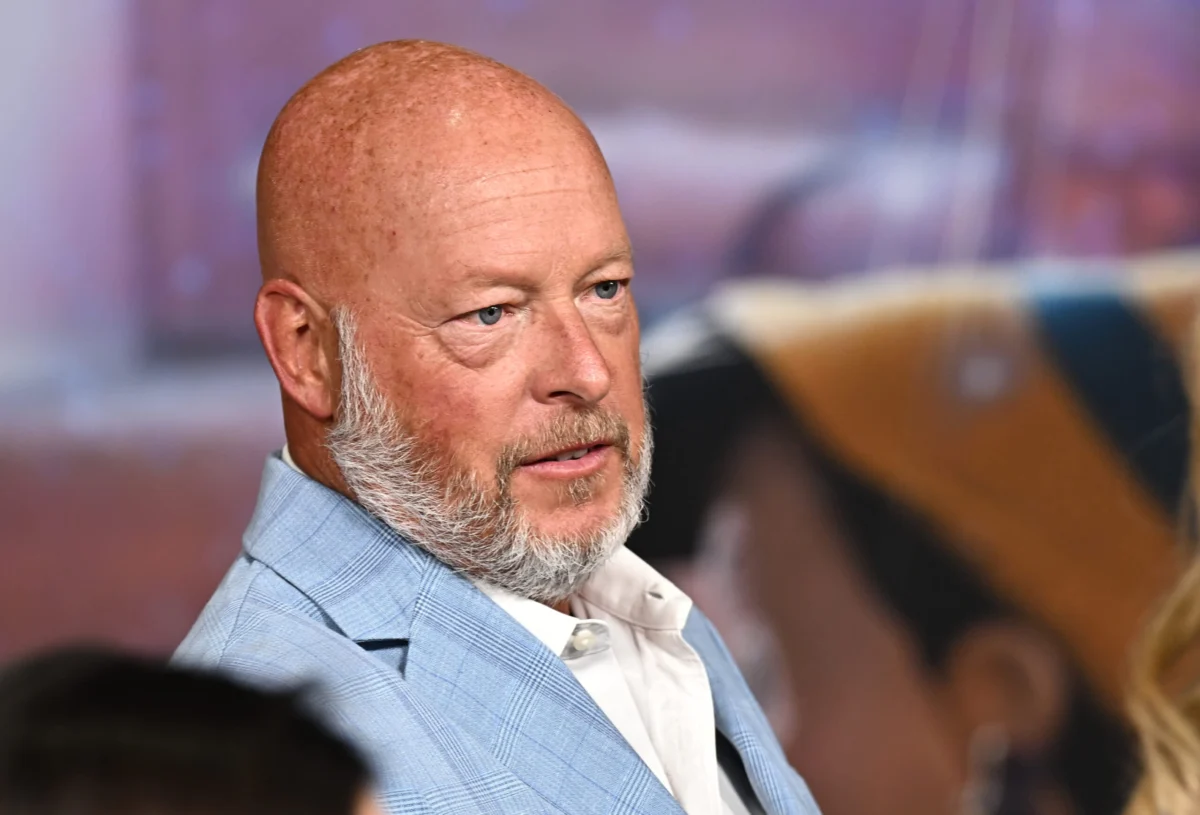
Former Disney CEO Bob Chapek publicly disclosed Monday that he repeatedly voiced concerns to the company’s board about then-Executive Chairman Bob Iger’s actions, which he characterized as actively undermining his leadership "weekly" during his comparatively brief tenure atop the iconic media conglomerate. These revelations, made during an interview with CNBC’s "Squawk Box" and detailed in his new tell-all memoir, "Behind the Castle Walls: My Thirty Years at the Happiest Place on Earth," offer an unprecedented glimpse into the tumultuous power dynamics that ultimately led to Chapek’s abrupt dismissal and Iger’s dramatic return to the CEO role.
The Genesis of a Succession Crisis: Chapek’s Unexpected Ascension
Bob Chapek’s appointment as CEO of The Walt Disney Company on February 25, 2020, came as a surprise to many industry observers. Iger, who had helmed Disney for 15 highly successful years, was expected to remain Executive Chairman until the end of 2021, overseeing creative endeavors and strategic initiatives while Chapek transitioned into the operational leadership role. Chapek, a long-time Disney veteran with extensive experience leading the Parks, Experiences and Products division, was seen as a pragmatic, operations-focused leader. His ascension occurred just weeks before the global onset of the COVID-19 pandemic, a seismic event that would fundamentally reshape Disney’s business landscape, shuttering theme parks, halting film productions, and closing cinemas worldwide. This unprecedented crisis immediately plunged Chapek into one of the most challenging leadership roles in corporate America.
Navigating Uncharted Waters: The Chapek Era Amidst Global Disruption
The period under Bob Chapek’s leadership was defined by extraordinary external pressures. With theme parks, cruise lines, and retail stores forced into closures or operating under severe restrictions, and the traditional theatrical release model for films collapsing, Disney’s core revenue streams were severely impacted. Chapek quickly pivoted the company’s strategy, accelerating the shift towards direct-to-consumer streaming services, particularly Disney+, which had launched just months before his promotion.
Under Chapek, Disney embarked on a significant reorganization, consolidating media and entertainment distribution into a single unit, Disney Media and Entertainment Distribution (DMED), overseen by Kareem Daniel. This move aimed to streamline decision-making and prioritize streaming growth, often at the expense of traditional linear television and theatrical windows. While Disney+ subscriber numbers grew robustly during this period, reaching over 160 million by the time of Chapek’s departure, the profitability of the streaming segment remained a persistent concern, incurring significant losses due to content investment and marketing costs.
Financially, Chapek’s tenure saw a mixed bag. The company’s stock price experienced significant volatility. After an initial dip at the start of the pandemic, Disney’s shares rallied, driven by optimism around Disney+ and the eventual reopening of parks. However, by late 2022, concerns over streaming profitability, slowing subscriber growth, and broader economic headwinds led to a significant decline in the stock, erasing much of the gains. For instance, Disney’s stock, which traded around $110-$120 per share when Chapek took over, surged to over $200 in early 2021 before steadily declining back to the $80-$90 range by late 2022, reflecting investor apprehension about the company’s long-term financial trajectory and strategic direction.
The Lingering Shadow of a Predecessor: Iger’s Continued Influence
Chapek’s memoir and recent statements highlight a far more complex dynamic with Bob Iger than was publicly known. While Iger was ostensibly stepping back, he remained Executive Chairman, a role that, according to Chapek, allowed him to retain significant influence, particularly over creative aspects and content initiatives, including the crucial Disney+. Chapek claims that Iger slowly but demonstrably began to reassert control, creating an untenable situation for the new CEO.
"When I started hearing about lunches that he had and dinners that he had where he was absolutely trashing me, and I’d hear it two, three times in the same week, the same bullet points, the same talking points, I was like, ‘I’ve got a problem,’" Chapek recounted. This pattern of alleged undermining, where Iger was reportedly critical of Chapek’s leadership to key figures and stakeholders, formed the core of Chapek’s repeated complaints to the Disney board.
The board’s alleged response, according to Chapek, was dismissive: "’He’ll be gone in two years. It’s OK. That’s Bob being Bob.’" This reaction suggests either a lack of appreciation for the severity of the internal conflict, an unwillingness to confront a highly successful and revered former CEO, or perhaps a belief that Iger’s presence, even if somewhat disruptive, was temporary and manageable. It also raises questions about corporate governance and the board’s responsibility to protect the CEO they appointed from internal sabotage.

A Chronology of Conflict and Succession Reversals
The turbulent period can be outlined chronologically:
- February 25, 2020: Bob Chapek is named CEO, succeeding Bob Iger, who transitions to Executive Chairman.
- March 2020 onwards: The COVID-19 pandemic erupts, forcing unprecedented operational challenges for Disney. Chapek spearheads the company’s pandemic response and accelerates the streaming pivot.
- Throughout 2020-2022: Chapek alleges Iger actively undermines his leadership, spreading negative sentiment among executives and stakeholders. Chapek reportedly brings these concerns to the board weekly.
- December 31, 2021: Bob Iger officially steps down as Executive Chairman, ostensibly severing his formal ties with the company, though his influence reportedly continued.
- March 2022: Amidst the "Don’t Say Gay" bill controversy in Florida, Chapek initially adopts a cautious stance, drawing criticism, before eventually taking a more assertive public stand against the legislation. This period saw further reports of internal discord and Iger’s subtle re-emergence in public discourse around Disney’s stance.
- Summer/Fall 2022: Investor concerns grow regarding Disney’s financial performance, particularly streaming profitability and the perceived lack of a clear long-term strategy. Activist investor Nelson Peltz’s Trian Partners begins accumulating a significant stake in Disney, signaling potential challenges to the board.
- November 20, 2022: In a stunning move, Bob Chapek is abruptly ousted as CEO, less than three years after his appointment.
- November 20, 2022: Bob Iger is immediately reinstated as CEO, initially for a two-year term, to lead the company through a critical period of transformation and succession planning. His contract was later extended to the end of 2026.
Chapek’s sentiment, "It would have been great if, like other CEOs, he acted as a steward of my new role. It would have been one thing if he was neutral, but to be actually working against me, actively, I thought was just unbelievable," underscores the depth of his frustration and perceived betrayal.
The Board’s Role and Governance Under Scrutiny
The claims made by Chapek place significant scrutiny on Disney’s board of directors. If Chapek’s account is accurate, the board was aware of a significant internal power struggle and allegations of a predecessor actively working against the appointed CEO. Their purported inaction, or at least insufficient intervention, to resolve the conflict or protect Chapek, raises serious questions about their oversight responsibilities and effectiveness in managing leadership transitions.
Corporate governance best practices typically emphasize clear lines of authority and robust support for a new CEO, especially one taking over from a long-reigning, iconic predecessor. The failure to ensure a smooth transition, as evidenced by Chapek’s ousting and Iger’s return, suggests a fundamental breakdown in the succession planning process and board-level management of executive dynamics. The board, led by Chairman Susan Arnold during this period, eventually concluded that a leadership change was necessary to address the company’s challenges, signaling a lack of confidence in Chapek’s ability to steer Disney through its next phase. However, the context of Chapek’s allegations complicates the narrative, suggesting that his struggles may have been exacerbated by internal factors beyond his control.
Financial and Market Reactions to the Leadership Turmoil
The revolving door in Disney’s C-suite had palpable effects on its market valuation and investor confidence. The initial announcement of Iger’s return in November 2022 was met with a significant bump in Disney’s stock price, reflecting Wall Street’s relief and faith in Iger’s proven track record. Investors had grown increasingly concerned about Disney’s strategic direction under Chapek, particularly the heavy investment in streaming that yielded substantial losses, and the public relations missteps that sometimes plagued his tenure.
Analysts largely viewed Iger’s return as a stabilizing force, a seasoned hand capable of restoring creative momentum, rationalizing streaming costs, and potentially addressing the perceived "culture issues" that some reports suggested had emerged under Chapek. However, the subsequent performance of Disney’s stock has shown that even Iger’s return isn’t a magic bullet, as the company continues to grapple with the secular decline of linear television, the intense competition in streaming, and the need for new growth engines. Chapek’s recent disclosures, while painting a clearer picture of the internal strife, could potentially re-introduce an element of uncertainty or cynicism among investors regarding the stability of Disney’s executive leadership and board dynamics.
Broader Implications for Disney’s Future and Corporate Succession
The Chapek-Iger saga serves as a cautionary tale for corporations globally regarding succession planning and the delicate balance between a revered former leader and their chosen successor. It underscores several critical implications for Disney and the broader corporate landscape:
- The Perils of Lingering Predecessors: The experience highlights the difficulty in truly stepping away for a highly influential and successful former CEO. While mentorship can be valuable, active involvement, particularly if perceived as undermining, can cripple a new leader. Clear boundaries and roles for former executives are paramount.
- Boardroom Accountability: The Disney board’s handling of the alleged conflict raises questions about its effectiveness. A strong, independent board should proactively address internal strife and ensure that the CEO they appoint has the necessary support and autonomy.
- Impact on Corporate Culture: Such public revelations of internal power struggles can damage employee morale and corporate culture. It creates an environment of uncertainty and can erode trust between leadership and the workforce.
- Investor Perception: While Iger’s return initially calmed investors, the ongoing narrative of internal conflict could, in the long run, raise concerns about Disney’s long-term stability and governance structure, particularly as Iger himself approaches another succession deadline in 2026.
- Strategic Continuity vs. Change: The rapid reversal in leadership suggests a struggle between maintaining strategic continuity and embracing necessary change. Chapek’s aggressive pivot to streaming, while perhaps painful in the short term, was seen by some as a necessary evolution for Disney. Iger’s return has involved a re-evaluation of some of those strategies, including cost-cutting in streaming and a renewed focus on core franchises.
While Bob Iger has not publicly responded directly to Chapek’s specific allegations, his public statements since his return have consistently emphasized a focus on restoring Disney’s creative spirit, driving profitability in streaming, and addressing the company’s cost structure. These statements, while not explicitly refuting Chapek, implicitly suggest areas where Iger believed the company needed significant redirection and where Chapek’s leadership may have fallen short. The Walt Disney Company has also not issued an official comment regarding Chapek’s specific claims, adhering to a policy of generally not commenting on former executive relations or board discussions.
As Disney navigates a complex media landscape and prepares for yet another succession, the lessons from the turbulent Chapek era, now illuminated by his candid memoir, will undoubtedly influence how the company approaches its future leadership transitions. The quest for "the truth," as Chapek puts it, may well provide invaluable insights for corporate governance and leadership dynamics far beyond the walls of the Magic Kingdom.
