

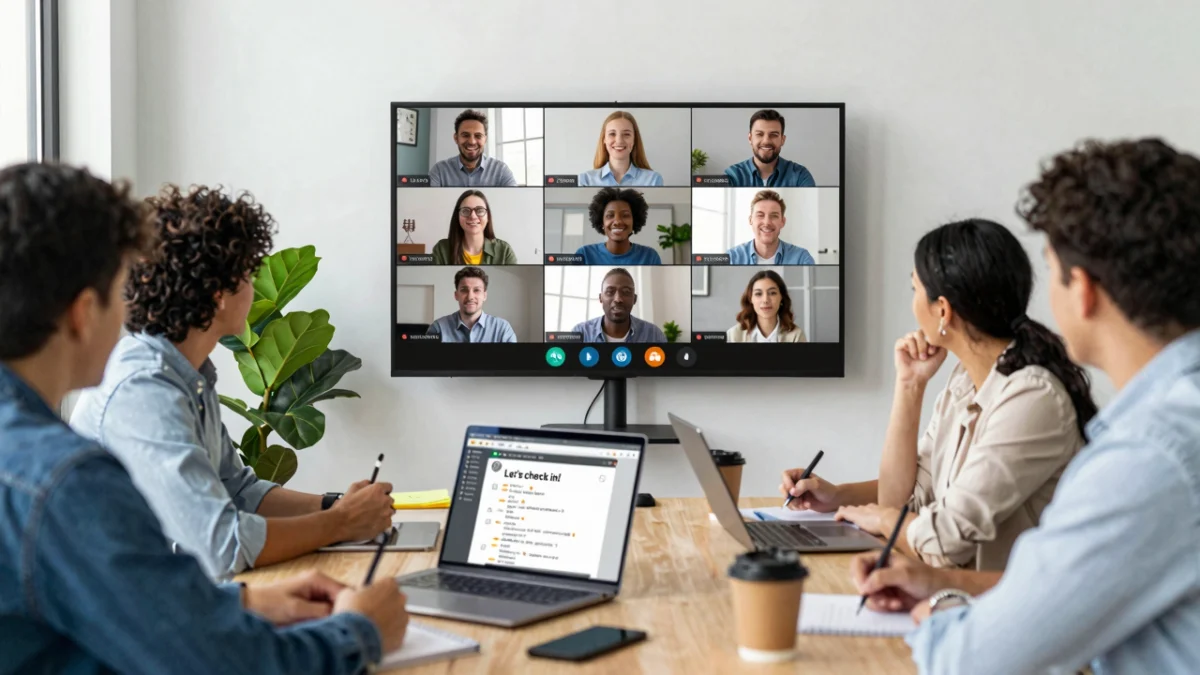
The global workforce has undergone a seismic shift over the past four years, transitioning from a centralized office model to a distributed, remote-first environment that demands a fundamental reimagining of leadership. As organizations navigate the complexities of 2024 and beyond, the ability to manage remote teams effectively has evolved from a crisis-response skill into a core executive competency. Success in this domain requires more than just high-speed internet and video conferencing; it necessitates a robust framework of clear communication guidelines, psychological safety, and a meticulous focus on output over hours. By establishing structured check-ins, defining clear work-life boundaries, and fostering an inclusive digital culture, modern managers can unlock levels of productivity and employee satisfaction that often surpass traditional office settings.

The Evolution of Remote Work: A Historical Context
The trajectory of remote work shifted dramatically following the 2020 global pandemic, which acted as a catalyst for a transition that experts previously estimated would take decades. Prior to this shift, remote work was often viewed as a perk reserved for specialized tech roles or freelancers. However, current labor statistics indicate a permanent change in the professional landscape. According to a 2023 report by Upwork, an estimated 32.6 million Americans will be working remotely by 2025, representing approximately 22% of the workforce.
This evolution has forced a departure from "management by walking around" toward a more intentional, data-driven leadership style. The chronology of this shift reveals a three-phase progression: first, the "Infrastructure Phase," where companies scrambled to adopt tools like Zoom and Slack; second, the "Cultural Adjustment Phase," where teams struggled with isolation and "Zoom fatigue"; and finally, the current "Optimization Phase," where leaders are refining remote-first strategies to ensure long-term sustainability and competitive advantage.

Establishing the Communication Infrastructure
Effective remote management begins with the establishment of a comprehensive communication stack. In a physical office, information often permeates through "watercooler" conversations and incidental proximity. In a remote setting, every interaction must be intentional. Leaders must distinguish between synchronous communication—real-time interactions like video calls—and asynchronous communication, such as emails or project management updates.
Journalistic analysis of high-performing remote teams suggests that "asynchronous-first" cultures often experience higher productivity. By allowing employees to focus on deep work without the interruption of constant "pings," organizations can mitigate the cognitive load of multitasking. However, this requires a strictly defined set of response-time expectations to prevent project bottlenecks.

Defined Communication Protocols and Response Times
To minimize ambiguity, management must document and distribute clear guidelines regarding which platforms to use for specific types of queries. The following table illustrates a standard framework adopted by many leading remote organizations:
| Communication Channel | Purpose | Expected Response Time |
|---|---|---|
| Formal updates, external communication | 24 hours | |
| Chat (Urgent) | Immediate blockers, critical errors | Immediate / 15 minutes |
| Chat (Non-Urgent) | General queries, social interaction | 1 to 2 hours |
| Project Management Tool | Task updates, document sharing | End of business day |
| Video Conferencing | Complex problem solving, 1-on-1s | Scheduled in advance |
Building a Remote Team Alliance and Psychological Safety
A "Remote Team Alliance" serves as a social contract between leadership and staff, co-created to ensure mutual accountability. Unlike top-down mandates, an alliance involves team members in the decision-making process regarding how they work together. This collaborative approach is essential for building psychological safety—a term coined by Harvard professor Amy Edmondson—which is the belief that one will not be punished or humiliated for speaking up with ideas, questions, or mistakes.

In a remote environment, where body language and tone are often lost in text, fostering open dialogue is critical. Management must proactively encourage feedback loops. For example, implementing anonymous surveys or "Ask Me Anything" (AMA) sessions can reveal underlying tensions that might otherwise go unnoticed. When employees feel safe to voice concerns, the organization can identify and resolve conflicts before they escalate into turnover-driving issues.
The Role of Accessibility and Presence in Leadership
One of the primary complaints among remote workers is the feeling of being "invisible" to leadership. To counteract this, managers must maintain a high level of digital presence. This does not mean micromanagement or constant surveillance; rather, it refers to being approachable and available.

The Value of Unplanned Check-Ins
While scheduled one-on-one meetings are the backbone of remote management, "unplanned" or spontaneous check-ins can be equally powerful for building trust. A quick five-minute message to ask how an employee is doing—not about a specific task, but about their general well-being—replicates the informal check-ins that occur naturally in an office. These interactions allow managers to gauge the "pulse" of the team and identify signs of burnout or disengagement early.
Industry reactions to this approach have been overwhelmingly positive. Human resources consultants at firms like Gartner have noted that "empathy-based management" in remote settings leads to a 20% increase in high-performing employees. By being present and accessible, leaders demonstrate that they value the individual, not just the output.

Operationalizing Expectations: Output vs. Activity
A common pitfall in remote management is the tendency to equate "activity" (being online or responding quickly) with "productivity." Effective remote leaders shift the focus toward clearly defined outcomes. This involves setting SMART (Specific, Measurable, Achievable, Relevant, Time-bound) goals and utilizing project management software like Asana, Trello, or Jira to track progress transparently.
Defining clear expectations also involves distinguishing between remote-friendly tasks and those that require synchronous collaboration. Managers should provide a roadmap for the week, outlining top priorities and deadlines. This clarity reduces "productivity paranoia"—a phenomenon where managers fear employees aren’t working, and employees feel pressured to perform "productivity theater" to prove they are active.

Prioritizing Well-Being and the "Right to Disconnect"
The blurring of lines between home and office has led to a significant rise in burnout. Data from the World Health Organization suggests that long working hours are a major contributor to physical and mental health issues. In a remote setting, the "always-on" culture can be devastating to long-term retention.
Leaders must lead by example by establishing clear boundaries. This includes not sending non-urgent emails after hours and encouraging employees to take regular breaks. Some jurisdictions, such as France and Portugal, have even implemented "Right to Disconnect" laws, which prohibit employers from contacting staff outside of working hours. While such laws may not apply globally, the principle is vital for a healthy remote culture.

Mental Health Resources and Wellness Programs
Forward-thinking companies are increasingly integrating Employee Assistance Programs (EAPs) and mindfulness resources into their remote benefits packages. Promoting mental health is no longer just an ethical choice; it is an economic one. According to Deloitte, for every $1 spent on mental health interventions in the workplace, there is an average return of $4 in improved productivity and reduced absenteeism.
Fostering Continuous Learning and Innovation
Innovation can sometimes stall in remote environments if teams become siloed. To prevent this, management must prioritize continuous learning and cross-functional collaboration. This can be achieved through virtual workshops, "lunch and learn" sessions, or providing stipends for professional development courses.

Encouraging a growth mindset is essential. When a team is distributed, shared knowledge becomes the "glue" that holds the organization together. By modeling a willingness to learn and adapt, leaders encourage their teams to experiment with new tools and processes, ensuring the organization remains agile in a fast-paced market.
Broader Impact and Future Implications
The long-term implications of effective remote management extend beyond individual company performance. The shift to remote work is revitalizing rural economies, reducing urban congestion, and providing opportunities for a more diverse workforce, including those with disabilities or caregiving responsibilities who may have been sidelined by traditional office requirements.

As AI and automation continue to integrate into the workplace, the human elements of management—empathy, communication, and trust—will become even more critical. The managers who succeed in this new era will be those who view remote work not as a challenge to be overcome, but as a strategic advantage to be harnessed. By implementing the strategies of clear communication, defined expectations, and a relentless focus on employee well-being, organizations can build resilient, high-performing teams that thrive regardless of their physical location.
In conclusion, the mastery of the virtual workspace is a multifaceted discipline that requires a balance of technological proficiency and emotional intelligence. As the traditional office continues to diminish in central importance, the strategies outlined here provide a blueprint for a more flexible, inclusive, and productive future of work. Leaders who take action today to refine these practices will find themselves well-positioned to attract and retain the top global talent of tomorrow.
