

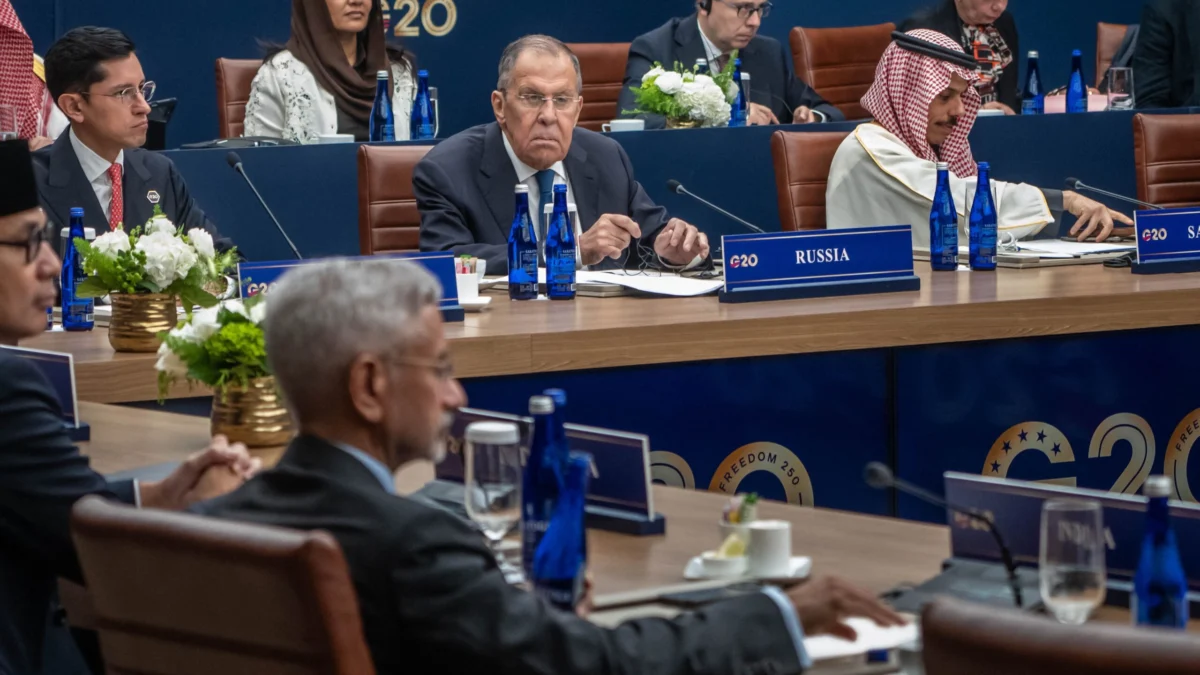
The ongoing conflict in Ukraine continues to cast a long shadow over international relations, with diplomatic efforts struggling to find common ground. Russian Foreign Minister Sergey Lavrov has expressed a stark assessment of the current state of affairs between Moscow and Washington, indicating no significant easing of tensions. This sentiment comes amidst a flurry of diplomatic activity and continued military engagement, highlighting the complex and often contradictory dynamics of the prolonged crisis.
Lavrov’s Assessment: A Stagnant Relationship

Speaking on the sidelines of the G20 Foreign Ministers’ meeting in Atlanta, U.S. State, Sergey Lavrov articulated a pessimistic view of the Russia-U.S. relationship. "In practice, no real progress has been observed in relations with the United States so far. One should not harbor illusions about the diesel deal," Lavrov stated, as reported by Handelsblatt. He further elaborated that fundamental issues remain unresolved, and sanctions persist, with the current administration continuing the policies of its predecessor. The imposition of additional sanctions against Russian oil giants Lukoil and Rosneft underscores his point about ongoing punitive measures.
This assessment directly contrasts with any potential glimmers of détente that might be perceived from specific, limited agreements, such as the aforementioned "diesel deal." Lavrov’s emphasis on the "fundamental questions" being unaddressed suggests a deep-seated disagreement on core geopolitical and security issues that sanctions alone cannot resolve. The continuation of sanctions, including those targeting major energy companies, points to a strategy of economic pressure that Moscow views as unyielding and counterproductive to diplomatic progress.
Broader Geopolitical Context: The G20 and the Ukraine War

The G20 Foreign Ministers’ meeting in Atlanta, hosted by U.S. Secretary of State Antony Blinken, provided a platform for global powers to convene amidst escalating international crises. The war in Ukraine, now in its protracted phase, dominated much of the discussion, with nations grappling with its humanitarian, economic, and geopolitical ramifications. Lavrov’s presence at the meeting, despite the strained relations, underscores the G20’s role as a forum for dialogue, even among adversaries.
The conflict, which began with Russia’s full-scale invasion in February 2022, has triggered unprecedented sanctions against Moscow and galvanized Western support for Ukraine. The international community remains divided on how to achieve a lasting peace, with varying approaches to diplomacy, military aid, and economic pressure. Lavrov’s statements reflect Russia’s stance that significant concessions or a fundamental shift in Western policy are necessary for any meaningful de-escalation.
Ukraine’s Diplomatic Push: Seeking a Peaceful Resolution
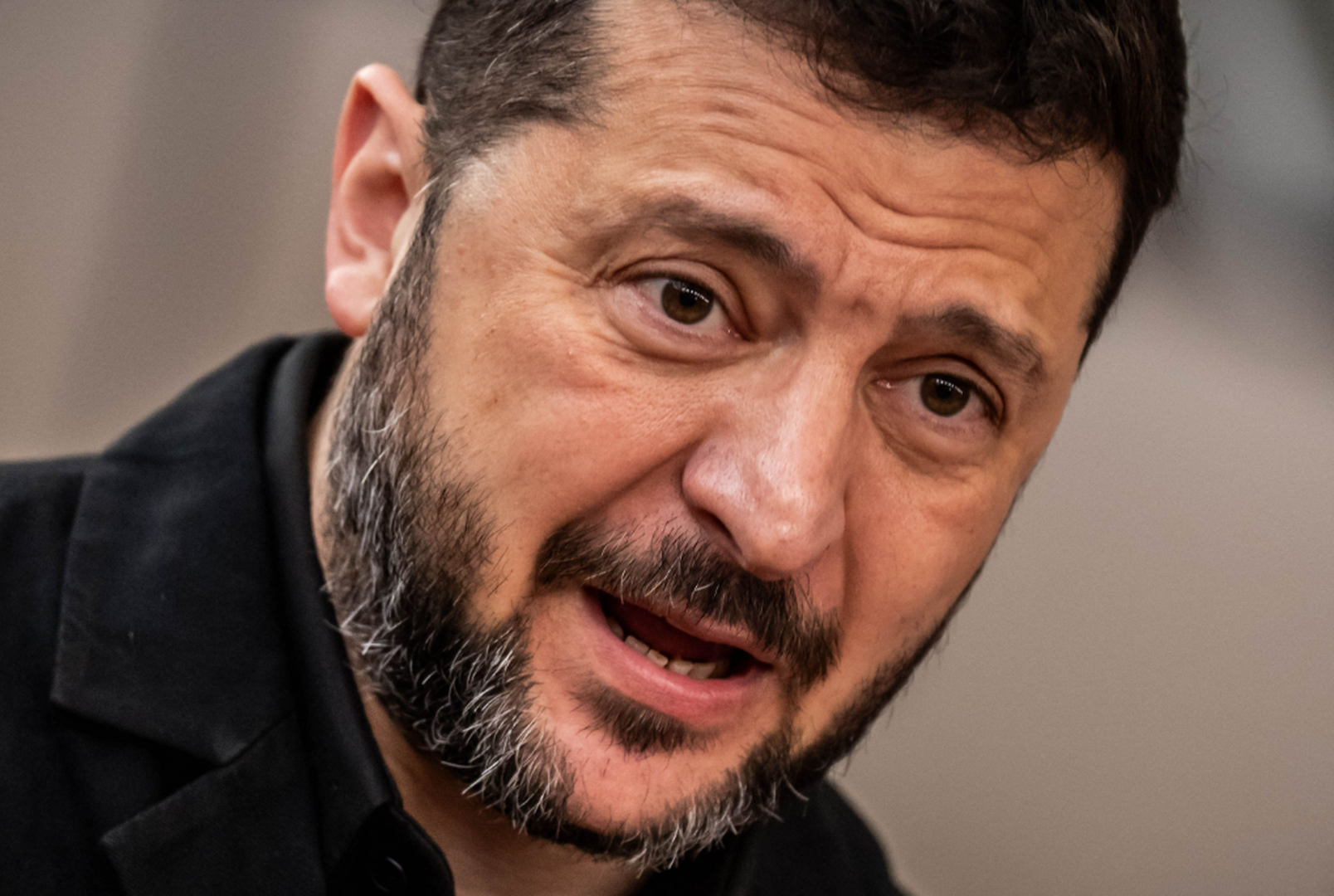
Simultaneously, Ukrainian President Volodymyr Zelenskyy is actively pursuing diplomatic avenues to end the conflict. He has announced "important" talks to be held in Turkey, signaling a continued commitment to multilateral diplomacy. Zelenskyy indicated that these discussions, planned for November, aim to resume negotiations that have been stalled for an extended period. The prospect of tripartite talks involving Ukraine, Russia, and the United States, potentially in Abu Dhabi between November 6th and 10th, was also mentioned, reflecting Ukraine’s efforts to engage key international players.
The Turkish government, through its presidential communications director, confirmed that Zelenskyy would meet with President Recep Tayyip Erdoğan in Istanbul. Turkey has positioned itself as a mediator in the conflict, leveraging its strategic location and diplomatic ties with both Russia and Ukraine. These efforts, while perhaps not directly addressing Lavrov’s concerns about U.S.-Russia relations, highlight Ukraine’s proactive engagement in seeking a political solution.
Key Developments and Military Engagements
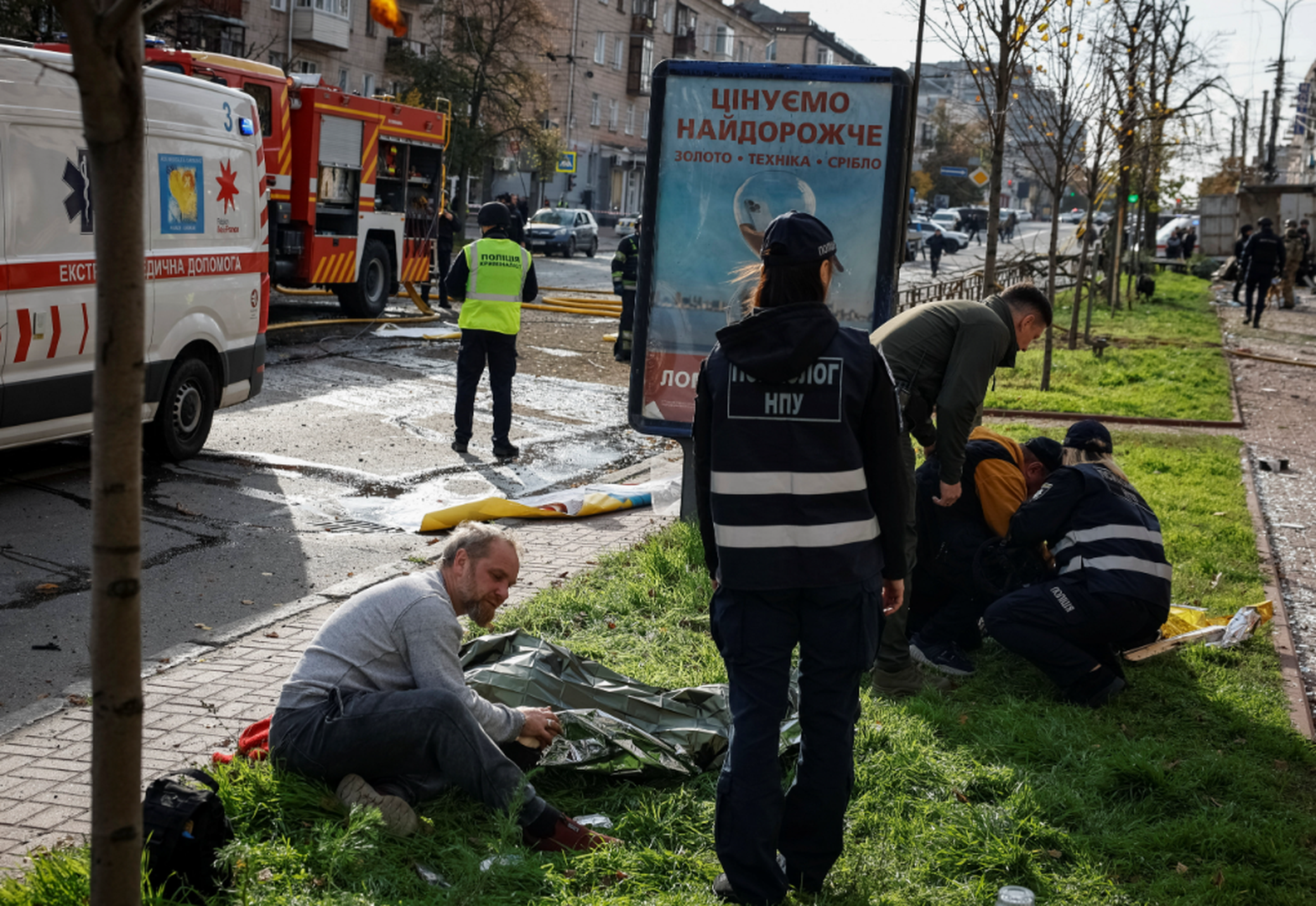
Beyond the diplomatic exchanges, the situation on the ground remains dynamic. Reports indicate that Russian forces have continued to target infrastructure in Kyiv, as stated by the city’s mayor, Vitali Klitschko. Power outages in several districts were reported by the energy provider DTEK, suggesting a renewed focus on disrupting Ukraine’s energy sector.
In a significant development regarding military aid, the U.S. government has approved the sale of 500 Patriot missile interceptors to Ukraine, valued at approximately $2.1 billion. The funding for this sale is a collaborative effort, involving contributions from Canada, Germany, and Norway, alongside Ukraine’s own resources financed through an EU loan. This approval comes after President Zelenskyy’s repeated calls for accelerated delivery of air defense systems, particularly the Patriot system, in anticipation of potential Russian winter offensives. The U.S. State Department confirmed the sale, noting that Lockheed Martin would be the primary contractor. This strategic arms sale underscores the ongoing commitment of Western allies to bolster Ukraine’s defensive capabilities.
Humanitarian Efforts and Evacuations
Amidst the ongoing hostilities, significant humanitarian efforts are underway. The evacuation from the Russian-occupied city of Oleshky in southern Ukraine has been largely completed, according to Russian human rights commissioner Yana Lantratova. She reported that a portion of the evacuees were being transported from Crimea to unoccupied areas of Ukraine, while others were heading to Russia. Lantratova, along with her Ukrainian counterpart Dmytro Lubinetz, appealed to former First Lady Melania Trump for continued advocacy for those affected by the conflict. The successful evacuation from Oleshky, facilitated by U.S. mediation, involved a temporary ceasefire, highlighting the potential for localized de-escalation for humanitarian purposes.
The readiness of 25 buses, with a capacity of 750 seats, for the evacuation of civilians from Oleshky was also reported by Ukrainian Ombudsman Dmytro Lubinetz. He emphasized the importance of the six-day ceasefire, brokered by the U.S., and stressed the need for its maintenance. The operation aimed to provide humanitarian aid to the local hospital and allow residents to safely leave the city.
Allegations of Renewed Attacks on Russian Infrastructure

Moscow has claimed that Ukrainian forces have resumed attacks on Russian refineries. "We had a break for a while. But today the attacks resumed, and our facilities are working under protective measures," stated Vice Prime Minister Alexander Novak, as cited by the Russian news agency Ria Novosti. He reported that three refineries and a gas-chemical complex had been targeted, with one facility sustaining "minor" damage. These claims, if substantiated, would indicate a shift in Ukrainian tactics to target Russia’s economic infrastructure.
Chronology of Key Events and Statements
- Recent Weeks: Increased diplomatic engagement surrounding the Ukraine conflict, with Ukraine seeking new avenues for negotiation and Western allies reinforcing military support.
- Early October: U.S. President Donald Trump and Russian President Vladimir Putin reportedly reach an agreement on the delivery of Russian diesel to the United States, a deal that Lavrov later downplayed.
- November 3rd: U.S. midterm elections, a political event that Lavrov suggested might influence the timing of potential diplomatic breakthroughs.
- November 6th-10th (proposed): Potential trilateral meeting between Ukraine, Russia, and the U.S. in Abu Dhabi.
- Ongoing: Continued military operations and shelling in various regions of Ukraine.
Analysis of Implications

Lavrov’s stark assessment of the Russia-U.S. relationship suggests a significant obstacle to any near-term diplomatic resolution of the broader conflict. The continuation of sanctions and the absence of progress on "fundamental issues" indicate that Moscow perceives little incentive for significant concessions. This stance could prolong the conflict, as Russia may believe that continued military pressure, combined with a lack of robust Western unity on long-term strategy, will eventually lead to a more favorable outcome.
The U.S. approval of Patriot missile sales to Ukraine, however, signals an unwavering commitment to supporting Ukraine’s defense. This move is likely to be perceived by Moscow as an escalation of Western involvement, further entrenching the adversarial nature of the relationship. The strategic implications of such advanced air defense systems are significant, potentially altering the dynamics of air warfare and providing Ukraine with greater protection against aerial attacks.
The humanitarian efforts in Oleshky, while localized, offer a small beacon of hope, demonstrating that de-escalation and cooperation are possible for humanitarian purposes. However, the broader geopolitical landscape remains fraught with tension, and the success of these efforts is contingent on the willingness of all parties to observe temporary ceasefires and prioritize civilian safety.

The ongoing diplomatic dance, characterized by Lavrov’s skepticism and Ukraine’s persistent outreach, highlights the deep divisions and mistrust that characterize the current international climate. The G20 meeting, while providing a platform for dialogue, has not, according to Moscow, yielded any substantive progress in bridging the chasm between Russia and the United States. The path towards a lasting peace remains uncertain, contingent on a complex interplay of military developments, diplomatic initiatives, and a potential recalibration of geopolitical strategies by all involved parties. The world watches as these high-stakes negotiations and military engagements unfold, each carrying profound implications for regional stability and global security.
