

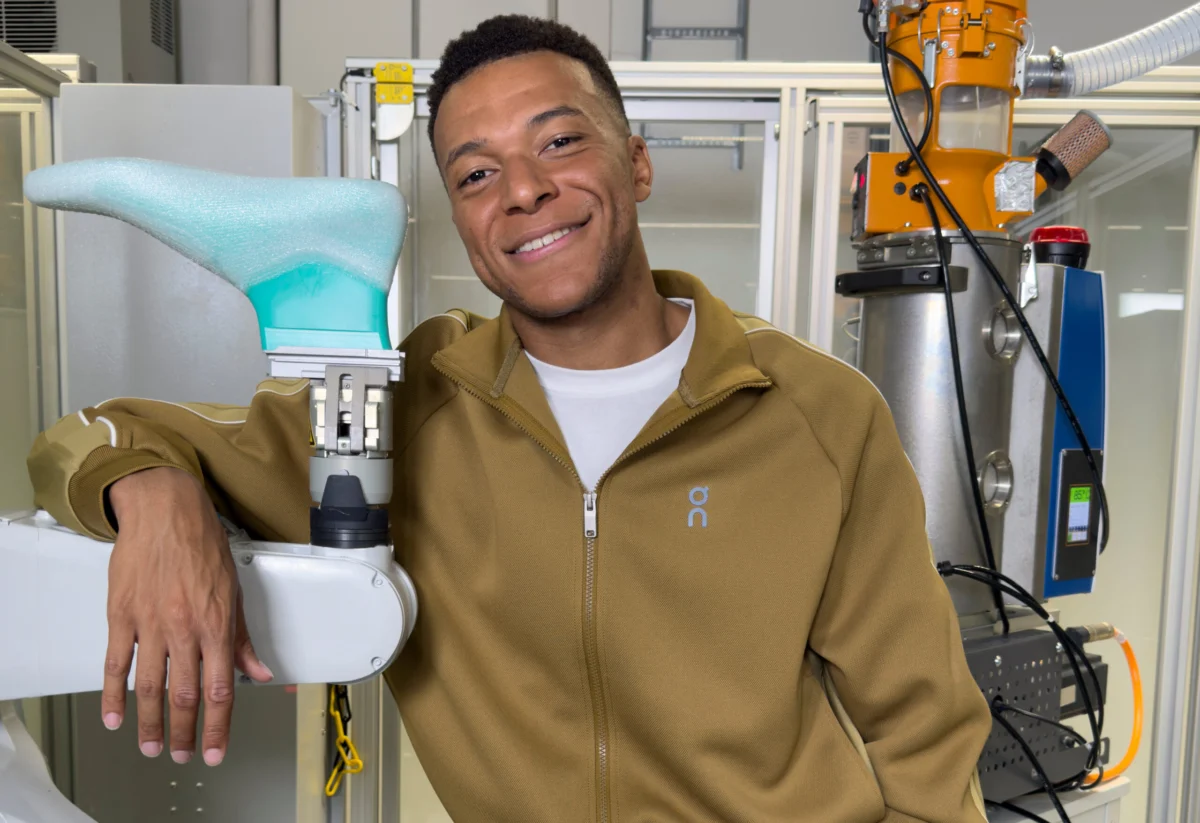
French football sensation Kylian Mbappé has officially signed a groundbreaking endorsement deal with Swiss sportswear giant On, marking a significant departure from his long-standing partnership with Nike. The move, which concludes an alliance spanning nearly two decades, signifies a pivotal moment for both the athlete and the global sportswear industry. Sources familiar with the confidential negotiations indicated that Nike opted not to renew its contract with the international superstar, citing a strategic re-evaluation of its endorsement portfolio and a belief that it had maximized the benefits from the prime years of Mbappé’s career.
The announcement, made earlier Friday by On, also revealed the appointment of retired French football legend Thierry Henry as the brand’s Director of Football. This dual announcement immediately positions On as a formidable challenger in the fiercely competitive football apparel and footwear market, an arena historically dominated by titans like Nike and Adidas. For Mbappé, 27, who will be 31 when the 2030 FIFA World Cup is scheduled to kick off, this transition represents a conscious shift towards a partnership model that emphasizes co-creation and a fresh narrative, moving beyond traditional endorsement structures.
The Genesis of a New Partnership: Mbappé’s Vision and On’s Ambition
Kylian Mbappé’s decision to align with On is rooted in a desire for a different kind of partnership. In a statement released by On, Mbappé articulated his motivation: "I want to bring my experience and perspective into what we create, push what’s possible through innovation, and always stay true to the joy of football. We have a shared dream, and this is only the beginning." This sentiment suggests Mbappé is seeking a deeper involvement than merely being a brand ambassador, aiming for a collaborative relationship where his input shapes product development and brand strategy. This approach aligns with a growing trend among elite athletes who are increasingly looking for equity, creative control, or a more authentic connection with the brands they represent.
On, founded in 2010 in Zürich, Switzerland, has built its reputation on innovative running shoe technology, particularly its distinctive CloudTec cushioning. Its rapid ascent in the athletic footwear market, culminating in a successful IPO in 2021, has been propelled by a commitment to performance, design, and a strong brand narrative. Co-founder and co-CEO David Allemann underscored On’s disruptive philosophy for its football entry: "Football doesn’t need another sportswear brand to do more of the same. Football needs new ideas and a challenge to what is possible." This statement directly challenges the established order and signals On’s intent to bring a unique perspective to a sport long accustomed to the same players.
The strategic hiring of Thierry Henry further cements On’s serious ambitions. Henry, a World Cup winner, European Championship winner, and one of Arsenal’s greatest ever players, brings unparalleled credibility, tactical insight, and a global network within the footballing world. His role as Director of Football is expected to provide authentic guidance on product development, athlete relations, and overall brand positioning within the sport, ensuring On’s offerings resonate with the nuanced demands of professional football.
A Changing of the Guard: Nike’s Strategic Re-evaluation
Kylian Mbappé’s departure marks a significant moment for Nike, ending a relationship that began when the French prodigy was just a child in 2006. Over the years, Nike capitalized on Mbappé’s meteoric rise, featuring him prominently in global campaigns as he transitioned from a promising youth talent to a bona fide superstar. His electrifying performances, culminating in a FIFA World Cup victory with France in 2018, made him one of Nike Football’s most visible and marketable assets, gracing advertisements and launching signature boot lines. He became the all-time leading scorer for Paris Saint-Germain, the French national team, and holds the record for most goals scored in FIFA World Cup finals matches.
However, the decision not to renew Mbappé’s contract comes amidst a challenging period for the Beaverton, Oregon-based sportswear giant. Nike has been navigating "sluggish sales," particularly in key international markets like China, where competition and shifting consumer preferences have contributed to a notable decline. The company’s stock has fallen by approximately 50% over the past year, reflecting broader market anxieties and internal pressures. CEO Elliott Hill has been tasked with spearheading efforts to rebuild brand loyalty and reignite product innovation, a mission that requires a careful allocation of its substantial marketing budget.
Industry analysts suggest that Nike’s choice reflects a strategic recalibration of its endorsement strategy. While Mbappé remains an elite player, the substantial financial commitment required for a new multi-year deal for a player entering his late 20s likely factored into Nike’s cost-benefit analysis. The company may be shifting its focus to cultivating a broader portfolio of younger, emerging talent or investing more heavily in categories with higher growth potential, rather than concentrating a massive budget on a single, albeit iconic, athlete. Nike, in a statement wishing Mbappé well, affirmed its pride in their shared accomplishments: "Over nearly two decades, we’ve shared moments that shaped the game and he has been an important part of Nike Football. We are proud of what we achieved together on and off the pitch. As he moves into the next phase of his career, we wish him continued success for what comes next." This polite but firm parting underscores a strategic pivot within the company.

On’s Ascent: From Running Trails to Football Pitches
On’s entry into football with Mbappé is arguably its most audacious move yet, building on a remarkable trajectory of growth and market disruption. Since its inception, On has carved out a niche in the performance running market with its distinctive CloudTec cushioning system, which promises a unique blend of soft landings and explosive take-offs. This innovation, coupled with a minimalist aesthetic and a strong focus on sustainability, has resonated deeply with consumers, propelling the brand to global prominence.
The company’s expansion beyond its core running segment into categories like training, hiking, and lifestyle apparel has been methodical and highly successful. On’s revenue has consistently grown, with its latest quarterly reports often showcasing double-digit percentage increases. A significant boost to its brand visibility came with the involvement of tennis legend Roger Federer, who not only became an investor but also a co-creator of a popular line of tennis-inspired sneakers, the ‘The Roger’ collection. Federer’s association lent significant credibility and expanded On’s appeal beyond dedicated runners to a broader, fashion-conscious audience.
The decision to enter football, however, represents a significant escalation of On’s ambitions. The sport is the most popular globally, offering immense market potential but also presenting formidable barriers to entry due to its established incumbents and the high costs associated with product development, athlete endorsements, and marketing campaigns. Securing Mbappé as its inaugural football signing is a clear statement of intent, indicating On is prepared to invest heavily to challenge the status quo and carve out a meaningful share in this lucrative market.
The Broader Endorsement Landscape: High Stakes and Evolving Strategies
The world of elite athlete endorsements is a multi-billion-dollar industry, where the right partnership can elevate a brand to global recognition, and the wrong one can prove to be an expensive misstep. For decades, Nike and Adidas have been locked in a fierce battle for the hearts, minds, and feet of football fans and players, securing the biggest names in the sport. Nike’s roster still boasts an impressive array of global football talent, including Erling Haaland, Vinicius Junior, Alexia Putellas, and Sam Kerr, showcasing its continued dominance in securing top athletes across genders and leagues.
The Mbappé-On deal signals an evolving dynamic in this high-stakes environment. Newer, agile brands like On are demonstrating their capacity to compete for top-tier talent, offering not just lucrative financial terms but also promises of creative involvement and a fresh brand narrative that can appeal to athletes seeking to build their personal brands beyond traditional endorsement roles.
However, the path to establishing credibility in football is not without significant hurdles, as highlighted by industry analysts. Jefferies, in an analyst note assessing On’s football ambitions, issued a cautionary warning: "Football is one of the most expensive categories to enter, and performance credibility cannot simply be bought." The note drew parallels to Under Armour’s past partnership with NBA superstar Stephen Curry, stating: "We see parallels to [Under Armour’s past partnership with Stephen Curry]: a star athlete who failed to establish the brand as a dominant player in the sport." While Stephen Curry’s signature shoes were incredibly popular and profitable for Under Armour, the brand ultimately did not displace Nike or Adidas as the dominant force in basketball footwear broadly. This suggests that while a star like Mbappé can provide an initial splash and attract attention, sustained success requires deep investment in research and development, building a comprehensive product ecosystem, fostering grassroots engagement, and cultivating a long-term connection with the football community.
Chronology of a Superstar’s Brand Journey
- 2006: A young Kylian Mbappé, already identified as a prodigious talent, signs his first endorsement deal with Nike, marking the beginning of a nearly two-decade-long association.
- Early 2010s: Mbappé progresses through youth academies, his talent blossoming. Nike supports his journey, providing gear and early sponsorship.
- 22 March 2016: Mbappé scores his first professional goal for AS Monaco, quickly establishing himself as one of Europe’s most exciting young players.
- 2017: Mbappé makes a blockbuster transfer to Paris Saint-Germain, elevating his global profile significantly. Nike leverages his growing stardom in its "Force of Nature" campaigns.
- 2018: Mbappé becomes a global icon, leading France to victory in the FIFA World Cup, scoring in the final. Nike extensively features him in celebratory campaigns and launches special edition boots.
- 2019-2022: Mbappé solidifies his status as one of the world’s best players, consistently winning individual accolades and domestic titles. He remains a cornerstone of Nike’s football marketing strategy.
- Late 2023 / Early 2024: Discussions regarding the renewal of Mbappé’s Nike contract intensify, with Nike reportedly assessing the long-term return on investment given his age and projected contract costs.
- July (Current Year): Mbappé’s contract with Nike officially concludes.
- Earlier Friday (Announcement Day): On publicly announces its landmark partnership with Kylian Mbappé, simultaneously revealing Thierry Henry’s appointment as Director of Football.
Implications for the Sportswear Industry and Future Trends
Mbappé’s move to On has profound implications for the global sportswear industry. For On, it represents a bold, high-stakes gamble to disrupt the football market. The brand’s success will hinge not just on Mbappé’s star power but on its ability to deliver innovative, performance-driven products that resonate with professional athletes and amateur players alike. This partnership could also accelerate a broader trend where athletes seek more active roles in brand building, potentially pushing traditional endorsement models towards more collaborative, equity-based arrangements.
For Nike, the departure of one of its most prominent football ambassadors presents both a challenge and an opportunity. While it loses a significant face, it frees up a substantial budget that can be reallocated to new marketing initiatives, emerging talent, or strategic investments in product innovation. This could lead to a more diversified endorsement portfolio, focusing on a broader range of athletes and sports to mitigate reliance on individual superstars.
Ultimately, the Mbappé-On partnership is a powerful testament to the ever-evolving landscape of sports marketing and athlete branding. It signals a shift where agility, innovation, and a compelling brand story can challenge the long-entrenched dominance of industry titans, forcing all players to adapt and rethink their strategies in the pursuit of market leadership. The industry will be watching closely to see if On can convert Mbappé’s star power into lasting performance credibility and a significant foothold in the world’s most popular sport.
