

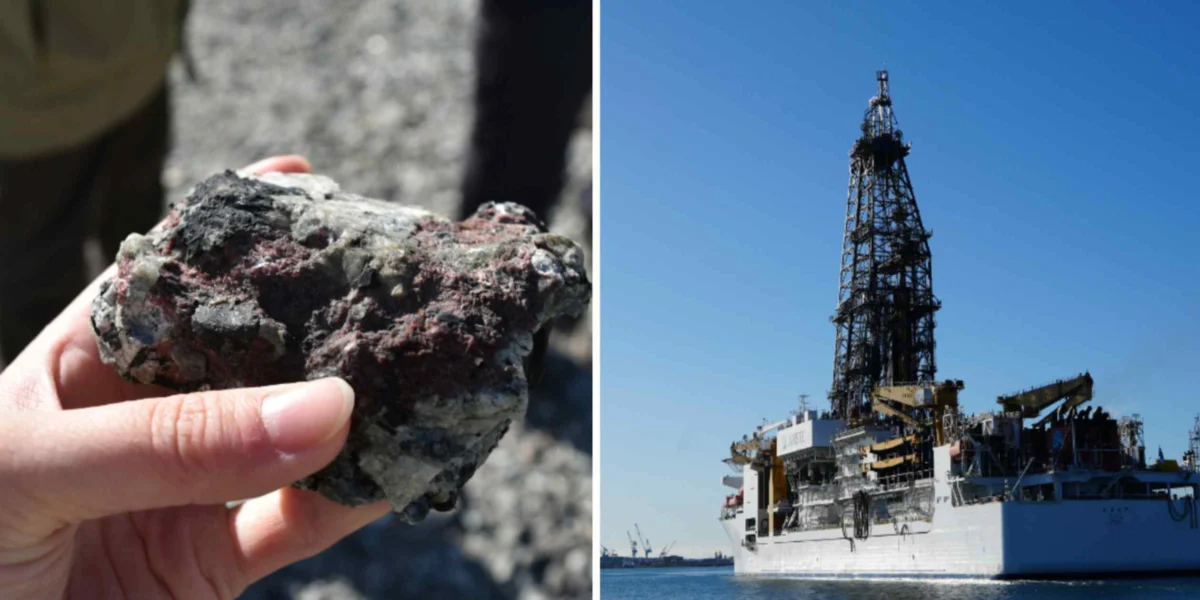
China’s export controls on rare-earth metals are spurring Japanese companies to work to build an independent supply chain, marking the start of a comeback for the industry after its retreat since the 1990s. This strategic pivot by major players such as Proterial and Mitsubishi Materials signifies a determined effort to secure vital resources, ranging from refining and recycling to the exploration of new mining rights, both domestically and internationally. The move is a direct response to geopolitical shifts and the recognized vulnerability of relying heavily on a single dominant supplier for these critical elements essential to modern technology.
The Geopolitical Imperative: A Shifting Global Landscape
The global dependence on China for rare earth elements (REEs) has long been a subject of concern for nations striving for technological and economic sovereignty. REEs, a group of 17 chemically similar metallic elements, are indispensable components in a vast array of high-tech applications, including smartphones, electric vehicles (EVs), wind turbines, advanced defense systems, and medical equipment. Their unique magnetic, catalytic, and luminescent properties make them irreplaceable in many of these sectors.
For decades, China has held a near-monopoly on the global supply of REEs, controlling both the extraction of raw ore and its sophisticated processing. This dominance was solidified after a trade dispute with Japan in 2010, when China temporarily restricted exports, sending shockwaves through global industries. The incident underscored the precariousness of supply chains reliant on a single geopolitical entity. Since then, the world has been acutely aware of the strategic implications of this dependency.
The recent imposition of export controls by China, while not a complete embargo, has served as a potent reminder of this vulnerability. These measures, often framed under national security or strategic resource management, have intensified the global race to diversify REE sources. Japan, a nation heavily reliant on imported REEs for its advanced manufacturing sector, has been particularly motivated to accelerate its efforts to establish a robust and independent supply chain.
Japanese Industry’s Strategic Response: From Retreat to Renaissance
The Japanese rare earth industry experienced a significant decline in the 1990s, largely due to the cost-effectiveness of Chinese production and the environmental challenges associated with domestic mining and processing. Many Japanese companies shifted their focus from primary production to downstream applications, relying on imported REEs. However, the lessons learned from past supply disruptions have spurred a dramatic reversal of this trend.
Proterial (formerly Hitachi Metals) and Mitsubishi Materials are at the forefront of this industrial resurgence. Their renewed focus encompasses a multi-pronged strategy:
- Refining Capabilities: Investing in and expanding domestic rare earth refining facilities is a top priority. This involves developing advanced separation and purification techniques to extract individual REEs from processed ore. The goal is to reduce reliance on foreign processing capabilities, thereby gaining greater control over the quality and availability of refined materials.
- Recycling Initiatives: Recognizing the significant amount of rare earths embedded in existing electronic waste, Japanese companies are heavily investing in sophisticated recycling technologies. These processes aim to recover valuable REEs from discarded electronics, such as smartphones, computers, and automotive components. This circular economy approach not only reduces the need for primary extraction but also offers a more environmentally sustainable source of critical minerals. Japan has set ambitious targets for REE recovery from e-waste, aiming to significantly contribute to its domestic supply needs.
- Mining Rights and Exploration: Beyond domestic efforts, Japanese corporations are actively seeking to secure mining rights and invest in exploration projects in countries outside of China. This includes exploring the potential of deep-sea mud deposits, which are known to contain significant concentrations of REEs. Japan has been a pioneer in researching the extraction of these seabed resources, viewing them as a promising frontier for future supply. Partnerships with countries rich in potential REE deposits, where Japan can offer technological expertise and investment, are also a key component of this strategy.
Deep-Sea Mud: A Promising Frontier
One of the most innovative aspects of Japan’s rare earth strategy is the exploration and potential exploitation of deep-sea mud deposits. These vast reserves, found at depths of around 1,000 to 4,000 meters, are estimated to contain substantial quantities of REEs, including some of the more critical and less abundant elements.
Research conducted by the Japan Agency for Marine-Earth Science and Technology (JAMSTEC) and various universities has identified promising sites, particularly in the Pacific Ocean. While the technological and environmental challenges of deep-sea mining are considerable, Japan is investing heavily in developing the necessary extraction and processing technologies. The potential rewards are immense, offering a pathway to diversify REE sources and reduce dependence on terrestrial mines, which often face environmental opposition and geopolitical risks.
Initial studies have indicated that some of these deep-sea mud deposits could contain concentrations of REEs significantly higher than many land-based mines. For example, some estimates suggest that the seabed mud could contain enough REEs to supply Japan’s needs for over 100 years. However, the economic viability and environmental impact of large-scale deep-sea mining remain areas of intense research and development.
Supporting Data and Industry Trends
The global rare earth market is projected to continue its growth trajectory, driven by the increasing demand for electric vehicles, renewable energy technologies, and advanced electronics. According to market research firms, the global REE market size was valued at approximately USD 4.1 billion in 2022 and is expected to grow at a compound annual growth rate (CAGR) of around 6-8% over the next decade.
-
Demand Drivers:
- Electric Vehicles: Magnets made from Neodymium and Dysprosium are crucial for EV motors. The rapid expansion of the EV market is a primary driver of REE demand.
- Wind Turbines: Large offshore wind turbines utilize powerful permanent magnets, again relying heavily on Neodymium and Praseodymium.
- Consumer Electronics: Smartphones, laptops, and other devices contain smaller but significant amounts of various REEs for displays, speakers, and other components.
- Defense Applications: REEs are critical for advanced radar systems, guidance systems, and other military technologies.
-
Supply Landscape:
- China: Currently accounts for approximately 60% of global REE mine production and over 85% of global REE refining capacity.
- Other Producers: Countries like Australia (Lynas Rare Earths), the United States (MP Materials), and Myanmar are also significant producers, but their refining capacity is considerably smaller than China’s.
The strategic initiatives by Japanese companies aim to carve out a more significant share of this growing market, not just as consumers but as integrated players across the entire value chain.
Official Responses and Government Support
The Japanese government is actively supporting these industrial efforts through various policy measures and financial incentives. Recognizing the national security implications of REE supply, the Ministry of Economy, Trade and Industry (METI) has been instrumental in fostering collaboration between industry, academia, and research institutions.
Key government initiatives include:
- Funding for Research and Development: Significant investments are being channeled into R&D for advanced REE extraction, refining, and recycling technologies, particularly for deep-sea resources.
- Strategic Partnerships: METI is facilitating international collaborations to secure overseas mining and processing rights, often through official development assistance (ODA) or joint venture agreements.
- Domestic Production Incentives: Policies are being implemented to encourage the establishment and expansion of domestic refining and recycling facilities, potentially including tax breaks and subsidies.
- Stockpiling: The government is also considering strategic stockpiling of critical REEs to ensure a buffer against potential supply disruptions.
A spokesperson from METI, speaking anonymously due to internal policy, stated, "Japan is committed to building a resilient and diversified supply chain for critical minerals. We are actively working with our industries to leverage our technological strengths and explore all viable avenues to secure stable supplies of rare earth elements."
Broader Impact and Implications
The success of Japan’s rare earth renaissance would have far-reaching implications:
- Diversification of Global Supply: A stronger Japanese presence in the REE market would contribute to global supply diversification, reducing the leverage of any single dominant producer and enhancing global supply chain stability.
- Technological Advancement: The intensive R&D efforts in Japan are likely to yield breakthroughs in REE extraction, refining, and recycling, benefiting the broader materials science and environmental technology sectors.
- Economic Growth and Job Creation: The revival of the rare earth industry could lead to significant economic growth and job creation within Japan, particularly in regions associated with mining, processing, and advanced manufacturing.
- Geopolitical Rebalancing: A more self-sufficient Japan in critical materials would bolster its economic and geopolitical standing, potentially influencing global trade dynamics and alliances.
- Environmental Considerations: While deep-sea mining presents environmental challenges that require careful management, the emphasis on recycling and the development of cleaner extraction technologies could lead to more sustainable rare earth production in the long run.
The journey for Japan’s rare earth industry is not without its challenges. High capital costs for establishing new facilities, the technical complexities of deep-sea mining, and the need for stringent environmental regulations are significant hurdles. Furthermore, the global market is highly competitive, and establishing a strong foothold against entrenched players will require sustained effort and innovation.
However, the current geopolitical climate and the undeniable strategic importance of rare earth elements have created a powerful impetus for change. The renewed commitment from major Japanese corporations like Proterial and Mitsubishi Materials, backed by strong government support, signals a determined effort to reclaim a vital role in the global rare earth supply chain and secure the materials essential for Japan’s technological future. This renaissance marks a significant strategic pivot, moving from a position of vulnerability to one of proactive resource management and industrial resurgence.
