

The stark reality of Japan’s organ transplant system is pushing desperate patients towards illicit channels, with intermediaries arranging life-saving procedures overseas for those facing agonizing wait times that can stretch to a decade or more. This burgeoning underground market highlights the profound disconnect between the critical need for organs and the nation’s limited supply, raising significant ethical and legal concerns.
The Grim Landscape of Organ Donation in Japan
Japan has historically grappled with a low rate of organ donation compared to other developed nations. Several factors contribute to this persistent challenge: deep-seated cultural taboos surrounding death and the body, a complex and often slow consent process for deceased donations, and a general societal reluctance to discuss organ donation openly. While the Organ Transplant Law was revised in 2010 to allow for donation from brain-dead individuals with family consent, the number of actual transplants remains critically insufficient.

In 2022, for instance, the Japan Organ Transplant Network (JOTN) reported a mere 376 deceased donor transplants. This figure stands in stark contrast to the thousands of patients on waiting lists for vital organs such as kidneys, livers, and hearts. The average wait time for a kidney transplant, the most common procedure, can exceed 10 years, a period during which many patients’ conditions deteriorate, leading to increased morbidity and mortality. This protracted wait is not just a statistical anomaly; it represents a daily struggle for survival for countless individuals and their families.
The Rise of Illegal Overseas Transplant Brokers
Frustrated by the seemingly insurmountable wait times and the dim prospects of receiving a domestic organ, a growing number of Japanese patients and their families are seeking alternatives abroad. This search has unfortunately paved the way for unscrupulous intermediaries who operate in the shadows, brokering organ transplant surgeries in countries where regulations may be less stringent or enforcement is lax.
These brokers typically operate through discreet online channels or word-of-mouth referrals, preying on the desperation of patients and their loved ones. They often promise expedited procedures, sometimes within months, and tout success rates that can be difficult to verify. The services offered typically include arranging the organ itself, often through opaque and potentially unethical sourcing methods, as well as coordinating travel, accommodation, and the surgical procedure.

The cost of these illegal transplants is exorbitant, running into hundreds of thousands of dollars, a sum that only a fraction of the population can afford. This creates a stark ethical divide, where access to life-saving treatment is determined by wealth, further exacerbating existing societal inequalities. For those who can afford it, the allure of a quicker path to a transplant, even with the inherent risks, proves too strong to resist.
Ethical and Legal Perils of Overseas Transplants
The engagement with illegal overseas transplant brokers presents a myriad of ethical and legal quandaries. Foremost among these is the origin of the organs. While some patients may be led to believe they are receiving organs from willing donors, there is a significant risk of organ trafficking and the exploitation of vulnerable individuals in source countries. This raises grave concerns about human rights abuses and the commodification of human life.
Furthermore, the medical quality and safety of these overseas procedures are often questionable. Patients may be operated on by less experienced surgeons, in facilities that do not meet international standards for sterility and patient care. The lack of proper pre-operative screening and post-operative follow-up can lead to severe complications, including infections, organ rejection, and even death. The legal recourse for patients who experience adverse outcomes is often limited or non-existent, leaving them with little to no support.

From a legal perspective, such arrangements violate Japan’s Organ Transplant Law, which strictly regulates organ donation and transplantation. Engaging in the brokering of organs, whether domestically or internationally, can carry severe penalties. Moreover, the act of receiving an organ obtained through illegal means could also have legal repercussions, though enforcement in such complex cross-border cases is challenging.
Official Responses and Public Discourse
The Japanese government and medical authorities are acutely aware of the growing problem of illegal overseas transplants. The Ministry of Health, Labour and Welfare, in conjunction with the JOTN, has repeatedly warned the public about the dangers and ethical implications of such practices. Public awareness campaigns have been launched to educate citizens about the importance of legitimate organ donation and the risks associated with illicit organ procurement.
However, these efforts have had limited success in curbing the demand. The fundamental issue of organ scarcity remains at the core of the problem. Experts in the field argue that a multi-pronged approach is necessary, focusing not only on stricter regulation and enforcement but also on robust public education and fostering a more organ-donor-friendly culture.

Dr. Kenji Tanaka, a leading transplant surgeon at a major Tokyo hospital, expressed his deep concern: "It is heartbreaking to see patients suffering and making such desperate choices. We are doing everything we can within the legal and ethical framework to increase domestic donations and improve transplant outcomes. But the demand is simply overwhelming the supply. We need a societal shift in how we view organ donation."
Broader Implications and Future Outlook
The trend of Japanese patients seeking illegal overseas transplants has broader implications for global health ethics and organ donation policies. It underscores the universal challenge of organ scarcity and the ethical dilemmas that arise when life-saving treatments are inaccessible to many. This phenomenon also highlights the need for greater international cooperation in combating organ trafficking and ensuring that organ procurement practices worldwide adhere to stringent ethical and legal standards.
For Japan, the long-term solution lies in fundamentally addressing the low organ donation rates. This requires sustained efforts to:

- Increase Public Awareness and Education: Comprehensive campaigns that demystify organ donation, address cultural anxieties, and emphasize the altruistic nature of giving the gift of life.
- Streamline the Consent Process: Exploring options for presumed consent or opt-out systems, while ensuring robust safeguards are in place to respect individual autonomy and family wishes.
- Promote Living Donation: Further supporting and expanding programs for living organ donation, with strict ethical oversight to prevent coercion or exploitation.
- Invest in Research and Technology: Continuing to invest in research for artificial organs, regenerative medicine, and xenotransplantation, which could offer future alternatives.
- Strengthen International Collaboration: Working with international bodies to combat organ trafficking and promote ethical organ donation practices globally.
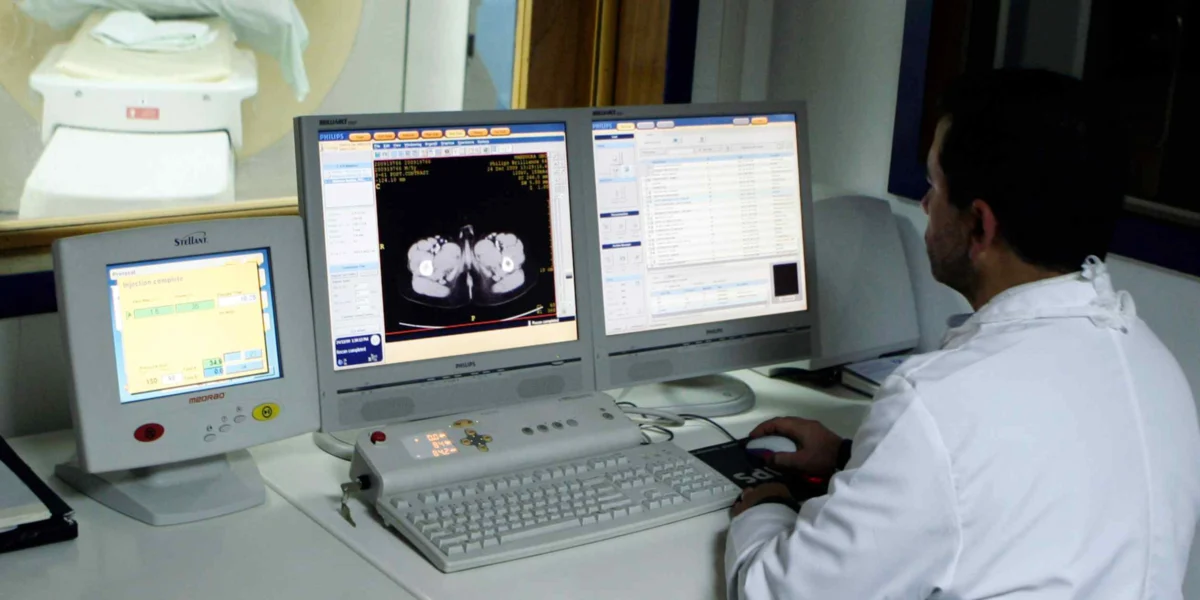
The current situation, where patients are forced to risk their lives and financial security through illicit channels, is unsustainable and ethically untenable. Until Japan can significantly bridge the gap between organ demand and supply through legitimate means, the shadow of illegal overseas transplants will continue to loom, a tragic testament to the profound human cost of organ scarcity. The image of a doctor working in an organ transplant theater, as depicted in the accompanying Reuters photograph from Germany, serves as a poignant reminder of the advanced medical capabilities available, yet highlights the systemic barriers that prevent these life-saving interventions from reaching all those in need within Japan. The ongoing crisis necessitates urgent and comprehensive action, both domestically and internationally, to ensure that the pursuit of a life-saving transplant does not become a perilous gamble.
