

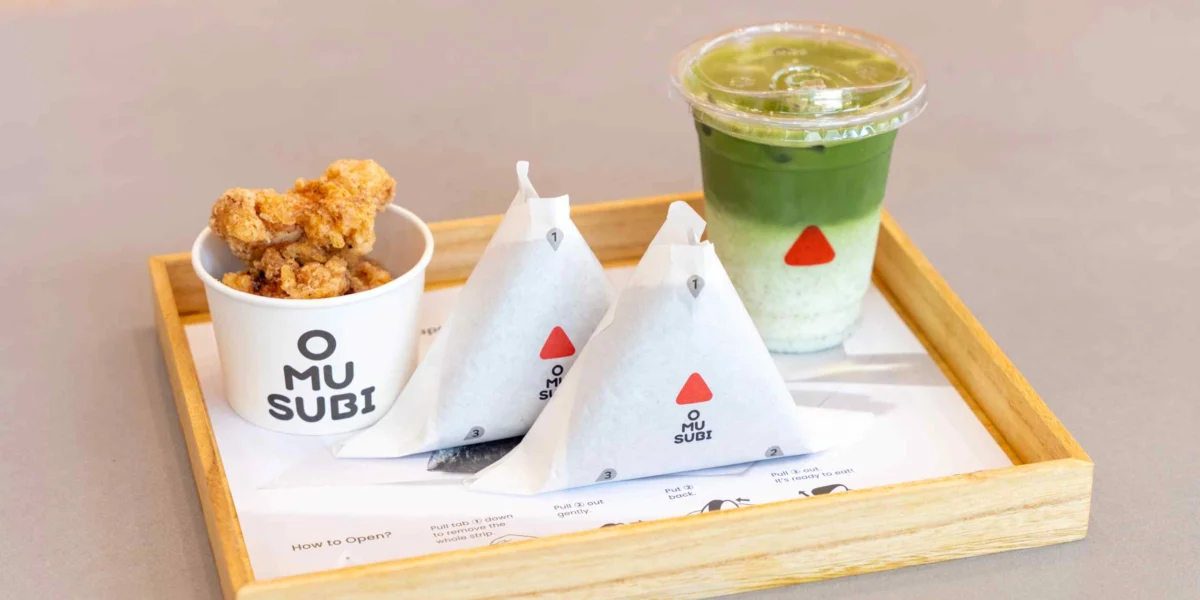
NIIGATA, Japan – Hyakunousha International, a burgeoning operator of artisanal onigiri (rice ball) shops, is undertaking a significant strategic initiative to bolster its global expansion by establishing a dedicated company in Japan’s renowned rice-producing Niigata prefecture. This new entity, focused on overseeing rice production and marketing, signals a crucial step in Hyakunousha’s commitment to securing a stable and premium supply of the staple ingredient essential for its increasingly popular, high-end onigiri offerings in international markets, particularly the United States. The company’s premium onigiri currently retail between $7.00 and $7.50 per piece in the U.S., reflecting a strategy of targeting discerning consumers willing to pay a premium for quality and authenticity.
Strategic Imperative: Securing the Foundation of Quality
The establishment of this new company in Niigata is driven by a clear understanding of the critical link between the quality of rice and the perceived value of onigiri. Niigata prefecture is widely celebrated within Japan and internationally for producing some of the finest rice varieties, most notably Koshihikari. The region’s unique climate, fertile soil, and advanced agricultural practices contribute to rice grains that are plump, glossy, and possess a naturally sweet flavor and ideal texture when cooked – attributes that are paramount for crafting authentic and delicious onigiri.
Hyakunousha International’s ambitious growth trajectory, especially its foray into the competitive U.S. market, necessitates a robust and reliable procurement system. Relying solely on external suppliers, particularly for a commodity like rice that is subject to fluctuations in yield, quality, and price due to weather patterns, agricultural policies, and global demand, presents inherent risks. By directly engaging in the production and marketing of rice in a prime growing region, Hyakunousha aims to mitigate these risks, gain greater control over the entire supply chain, and ensure the consistent availability of the specific rice varietals that define its brand.
This strategic move also allows Hyakunousha to implement stringent quality control measures from the very origin of its primary ingredient. The company can work closely with local farmers, potentially investing in cultivation techniques, harvesting methods, and storage practices that align with its high standards. This direct involvement fosters a deeper connection with the agricultural roots of its product, enabling Hyakunousha to not only guarantee quality but also to potentially innovate in rice cultivation for future product development.
A Timeline of Growth and Strategic Realignment
Hyakunousha International’s journey from a nascent food business to an international player has been marked by a series of calculated steps. While the exact founding date of Hyakunousha International is not publicly specified in the initial announcement, its current operation and expansion into the U.S. suggest a relatively recent but rapid development. The company’s decision to establish a dedicated entity in Niigata is likely the culmination of several years of market research, supply chain assessment, and strategic planning.
Recent Past (Estimated 1-3 years prior to August 2026):
- Market Entry and Initial Success: Hyakunousha International likely initiated its U.S. operations, identifying a niche for premium, authentic onigiri. This period would have involved establishing initial supply chains, potentially with Japanese rice importers or wholesalers, and testing consumer reception. The success of its initial offerings, evidenced by the $7.00-$7.50 price point, indicates a positive market response and demand for higher-quality onigiri.
- Supply Chain Challenges Identified: As the business scaled, the inherent vulnerabilities of relying on external rice suppliers would have become apparent. Fluctuations in rice quality, availability, and price, coupled with the logistical complexities of international sourcing, would have prompted a re-evaluation of Hyakunousha’s procurement strategy.
- Exploration of Niigata: Recognizing Niigata’s reputation for superior rice, Hyakunousha would have begun exploring partnerships or investment opportunities within the prefecture. This would involve due diligence on local agricultural cooperatives, individual farmers, and the regional regulatory environment.
Recent Developments (Leading up to August 2026):
- Formation of the Niigata Entity: The formal establishment of the new company in Niigata marks the concrete realization of this strategic planning. This process would have involved legal registration, securing necessary permits, and potentially acquiring or leasing land and facilities for rice production and initial processing or storage.
- Building Local Relationships: Crucial to the success of this venture is the cultivation of strong relationships with Niigata’s agricultural community. This likely involved extensive engagement with local farmers, understanding their practices, and negotiating mutually beneficial agreements for rice cultivation and procurement.
Immediate Future (Post-August 2026):
- Operationalizing Production and Marketing: The newly formed company will now focus on the practical aspects of overseeing rice production. This includes planning cultivation cycles, implementing quality control protocols, and establishing efficient harvesting and post-harvest handling procedures. Simultaneously, its marketing arm will begin to articulate the provenance and quality of the rice to Hyakunousha International’s global operations.
- Integration into Global Supply Chain: The rice sourced and marketed by the Niigata entity will be integrated into Hyakunousha’s international supply chain, ensuring a consistent flow of premium ingredients to its retail outlets. This integration will likely involve optimizing logistics for transporting the processed rice to its overseas markets.
Supporting Data: The Value of Premium Rice and the Onigiri Market
The premium pricing strategy of Hyakunousha International ($7.00-$7.50 per onigiri in the U.S.) is not arbitrary. It is supported by several market trends and data points related to the demand for high-quality Japanese food products and the growing popularity of onigiri.
- Global Demand for Japanese Cuisine: The international appetite for authentic Japanese cuisine has been steadily growing. According to various market research reports, the global Japanese food market is projected to reach significant valuations in the coming years, driven by factors such as increased disposable incomes, a growing appreciation for healthy and flavorful food, and the influence of Japanese culture through media and tourism.
- Premiumization in Food Consumption: Consumers, particularly in developed markets like the U.S., are increasingly willing to pay a premium for food products that offer superior quality, unique provenance, and a compelling story. This trend is evident across various food categories, from artisanal coffee and craft beer to high-end produce and specialty meats. Onigiri, when positioned as a premium offering made with high-quality ingredients, aligns perfectly with this consumer behavior.
- Rice as a Differentiator: The type and quality of rice are fundamental to the taste and texture of onigiri. High-quality Japanese short-grain rice, such as Niigata’s Koshihikari or other premium varietals, commands a higher price due to its superior eating qualities – its slight sweetness, sticky texture, and ability to hold its shape. For example, premium Japanese rice can retail for anywhere from $20 to $50 or more for a 5-pound bag in specialty stores, significantly higher than standard long-grain rice. This cost directly impacts the final product price.
- Onigiri Market Growth: While specific global onigiri market size data can be fragmented, the increasing number of Japanese convenience stores and specialty food shops opening worldwide, alongside the growing popularity of bento boxes and Japanese street food, indicates a robust upward trend. The convenience and portability of onigiri make it an attractive option for busy consumers seeking a quick, healthy, and satisfying meal.
- Cost of Production: Beyond the raw ingredient, the premium pricing also reflects other operational costs, including skilled labor for preparation, high-quality fillings and seasonings, attractive packaging, and the overhead of operating in prime retail locations in the U.S. However, the foundation of Hyakunousha’s premium strategy undeniably rests on its ability to source and utilize top-tier rice.
Official Responses and Industry Implications
While specific statements from Hyakunousha International executives or Niigata agricultural officials regarding the new company’s formation are not yet available, the strategic move itself speaks volumes about the company’s vision and the industry’s evolving landscape.
Inferred Hyakunousha International Perspective:
"This strategic investment in Niigata underscores our unwavering commitment to delivering an authentic and unparalleled onigiri experience to our global customers," a hypothetical statement from Hyakunousha’s leadership might convey. "By establishing direct oversight of rice production in one of Japan’s most esteemed rice-growing regions, we are not only securing the future of our supply chain but also honoring the heritage and craftsmanship that defines true Japanese cuisine. This initiative is fundamental to our mission of elevating onigiri from a simple snack to a culinary art form appreciated worldwide."
Potential Niigata Agricultural Cooperative Response:
Local agricultural cooperatives in Niigata, which play a vital role in supporting farmers and managing rice production, would likely view Hyakunousha’s investment as a positive development. Such a move could translate to:
- Increased Demand for Premium Rice: A dedicated buyer like Hyakunousha, committed to specific varietals and quality standards, could provide stable and potentially premium-priced demand for local farmers.
- Technological and Quality Advancement: Collaboration with a company focused on global markets might encourage the adoption of advanced farming techniques and stricter quality control measures, further enhancing Niigata’s reputation for rice.
- Economic Benefits: Investment in local infrastructure and employment opportunities would be a welcome outcome for the region.
Broader Industry Implications:
Hyakunousha’s strategic pivot has several implications for the broader food industry, particularly for businesses involved in Japanese food products and global supply chain management:
- Benchmark for Quality Assurance: The company’s proactive approach sets a new benchmark for how businesses can ensure the authenticity and quality of core ingredients for globally distributed food items. It highlights the importance of vertical integration or strong, direct partnerships in achieving consistent product excellence.
- The "Farm-to-Table" Movement in a Global Context: This initiative extends the popular "farm-to-table" concept to an international scale, demonstrating that consumers are increasingly interested in the origin and production methods of their food, regardless of geographical boundaries.
- Competitive Landscape: Competitors offering onigiri or other Japanese rice-based products may be compelled to re-evaluate their own supply chain strategies. Those relying on less controlled or lower-quality rice sources might face challenges in competing with Hyakunousha’s premium offerings.
- Agricultural Sector Modernization: The investment could spur further modernization within Niigata’s agricultural sector, encouraging innovation in rice cultivation, sustainable farming practices, and the adoption of new technologies to meet the demands of sophisticated international markets.
- Brand Storytelling and Consumer Trust: By emphasizing its direct involvement in rice production in Niigata, Hyakunousha can craft a powerful brand narrative that resonates with consumers seeking transparency and authenticity. This can foster greater trust and loyalty.
In conclusion, Hyakunousha International’s establishment of a dedicated rice production and marketing entity in Niigata is a forward-thinking strategy that addresses the core challenge of ingredient sourcing for its premium onigiri business. This move is poised to not only secure its supply chain and enhance product quality but also to strengthen its brand’s narrative and competitive positioning in the burgeoning global market for authentic Japanese cuisine. The success of this initiative will likely be closely watched by other food businesses aspiring to replicate Hyakunousha’s blend of tradition, quality, and international ambition.
