

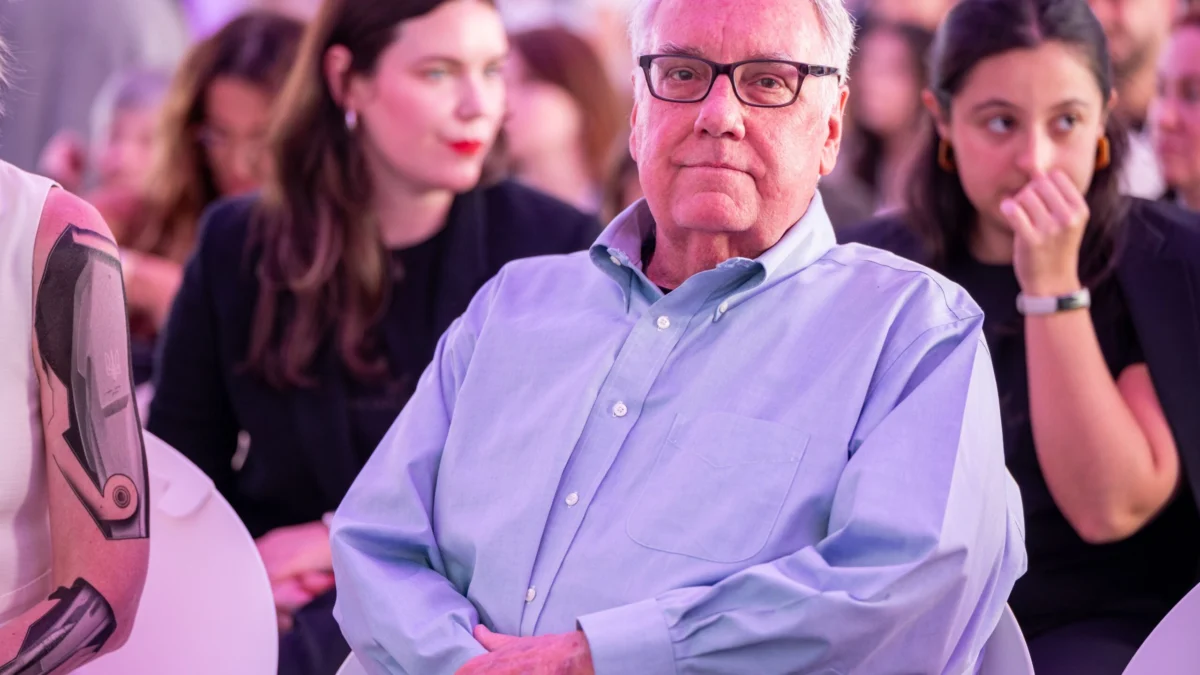
Howard Buffett, a figure long content to operate behind the scenes, is now stepping into a more prominent role within the conglomerate his father, Warren Buffett, built into a global financial titan. As Warren Buffett transitions from his decades-long tenure as CEO of Berkshire Hathaway, his son Howard, aged 73, is poised to guide the company through its next significant chapter. This shift marks a pivotal moment for Berkshire Hathaway, prompting a closer examination of the individual tasked with preserving its legacy and steering its future.
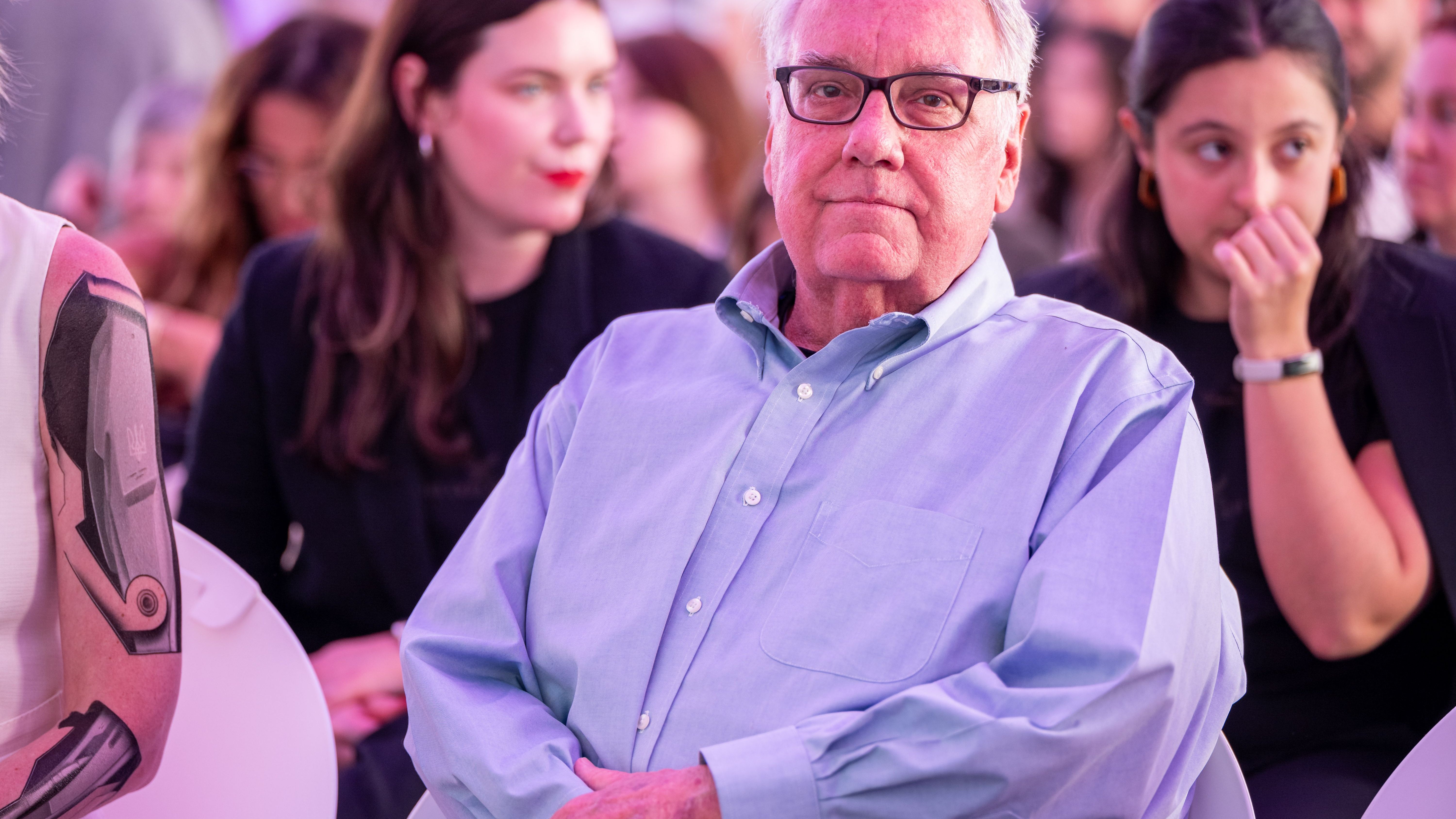
A Non-Traditional Path to Leadership
Howard Buffett’s professional trajectory deviates significantly from the typical executive path of a leader at one of America’s largest corporations. He famously dropped out of college, a decision that did not impede his eventual involvement with Berkshire Hathaway. His early career included a stint at See’s Candies, a confectionery company that is a wholly-owned subsidiary of Berkshire. Beyond his business dealings, Howard has also served as a county sheriff, demonstrating a commitment to public service. Furthermore, he has held board positions in various organizations, including Coca-Cola, a company in which Berkshire Hathaway has been a long-standing investor. His directorship at Berkshire Hathaway itself began in 1993, giving him extensive experience within the conglomerate’s governance structure.
The Moral Compass of Berkshire Hathaway
Described by his friends and colleagues as someone who prefers to be called "Howie," Howard Buffett has consistently expressed a lack of personal interest in the day-to-day operational leadership of Berkshire Hathaway. Lawrence Cunningham, a recognized Buffett scholar and a professor of business law at the University of Delaware, notes, "He never expressed interest in actively running Berkshire. However, he has always possessed a strong moral compass." This moral compass is precisely what Warren Buffett is relying on Howard to safeguard. For sixty years, Warren Buffett, as CEO, transformed Berkshire Hathaway from a struggling textile mill into an industrial conglomerate with a market capitalization exceeding $1.1 trillion. The Class A shares of Berkshire Hathaway, representing the most voting power, are famously the most expensive stock in the world, a testament to its enduring value and investor confidence.
Warren Buffett’s Succession Strategy: A Long-Term Vision
The elder Buffett, now 96, has meticulously planned for the succession of his empire, a process that has been in motion for years. "The future of Berkshire after my death is more important to me than the time I am still alive. Berkshire is my creation," he stated in an interview with The Wall Street Journal last year. His primary concern is ensuring Berkshire’s continued prosperity and its embodiment of shareholder ownership. He has emphasized that building Berkshire took a considerable amount of time, and its integrity could be easily jeopardized if it fell into the hands of individuals who sought to dismantle it. Howard’s role is thus framed as a guardian of this legacy.
Warren Buffett officially handed over the CEO reins to Greg Abel at the beginning of January. Abel, a long-time manager within Berkshire Hathaway, has already demonstrated a more active approach in recent months. His strategic moves have included significant share buybacks of Berkshire’s own stock and a substantial increase in its stake in Alphabet (Google’s parent company). Abel has also overseen several key acquisitions. This proactive stance contrasts with Warren Buffett’s more restrained engagement in recent years.

The Buffett Fortune and Philanthropic Legacy
Estimates from Bloomberg place Warren Buffett’s net worth at approximately $145 billion. In a remarkable display of his commitment to philanthropy, Buffett has pledged to donate 99% of his fortune to charitable causes. His children, including Howard, are set to inherit one of the largest fortunes in recent history, with the responsibility of deciding how these vast resources will be utilized. This philanthropic vision is a cornerstone of the Buffett legacy, and Howard’s role at Berkshire is intrinsically linked to this broader commitment.
Berkshire Hathaway’s vast holdings encompass more than just insurance and energy sectors. The conglomerate also owns dozens of small and medium-sized businesses and manages a stock portfolio valued at around $300 billion, which is closely watched by investors globally. The intricate web of companies and investments represents a complex legacy that Howard Buffett is now tasked with overseeing.

Navigating the Future: Experience and Trust
While Howard Buffett may not possess the extensive investment or direct operational leadership experience of his father, his background offers a different kind of strength. Christopher Davis, founder of Hudson Value Partners, an investment firm that holds Berkshire Hathaway stock, comments, "Howard Buffett may not have experience as an investor or direct leadership experience in operating companies. However, he has extensive experience as a member of the boards of directors of publicly traded and private companies. As a trustee of the foundations that will eventually receive Berkshire Hathaway shares, his interests are unequivocally aligned with those of the company." This alignment of interests, coupled with his long-standing involvement in Berkshire’s governance, is seen as a critical asset.
The transition at Berkshire Hathaway has been carefully orchestrated. Warren Buffett’s decision to step down and appoint Greg Abel as CEO, with Howard Buffett playing a crucial role in preserving the company’s culture and ethical framework, reflects a thoughtful succession plan. Howard’s mandate extends beyond financial oversight; it encompasses the stewardship of the corporate culture that Warren Buffett meticulously cultivated.

A Culture of Ethics and Decentralized Management
Warren Buffett’s leadership style was characterized by a decentralized approach, granting considerable autonomy to his subsidiary managers. However, he maintained an unwavering expectation of ethical conduct. A frequently repeated mantra from Buffett was, "If someone in the company loses money, I will be lenient. If someone jeopardizes the good name of the company even slightly, then I will be relentless." This emphasis on reputation and integrity is a core tenet that Howard is expected to uphold.
The Annual Shareholder Meeting: A New Era
Howard Buffett has indicated his intention to co-host the annual shareholder meetings with Greg Abel going forward. These meetings, historically, held a cult-like status among Berkshire shareholders, largely due to the charismatic Q&A sessions with Warren Buffett and his long-time partner, Charlie Munger. The duo was celebrated by investors, akin to rock stars, for their insightful and often humorous responses to shareholder inquiries.

The May shareholder meeting, the first under Abel’s leadership, was notably more subdued and business-focused. While Abel and Howard Buffett may not possess the same public personas as their predecessors, many investors found the shift to a more factual and direct approach refreshing. One attendee remarked, "Abel spoke about AI investments and has a keen eye on the competition. As a shareholder, that’s precisely what you want to see." This pragmatic approach suggests a focus on performance and strategic vision, which is a priority for many investors in the current market environment.
Howard Buffett’s Global Mission: A Commitment to Ukraine
Beyond his responsibilities at Berkshire Hathaway, Howard Buffett is deeply involved in a significant humanitarian mission. Through his eponymous foundation, he has become a fervent advocate for Ukraine since the outset of the ongoing conflict. Over the past four and a half years, Buffett has developed extensive knowledge of the region and its challenges, undertaking an impressive 27 trips to the war-torn country.

The financial resources of the Howard Buffett Foundation have been directed towards critical areas, including the provision of food, mine clearance operations, prosthetics, and infrastructure reconstruction. Speaking at an event hosted by the German Marshall Fund in Gdansk, Poland, Howard Buffett described his experience: "I saw Ukraine as something monumental that I had never experienced before. For me, it was like World War III." This profound engagement underscores his commitment to addressing humanitarian crises on a global scale.
His foundation’s work in Ukraine highlights a dedication to tangible impact, providing essential aid and supporting long-term recovery efforts. This philanthropic endeavor, while distinct from his role at Berkshire Hathaway, reflects a consistent ethical framework and a drive to contribute positively to the world.

The Future of Berkshire Hathaway: A Blend of Legacy and Evolution
The transition at Berkshire Hathaway represents more than just a change in leadership; it signifies an evolution of a corporate giant. Howard Buffett’s role as the custodian of the company’s moral compass, alongside Greg Abel’s operational leadership, presents a dual-pronged approach to steering the conglomerate forward. The intricate balance between preserving the established culture and embracing necessary strategic adaptations will be key to Berkshire Hathaway’s continued success in an ever-changing global economic landscape.
The strategic divestment of Warren Buffett’s voting shares by 2034 further solidifies the long-term succession plan. His ongoing practice of gifting shares to his children’s foundations ensures a gradual and controlled shift in family influence, aligning with his vision for the company’s future. This multi-faceted approach to leadership transition and philanthropic commitment positions Berkshire Hathaway for a future where its core values and financial strength are maintained, even as its leadership evolves.
