

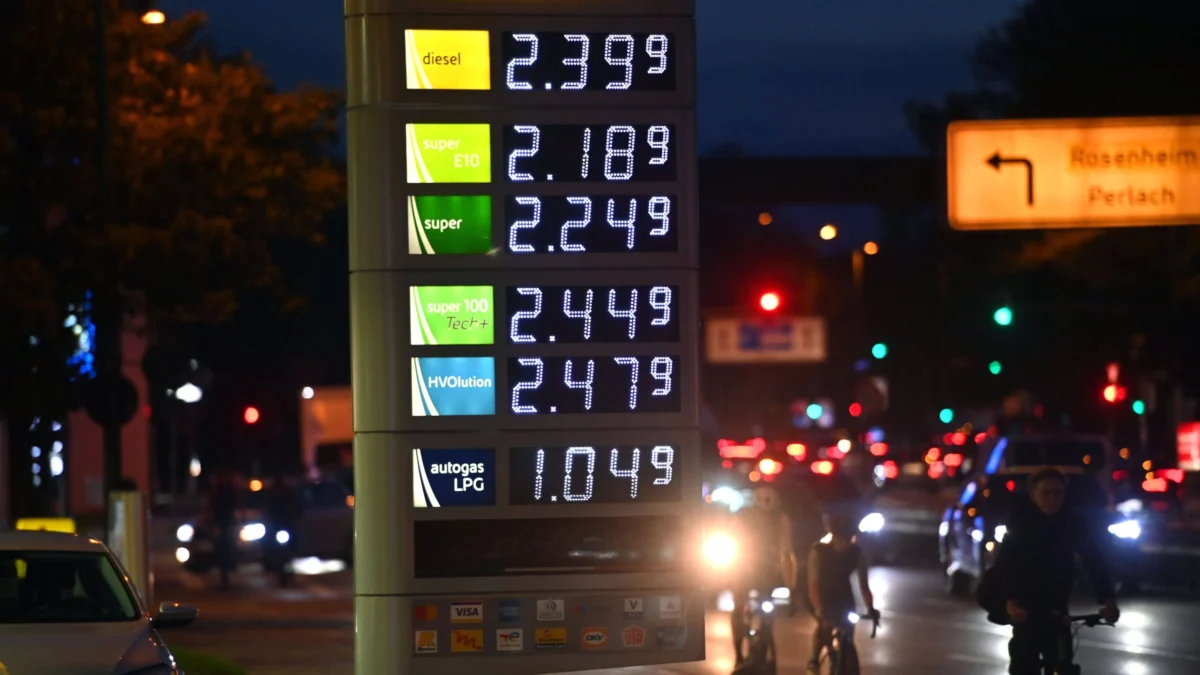
Berlin. In a significant move to alleviate the financial burden on German motorists, the federal government and the state governments have reached a landmark agreement on a comprehensive relief package. The measures, finalized late Friday evening, are set to include a cap on fuel prices and a reduction in taxes levied on gasoline and diesel. This decision comes after extensive negotiations aimed at addressing the persistent issue of soaring fuel costs, which have been a growing concern for households and businesses across the nation.
The agreement, details of which were obtained by Handelsblatt, signifies a crucial step towards stabilizing fuel prices and providing tangible relief to consumers. While the precise implementation details are still being ironed out, the core of the package revolves around two key pillars: a price ceiling for fuels and a direct tax cut. This dual approach is designed to not only immediately lower the cost at the pump but also to create a more predictable pricing environment in the medium to long term.
Background and Context: The Escalating Fuel Price Crisis
The decision to implement these relief measures follows a period of unprecedented volatility and sustained high prices in the fuel market. Several interconnected factors have contributed to this challenging situation:
- Global Energy Market Dynamics: Fluctuations in global oil prices, heavily influenced by geopolitical events, supply and demand imbalances, and the ongoing recovery from the COVID-19 pandemic, have had a direct impact on the cost of crude oil, the primary component of gasoline and diesel.
- Supply Chain Disruptions: Lingering effects of the pandemic, coupled with logistical challenges and international conflicts, have disrupted global supply chains, leading to increased transportation costs for refined fuel products.
- Geopolitical Tensions: Regional conflicts and international sanctions have created uncertainty in energy markets, often leading to price spikes as markets react to potential supply disruptions.
- Domestic Taxation Policies: Germany, like many European nations, imposes significant taxes and levies on fuel, including energy tax and value-added tax. While these contribute to government revenue, they also form a substantial portion of the final price at the pump.
The sustained high fuel prices have had a ripple effect throughout the German economy. For consumers, increased expenditure on fuel directly impacts household budgets, reducing disposable income for other goods and services. This has been particularly felt by lower and middle-income households who rely heavily on personal vehicles for commuting and daily life. Businesses, especially those in logistics, transportation, and agriculture, have faced escalating operational costs, which they have increasingly passed on to consumers, contributing to broader inflationary pressures. The increasing cost of transportation also affects the price of virtually all goods, as the cost of moving products from production to retail increases.

A Timeline of Negotiations and Agreements
The path to this agreement has been marked by a series of intensive discussions and negotiations between various stakeholders.
- Early Discussions and Initial Proposals: As fuel prices began their upward trajectory, initial discussions between the federal government and the states focused on potential short-term interventions. These early talks explored various options, including temporary tax holidays and direct subsidies.
- Growing Public Pressure: With prices continuing to climb throughout the summer and early autumn, public pressure mounted on policymakers to act decisively. Consumer groups and automotive associations repeatedly called for government intervention.
- Coalition Debates: Within the governing coalition, there were differing views on the most effective and fiscally responsible approach. Some advocated for more direct subsidies, while others emphasized structural changes to taxation and market regulation.
- Federal-State Summits: The complexity of the issue, involving both federal and state tax competencies, necessitated a series of high-level summits between the federal government and the state premiers. These meetings were crucial for brokering a unified approach.
- The Breakthrough Agreement: The culmination of these efforts was the agreement reached on Friday evening, marking a significant breakthrough in the protracted negotiations. This agreement signifies a unified stance from key political actors on the need for immediate and impactful relief.
Key Components of the Relief Package
While the precise figures and mechanisms are still subject to finalization, the agreed-upon measures are expected to have a substantial impact:
- Fuel Price Cap (Spritpreisdeckel): This measure aims to set a maximum price that fuel retailers can charge for gasoline and diesel. The mechanism for implementing this cap is expected to involve a combination of government intervention and potential agreements with energy suppliers. The goal is to prevent prices from exceeding a certain threshold, providing a predictable ceiling for consumers. This could be achieved through direct subsidies to suppliers when prices approach the cap, or through a regulatory framework that limits price increases.
- Tax Reductions: The agreement also includes a commitment to lower the taxes levied on gasoline and diesel. This could involve a temporary reduction in the energy tax (Energiesteuer) or a more structural adjustment to the tax framework. Historically, fuel taxes have been a significant contributor to government revenue in Germany. A reduction in these taxes would directly translate into lower prices at the pump for consumers. The magnitude of this reduction will be critical in determining the overall effectiveness of the relief package. For instance, a reduction of even a few cents per liter can make a noticeable difference for regular drivers.
Supporting Data and Projected Impact
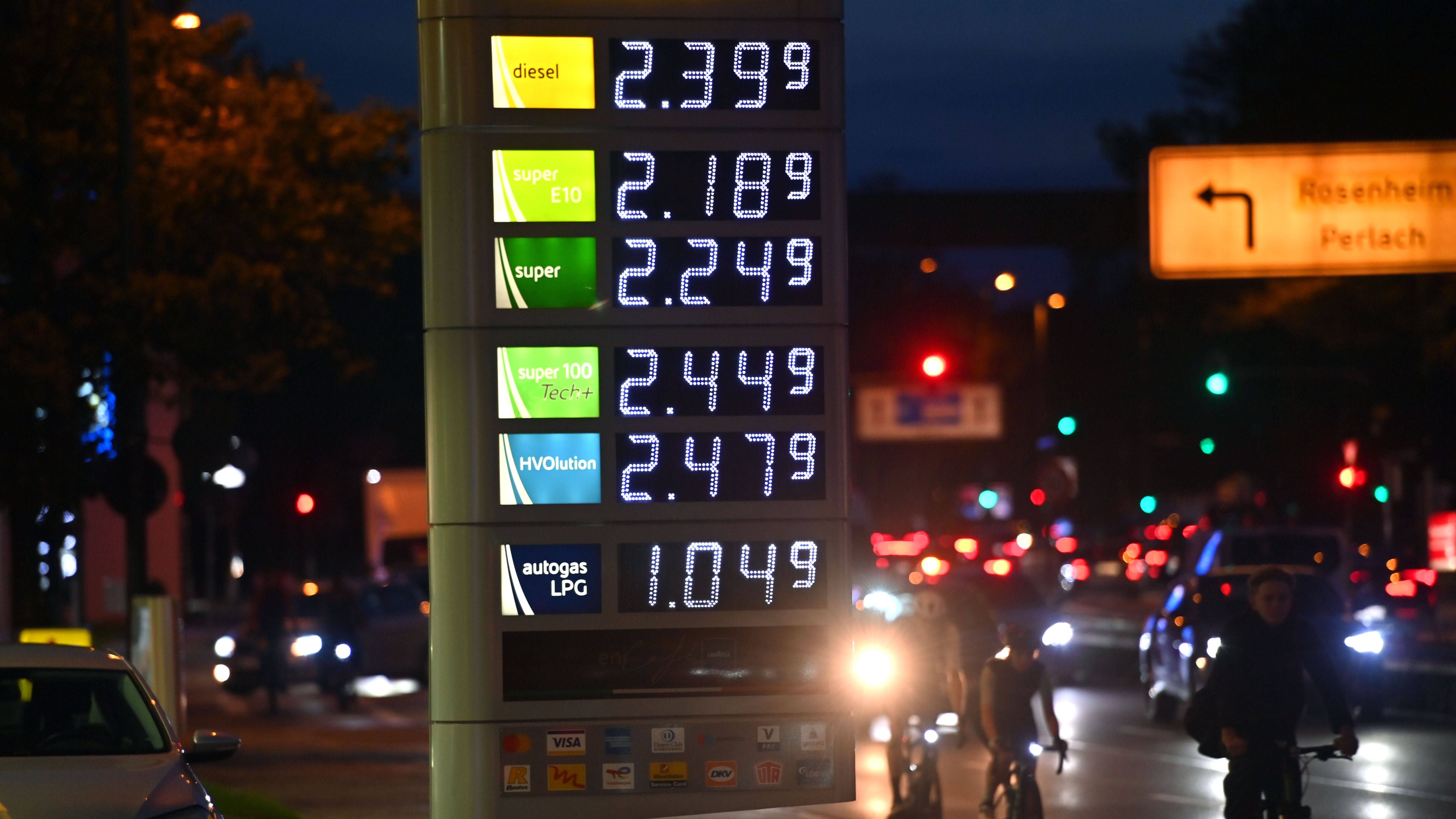
To understand the potential impact of these measures, it’s useful to consider current fuel prices and historical data. In recent months, the average price for a liter of premium gasoline (Super E10) in Germany has fluctuated significantly, often exceeding €2.00, and in some cases, approaching €2.20. Diesel prices have seen similar increases, impacting the cost of goods transport.

If a fuel price cap were implemented at, for example, €1.90 per liter for E10 gasoline, and combined with a tax reduction of €0.10 per liter, the immediate savings for consumers would be substantial. For a driver who fills up their car with 50 liters of gasoline twice a month, this could translate into monthly savings of €20. Over a year, this would amount to €240 in direct savings, a significant sum for many households.
The broader economic implications are also considerable. By reducing the cost of fuel, the government aims to:
- Boost Consumer Spending: Increased disposable income could lead to higher consumer spending on other goods and services, stimulating economic activity.
- Lower Inflationary Pressures: Directly addressing fuel costs, a major contributor to inflation, could help to moderate overall price increases across the economy.
- Support Businesses: Reduced operational costs for transportation and logistics companies could lead to more stable pricing for goods and services, benefiting both businesses and consumers.
- Enhance Economic Competitiveness: Lower fuel costs can improve the competitiveness of German industries, particularly those reliant on heavy transportation and logistics.
Official Responses and Reactions

Following the announcement of the agreement, various political figures and industry representatives have offered their perspectives.
- Federal Government Spokesperson: A spokesperson for the federal government emphasized the collaborative nature of the agreement, stating, "This is a responsible and necessary package that demonstrates our commitment to supporting citizens and businesses through these challenging economic times. We have found a balanced solution that provides immediate relief while also considering long-term fiscal stability."
- State Premier Statements: Several state premiers welcomed the agreement, highlighting the importance of federal-state cooperation in addressing such national issues. One premier remarked, "The states have consistently called for concrete measures, and we are pleased that a consensus has been reached. This will provide much-needed breathing room for families and small businesses."
- Automotive and Consumer Associations: Industry associations have generally welcomed the relief measures, though some have called for swift implementation and further clarity on the details. A representative from an automotive club stated, "While we are pleased that the government has recognized the severity of the situation, the success of these measures will depend on their effective and timely execution. We will be closely monitoring the implementation."
- Opposition Reactions: Opposition parties have offered a mixed response, with some criticizing the package as insufficient or too late, while others acknowledged the political necessity of the agreement.
Broader Impact and Future Implications
The agreement on fuel price relief marks a significant policy intervention designed to address a pressing economic challenge. The implementation of a fuel price cap and tax reductions could have several long-term implications:

- Behavioral Changes: Lower and more stable fuel prices might influence consumer behavior, potentially leading to increased demand for personal transport. However, the long-term trend towards electric mobility and alternative transportation solutions is likely to continue, albeit potentially at a modified pace.
- Fiscal Considerations: The cost of implementing these measures, particularly the fuel price cap which may involve direct subsidies, will need to be carefully managed within the federal and state budgets. Future fiscal planning will need to account for these expenditures.
- Market Stability: The aim of a price cap is to introduce greater stability into the fuel market. The effectiveness of this measure will depend on its design and how it interacts with global market forces.
- Environmental Concerns: While providing immediate relief, some environmental advocates have expressed concerns that lower fuel prices might disincentivize the transition to more sustainable transportation. Policymakers will need to balance economic relief with climate goals.
The coming weeks will be crucial as the specifics of the fuel price cap and tax reductions are finalized and communicated to the public. The success of this relief package will be measured not only by its immediate impact on household budgets but also by its contribution to broader economic stability and its alignment with Germany’s long-term energy and climate objectives. The agreement represents a tangible effort by the German government and its states to navigate the complexities of a volatile energy market and provide essential support to its citizens.
