

The 25th anniversary of the terrorist attacks of September 11, 2001, serves as a profound milestone for Homes for Heroes, an organization that has transformed a moment of national mourning into a multi-decade mission of service. Founded by Minneapolis real estate professional Ruth Johnson in the direct aftermath of the tragedy, the organization has evolved from a local initiative into a nationwide powerhouse, returning approximately $200 million to heroes across the United States. This figure represents more than 80,000 real estate transactions and a total real estate volume of roughly $21 billion. As the organization reflects on its quarter-century journey, its leaders are balancing a solemn remembrance of the events that spurred its creation with a celebration of the tangible financial relief provided to the nation’s most essential workers.
The Genesis of a Movement: From National Tragedy to Local Action
The origins of Homes for Heroes are rooted in the collective grief and surge of patriotism that followed the collapse of the Twin Towers and the attack on the Pentagon. In the weeks following September 11, 2001, Ruth Johnson, then a broker-owner of a real estate company in the northwestern suburbs of Minneapolis, sought a way to contribute to the recovery of the national spirit. The inspiration for the program came from a conversation with her son, who proposed using their professional expertise to express gratitude toward those who serve.
The core concept was simple yet impactful: utilize a portion of real estate commissions to provide rebates to individuals in service-oriented professions. By offering money back on real estate transactions, the program aimed to lower the barrier to homeownership for those whose roles are vital to the safety and health of the community but whose salaries often lag behind rising housing costs.
In its inaugural year, the program operated exclusively within Johnson’s local franchise, which consisted of approximately 80 agents. Despite its limited geographic scope, the initiative was an immediate success, returning $144,000 to local heroes in its first 12 months. This initial proof of concept demonstrated that real estate professionals were willing to sacrifice a portion of their earnings to support a larger social mission, and that the financial incentive was a significant factor in helping service members secure housing.
A Chronology of National Expansion and Growth
The trajectory of Homes for Heroes is marked by strategic expansion and a commitment to scalability. After the initial success in Minneapolis, Johnson continued to refine the model within her company. In 2006, she sold her real estate firm, entering a noncompete period that allowed her to plan for a broader rollout. In 2009, Homes for Heroes officially went nationwide, inviting real estate agents and mortgage professionals from across the country to affiliate with the brand.
The organization’s growth followed an exponential curve. Between its founding in late 2001 and 2014, the program reached the milestone of $10 million returned to heroes. However, the subsequent decade saw a massive acceleration in participation and impact. From 2014 to 2024, the amount returned jumped from $10 million to nearly $200 million. This surge is attributed to a growing network of roughly 2,900 affiliated real estate professionals who have integrated the "Heroes" model into their business practices.
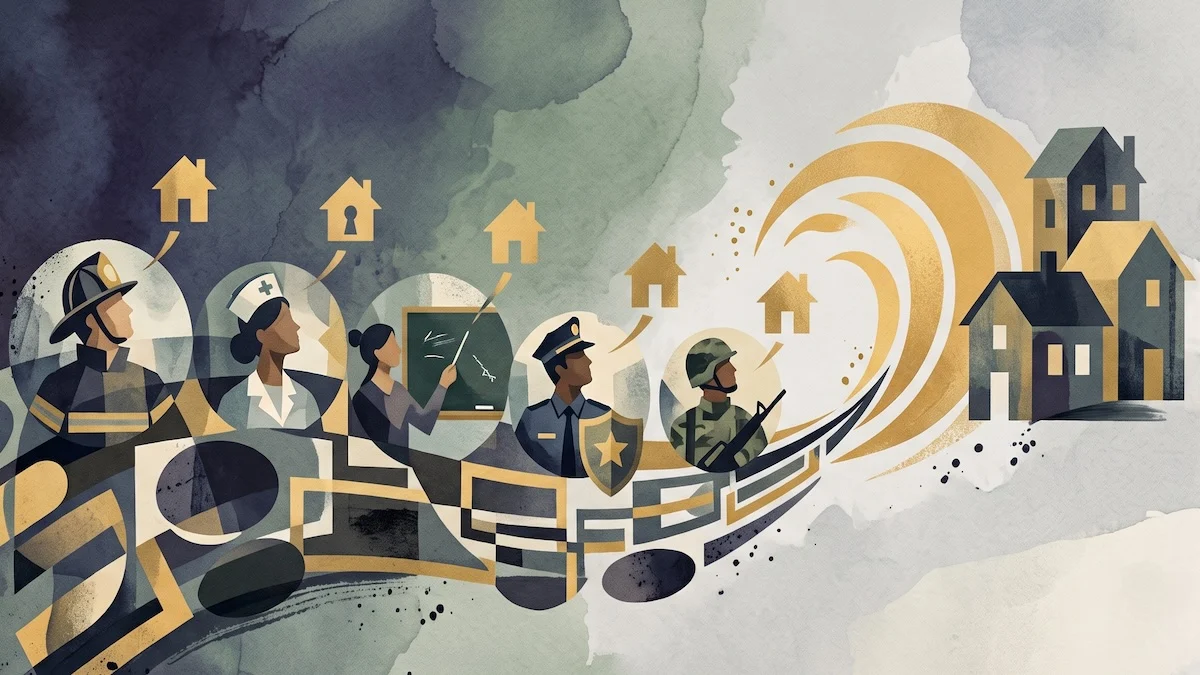
Today, the program encompasses a wide spectrum of professionals. The eligibility criteria include firefighters and Emergency Medical Services (EMS) personnel, law enforcement officers, active-duty military members and veterans, healthcare professionals, and educators. By including such a broad range of "heroes," the organization addresses the "missing middle" of the housing market—essential workers who earn too much to qualify for traditional low-income housing assistance but not enough to comfortably afford homes in the communities they serve.
The Financial Mechanics of Giving: How the Program Functions
Homes for Heroes operates on a unique business model that provides direct financial benefits to buyers and sellers without interfering with traditional down payment assistance or mortgage regulations. The primary mechanism is the Hero Reward, a check sent to the participant after the closing of a real estate transaction.
According to data provided by the organization, the average buyer in the program receives approximately $3,500 back after closing. For those selling a home, the savings are often even more substantial, averaging around $9,000. These funds are typically used by heroes to cover moving expenses, purchase new appliances, or handle immediate home repairs.
The organizational structure also includes a charitable arm: the Homes for Heroes Foundation. A portion of the program’s earnings is diverted to this 501(c)(3) nonprofit, which provides grants to heroes facing acute financial hardship. Earlier this year, the foundation reached its own milestone, surpassing $2 million in total grants distributed. These funds are often used for emergency housing needs, such as preventing foreclosure or providing accessibility modifications for disabled veterans.
Strategic Benefits for the Real Estate Industry
While the primary focus of Homes for Heroes is the beneficiary, the program offers a compelling business case for real estate agents operating in an increasingly volatile market. Amit Kulkarni, who joined the organization earlier this year as interim CEO during Johnson’s planned sabbatical, noted that the program provides an alternative to the "portal wars" that dominate the modern real estate landscape.
For the past 15 years, the industry has shifted toward a heavy reliance on online leads generated by major platforms. Kulkarni argues that this model is often unsustainable and expensive for individual agents. In contrast, Homes for Heroes fosters a referral-based business model. By specializing in service to a specific demographic, agents build deep-rooted connections within their local communities.
The success of this approach is evidenced by the growth of individual affiliates. Johnson cited the example of one agent who has given back more than $2 million of his own commissions to heroes over the course of 14 years. This agent, who began as a single operative within a franchise, has leveraged the program to become a broker-owner of seven different locations. This suggests that the "service-first" model can lead to significant market share and long-term business sustainability by tapping into the loyalty of the hero community.
Strengthening the Local Economy and Community Fabric
The impact of the Homes for Heroes program extends beyond the individual transaction, contributing to what economists call the "multiplier effect" within local economies. When a hero receives a check for several thousand dollars after closing, that money is frequently reinvested in the local community.
"They’re going to go down the street to the local hardware store, buy some hardware store supplies," Kulkarni noted. "The money goes right back into the community to support the businesses that are all around the community."
Furthermore, the program addresses a critical social issue: the displacement of essential workers from the neighborhoods they serve. In many high-cost metropolitan areas, teachers and police officers are forced to live far from their places of employment due to housing costs. By providing financial relief at the point of purchase, Homes for Heroes helps these individuals remain rooted in their service areas, thereby strengthening the social fabric and improving the responsiveness of local services.
Looking Ahead: The Goal of One Billion Dollars
As Homes for Heroes enters its next chapter, its leadership has set ambitious targets for the coming decade. The organization is looking to expand beyond the immediate real estate transaction into what Kulkarni describes as the "whole ecosystem" of homeownership. This includes providing streamlined advice and services for insurance, home maintenance, and financial planning tailored specifically to the needs of busy professionals like teachers and healthcare workers.
Ruth Johnson has articulated a clear financial goal for the organization: reaching $1 billion in total rewards given back to heroes by the year 2030. This would require a significant scaling of the affiliate network and an increase in public awareness of the program.
"It’s an admirable goal to help every hero and thank every hero in the country," Johnson said. "We’re at close to $200 million in 2026. I’d love to get to $1 billion given back by 2030."
The 25th anniversary of 9/11 serves as a reminder of the resilience that can emerge from tragedy. For the leaders of Homes for Heroes, the mission remains as relevant today as it was in the weeks following the attacks. As the real estate industry continues to evolve through technological shifts and economic fluctuations, the organization’s focus remains on the intersection of housing and service—a fundamental human need supported by those who dedicate their lives to the public good.
By bridging the gap between professional real estate services and civic gratitude, Homes for Heroes has created a sustainable model that honors the legacy of 9/11 through continuous, practical action. The next 25 years will likely see the organization further integrate itself into the financial lives of American heroes, moving closer to its vision of ensuring that those who serve our communities can afford to live within them.
