

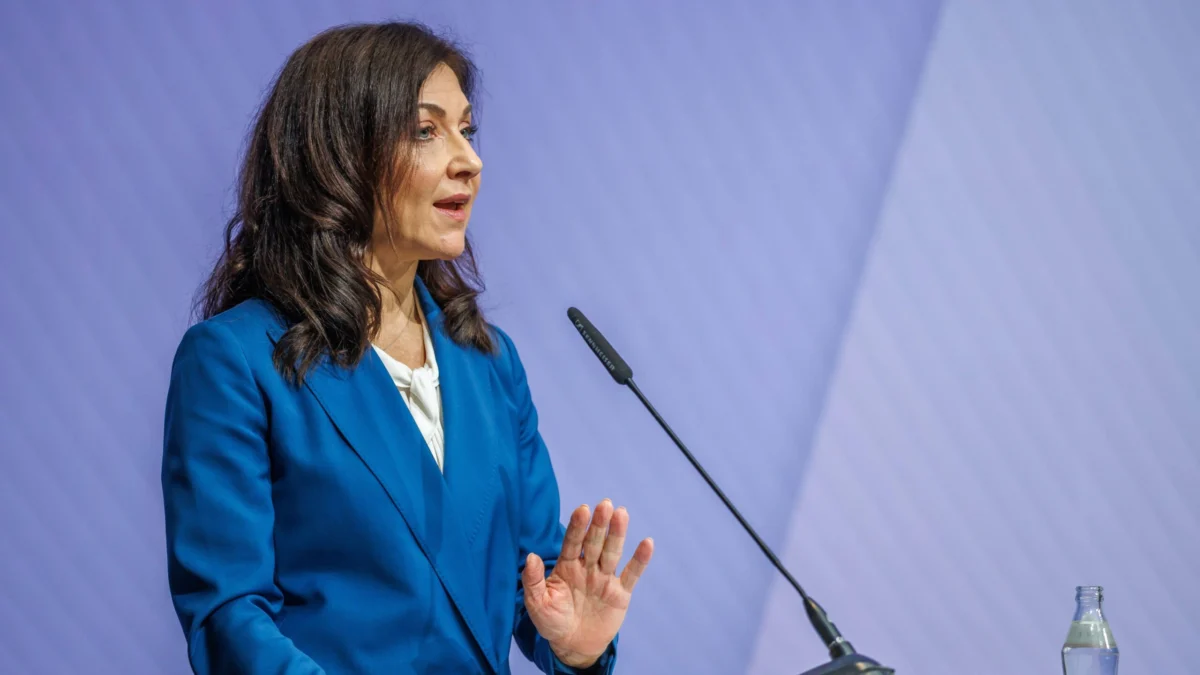
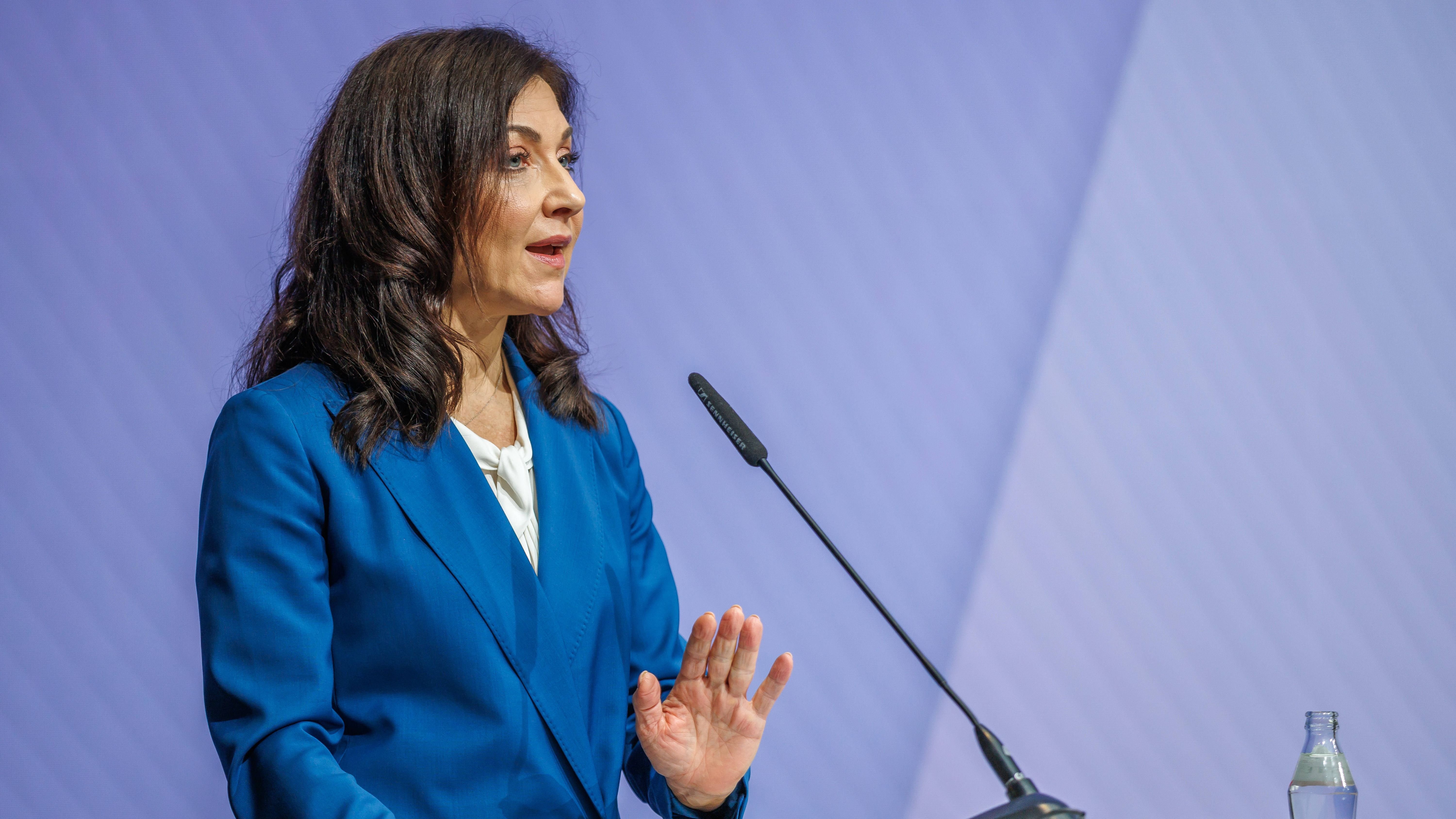
Berlin. German Federal Minister for Economic Affairs and Climate Action, Katherina Reiche (CDU), has directed the federal gas importer, Sefe, to procure natural gas to bolster the nation’s storage levels, a move that signifies a shift in her previous policy of avoiding state intervention in the market. This development, confirmed by Handelsblatt through government sources, aims to prevent a potential gas supply crisis as the country prepares for the coming winter months. Sefe has reportedly already commenced procurement activities, implementing a strategy of gradual purchases to remain under the radar of other market participants, thus ensuring a "minimally invasive and cost-efficient implementation."
Strategic Pivot to Secure Energy Supply
The decision marks a significant pivot for Minister Reiche, who had previously expressed concerns that state-led gas procurement could artificially inflate prices. This initial stance had drawn criticism in recent weeks, even from within her own political party. The current objective is to raise the fill level of Germany’s gas storage facilities to over 70 percent. As of the latest reports, these levels are hovering just below 56 percent, though a slight increase has been observed in recent days. Industry representatives have reacted positively to the news, with one anonymous gas industry manager stating, "I find it right." This affirmation underscores the perceived urgency and importance of securing the nation’s energy reserves.
Background: The Energy Landscape and Storage Imperatives
Germany, like much of Europe, has been navigating a complex energy landscape shaped significantly by geopolitical events, particularly the ongoing conflict in Ukraine and its impact on Russian gas supplies. The country has been actively diversifying its energy sources and implementing measures to reduce its reliance on traditional suppliers. Gas storage facilities play a crucial role in this strategy, acting as a buffer to ensure a stable supply during periods of high demand, especially during the cold winter months. A low fill level in these storages poses a significant risk of supply shortages and potential price spikes, impacting households and industries alike.

Historically, Germany has relied heavily on natural gas for heating, industrial processes, and electricity generation. The disruption of Russian gas flows necessitated a rapid and strategic response to secure alternative supplies and ensure energy security. This included accelerating the construction of liquefied natural gas (LNG) terminals and securing contracts with new suppliers. However, the physical limitations of storage capacity and the economics of gas procurement remain critical considerations.
Timeline of Events and Policy Evolution
The shift in Minister Reiche’s approach can be understood within the context of evolving energy market conditions and increasing political pressure.
- Previous Stance: For an extended period, Minister Reiche and the German government had emphasized market-driven solutions for gas procurement, believing that direct state intervention could distort prices and lead to inefficiencies. This approach was rooted in a commitment to free-market principles and a desire to avoid overburdening consumers with excessive energy costs.
- Growing Concerns: As the energy situation remained volatile and the prospect of a cold winter loomed, concerns about the adequacy of current storage levels intensified. Reports of declining gas flows and the potential for further supply disruptions fueled anxieties about energy security.
- Criticism and Reassessment: The government faced mounting criticism from various stakeholders, including industry associations, environmental groups advocating for energy transition, and political opposition, who argued that the existing strategy was insufficient to guarantee a secure energy supply. This pressure likely prompted a reassessment of the government’s approach.
- The Decision to Intervene: The directive to Sefe to purchase gas represents a tangible shift. This decision suggests that the perceived risks of inaction – namely, a severe energy shortage and economic disruption – now outweigh the potential drawbacks of market intervention, such as price distortions.
Supporting Data and Current Status
The current fill level of German gas storage facilities is a critical metric in assessing the nation’s energy security. While the exact real-time figures fluctuate, recent reports indicate a level around 56 percent. The target of over 70 percent is ambitious and crucial for navigating the winter. To put this into perspective, European Union regulations have set targets for member states, often aiming for storage levels around 80-90% by November 1st. Germany’s current position highlights the urgency of the procurement efforts.
The procurement strategy by Sefe is described as "small steps," indicating a deliberate attempt to avoid sudden market movements that could alert competitors and drive up prices. This implies a sophisticated procurement operation, likely involving a combination of spot market purchases and longer-term contracts, carefully timed to maximize efficiency and minimize cost. The bundeseigene (federally owned) nature of Sefe provides the government with a degree of control and flexibility in executing such strategies, which might not be available to purely private entities.

Official Responses and Stakeholder Reactions
While Minister Reiche’s office has not issued a detailed public statement beyond the confirmation of the directive to Sefe, the underlying rationale is clear: safeguarding the nation’s energy supply. The involvement of Sefe, a company that played a pivotal role in managing gas supplies after the reduction of Russian imports, underscores the strategic importance of this initiative.
The positive reaction from the anonymous industry manager suggests a broader consensus within the energy sector regarding the necessity of this intervention. For years, the industry has advocated for robust storage levels as a cornerstone of energy security. The shift in policy, while perhaps late for some, is likely seen as a pragmatic step toward mitigating potential risks.

Broader Impact and Implications
This decision has several significant implications for Germany’s energy policy and its economic stability:
- Energy Security: The primary implication is the enhanced security of Germany’s gas supply for the upcoming winter. By actively filling storage facilities, the country reduces its vulnerability to supply disruptions and extreme weather events.
- Market Dynamics: While the procurement is intended to be discreet, large-scale purchases by a major importer can still influence global gas prices. However, the "minimally invasive" approach aims to mitigate this impact. The success of this strategy will be closely watched by other European nations facing similar challenges.
- Economic Stability: A secure gas supply is vital for the German economy, which relies heavily on natural gas for industrial production and heating. Preventing shortages and extreme price volatility is crucial for maintaining economic competitiveness and preventing widespread hardship.
- Energy Transition: While this intervention addresses immediate supply concerns, it also intersects with Germany’s long-term energy transition goals. The focus on gas procurement is a short-to-medium-term measure to ensure stability while the country continues to invest in renewable energy sources and energy efficiency. The challenge lies in balancing these immediate needs with the ambitious climate targets.
- Political Ramifications: Minister Reiche’s policy reversal could be interpreted in various ways. It demonstrates a willingness to adapt to changing circumstances and respond to public and political pressure. It also highlights the complex trade-offs involved in energy policy, where economic considerations, geopolitical realities, and environmental objectives must be carefully balanced.
The move to accelerate gas storage filling is a clear signal that Germany is prioritizing energy security above all else as it navigates an uncertain energy future. The effectiveness of this strategic intervention will be a key factor in determining the nation’s resilience through the winter and beyond. The ongoing monitoring of storage levels, procurement volumes, and market reactions will be crucial in assessing the success of this policy shift.
