

GE Vernova has officially entered into a definitive agreement to acquire Trench Group, a prominent global manufacturer of high-voltage grid components, from the investment firm Triton Partners. The transaction, valued at approximately $9 billion, represents a significant move by GE Vernova to consolidate its position within the rapidly expanding electrification sector. By integrating Trench Group’s specialized product lines into its existing operations, GE Vernova aims to enhance its vertical capabilities across its two largest electrification segments: grid systems integration and power transmission. This acquisition comes at a pivotal moment as global utilities and industrial giants grapple with an unprecedented surge in demand for electricity, often referred to by industry leaders as the "electricity supercycle."
The acquisition is structured as a $9 billion purchase, which GE Vernova expects to fund through an equal combination of cash on hand and new debt. While the agreement has been signed, the finalization of the deal is projected for late 2027. This timeline accounts for the necessary regulatory approvals across multiple jurisdictions and the required consultations with employee representatives, particularly in European regions where such labor discussions are a legal prerequisite for major industrial shifts.
Strategic Alignment and the Electrification Supercycle
The rationale behind the acquisition is rooted in the current transformation of the global energy landscape. As the world shifts toward renewable energy sources and the electrification of transportation and heating, the physical infrastructure of the power grid requires massive upgrades. GE Vernova’s CEO, Scott Strazik, highlighted that Trench Group’s differentiated high-voltage technology is a "key enabler" for the modernized and resilient grid systems necessary to support this transition.
Trench Group brings to the table over 130 years of engineering expertise. The company is a critical supplier for high-voltage direct current (HVDC) lines, which are essential for transporting electricity over long distances with minimal loss—a requirement for connecting remote wind and solar farms to urban centers. Trench’s portfolio includes high- and medium-voltage bushings, instrument transformers, and coils, components that are found in the majority of HVDC projects currently operational or under construction worldwide.
By bringing these manufacturing capabilities in-house, GE Vernova can better manage its supply chain, reducing lead times for critical grid components that have seen significant bottlenecks in recent years. The move also allows GE Vernova to capture a larger share of the value chain in massive infrastructure projects, moving from a system integrator to a primary component manufacturer.
Operational Footprint and Technological Synergy
Trench Group operates a sophisticated manufacturing network that includes 11 sites across North America, Europe, and Asia, supported by a workforce of more than 3,000 employees. The company serves a diverse client base of more than 800 global utilities and "hyperscalers"—large-scale data center operators such as Amazon, Google, and Microsoft—who require immense amounts of stable power to run AI-driven workloads.
One of the primary drivers of the acquisition’s value is the potential for synergy in manufacturing processes. GE Vernova intends to leverage its existing expertise in automation, robotics, and artificial intelligence to enhance Trench’s production lines. Conversely, Trench’s specialized knowledge in resin-impregnated paper (RIP) and resin-impregnated synthetic (RIS) technologies will be integrated into GE Vernova’s broader electrification strategy. These dry-type insulation technologies are increasingly preferred over traditional oil-insulated components due to their lower environmental risk and reduced maintenance requirements.
Dr. Bahadir Basdere, President and CEO of Trench Group, noted that joining GE Vernova would provide the group with the global scale and customer relationships necessary to reach more market participants. He emphasized that the combination would allow the team to better serve the "unrelenting demand" for high-voltage components that the energy transition demands.
Expansion in North America and the Charlotte Facility
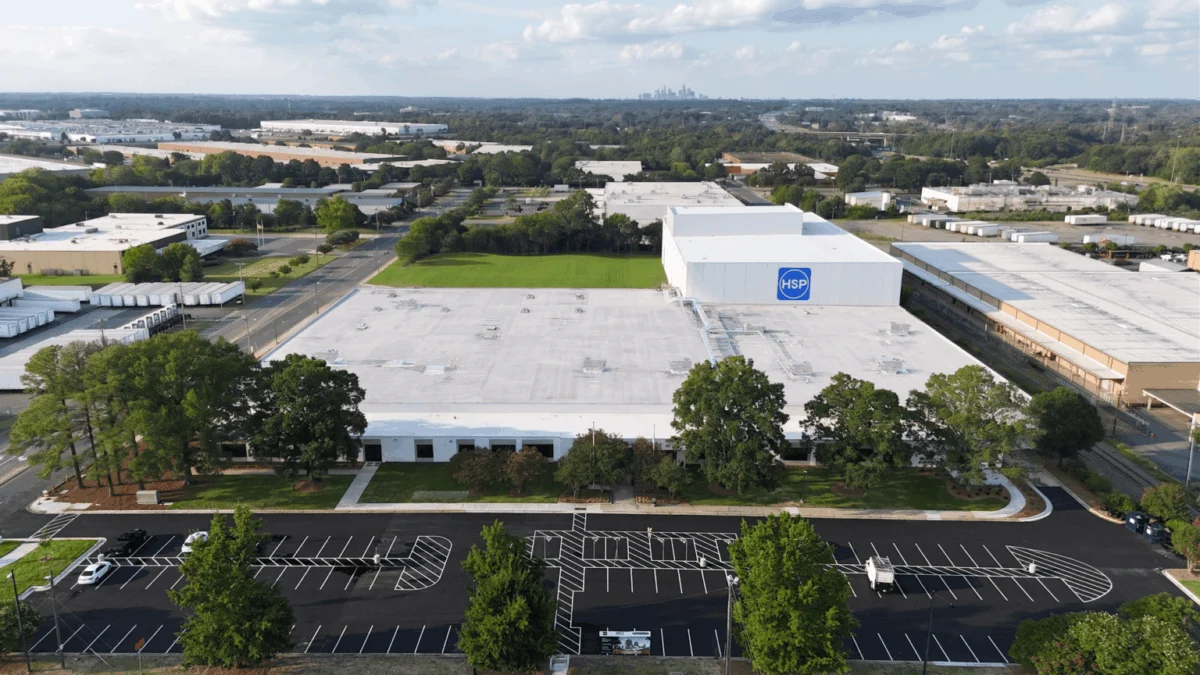
A cornerstone of this acquisition is the strengthening of GE Vernova’s domestic manufacturing presence in the United States. Earlier in 2026, HSP US, a subsidiary of Trench Group, inaugurated a state-of-the-art manufacturing facility in Charlotte, North Carolina. This facility represented a $60 million investment and was designed to address the critical shortage of high-voltage transformer bushings in the North American market.

The Charlotte plant is capable of producing bushings ranging from 25kV to 765kV. The inclusion of 765kV capability is particularly noteworthy, as this voltage level is standard for the "backbone" transmission lines that form the core of the U.S. power grid. Production of 765kV equipment at this site is expected to ramp up significantly by late 2027, aligning with the expected closing of the GE Vernova acquisition.
The strategic importance of the Charlotte facility cannot be overstated. Since 2024, order intake for grid components in the North American market has increased by nearly 400%. Currently, North America accounts for approximately 50% of Trench Group’s total global order intake. By acquiring these assets, GE Vernova positions itself as a leader in "Made in America" grid infrastructure, a status that is increasingly valuable given current federal incentives for domestic energy production and supply chain security.
Financial Context and Market Dynamics
The $9 billion price tag reflects the high premium currently placed on grid infrastructure assets. Under the ownership of Triton Partners, Trench Group underwent a period of operational refinement and geographic expansion that made it an attractive target for a strategic buyer like GE Vernova. Triton Partners originally acquired Trench Group with the intent of capitalizing on the energy transition, and the sale to GE Vernova represents a successful exit that aligns the asset with a long-term industrial operator.
The decision to fund the acquisition through a 50/50 split of cash and debt indicates GE Vernova’s confidence in its balance sheet and future cash flows. Since its spin-off as an independent company, GE Vernova has focused on streamlining its operations to prioritize high-growth sectors within the energy industry. The electrification segment has emerged as a primary engine of growth, bolstered by government policies such as the Inflation Reduction Act (IRA) in the United States and similar green energy initiatives in the European Union.
Broader Implications for the Global Power Grid
The merger of GE Vernova and Trench Group is expected to have far-reaching implications for the global utility sector. As grids become more complex with the integration of intermittent renewables and bidirectional power flows (from residential solar and electric vehicles), the reliability of instrument transformers and bushings becomes paramount. These components are responsible for monitoring power quality and protecting expensive grid assets from surges and failures.
Furthermore, the acquisition addresses the "capacity crunch" facing the utility industry. Many utilities have reported lead times for transformers and related components stretching into years, delaying critical decarbonization projects. The combined entity’s expanded manufacturing footprint and streamlined supply chain are expected to provide some relief to these timelines, offering a more integrated "one-stop-shop" for grid operators.
Industry analysts suggest that this deal may trigger further consolidation in the electrical equipment sector. As the demand for electricity continues to rise—driven by the expansion of AI data centers, which require massive, stable power connections—companies that can provide end-to-end grid solutions will hold a significant competitive advantage.
Timeline Toward Completion
The path to the late 2027 closing involves several critical milestones:
- Regulatory Review: The deal will undergo scrutiny from antitrust authorities in the U.S., EU, and China to ensure that the vertical integration does not unfairly stifle competition in the grid component market.
- Labor Consultations: In accordance with European labor laws, GE Vernova and Trench Group will engage with work councils and employee representatives to discuss the transition and future operational plans.
- Facility Integration: Even before the official close, GE Vernova is expected to begin preliminary planning for the integration of Trench’s 11 manufacturing sites into its global operations network.
- Scaling Charlotte: The Charlotte, North Carolina facility will continue its ramp-up, with the goal of hitting full production capacity for 765kV equipment to coincide with the change in ownership.
As the energy sector moves toward the end of the decade, the integration of Trench Group into GE Vernova is poised to be a defining event in the build-out of the 21st-century power grid. By combining 130 years of specialized component expertise with GE Vernova’s global scale and digital capabilities, the combined company aims to provide the foundational technology required to meet the world’s escalating appetite for clean, reliable electricity.
