

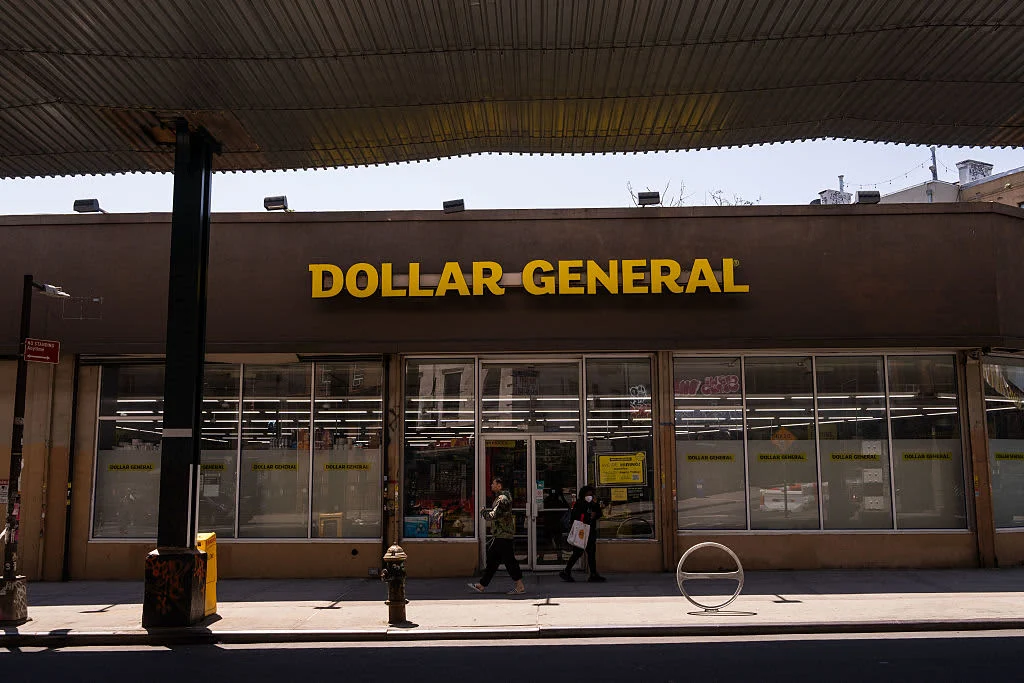
The sweeping complaint, lodged in federal court, alleges that thousands of Dollar General store locations across the United States have engaged in a pervasive pattern of deceptive pricing practices. Specifically, the lawsuit contends that the retailer consistently charges consumers higher prices at the checkout register than those advertised on store shelves, price tags, and in promotional materials. This alleged discrepancy, the FTC and state partners argue, has allowed Dollar General to unfairly profit from its customer base, many of whom rely on the chain for essential goods at affordable prices, particularly amidst ongoing economic pressures and elevated inflation.
Unpacking the Allegations: A Systemic Issue of Overcharging
The core of the lawsuit hinges on the claim that Dollar General has systematically failed to implement adequate safeguards to ensure price accuracy. This failure, according to the complaint, is not merely a series of isolated incidents but rather a widespread and deeply entrenched operational flaw. The FTC and the coalition of states assert that despite receiving "tens of thousands" of consumer complaints detailing these overcharges, Dollar General has purportedly neglected to institute effective policies and procedures to rectify the problem. This alleged inaction, even in the face of extensive customer feedback, forms a critical component of the accusation that the company has knowingly permitted, or at least failed to prevent, illicit financial gains at the expense of its patrons.
Christopher Mufarrige, director of the FTC’s Bureau of Consumer Protection, articulated the commission’s strong stance on the matter, stating, "Dollar General has betrayed the trust of millions of American consumers and imposed significant financial harm on communities and consumers who are already struggling to make their paychecks last." His statement emphasizes the FTC’s view that the alleged practices are not only unlawful but also morally reprehensible, particularly given Dollar General’s target demographic which often includes low-income households and individuals in rural areas with limited retail options.
The Retail Giant’s Footprint and Customer Base
Dollar General operates a vast network of over 19,000 stores across 47 states, making it one of the largest discount retailers in the country. Its business model is largely predicated on offering everyday necessities—ranging from groceries and household goods to health and beauty products—at competitive prices. Many of its stores are strategically located in underserved rural communities and urban areas where access to larger supermarkets or big-box retailers is limited. This market positioning means that Dollar General often serves as a primary, if not sole, shopping destination for millions of Americans, many of whom are on fixed incomes or working within tight household budgets. For these consumers, even small price discrepancies can have a disproportionate impact on their ability to afford essential items, directly affecting their household finances and overall quality of life. The perceived value and trustworthiness of a discount retailer are paramount to its brand identity and customer loyalty, making these allegations particularly damaging.
A Broad Coalition: The States Joining the Fight
The lawsuit represents a significant coordinated effort between federal and state consumer protection agencies. The formidable coalition of 20 states joining the FTC includes Alabama, Arizona, Arkansas, California, Connecticut, Florida, Illinois, Iowa, Kansas, Louisiana, Michigan, Mississippi, Nebraska, New Jersey, North Carolina, Ohio, Oklahoma, Tennessee, Utah, and Wisconsin. This widespread participation underscores the national scope of the alleged problem and the unified resolve among state attorneys general to protect their constituents from deceptive business practices. Many of these states have their own robust consumer protection statutes, and their collective action amplifies the legal pressure on Dollar General, signaling a comprehensive governmental commitment to addressing the issue. The involvement of such a diverse group of states from various regions of the country suggests that the problem of price inaccuracies at Dollar General stores is not geographically isolated but rather a pervasive operational challenge across its extensive network.
A Chronology of Concerns and Regulatory Scrutiny
While the immediate lawsuit was filed on a recent Monday, the issues underlying these allegations have been simmering for several years. Consumer complaints regarding price discrepancies at Dollar General stores are not new. Reports from local news outlets and consumer advocacy groups across various states have highlighted instances of checkout overcharges for at least the past three to five years. These anecdotal reports, often featuring frustrated shoppers holding receipts demonstrating price mismatches, likely formed the initial groundwork for broader investigations.
- Pre-2022: Isolated consumer complaints begin to surface more frequently, often reported to local consumer protection agencies or media outlets.
- Late 2022: State attorneys general in several states, including Ohio and Alabama, initiated their own investigations and, in some cases, filed lawsuits against Dollar General for similar pricing inaccuracies. For instance, Ohio Attorney General Dave Yost sued Dollar General in November 2022, alleging "bait-and-switch" pricing tactics. These state-level actions indicated a growing awareness and concern among regulators.
- Early 2023: The accumulation of individual state actions and escalating consumer complaints likely prompted the Federal Trade Commission to initiate its own comprehensive investigation, coordinating with various state offices to gather evidence and assess the scope of the alleged misconduct.
- Ongoing through 2023-2024: Investigative efforts intensified, involving data analysis of pricing systems, review of internal company documents, and further collection of consumer testimonies to build a robust case for a federal filing.
- Recent Monday (Lawsuit Filing): The FTC, in conjunction with the 20 state attorneys general, formally filed the comprehensive lawsuit, bringing the multi-year scrutiny to a head in federal court.
This chronology illustrates a pattern of escalating concern, moving from individual consumer grievances to state-level enforcement and culminating in a sweeping federal action, signaling a significant regulatory push against practices deemed predatory.
The Economic Backdrop: Inflation and Consumer Vulnerability
The timing of this lawsuit is particularly salient given the current economic climate. American consumers have been grappling with persistently elevated inflation, especially concerning essential goods like food and fuel, for the past several years. This economic pressure has forced many households, particularly those with lower incomes, to tighten their budgets and seek out the most affordable options for their daily needs. Discount retailers like Dollar General have consequently seen increased foot traffic as consumers stretch their dollars further.
In this environment, even minor overcharges can significantly impact a family’s budget. A few cents added to multiple items over several shopping trips can quickly accumulate to substantial amounts, effectively eroding the savings that consumers believe they are achieving by shopping at a discount store. This vulnerability of the customer base is a central theme in the FTC’s complaint, which highlights how Dollar General allegedly "taken advantage of vulnerable shoppers by extracting millions of dollars in unlawful overcharges with insufficient safeguards to prevent the practice." The lawsuit thus casts a spotlight on corporate responsibility during periods of economic strain, questioning whether retailers are adequately protecting their most financially sensitive customers.
Dollar General’s Potential Response and the Road Ahead
As of the immediate announcement, Dollar General did not provide an official statement in response to the lawsuit. However, in previous instances of similar allegations at the state level, the company has typically responded by asserting its commitment to price accuracy and customer satisfaction, often attributing discrepancies to human error or technical glitches in its complex pricing systems. Given the scale of this federal lawsuit and the involvement of 20 states, Dollar General’s legal team is expected to mount a robust defense.
Potential arguments from Dollar General could include:
- Operational Scale Challenges: Highlighting the immense logistical challenge of managing pricing accuracy across nearly 20,000 stores, thousands of employees, and a constantly rotating inventory of millions of products.
- Technical Explanations: Attributing discrepancies to temporary system errors, scanner malfunctions, or delays in updating digital price files to reflect promotional changes.
- Employee Training Issues: Suggesting that some errors may stem from individual employee mistakes rather than systemic company policy.
- Commitment to Resolution: Emphasizing any internal measures already being taken to address pricing accuracy, such as enhanced training, technology upgrades, or increased internal audits, even if these efforts are deemed "insufficient" by regulators.
The legal process will likely be protracted, involving extensive discovery, potentially expert testimonies, and negotiations. The FTC and state plaintiffs will seek not only financial penalties and restitution for affected consumers but also a court order requiring Dollar General to implement comprehensive, independently verifiable systems to ensure price accuracy moving forward.
Broader Implications for Retail and Consumer Protection
This lawsuit carries significant implications beyond Dollar General itself. For the broader retail industry, it serves as a stark reminder of the critical importance of transparent and accurate pricing, particularly for discount chains that cater to budget-conscious consumers. Other retailers, especially those with large footprints and rapid inventory turnover, may face increased scrutiny from consumer protection agencies and may proactively review their own pricing accuracy protocols to avoid similar legal challenges.
For consumer protection, the case underscores the FTC’s ongoing commitment to combating deceptive trade practices and protecting vulnerable populations. It signals that federal and state regulators are prepared to leverage their combined enforcement power to hold large corporations accountable for practices that erode consumer trust and financial well-being. The success of this multi-state, federal lawsuit could set a powerful precedent for future enforcement actions against other retailers accused of similar pricing inaccuracies.
Moreover, the lawsuit’s emergence shortly before midterm elections adds a political dimension. Officials across the political spectrum are often keen to demonstrate their efforts to protect consumers from high costs, particularly when inflation is a top concern for voters. This high-profile action against a major retailer can be framed as a tangible step taken by government agencies to address consumer financial burdens and ensure fairness in the marketplace. The outcome of this case will undoubtedly shape future regulatory approaches to retail pricing and consumer safeguards, reinforcing the principle that advertised prices must accurately reflect the cost at checkout, especially for those who can least afford to be overcharged.
