

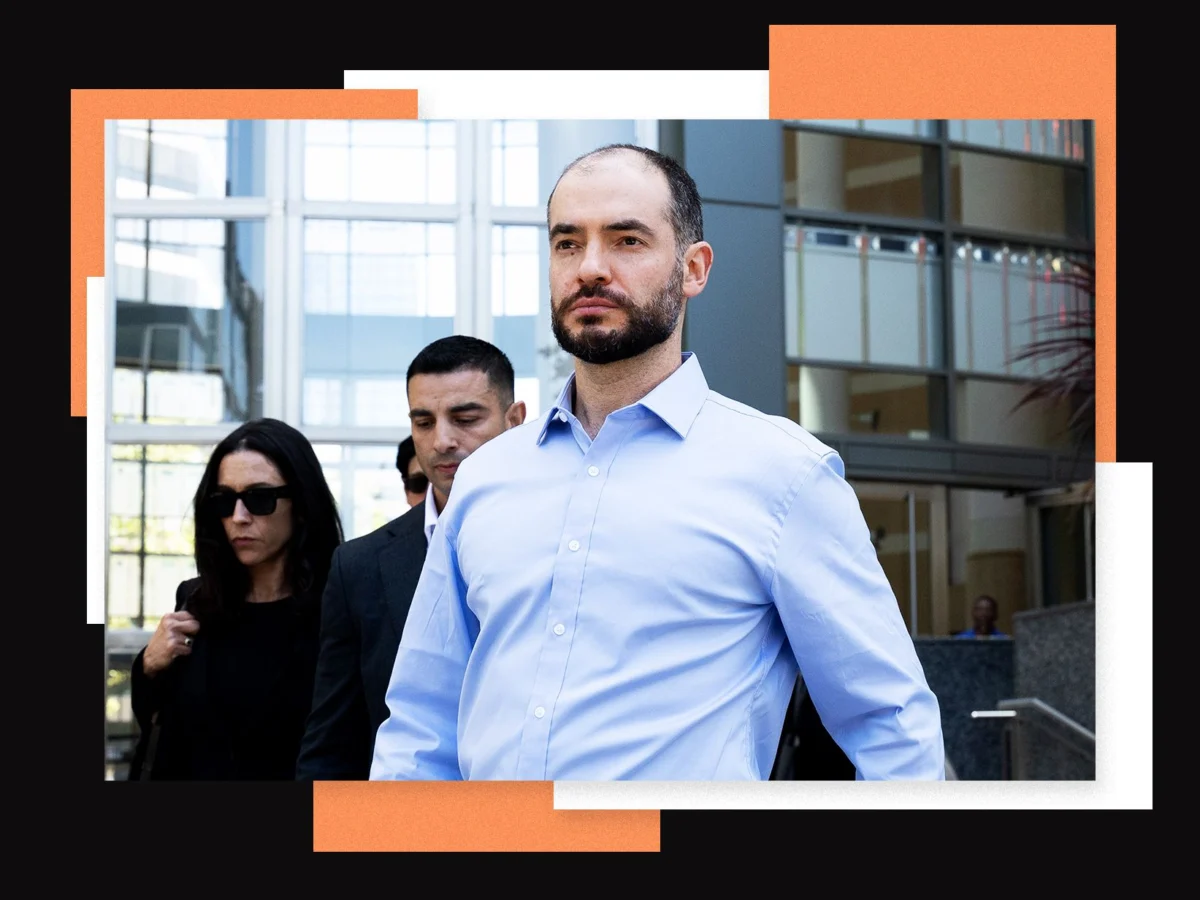
The high-stakes legal battle initiated by Elon Musk against OpenAI and its powerful partner Microsoft has entered its climactic phase, with pivotal testimonies from some of the most influential figures in the artificial intelligence landscape. Microsoft CEO Satya Nadella, former OpenAI Chief Scientist Ilya Sutskever, and current OpenAI Chairman Bret Taylor took the stand on Monday, offering crucial insights into the internal dynamics and strategic decisions that have defined the trajectory of the groundbreaking AI organization.
At the heart of the legal dispute lies Musk’s assertion that OpenAI, which he co-founded, has deviated from its original non-profit mission and has been transformed into a profit-driven entity by Sam Altman and Microsoft, in violation of founding principles. The testimony of these key witnesses is expected to significantly shape the jury’s understanding of these complex allegations.
Ilya Sutskever’s testimony, in particular, commanded significant attention. He revealed his substantial ownership stake in OpenAI’s for-profit arm, estimated to be worth approximately $7 billion. This revelation positions Sutskever as one of the largest known individual shareholders in the company, underscoring his deep personal investment in its success. Earlier in the proceedings, OpenAI President Greg Brockman had disclosed his own considerable holdings, acknowledging a stake valued at around $30 billion.
A History of Collaboration and Conflict
The intertwined histories of Brockman and Sutskever are central to understanding the internal tensions that have surfaced. Brockman, one of OpenAI’s original co-founders, recounted their close working relationship, describing them as "joined at the hip." Sutskever joined OpenAI shortly after its inception, famously turning down a lucrative $6 million annual compensation package from Google to pursue the ambitious goals of the nascent AI lab.
This deep bond, however, fractured during the tumultuous events of November 2023, when Sam Altman was briefly ousted as OpenAI CEO. Sutskever played a critical role in this episode, reportedly assisting in the collection of evidence to support allegations of deception against Altman and even contributing to a memo to the board outlining concerns. Although attempts were made to mend the rift, a lawyer representing OpenAI stated on Monday that Sutskever has remained estranged from both Brockman and Altman since the incident.
Sutskever’s demeanor on the stand, appearing somewhat dejected and foregoing a suit jacket, hinted at his personal anguish over his current detachment from OpenAI. Having departed the company in 2024 to establish a rival AI lab, he expressed a profound sense of ownership and care for OpenAI, stating, "I felt a great deal of ownership of OpenAI. I felt like I put my life into it, and I simply cared for it, and I didn’t want it to be destroyed."
Sutskever’s Dual Role: Bolstering Musk and Supporting OpenAI’s Defense
Sutskever’s testimony presented a complex picture, offering arguments that could potentially support both Musk’s claims and OpenAI’s defense. He corroborated Musk’s contention that Altman might not be the ideal leader for an organization pursuing artificial general intelligence (AGI), a goal that necessitates extreme caution and ethical considerations. Sutskever highlighted the paramount importance of the "superalignment team" he co-led, which was dedicated to ensuring the safety of future AI models. This team, which he described as undertaking the most critical "long-term" work at OpenAI, was unfortunately disbanded in May 2024, shortly after his departure.
Conversely, Sutskever also provided testimony that bolstered OpenAI’s defense against Musk’s central accusation: that Altman and Brockman violated promises made to Musk regarding the non-profit’s mission by aggressively pursuing a lucrative for-profit model. Sutskever stated that Musk never negotiated specific promises that would restrict this evolution. He explained that OpenAI’s ambitious goals, particularly the development of computing power comparable to the human brain, required substantial financial resources. While the organization initially relied on donations with "reasonable success," the transition to a for-profit structure was ultimately a consensus decision to secure the necessary funding.
When questioned by U.S. District Judge Yvonne Gonzalez Rogers about the impact of increased computing power, Sutskever used a striking analogy: "I would describe it as the difference between an ant and a cat. If there’s no funding, there is no big computer." This statement underscored the pragmatic necessity of substantial capital investment for achieving OpenAI’s monumental objectives.
Despite his prominent status as an AI scientist and an artist in his spare time, Sutskever’s hour-long testimony was marked by a noticeable lack of eye contact, suggesting a difficult and emotionally charged experience. Musk’s legal team had attempted to have Sutskever declared a hostile witness due to his significant financial stake, but Judge Gonzalez Rogers ultimately granted attorneys for both sides greater latitude in their questioning, acknowledging Sutskever’s "unique position" in the case.
The November 2023 "Blip": A Moment of Crisis
A significant portion of Monday’s proceedings focused on the widely reported events of November 2023, when Sam Altman was unexpectedly removed as CEO and subsequently reinstated. Microsoft CEO Satya Nadella characterized the board’s decision to fire Altman as "amateur city," reiterating his confusion regarding the lack of transparency that precipitated the action. Nadella also disclosed that discussions had taken place regarding 14 potential board members who would be appointed if Altman returned, with Microsoft vetoing at least two candidates and one eventually joining the board. Nadella framed Microsoft’s involvement as offering suggestions rather than directives.
Sutskever explained his support for Altman’s dismissal by citing the need for an environment where executives possess accurate information, stating that such a situation is "not conducive to reach any grand goal." However, he also criticized his fellow board members for their hasty decision-making, their perceived lack of experience, and their acceptance of "legal advice that wasn’t very good."
Microsoft’s Strategic Investment: A Calculated Risk
Musk’s lawsuit contends that Microsoft actively facilitated OpenAI’s transformation into a profit-maximizing entity, exceeding Musk’s initial vision. Nadella testified that Microsoft’s initial support for OpenAI came in the form of heavily discounted cloud computing services. However, as OpenAI’s computational needs grew exponentially, Microsoft’s ability to sustain such support diminished. The establishment of a for-profit arm, which allowed Microsoft to invest capital in exchange for potential financial returns, became a more viable partnership model.
As the financial demands escalated, Microsoft sought a more robust return on its investment and greater influence. In a 2022 email to his lieutenants, Nadella expressed concern over significant financial losses, stating, "Microsoft will lose 4 bil next year!!!" He advocated for a revised agreement that would ensure Microsoft also acquired AI "know-how" from OpenAI, which he consistently referred to as "Open AI" in his correspondence.
Nadella’s written communication further emphasized the strategic imperative: "If we are going to spend this kind of money and not have control of destiny, it makes no sense." This sentiment highlights Microsoft’s growing concern about its substantial financial commitment without commensurate strategic control.
Musk’s legal team presented text messages from early 2023, indicating Nadella’s urging of Altman to accelerate the monetization of ChatGPT. Nadella’s messages, such as "sooner is best" regarding paid subscriptions and subsequent inquiries about signup numbers, suggest a proactive push from Microsoft for OpenAI to generate revenue.
The partnership has proven exceptionally beneficial for Microsoft. As of March 2025, Microsoft had reportedly generated $9.5 billion in sales attributed to its OpenAI collaboration, including a revenue-sharing agreement where OpenAI cedes 20 percent of its income to the tech giant. Furthermore, Microsoft stands to gain a larger share of potential future profits compared to OpenAI’s non-profit owner, a structure Nadella defended as equitable given the significant risks Microsoft undertook in the early stages of the partnership. He argued that if OpenAI were a standard corporation, Microsoft’s claim on profits would be even more substantial.
OpenAI Chairman’s Endorsement of Altman
Concluding the day’s proceedings, OpenAI Chairman Bret Taylor offered a strong endorsement of Sam Altman. Taylor highlighted that Altman had recused himself from approving a significant content and technology deal with Reddit in 2024, a company in which Altman holds a personal stake. However, Taylor noted Altman’s crucial role in de-escalating tensions during negotiations with Reddit when the prospect of legal action loomed. "He’s been forthright with me and the other board members and grown OpenAI in ways that have exceeded my expectations," Taylor stated.
Sam Altman is scheduled to present his account of events to the jury on Tuesday, a testimony that is expected to further illuminate the complex narrative of OpenAI’s founding, growth, and internal conflicts.
This report is an edition of Maxwell Zeff’s Model Behavior newsletter. Previous newsletters can be accessed via the provided links.
