

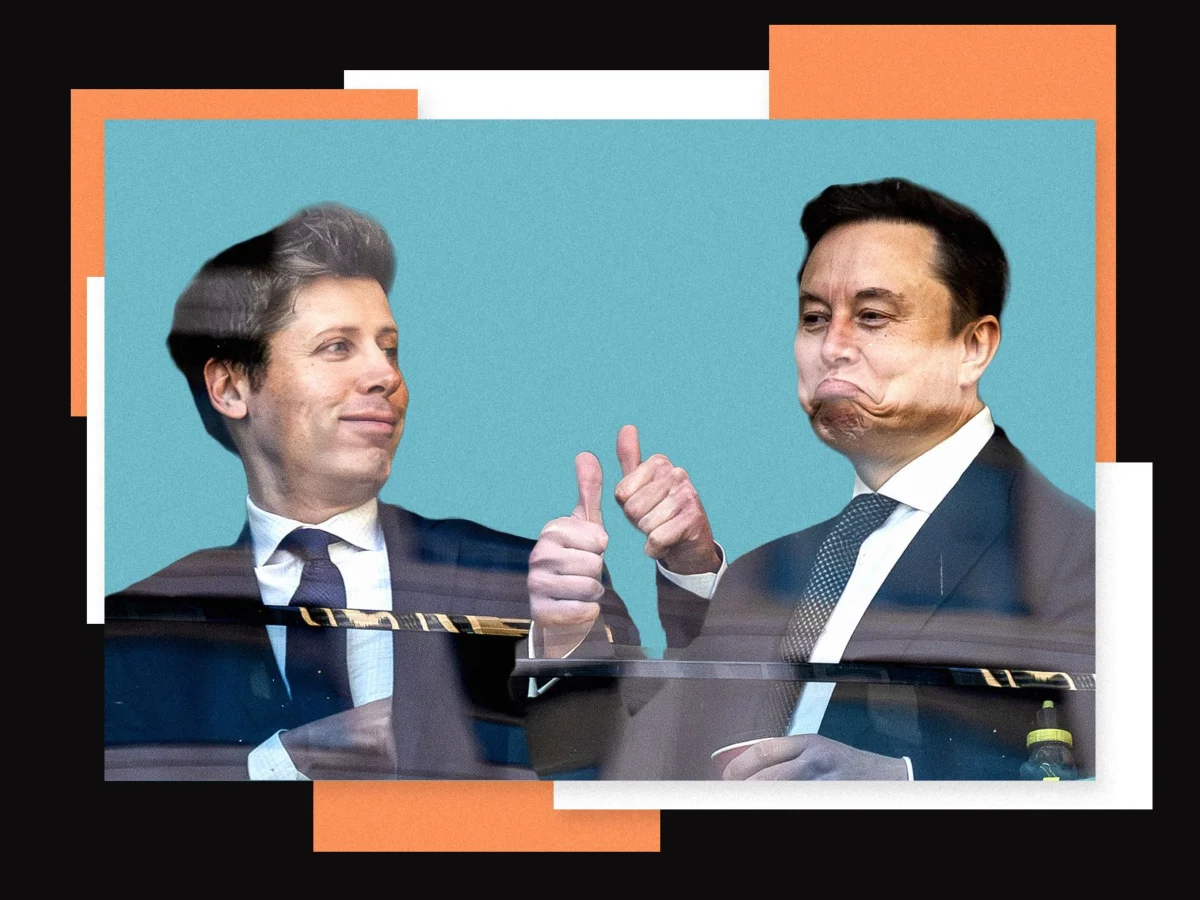
In a significant blow to Elon Musk’s legal crusade against OpenAI and its leadership, a federal jury and a judge have definitively ruled that his claims were filed beyond the permissible time limits. This decision effectively halts Musk’s ambitious legal challenge, which sought to compel the artificial intelligence powerhouse and its top executives, Sam Altman and Greg Brockman, to adhere to the original nonprofit mission of the organization. U.S. District Judge Yvonne Gonzalez Rogers immediately accepted the jury’s nonbinding recommendation on Monday, rendering the verdict final and concluding a contentious chapter in the ongoing saga of AI development and its founding principles.
The Verdict and Its Immediate Ramifications
The unanimous decision by the nine-member jury, reached after less than two hours of deliberation in an Oakland, California courtroom, centered on the expiration of statutes of limitations. This finding meant the jury did not need to delve into the substantive arguments of Musk’s lawsuit, which was filed in 2024. Musk had alleged that Altman and Brockman, with substantial financial backing from Microsoft, had transformed OpenAI into a profit-driven entity far removed from its origins as a non-profit research lab established nearly eleven years prior. Consequently, the jury did not rule on Musk’s core claims of breach of charitable trust, unjust enrichment, and the accusation of aiding and abetting against Microsoft.
Neither Musk nor the OpenAI executives were present in the courtroom when the verdict was delivered. Representing Musk, attorney Marc Toberoff offered a terse, one-word response to reporters: “Appeal.” Attorneys for OpenAI were not immediately available for comment following the ruling. However, William Savitt, counsel for OpenAI, had previously characterized Musk’s lawsuit and the subsequent trial as a “gloriously” staged "pageant of hypocrisy." During the proceedings, Musk was subject to a court order restricting his social media activity, notably his prolific use of X (formerly Twitter), limiting his public commentary on the matter in recent weeks.
A Timeline of the Legal Battle
The roots of this legal dispute trace back to the genesis of OpenAI itself. Founded in December 2015, OpenAI’s initial stated mission was to ensure that artificial general intelligence (AGI) benefits all of humanity. Musk was a co-founder and significant early contributor, alongside Sam Altman, Greg Brockman, Ilya Sutskever, and others. The organization adopted a capped-profit structure, allowing for investment and compensation, but with a commitment to reinvesting profits to further its mission and to eventually return any remaining capital to its original benefactors if the company were ever dissolved.
Tensions between Musk and the OpenAI leadership reportedly began to surface as the company’s trajectory and the pace of its development accelerated, particularly with the increasing influence and investment from Microsoft. Musk publicly voiced concerns about OpenAI’s shift towards a more commercially driven approach and what he perceived as a departure from its founding principles. These disagreements culminated in Musk’s departure from the OpenAI board in February 2018.
The lawsuit, filed in March 2024, marked a dramatic escalation of these long-standing grievances. Musk’s complaint alleged that Altman and Brockman had breached their fiduciary duties and violated the terms of OpenAI’s founding agreement. He sought to force OpenAI to return to its original nonprofit structure and to prevent the company from selling its advanced AI technology to Microsoft. The suit also aimed to invalidate the company’s partnership with Microsoft and to halt any plans to develop AGI that would not benefit humanity.
The trial itself, which commenced shortly before the jury’s verdict, saw testimony from key figures involved in OpenAI’s creation and evolution. While Musk was notably absent for much of the proceedings, his legal team presented arguments attempting to establish a pattern of deceit and deviation from the initial vision. OpenAI’s defense, on the other hand, focused on the evolution of the AI landscape and the necessity of significant capital investment to achieve meaningful progress, a stance implicitly supported by the substantial resources poured in by Microsoft.
The Jury’s Focus: Statutes of Limitations
The jury’s decision to focus solely on the statutes of limitations underscores a critical procedural hurdle that Musk’s legal team failed to overcome. Statutes of limitations are legal time limits within which a lawsuit must be filed, based on when the alleged wrongdoing occurred or was discovered. In this instance, the jury concluded that the events Musk cited as breaches of contract or duty had transpired too long ago for legal action to be initiated under current California law.
This legal defense strategy, often referred to as the “statute of limitations defense,” is a common and potent tool in litigation. It argues that even if a claim has merit, the plaintiff has forfeited their right to sue due to inaction. The jury’s swift agreement with this defense suggests that the timing of Musk’s lawsuit, filed over a decade after the initial founding and several years after key decisions and investments were made, was deemed to be outside the legally prescribed window for such claims.
Broader Implications and Public Perception
Despite the legal victory for OpenAI, the trial has undeniably cast a shadow over the public image of the AI giant and its leadership. Revelations that emerged during the proceedings, particularly concerning the personal wealth of Greg Brockman and allegations regarding Sam Altman’s past conduct, have contributed to a more complex and scrutinized public perception. Both Altman and Brockman were compelled to dedicate significant time away from their executive duties to prepare for and participate in the legal process, including extensive depositions and courtroom testimony.
Elon Musk, in contrast, spent a comparatively shorter period in court, approximately three days, before his appearances ceased. His departure to China for a state visit during the trial’s critical phase drew criticism from OpenAI’s legal team, who viewed it as a strategic absence from the jurisdiction where he initiated the lawsuit. William Savitt, an attorney for OpenAI, remarked on this departure, stating it was a surprise and that Musk, by leaving, was not present in the jurisdiction to face the jurors he had caused to be impaneled.
The lawsuit, beyond its financial and emotional stakes, represented a high-profile clash between two titans of the tech industry. It pitted Musk’s vision of open, decentralized AI development against OpenAI’s increasingly powerful, albeit still mission-aligned, commercial enterprise. The dispute also highlighted the inherent tensions in the rapid evolution of AI – balancing groundbreaking innovation with ethical considerations, corporate governance, and the original intentions of pioneering ventures. Musk’s eleventh-hour attempt to settle the lawsuit just before the trial began was reportedly rebuffed, indicating a deep-seated unwillingness on both sides to compromise.
The Road Ahead: An Appeal and the Future of AI Governance
Marc Toberoff’s immediate declaration of an appeal signals that this legal battle is far from over. The success of an appeal will hinge on identifying specific legal errors made during the trial or in the jury’s instructions. However, overcoming a unanimous jury verdict on a procedural matter like statutes of limitations can be challenging.
This case has broader implications for the governance of AI development. It underscores the complexities of managing rapidly evolving technologies within established legal and ethical frameworks. The dispute between Musk and OpenAI raises critical questions about accountability, transparency, and the long-term societal impact of artificial intelligence. As the technology continues its exponential growth, the legal and ethical structures governing its creation and deployment will undoubtedly face further scrutiny and evolution. The outcome of any potential appeal will be closely watched by industry stakeholders, policymakers, and the public alike, as it could set precedents for how disputes over the direction and control of foundational AI technologies are resolved in the future.
The future of OpenAI, now largely unfettered by Musk’s legal challenge, will likely see a continued focus on its ambitious research and development goals, particularly in the realm of advanced AI models. However, the reputational damage and the spotlight cast on its internal workings may necessitate a renewed emphasis on transparency and public engagement. For Elon Musk, the defeat represents a significant setback, but his history suggests a tenacious pursuit of his objectives, and the appeal process will reveal his next strategic move in the ongoing AI arms race and his quest to influence its trajectory.
This is a developing story. Please check back for updates.
This is an edition of Maxwell Zeff’s Model Behavior newsletter. Read previous newsletters here.
