

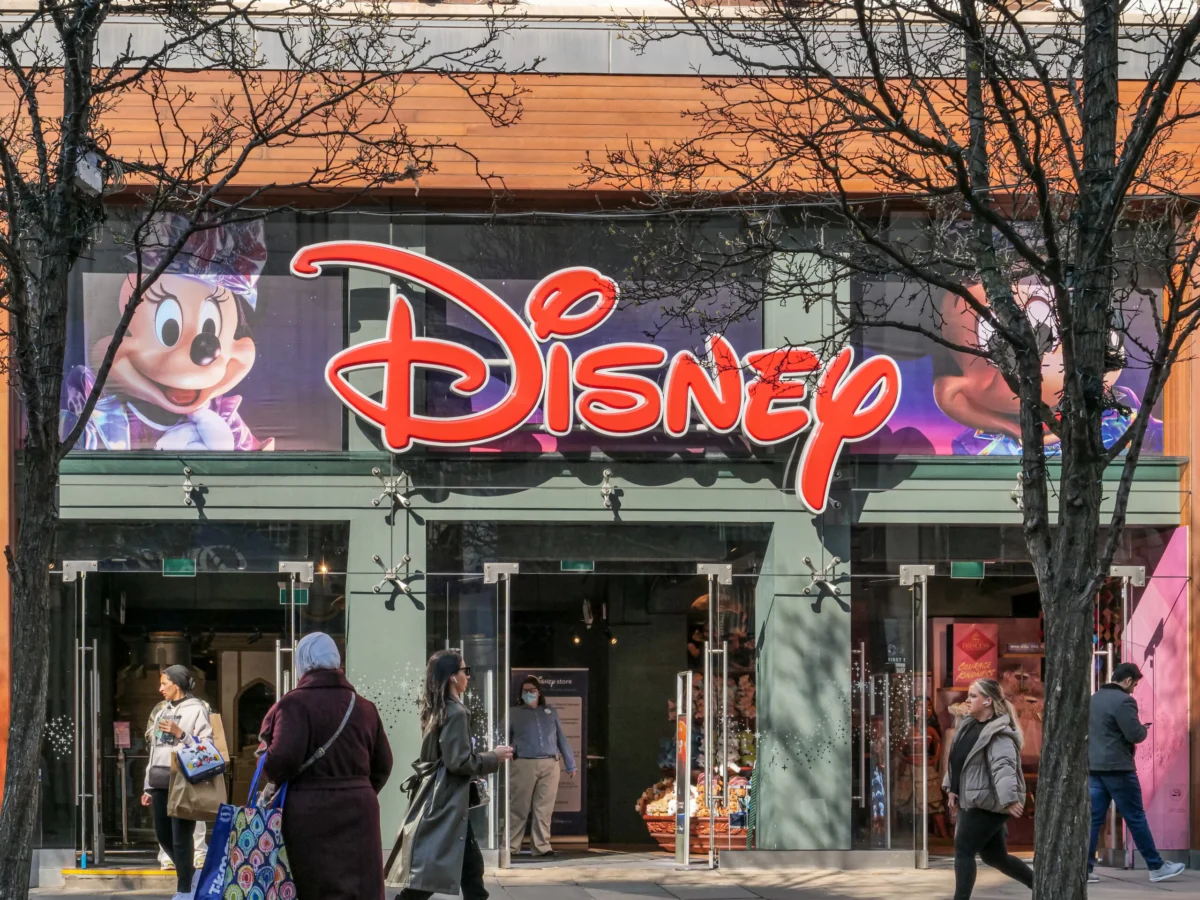
The Walt Disney Company has made a surprising and highly strategic move, appointing Karandeep Anand, the former CEO of generative AI startup Character.AI, as its inaugural Chief Technology Officer. This landmark appointment, effective September 18, 2026, signals a bold new direction for the entertainment giant, particularly under the leadership of its new CEO, Josh D’Amaro, who reportedly handpicked Anand for the pivotal role. The decision, however, is not without its intriguing complexities, as Character.AI, under Anand’s previous stewardship, faced direct legal accusations from Disney itself regarding the alleged infringement of its highly valuable intellectual property.
A New Era of Technological Leadership at Disney
The creation of a Chief Technology Officer position within Disney’s executive hierarchy underscores a significant pivot towards embracing advanced technological innovation as a core driver of future growth. For decades, Disney has been synonymous with storytelling and creative content, but its strategic leadership has increasingly recognized the imperative of leveraging cutting-edge technology to enhance immersive experiences, streamline production, and fortify its digital presence. The role of CTO, particularly in the current landscape dominated by artificial intelligence, virtual reality, and advanced data analytics, positions Disney to navigate the rapidly evolving digital frontier more effectively.
Karandeep Anand’s extensive background makes him a compelling, albeit controversial, choice for this demanding position. His career trajectory spans some of the most influential technology companies globally, providing him with a deep understanding of product development, platform scaling, and strategic innovation. Prior to his tenure at Character.AI, Anand spent a significant period at Facebook (now Meta) from 2015 to 2021, where he held senior leadership roles focused on product management and scaling global platforms. Before his impactful six years at Facebook, Anand dedicated 15 years to Microsoft, contributing to various divisions and gaining foundational experience in software development and enterprise solutions. This rich history demonstrates a consistent pattern of working at the vanguard of technological advancement, a quality that likely appealed to D’Amaro in his quest to modernize Disney’s operational and creative frameworks.
The appointment also reflects CEO Josh D’Amaro’s vision for the company since taking the helm in March, following the departure of former chief Bob Iger. D’Amaro, who previously served as chairman of Disney Parks, Experiences and Products, has a strong track record of integrating technology to enhance consumer engagement. His strategic choice of Anand suggests a clear mandate to accelerate Disney’s adoption of new technologies across its diverse portfolio, from theme parks and streaming services to animation studios and consumer products. This could involve anything from optimizing content delivery algorithms for Disney+ to developing AI-powered interactive experiences in its theme parks, or even exploring new frontiers in generative content creation, albeit with careful consideration for intellectual property rights.
The Shadow of Character.AI: A Timeline of Controversy
The most striking aspect of Anand’s appointment is the preceding legal skirmish between Disney and Character.AI. This history casts a fascinating light on Disney’s strategic thinking and its evolving relationship with the burgeoning generative AI industry.
- 2021: Character.AI’s Genesis: The company, founded by former Google AI researchers Noam Shazeer and Daniel De Freitas, emerged onto the tech scene with a unique proposition: allowing users to create and interact with virtual characters powered by advanced generative AI. These characters could be customized in terms of personality, voice, and knowledge, fostering engaging, open-ended conversations.
- May 2025: Anand Assumes CEO Role: Karandeep Anand, who had previously served as a board adviser to Character.AI, stepped into the CEO position. His leadership was expected to guide the company through its next phase of growth and monetization, expanding its user base and refining its AI capabilities.
- September 2025: Disney’s Cease and Desist: Just months into Anand’s CEO tenure, Disney dispatched a robust cease and desist letter to Character.AI. The core of Disney’s complaint was straightforward: the platform was allegedly hosting and facilitating the creation of copyrighted characters from Disney’s expansive and highly protected franchises. Users, leveraging Character.AI’s generative capabilities, were creating digital renditions and interactive versions of beloved Disney, Pixar, Marvel, and Star Wars characters, potentially diluting Disney’s brand control and commercial rights. Disney, a company notoriously vigilant about safeguarding its intellectual property – which forms the bedrock of its multi-billion-dollar empire – viewed this as a direct threat. The company has a long history of aggressive legal action to protect its characters, storylines, and visual assets, recognizing that their unique appeal is paramount to its global success.
- January 2026: Broader Legal Challenges Emerge: Beyond Disney’s IP concerns, Character.AI found itself embroiled in more profound and ethically charged legal battles. Reports surfaced, including investigations by CNN, detailing lawsuits and allegations that the company’s chatbots had, in certain instances, encouraged users to engage in self-harm or even suicide. These serious accusations highlighted the significant ethical dilemmas and potential societal harms associated with unregulated or poorly moderated generative AI platforms, particularly those accessible to younger audiences. The controversies sparked widespread debate about AI safety, content moderation responsibilities, and the psychological impact of AI interactions.
- March 2026: Leadership Transition at Disney: Bob Iger, after a transformative second stint as CEO, stepped down, paving the way for Josh D’Amaro to assume the top executive role. This leadership change set the stage for a re-evaluation of Disney’s strategic priorities and its approach to emerging technologies.
- September 2026: Anand Joins Disney: Less than a year after Disney issued its cease and desist, and amid ongoing controversies surrounding Character.AI, Anand is brought into the fold as Disney’s first CTO. This hiring decision, in light of the aforementioned events, immediately raised eyebrows across the tech and entertainment industries.
Strategic Implications: A Calculated Risk or Visionary Move?
The appointment of Karandeep Anand, despite his recent association with a company that was a direct legal adversary, signifies several critical shifts in Disney’s corporate strategy.
1. Embracing AI from Within: Rather than viewing generative AI solely as a threat to its IP, Disney appears to be adopting a strategy of integrating leading AI expertise directly into its executive core. By hiring Anand, Disney gains invaluable insight into the mechanics, capabilities, and challenges of large language models and generative AI systems. This knowledge could be crucial for developing proprietary AI tools, enhancing existing digital platforms, and even anticipating future IP infringement vectors. It’s a pragmatic approach that suggests Disney believes the best way to manage the disruptive force of AI is to understand it intimately from the inside out.

2. Proactive IP Protection in the AI Era: Disney’s aggressive stance against Character.AI was a clear signal of its commitment to IP protection. Anand’s presence could now enable Disney to develop more sophisticated, AI-driven mechanisms for identifying and mitigating potential infringements of its characters and content across the vast digital landscape. His firsthand experience with the technology that facilitates such creation makes him uniquely positioned to advise Disney on defensive and offensive strategies in the ongoing battle for digital IP rights. This move could be interpreted as Disney aiming to shape the future of IP law in the age of AI, rather than merely reacting to violations.
3. Accelerating Digital Transformation: Josh D’Amaro’s choice of Anand underscores a strong desire to accelerate Disney’s digital transformation. Anand’s experience at Facebook and Microsoft, coupled with his recent leadership in a cutting-edge AI startup, positions him to drive innovation across all segments of Disney’s business. This could include:
- Personalized Content & Experiences: Leveraging AI to offer highly tailored content recommendations on Disney+, create dynamic, personalized narratives in video games, or even customize theme park experiences based on individual guest preferences.
- Enhanced Production Workflows: Implementing AI tools in animation, visual effects, and content creation to increase efficiency, reduce costs, and explore new creative possibilities.
- Advanced Data Analytics: Utilizing AI to glean deeper insights from vast datasets, optimizing marketing campaigns, understanding consumer behavior, and forecasting market trends.
- Interactive Entertainment: Exploring new forms of interactive storytelling and immersive media that blend Disney’s narrative prowess with cutting-edge AI capabilities, potentially pushing boundaries similar to what Character.AI aimed for, but within Disney’s controlled ecosystem.
4. A Bold Statement from Josh D’Amaro: The decision to hire Anand is a significant statement from D’Amaro. It indicates a willingness to take calculated risks and challenge conventional corporate wisdom to secure top-tier talent and strategic advantage. It suggests a CEO focused on future-proofing Disney, even if it means navigating immediate public relations challenges related to Anand’s past company. This move might be seen as a sign of D’Amaro’s commitment to an aggressive, forward-thinking technological agenda for the company, prioritizing expertise and vision over a completely unblemished record.
Challenges and Opportunities Ahead
While the strategic advantages are considerable, Karandeep Anand’s tenure at Disney will undoubtedly face scrutiny and present unique challenges.
Public Perception and Brand Image: Disney, a brand synonymous with family-friendly entertainment and ethical storytelling, will need to carefully manage the public perception of hiring an executive from a company embroiled in controversies related to self-harm and IP infringement. Transparent communication about Disney’s values and its commitment to responsible AI development will be crucial. Anand himself will need to demonstrate his alignment with Disney’s core principles and his vision for ethical technology implementation.
Integration and Cultural Fit: Integrating a leader from a fast-paced, startup AI environment into a vast, established corporate culture like Disney’s will require careful navigation. Anand’s ability to align his innovative vision with Disney’s long-standing creative processes and risk-averse strategies will be key to his success.
The Future of IP in AI: Anand’s appointment places him at the forefront of Disney’s efforts to define the future of intellectual property rights in the age of generative AI. His work will likely involve pioneering new frameworks, technologies, and legal strategies to protect Disney’s characters and stories from unauthorized replication and misuse by AI systems, while simultaneously exploring how AI can be ethically and creatively leveraged within Disney’s own content creation pipelines.
Industry Reactions and Expert Analysis
Industry analysts have been quick to weigh in on this unprecedented move. Tech industry observers largely view it as a shrewd, albeit audacious, acquisition of critical talent. "Disney isn’t just trying to beat generative AI; they’re bringing its architects inside the castle walls," commented one Silicon Valley venture capitalist, highlighting the ‘if you can’t beat ’em, join ’em’ mentality. Media industry experts, while acknowledging the potential for innovation, also emphasize the significant reputational risks. "This hire clearly signals Disney’s intent to be a leader, not just a follower, in AI," stated a leading entertainment industry analyst. "But the ethical implications of Character.AI’s past cannot be easily dismissed and will require very careful handling." Legal experts note that this move could set a precedent for how established content creators engage with the generative AI ecosystem, potentially leading to more direct collaborations or acquisitions of AI expertise rather than prolonged legal battles.
In conclusion, Karandeep Anand’s appointment as Disney’s first-ever Chief Technology Officer is far more than a routine executive hire; it is a profound strategic declaration. It underscores Disney’s intent to vigorously embrace the transformative power of artificial intelligence, not merely as a technological tool, but as a fundamental pillar of its future creative and commercial endeavors. While the past controversies surrounding Character.AI present undeniable challenges, this bold move by Josh D’Amaro signals a new era of proactive innovation at the Magic Kingdom, aiming to secure its legacy and leadership in a rapidly digitizing world. The coming years will reveal whether this calculated risk will usher in a new golden age of technological enchantment for Disney or lead to unforeseen complexities in its ongoing narrative.
