

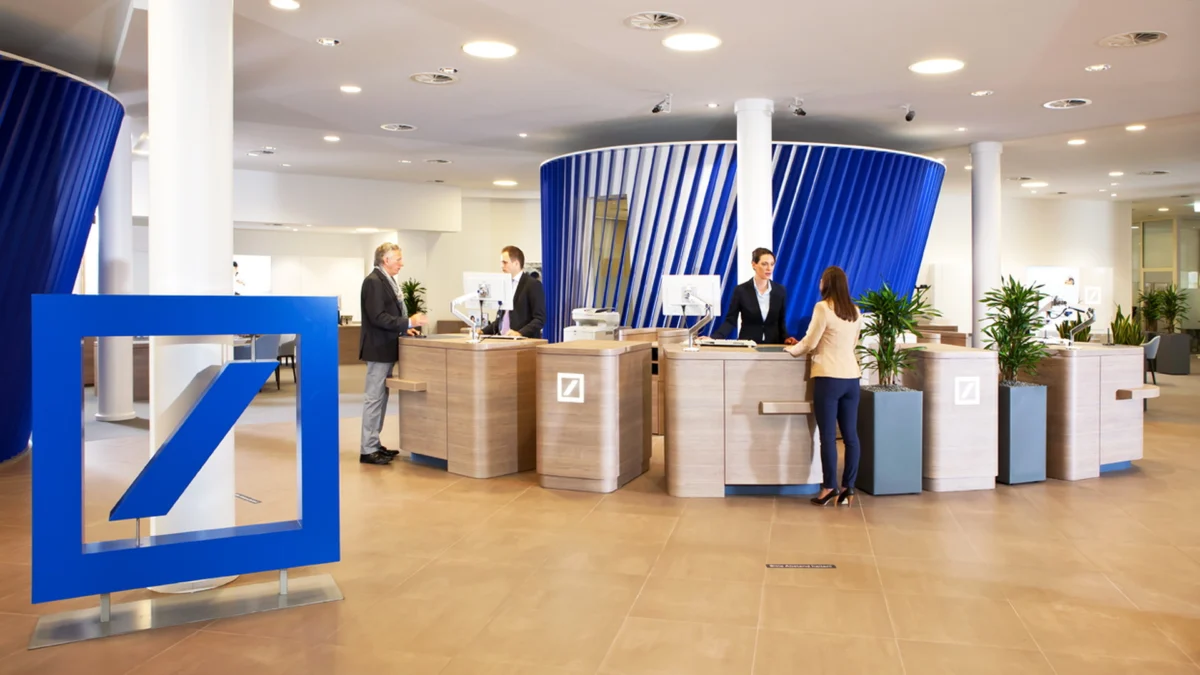
Germany’s largest bank, Deutsche Bank, is reportedly on the cusp of launching its long-anticipated cryptocurrency custody service, signaling a significant move by a traditional financial behemoth into the burgeoning digital asset sector. Sources indicate the service could be available within weeks, marking a pivotal moment for institutional adoption of cryptocurrencies. This development follows a strategic push by major global financial institutions to establish robust infrastructure for managing digital assets, a trend that Deutsche Bank is now actively participating in.
Beyond its initial European rollout, the German multinational has ambitious plans to extend its crypto custody platform to Asia in the coming year. This expansion into a dynamic and rapidly growing market underscores the bank’s commitment to becoming a comprehensive provider of digital asset services for a global client base. The announcement, first reported by Reuters and citing insights from the bank’s corporate banking chief, Gerald Podobnik, positions Deutsche Bank as a key player in shaping the future of finance, where digital assets are increasingly seen as an integral component.
A Wave of Institutional Adoption in Digital Asset Custody
Deutsche Bank’s impending entry into crypto custody is not an isolated event but rather a reflection of a broader industry-wide trend. Over the past 18 months, a significant number of leading global banks have either launched or announced their intentions to offer cryptocurrency custody solutions. This surge in institutional interest signifies a maturation of the digital asset market, moving beyond speculative trading to embrace the underlying technological and financial potential.
Prominent names in the financial world that have committed to direct crypto custody include BNY Mellon, State Street, Standard Chartered, U.S. Bank, and Citigroup. These institutions, each with substantial global reach and influence, are building the foundational infrastructure necessary for their clients to securely hold and manage digital assets. The involvement of such established entities lends considerable credibility to the cryptocurrency space and helps to assuage concerns about security and regulatory compliance that have historically been barriers to entry.
BNY Mellon, for instance, made history in 2022 by becoming the first major U.S. bank to offer digital asset custody services, laying the groundwork for others to follow. More recently, Citi and Standard Chartered have either debuted or announced plans for bitcoin custody services in various regions, demonstrating a concerted effort to cater to institutional demand. These moves suggest a growing recognition among traditional banks that digital assets are not a fleeting trend but a permanent fixture in the financial landscape, necessitating the development of specialized services.
Deutsche Bank’s Journey Towards Digital Asset Services
Deutsche Bank’s foray into crypto custody has been a gradual and deliberate process, marked by strategic announcements and preparatory steps. The bank first officially disclosed its intentions to launch a bitcoin custody service for European corporate and institutional clients in September 2026. At the time of that announcement, the bank emphasized that the service’s deployment was contingent upon the successful completion of all applicable regulatory timelines, highlighting the complex and evolving regulatory environment surrounding digital assets.
The recent Reuters report further elaborates on the scope of Deutsche Bank’s forthcoming service. Initially, the platform will support the custody of major cryptocurrencies, with bitcoin being the primary focus. This initial phase is designed to establish a secure and reliable foundation for digital asset holdings. Subsequently, the bank plans to expand its offerings to include services that facilitate clients’ seamless movement of funds into and out of stablecoins. Stablecoins, pegged to the value of stable assets like fiat currencies, are crucial for facilitating transactions and liquidity within the digital asset ecosystem, making their integration a logical next step for a comprehensive custody solution.
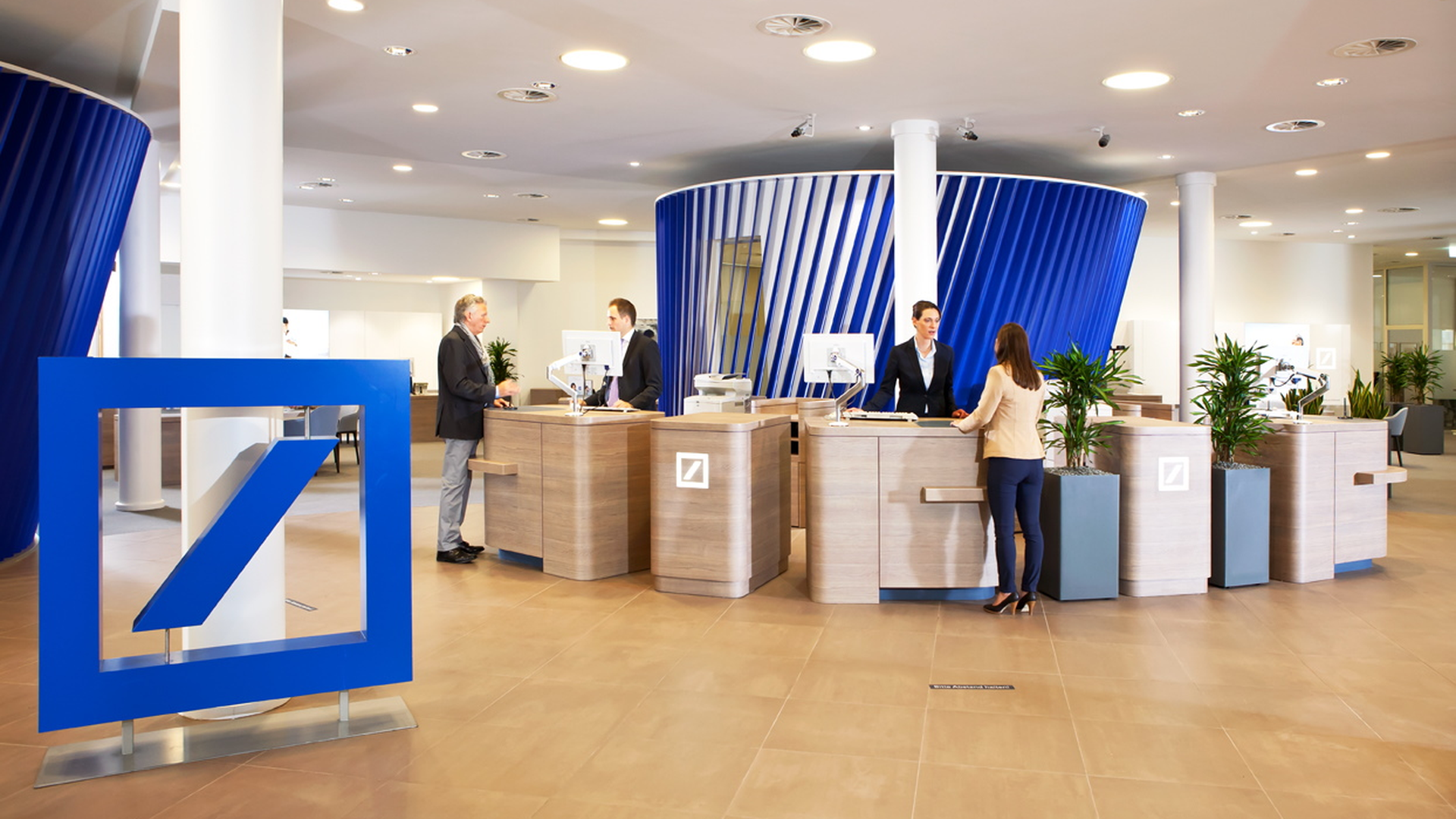
Gerald Podobnik, co-head of Deutsche Bank’s corporate bank, articulated a forward-looking perspective on the evolving financial system. He was quoted by Reuters stating that the financial system will inevitably need to "offer tokenized or blockchain solutions." This statement underscores the bank’s belief that blockchain technology and tokenization are not merely supplementary but essential components of future financial infrastructure. By investing in crypto custody and related services, Deutsche Bank is positioning itself to capitalize on this anticipated shift and to provide its clients with the tools they need to navigate this new financial paradigm.
The Strategic Importance of Crypto Custody and Tokenization
Crypto custody serves as a critical entry point for traditional financial institutions looking to engage with the digital asset market. It addresses the fundamental need for secure storage and management of digital assets, which are inherently different from traditional financial instruments. The technical complexities and security risks associated with private keys and digital wallets require specialized expertise and robust infrastructure, which established banks are well-equipped to provide.
The increasing focus on stablecoins and tokenization by traditional financial firms is another significant development. Tokenization, the process of representing real-world assets (such as securities, commodities, or even real estate) as digital tokens on a blockchain, holds immense potential to enhance liquidity, streamline settlement processes, and create new investment opportunities. Stablecoins play a vital role in this ecosystem by acting as a bridge between traditional finance and the digital asset world, enabling efficient transactions and price stability.
Broader Implications for the Financial Industry
Deutsche Bank’s entry into crypto custody, alongside other major global banks, carries significant implications for the broader financial industry.
- Increased Legitimacy and Trust: The participation of established financial institutions lends substantial credibility to the cryptocurrency market. This can help to attract a wider range of investors, including institutional investors who may have previously been hesitant due to concerns about security, regulation, and reputation.
- Enhanced Security and Regulatory Compliance: Banks bring their extensive experience in risk management, compliance, and security to the digital asset space. This can lead to the development of more robust and secure custody solutions, thereby reducing the risks for investors and the potential for illicit activities. Their adherence to strict regulatory frameworks will also help to foster a more compliant and transparent digital asset ecosystem.
- Bridging Traditional and Digital Finance: The integration of digital asset services by traditional banks serves as a crucial bridge between the legacy financial system and the emerging world of decentralized finance (DeFi) and digital assets. This facilitates a more seamless transition for clients and promotes greater interoperability.
- Innovation and Competition: The move by Deutsche Bank and others is likely to spur further innovation within the financial sector. As more institutions offer these services, competition will intensify, potentially leading to more competitive pricing, improved service offerings, and greater adoption of digital asset technologies.
- Potential for New Financial Products and Services: The infrastructure being built for crypto custody and tokenization could pave the way for a new generation of financial products and services. This might include tokenized securities, digital bonds, and other innovative instruments that leverage the efficiency and transparency of blockchain technology.
The Road Ahead: Regulatory Clarity and Market Maturation
While the progress made by institutions like Deutsche Bank is a positive indicator of market maturation, the regulatory landscape for digital assets remains a critical factor. Ongoing efforts by regulatory bodies worldwide to establish clear frameworks for digital assets will be crucial in shaping the future of this industry. The successful implementation and widespread adoption of services like Deutsche Bank’s will depend heavily on navigating these evolving regulations effectively.
The bank’s strategic decision to expand into Asia further highlights the global nature of digital asset adoption. Asian markets, particularly those in Singapore and other hubs, have shown a strong appetite for innovation in fintech and digital assets. Deutsche Bank’s presence in these regions could significantly influence the development of digital asset infrastructure and services across the continent.
In conclusion, Deutsche Bank’s imminent launch of its cryptocurrency custody service, coupled with its international expansion plans, marks a significant milestone in the mainstreaming of digital assets. As more traditional financial institutions embrace this evolving landscape, the financial world stands on the precipice of a transformative era, where digital and traditional finance converge to create a more dynamic, efficient, and inclusive global financial system. The journey ahead will undoubtedly involve further innovation, regulatory adaptation, and a continued commitment from established players to unlock the full potential of digital assets.
