

The Federal Aviation Administration (FAA) issued a nationwide ground stop across the United States on Friday evening, effectively halting all domestic flight departures until further notice. The unprecedented measure, citing "extraordinary circumstances and safety concerns," plunged airports into chaos and stranded thousands of travelers. While initial reports offered little detail, the FAA later clarified that the disruption stemmed from a critical communications system failure within air traffic control.
Widespread Disruptions and Traveler Impact
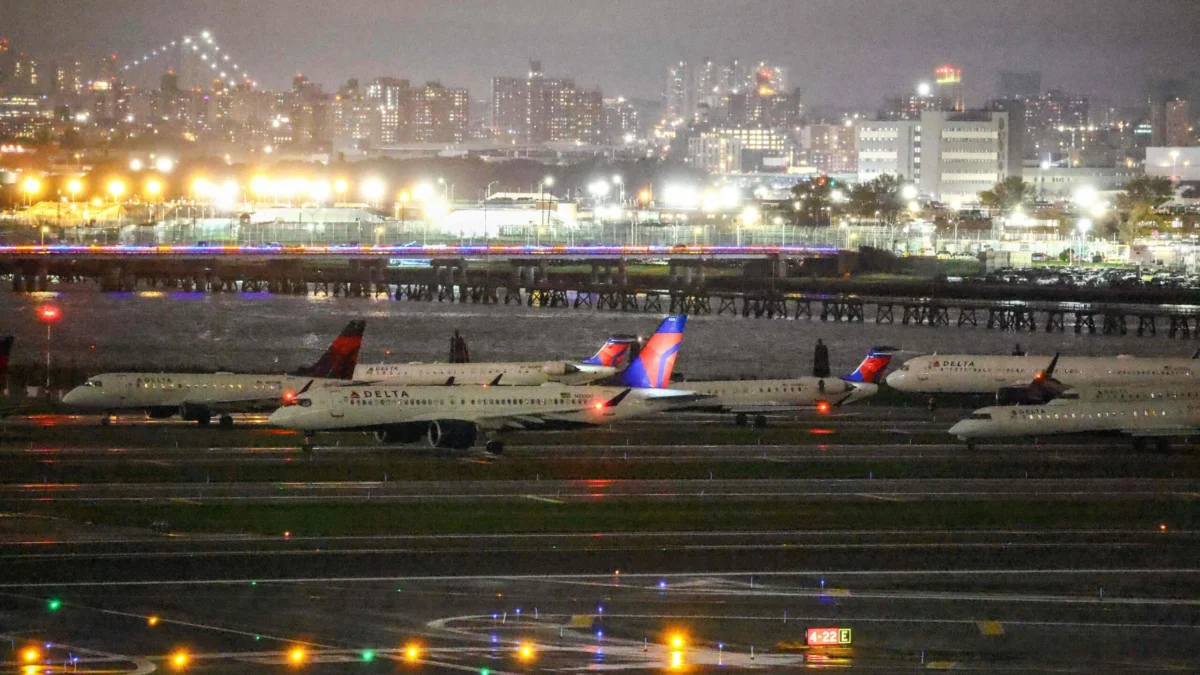
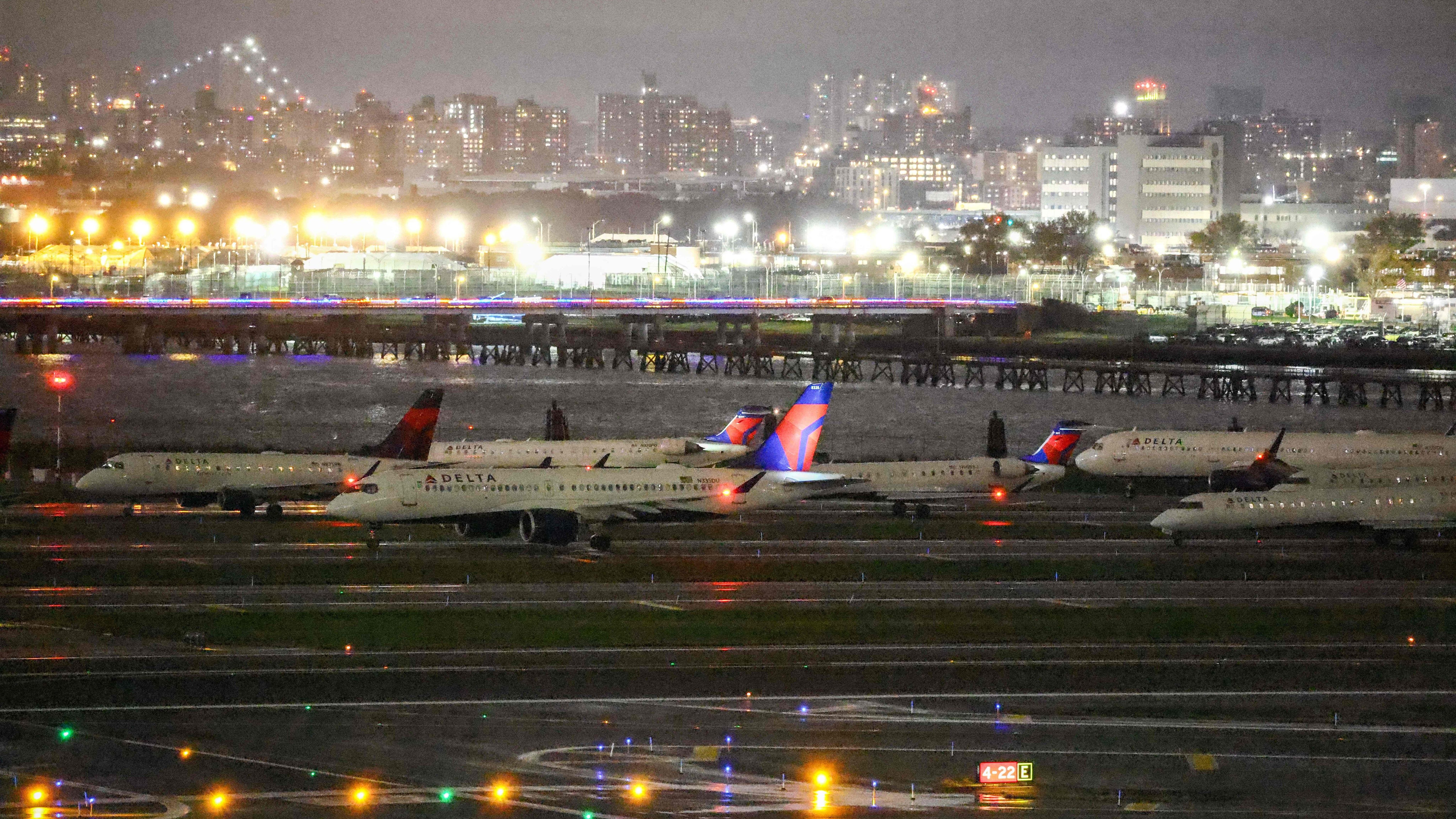
The FAA’s order meant that no aircraft were permitted to take off from U.S. airports. Arriving international flights were subject to case-by-case evaluations, creating uncertainty for global travel. The immediate impact was palpable, with images emerging from airports like LaGuardia in New York City showing planes queued on tarmacs, passengers disembarking or waiting anxiously in terminals.
As of the announcement, FlightAware data indicated that over 7,800 flights had already been reported as delayed, with an additional 350 flights canceled within the first hour of the ground stop. This created a ripple effect, not only disrupting domestic travel plans for millions but also impacting connecting flights and international itineraries. Business travelers faced immediate disruptions to crucial meetings and supply chain logistics, while holidaymakers saw their plans thrown into disarray. The economic implications of such a widespread shutdown, even if temporary, are significant, affecting airlines, airports, related businesses, and the broader travel and tourism industry.

The Root Cause: A Systemic Communication Failure
The FAA’s initial statement was terse, mentioning only "extraordinary circumstances and safety" as the reason for the sweeping order. This ambiguity fueled speculation, with initial concerns leaning towards potential cyberattacks or severe weather events. However, the agency soon provided a more specific explanation via the social media platform X (formerly Twitter).
The FAA confirmed it was experiencing a "communications problem" that necessitated the grounding of flights. The agency stated that the decision was made out of an abundance of caution until the issue could be resolved. This indicated a systemic problem within the critical infrastructure that manages air traffic.
Further details emerged, suggesting that the failure was linked to the Notice to Air Missions (NOTAM) system. The NOTAM system is a vital digital information feed used by pilots and air traffic controllers to receive critical updates about flight operations, airport conditions, navigational hazards, and other essential information. A failure in this system could prevent controllers from receiving or transmitting crucial data, thereby jeopardizing flight safety. While the exact nature of the communication breakdown within the NOTAM system was not immediately disclosed, it is understood to be a complex digital infrastructure issue.
Official Statements and Investigations
U.S. Transportation Secretary Sean Duffy also addressed the situation on X, reiterating the communication problem affecting air traffic control centers. He confirmed that FAA technicians were actively investigating the issue. The lack of immediate clarity on the cause underscores the complexity of the nation’s air traffic management systems and the potential for cascading failures.

Sources within the U.S. government, including two security officials speaking to CNN, indicated that there were no initial signs pointing towards a cyberattack. This suggests that the issue might be rooted in a technical malfunction or an internal system failure rather than malicious external interference. Such an event, while less alarming than a state-sponsored cyberattack, still highlights vulnerabilities in critical infrastructure that relies heavily on interconnected digital systems.
The FAA’s commitment to resolving the issue and providing further updates reflects the gravity of the situation. The agency is responsible for ensuring the safety and efficiency of the U.S. airspace, and any compromise to its operational capabilities demands a swift and thorough response.

Timeline of the Event
- Friday Evening: The FAA issues a nationwide ground stop, halting all domestic flight departures. Arriving international flights are reviewed on a case-by-case basis.
- Within the First Hour: FlightAware data shows over 7,800 flights delayed and 350 canceled.
- Later in the Evening: The FAA clarifies on X that the disruption is due to a "communications problem."
- Subsequent Statements: U.S. Transportation Secretary Sean Duffy confirms the communication issue impacting air traffic control centers and states that FAA technicians are investigating.
- CNN Report: Citing security officials, CNN reports that there are no initial indications of a cyberattack.
Broader Implications and Background Context
The NOTAM system, central to this incident, is a cornerstone of modern aviation safety. It provides real-time information that pilots and controllers rely on for making critical decisions. A failure in this system is akin to the eyes and ears of the air traffic control system being compromised.
The U.S. airspace is one of the busiest and most complex in the world, managed by a sophisticated network of air traffic control facilities. The FAA oversees this vast infrastructure, which includes numerous air traffic control towers, en route centers, and communication systems. The reliance on digital systems has brought immense efficiency but also introduces new vulnerabilities.

This incident serves as a stark reminder of the fragility of complex technological systems. Even with robust backup protocols, unforeseen failures can occur. The FAA’s decision to ground all flights, while disruptive, was a prudent measure to prevent potential accidents that could arise from incomplete or missing information. The safety of passengers and crew is paramount, and the FAA’s mandate prioritizes preventing any compromise to flight operations.
The economic impact of such a shutdown, even for a few hours, is substantial. Airlines incur significant costs due to canceled and delayed flights, including passenger rebooking, accommodation, and operational adjustments. The ripple effect extends to hotels, car rental agencies, and other tourism-dependent businesses. For businesses relying on timely cargo transport, the disruption can lead to supply chain delays and increased costs.

The Path Forward: System Resilience and Future Prevention
The investigation into the precise cause of the communications failure will be crucial in preventing similar incidents in the future. Understanding whether the issue was a software glitch, a hardware malfunction, a human error in system management, or an external factor that was not a cyberattack will guide the FAA’s corrective actions.
Key areas of focus will likely include:

- Redundancy and Backup Systems: Evaluating the effectiveness and responsiveness of backup communication channels and fail-safe mechanisms.
- System Monitoring and Maintenance: Enhancing real-time monitoring of critical systems like NOTAM to detect anomalies proactively.
- Cybersecurity Protocols: While initial reports rule out a cyberattack, continuous assessment and reinforcement of cybersecurity measures remain essential given the evolving threat landscape.
- Contingency Planning: Developing and refining comprehensive contingency plans for widespread system failures, including clear communication strategies for the public and the aviation industry.
The FAA’s swift action, though causing widespread inconvenience, underscored its commitment to safety. The coming days will be critical as investigators work to pinpoint the exact cause and restore full functionality to the nation’s air traffic control system. The incident also highlights the ongoing need for investment in and modernization of critical infrastructure to ensure resilience against an increasingly unpredictable technological environment. The prolonged duration of the ground stop and the gradual resumption of flights will be closely watched by travelers, industry stakeholders, and the public alike. The ability of the FAA to restore confidence in the system’s reliability will be paramount in the aftermath of this significant disruption.
