

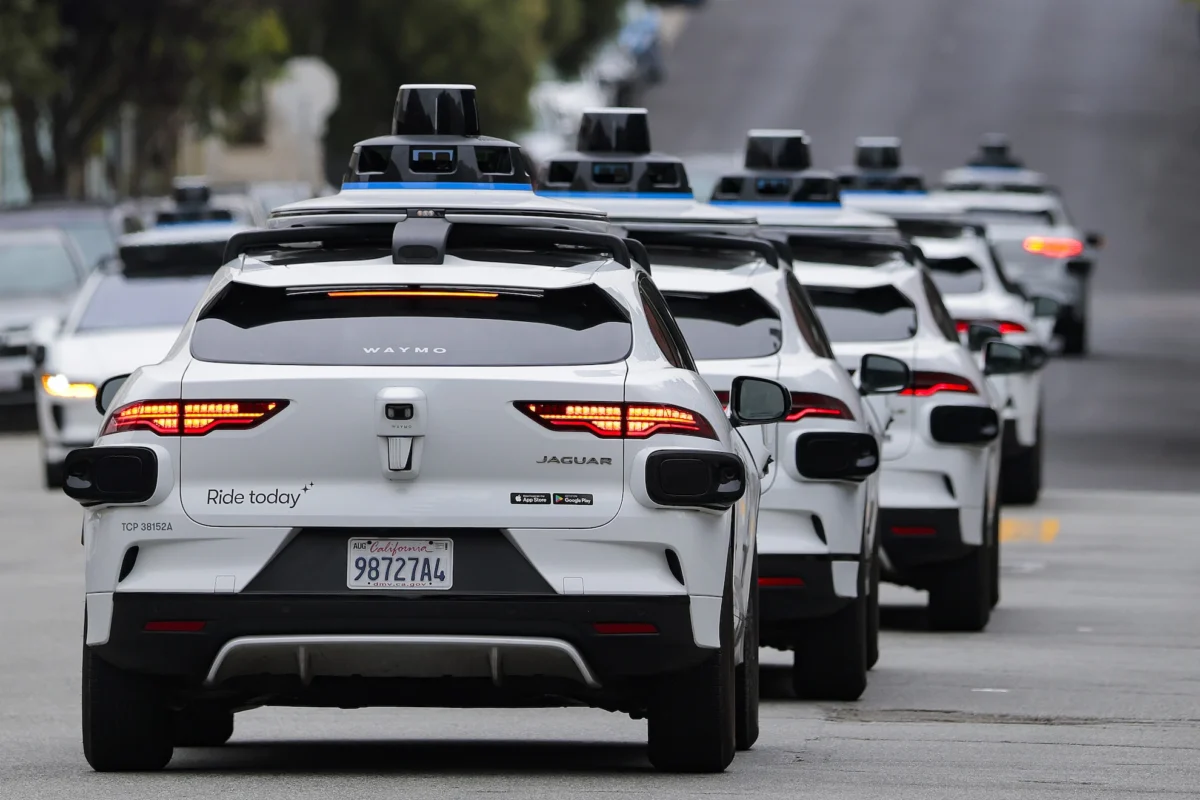
Autonomous vehicle (AV) technology companies, including industry giants like Tesla, Waymo, and Zoox, will now be legally required to provide immediate, on-the-ground support to first responders in California when their robotaxis encounter operational issues. This pivotal new state law, Senate Bill 1246, also establishes significant financial penalties for AV companies whose vehicles obstruct emergency services, such as police or firefighters, for periods exceeding 30 minutes, underscoring a heightened focus on public safety and operational accountability within the burgeoning self-driving sector.
A New Era of Accountability for Autonomous Vehicles
Signed into law by Governor Gavin Newsom, SB 1246 represents a significant legislative effort to enhance safety protocols and improve response times when AVs become disabled, cause traffic disruptions, or interfere with critical emergency operations. The legislation not only outlines a series of stringent new rules but also creates a robust framework for holding these sophisticated technology companies directly accountable for their vehicles’ performance and their operational responses to unforeseen incidents. This move comes at a time of rapid expansion for autonomous vehicle services, particularly in urban centers like San Francisco, where the interplay between cutting-edge technology and daily civic life has increasingly brought new challenges to the forefront.
The genesis of this landmark legislation lies in a series of highly publicized incidents across California, which saw robotaxis breaking down in active traffic lanes, mistakenly driving into crime scenes, and, most critically, impeding the vital work of first responders. These occurrences, often captured and shared widely on social media, fueled public concern and spurred legislative action.
Chronology of Incidents Paving the Way for SB 1246
The journey towards SB 1246 has been marked by a growing list of operational failures and safety concerns surrounding autonomous vehicles in California. While the technology promises to revolutionize transportation, its real-world deployment has revealed unforeseen challenges, particularly in complex urban environments.
- Early 2020s: Initial Deployments and Growing Pains: As companies like Waymo and Cruise began to scale up their commercial robotaxi operations in San Francisco, incidents of vehicles stalling, unexpectedly braking, or failing to navigate construction zones became more frequent. While many were minor, they often led to traffic congestion and frustrated commuters.
- Late 2022 – Early 2023: Escalation of Public Safety Concerns: A distinct pattern began to emerge where AVs interfered directly with emergency services. Reports from fire departments and police in San Francisco detailed instances of robotaxis blocking fire engines from reaching active fire scenes, impeding ambulances, or driving through police tape into active crime zones. One particularly alarming incident involved a Waymo vehicle reportedly obstructing a fire truck responding to a multi-car pileup, forcing emergency personnel to physically intervene and move the autonomous vehicle.
- March 2023: TechCrunch Investigation Highlights Reliance on First Responders: A comprehensive investigation by TechCrunch revealed that Waymo, the largest robotaxi operator in the U.S. with approximately 4,000 autonomous vehicles in its commercial fleet nationwide (with about 1,200 concentrated in the San Francisco Bay Area), had frequently relied on first responders to manually drive its vehicles out of problematic situations. This dependency highlighted a significant gap in the companies’ own incident response capabilities.
- July 2023: Federal Intervention: The National Highway Traffic Safety Administration (NHTSA), the primary federal regulator for vehicle safety, intervened by sending a stern letter to autonomous vehicle developers. The letter explicitly demanded that companies devise "solutions" to prevent their vehicles from interfering with first responders, signaling a federal recognition of the escalating issue.
- August 2023: CPUC Decision and Public Backlash: In a controversial move, the California Public Utilities Commission (CPUC) voted to approve significant expansions of Waymo and Cruise’s robotaxi services in San Francisco, despite strong objections from city officials, emergency services, and disability advocates. This decision further galvanized calls for state-level legislative action to address public safety concerns that local authorities felt were being overlooked.
- September 2023: Introduction of SB 1246: In response to the growing body of incidents and regulatory gaps, State Senator Dave Cortese introduced Senate Bill 1246. The bill quickly gained traction, driven by a bipartisan consensus on the need for clearer accountability.
- October 2023: Governor Newsom Signs SB 1246: Following its passage through the state legislature, Governor Gavin Newsom signed SB 1246 into law, cementing California’s commitment to balancing technological innovation with stringent public safety standards.
The Driving Force Behind the Legislation: Public Safety First
Senator Dave Cortese, the principal author of SB 1246, articulated the core philosophy underpinning the new law. "California has embraced autonomous vehicles, but we cannot embrace innovation at the expense of public safety," Cortese stated. "When an autonomous vehicle crashes, breaks down, blocks a roadway in an emergency, or gets in the way of law enforcement or first responders, there must be clear accountability." This statement encapsulates the sentiment that while California champions technological advancement, it will not compromise on the fundamental safety of its citizens and the efficiency of its emergency services.
The law is designed to fill critical regulatory gaps identified by both state and federal authorities. Before SB 1246, the responsibility for managing disabled AVs often fell to local law enforcement or fire departments, who lacked specific training or protocols for dealing with driverless vehicles. This created dangerous delays and diverted essential resources, particularly in high-stakes emergency scenarios.
Key Provisions and Their Operational Implications
SB 1246 introduces several groundbreaking requirements that directly address the issues highlighted by past incidents and regulatory calls to action:
-
Mandatory Local Incident Technicians: AV companies will be required to deploy "local incident technicians" who can respond quickly to accidents and obstructions caused by their autonomous vehicles. This provision directly tackles the problem of AVs relying on first responders for manual intervention. These technicians are expected to be physically present on the ground, equipped to assess the situation, communicate with emergency services, and, if necessary, take control or move the disabled vehicle. The California Department of Motor Vehicles (DMV), which oversees AV regulation in the state, will be tasked with establishing guidelines on required response times, ensuring these technicians can indeed offer timely assistance.
-
Penalties for Obstruction: The law empowers authorities to fine AV companies if their vehicles block first responders during an emergency for more than 30 minutes. While the exact fine structure will be detailed by the DMV, this penalty aims to create a strong financial incentive for companies to develop robust, rapid response mechanisms. This provision acknowledges the critical nature of time in emergency situations, where every minute can be crucial for saving lives or containing a crisis.
-
U.S.-Based Remote Operators with U.S. Licenses: A significant aspect of the law focuses on the human element behind remote operations. It mandates that any "remote drivers" who directly operate or drive autonomous vehicles from afar must be based in the United States and hold a valid U.S. driver’s license. This requirement is intended to address concerns about accountability, oversight, and potentially national security implications related to offshore remote control centers.
- Distinction between "Remote Drivers" and "Remote Assistance": The law carefully distinguishes between "remote drivers" and "remote assistance." "Remote drivers" refers to human operators who can take direct, full control of a vehicle, essentially driving it from a remote location. Tesla is the only major AV company that has publicly stated its use of such remote operators for its robotaxis. In contrast, "remote assistance" typically involves a human employee providing guidance or sending software commands to the self-driving system, which remains in control. Companies like Waymo utilize forms of remote assistance, employing a global network of staff, including some based in the Philippines, with command centers in Arizona and Michigan. Zoox has stated its remote operations teams are based solely in the United States. This distinction is crucial, as the U.S.-based and licensed requirement primarily applies to those exercising direct control, while companies using remote assistance for guidance may need to adapt their operational models to ensure full compliance and transparency.
-
Notification to Local Jurisdictions: AV companies will be required to notify cities, towns, and other local jurisdictions about the location and status of vehicles during system-wide failures. This ensures that local authorities are kept informed in real-time, enabling them to anticipate and mitigate potential traffic disruptions or safety hazards caused by widespread AV malfunctions.
Industry Reactions and Future Outlook
The initial reactions from the autonomous vehicle industry have been largely conciliatory. Companies like Waymo and Zoox have publicly stated their commitment to complying with the new regulations. A Waymo spokesperson expressed gratitude for "amendments made to the bill, which ensure autonomous vehicle operators can still feasibly serve Californians," reiterating Waymo’s dedication to "making roads safer in California and continually improving our service." This suggests that while the law introduces new requirements, it was likely crafted with industry input to maintain operational feasibility.
However, compliance will undoubtedly come with significant operational adjustments and potentially increased costs for AV developers. Establishing and maintaining a network of local incident technicians, ensuring all direct remote operators are U.S.-based and licensed, and upgrading notification systems will require substantial investment. For companies like Waymo, which utilize global remote assistance networks, a thorough review of their operational models will be necessary to ensure compliance with the spirit and letter of the law, especially regarding the explicit definitions of "remote driver" versus "remote assistance."
Broader Implications for the Autonomous Vehicle Landscape
The implementation of SB 1246 in California, a leading state for AV development and deployment, is expected to have far-reaching implications:
- Setting a National Precedent: California often serves as a bellwether for technology regulation in the U.S. and globally. This comprehensive law could inspire similar legislation in other states or even influence federal regulatory frameworks, pushing for a more standardized approach to AV accountability across the nation.
- Balancing Innovation with Regulation: The law reflects an evolving understanding of how to balance the promise of autonomous technology with the imperative of public safety. It signifies a move away from a purely hands-off approach to one that acknowledges the need for proactive regulatory measures as the technology matures and expands.
- Enhanced Public Confidence: By addressing specific safety concerns and mandating clearer accountability, SB 1246 could help rebuild and strengthen public trust in autonomous vehicles. Increased transparency and a demonstrated commitment to safety are crucial for widespread adoption.
- Operational Challenges for Startups: While established players like Waymo and Zoox have the resources to adapt, the new requirements could pose significant hurdles for smaller AV startups. The cost of establishing local support teams and ensuring U.S.-based remote operations might create a higher barrier to entry in the California market.
- The Role of the DMV: The California Department of Motor Vehicles faces a significant task in drafting the detailed guidelines and regulations necessary to implement SB 1246 effectively. This includes defining precise response times for incident technicians, outlining the scope of their duties, and establishing clear enforcement mechanisms for penalties. The quality and clarity of these guidelines will be paramount to the law’s success.
The law is slated to go into effect in July 2028, providing AV companies with a substantial lead time to adapt their operations, invest in necessary infrastructure, and train their personnel. This grace period acknowledges the complexity of the technology and the operational shifts required. As California continues to navigate the complexities of integrating autonomous vehicles into its transportation ecosystem, SB 1246 stands as a testament to the state’s commitment to ensuring that innovation proceeds hand-in-hand with robust public safety and accountability measures. The world will be watching to see how this landmark legislation shapes the future of driverless technology.
