

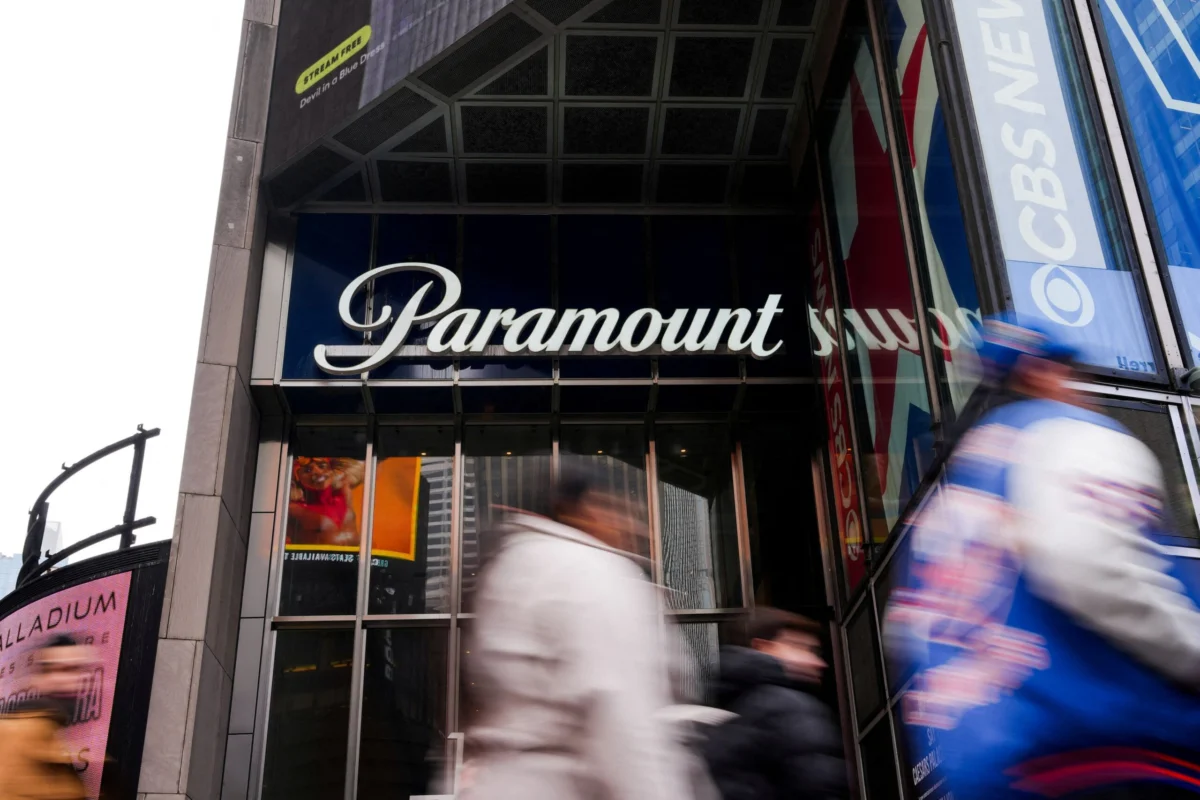
California Attorney General Rob Bonta on Monday canceled a scheduled meeting with Paramount Skydance, accusing the media conglomerate of a "lack of good faith" in preliminary settlement discussions regarding its proposed acquisition of Warner Bros. Discovery (WBD). The unexpected move signals a significant escalation in the legal battle against the $110 billion merger, which Bonta and a coalition of 11 other state attorneys general are actively seeking to block on antitrust grounds.
The Breakdown of Confidential Discussions
In a sharply worded statement, Attorney General Bonta articulated his reasons for withdrawing from the planned talks. "My office had a meeting with Paramount on Friday. Paramount did not maintain the confidentiality of that meeting. Not only did Paramount leak the alleged substance of settlement discussions, but they misrepresented these discussions, demonstrating a lack of good faith," Bonta asserted. He added a clear condition for re-engagement: "As soon as Paramount stops playing games and engages sincerely, my office is happy to meet again." The initial confidential meeting between Bonta’s office and Paramount representatives had occurred just days prior to the cancellation, underscoring the rapid deterioration of trust.
Paramount, in its immediate response, denied responsibility for the alleged leaks. The company stated it had "assured" the Attorney General’s office that it was not the source of the unauthorized disclosures. "We remain hopeful and stand ready to continue good faith discussions to resolve the Attorneys General suit and move forward with our plans for increased competition and increased output to the benefit of the talent and entertainment workers," Paramount’s statement read, maintaining its stance on the pro-competitive nature of the merger. A spokesperson for Warner Bros. Discovery, the other party in the proposed merger, declined to comment on the developments Monday. The initial reports of the Monday meeting and its subsequent cancellation were first brought to light by The New York Times.
Chronology of an Antitrust Challenge
The legal challenge to the Paramount Skydance-Warner Bros. Discovery merger has been building for several months, with key dates marking its progression:
- July 13, 2026: California Attorney General Rob Bonta, leading a coalition of 11 other state attorneys general, filed a lawsuit to block the proposed merger. The suit alleges that the acquisition would consolidate an unprecedented amount of market power, creating a media behemoth controlling a substantial portion of film production and basic television programming.
- July 24, 2026: In response to growing regulatory scrutiny, Paramount agreed to delay the closing of the deal until as late as June 2027. This extension was intended to provide additional time for regulatory reviews and to address antitrust concerns, though it also signaled potential difficulties in securing swift approval.
- August 20, 2026: Attorney General Bonta publicly indicated his willingness to negotiate a settlement, telling CNBC that while he preferred resolving cases in the "boardroom instead of the courtroom," any resolution would necessitate "robust structural remedies" from Paramount. He characterized the lawsuit as a "black-and-white" antitrust case, emphasizing the clear legal grounds for the states’ intervention.
- Friday, August 22, 2026 (approx.): An initial, confidential meeting takes place between Bonta’s office and Paramount representatives to discuss potential settlement terms.
- Monday, August 25, 2026: Attorney General Bonta cancels a follow-up meeting, citing Paramount’s alleged breach of confidentiality and misrepresentation of the prior discussions.
- March 2027: The antitrust trial in the case is currently scheduled to commence, setting a definitive legal showdown if no settlement is reached beforehand.
This timeline highlights the increasingly confrontational nature of the dispute, moving from initial regulatory review to direct legal challenge, and now to a public breakdown in potential settlement negotiations.
The Proposed Merger: A Media Colossus in the Making
The merger, valued at approximately $110 billion, seeks to combine two of Hollywood’s most storied entities: Paramount Skydance and Warner Bros. Discovery. Paramount Skydance, with its legacy studios, extensive film library, broadcast network (CBS), and a suite of cable channels, represents a significant content creator and distributor. Warner Bros. Discovery, formed from the merger of WarnerMedia and Discovery, Inc., brings an equally formidable array of assets, including Warner Bros. film and television studios, HBO, CNN, and a vast portfolio of unscripted and factual entertainment channels.
The companies have consistently argued that the merger is essential for them to compete effectively in a rapidly evolving global media landscape dominated by tech giants and increasingly consolidated streaming services. They contend that the combined entity would achieve greater scale, unlock synergies, and allow for increased investment in content, ultimately benefiting consumers through a wider array of programming and talent through more production opportunities. Paramount has previously dismissed the lawsuit as a "misrepresentation of competition," standing by its strategic decision to acquire WBD.
Antitrust Concerns and Legal Precedents
Attorney General Bonta’s lawsuit specifically targets the potential consolidation of power in "film and basic TV programming," deliberately excluding streaming services from the immediate scope of the complaint. This focus suggests a strategic effort to define a relevant market where the combined entity’s market share would be demonstrably high. Under U.S. antitrust law, primarily the Sherman Act and the Clayton Act, mergers that substantially lessen competition or tend to create a monopoly are prohibited.
The states’ complaint likely argues that the merger would reduce competition in the acquisition of content, the distribution of films to theaters and television networks, and the licensing of programming to various platforms. This could lead to fewer choices for consumers, higher prices for advertisers and distributors, and reduced leverage for content creators and talent.
Historically, media mergers have faced intense scrutiny. The Department of Justice (DOJ) famously challenged AT&T’s acquisition of Time Warner in 2017, although the merger was eventually approved after a protracted legal battle. Similarly, Disney’s acquisition of 21st Century Fox assets faced extensive regulatory review. These cases underscore the government’s ongoing concern about media consolidation and its potential impact on diversity of voices, content innovation, and market access. The current administration has signaled a more aggressive stance on antitrust enforcement, aligning with Bonta’s proactive approach.
The Landscape of Media Consolidation
The proposed Paramount Skydance-WBD merger is part of a broader trend of consolidation across the entertainment and media industries. Driven by the need for scale to compete with tech giants like Apple and Amazon, and to fund expensive content for direct-to-consumer streaming platforms, companies are increasingly combining forces. However, this trend has sparked concerns among consumer advocates, independent producers, and policymakers regarding its impact on competition, creativity, and media diversity.
While exact market share figures vary by segment, a combined Paramount Skydance and WBD would control an exceptionally large catalog of intellectual property, production capabilities, and distribution channels. In the market for film production and distribution, for example, the combined entity would stand alongside Disney, Universal, and Sony as one of the very few "major" studios, potentially reducing competitive bids for talent, scripts, and production services. In basic cable and broadcast television, the combined portfolio of networks could command significant leverage in advertising sales and carriage negotiations with cable and satellite providers.
Critics argue that such consolidation could lead to less diverse content, fewer opportunities for independent creators, and potentially higher prices for consumers down the line, even if not immediately visible in streaming subscriptions. Proponents, conversely, emphasize the need for scale to invest in premium content that can compete on a global stage, arguing that a fragmented industry struggles to attract necessary capital.
Potential Remedies and Outcomes
Attorney General Bonta’s insistence on "robust structural remedies" suggests that minor behavioral concessions may not suffice to resolve the lawsuit. Structural remedies typically involve divestitures – selling off certain assets to reduce market concentration. For example, the combined entity might be required to sell off a particular film studio, a network, or a library of content to a third party. Behavioral remedies, on the other hand, involve agreements to operate in certain ways, such as committing to non-discriminatory licensing practices. Given Bonta’s strong language, the states are likely pushing for significant asset sales to genuinely restore competition.
There are several potential outcomes for the merger:
- Approval with Conditions: The companies could agree to significant structural or behavioral remedies that satisfy the attorneys general, leading to a settlement and the merger’s eventual approval. This is often the preferred outcome for merging parties as it avoids a lengthy and costly trial.
- Blocked by Court Order: If the case proceeds to trial in March 2027 and the states prevail, a court could issue an injunction permanently blocking the merger.
- Abandonment of Merger: Faced with insurmountable legal challenges, prohibitive conditions, or a prolonged legal battle that erodes investor confidence, Paramount and WBD could choose to abandon the merger altogether.
- Appeal: Whichever party loses at trial could choose to appeal the decision, prolonging the legal uncertainty.
Industry Reactions and Future Outlook
The cancellation of settlement talks injects further uncertainty into an already complex deal, likely sending ripples through the financial markets and the broader media industry. Investors in both Paramount and WBD will be closely watching for signs of progress or further deterioration in the legal battle. A prolonged and acrimonious legal fight could impact the valuations of both companies and their strategic plans.
Industry analysts are likely to interpret Bonta’s firm stance as a signal that state attorneys general are prepared to be aggressive in challenging large-scale corporate mergers, particularly in sectors with significant public impact like media. This could have broader implications for other potential consolidation efforts across various industries. Consumer advocacy groups will likely applaud Bonta’s move, viewing it as a defense against monopolistic practices.
The path forward for the Paramount Skydance-Warner Bros. Discovery merger remains fraught with challenges. The immediate future hinges on whether Paramount can genuinely re-establish trust with the California Attorney General’s office and engage in settlement discussions that Bonta deems to be in "good faith." Absent such a breakthrough, the industry is bracing for a high-stakes antitrust trial in March 2027 that could reshape the competitive landscape of Hollywood for years to come.
